





 Português
  Inglês
  Espanhol
  5 min de leitura
  0 comentários


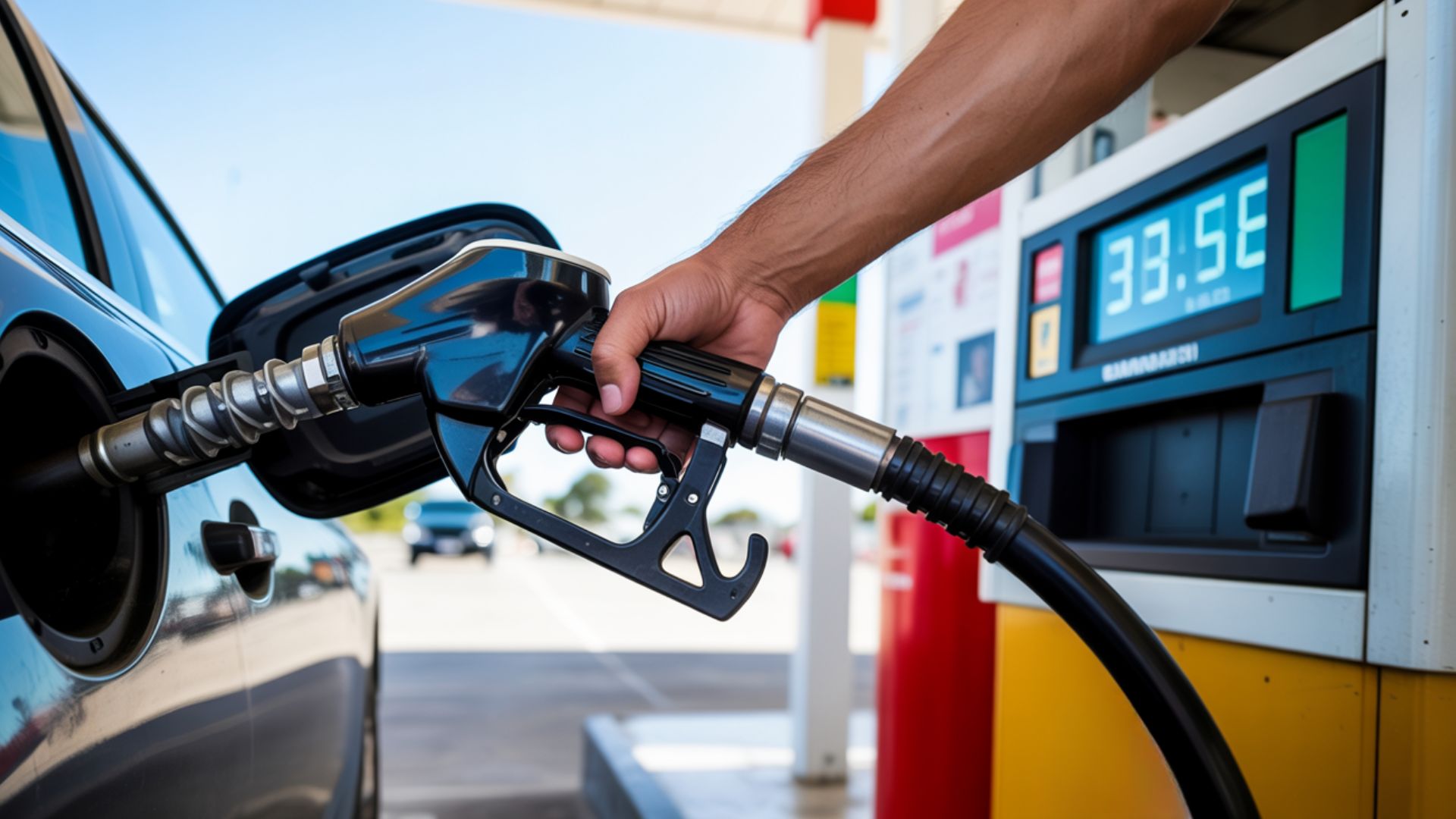
Driver Records On Video Price Difference When Fueling By Value And By Volume At The Same Station; Experiment Goes Viral And Raises Alert About Possible Failures Or Irregularities In Fuel Pumps.
A video recorded at a gas station and published on TikTok by content creator Bruc Duarte went viral by showing the difference in the amount paid by a driver when fueling the same amount of gasoline — 7.15 liters — at two different times, at the same location.
On the first visit, the driver requested fueling by value, paying R$ 30.
Hours later, he returned to the station and asked for exactly 7.15 liters, which resulted in a final cost of R$ 24.38.
-
Brazilian city gains industrial hub for 85 companies that is equivalent to 55 football fields.

-
Peugeot and Citroën factory in Argentina cuts production by half and opens a layoff program for more than 2,000 employees after Brazil drastically reduced purchases of Argentine vehicles.

-
A Brazilian city gains a factory worth R$ 300 million with the capacity to process 200 thousand tons of wheat per year, a mill of 660 tons/day, silos for 42 thousand tons, and an industrial area of 276 thousand m².

-
Havan will leave the shopping mall in Blumenau to inaugurate something that the chain has never done before: a megastore in half-timbered style in the Historic Center of the city, which is expected to be completed in May and change the landscape of local retail.


The difference of R$ 5.62, even with the same volume of fuel, caught the attention of thousands of internet users and reignited discussions about the reliability of fuel pumps in Brazil.
Comments on social media expressed surprise and concern about the possibility of errors or fraud in measurements, highlighting the need for increased consumer vigilance.
Difference When Fueling By Liter: Experiment Captures Attention
In the video, the driver records two interactions at the same station.
First, he requests R$ 30 in gasoline.
The pump shows the delivery of 7.15 liters.
Then, on the same day, he returns to the establishment and asks for exactly 7.15 liters to be fueled.
The equipment then displays the amount of R$ 24.38.
The experiment quickly gained traction, driven by the discrepancy in the amounts paid.
The scene was interpreted by many as possible evidence that fueling by liter may be more advantageous than by value.
However, experts and seasoned users pointed out that the practice does not guarantee savings on its own.
At a regulated station with calibrated equipment, the price per liter should be constant, regardless of how the customer requests the fueling.

Price Of Gasoline Per Liter Should Be Constant
The National Agency of Oil, Natural Gas and Biofuels (ANP), responsible for overseeing the sector, determines that the price per liter of fuel must be fixed and clearly displayed to the consumer.
This rule applies regardless of whether the customer requests fueling based on a value in reais or in liters.
When this does not happen, there is a risk of technical failures, operational errors, or even improper conduct by the station.
In the comments of the video, many users expressed outrage and demanded explanations.
One follower wrote: “The machine is programmed. It doesn’t matter if it’s by liter or by value, the math must add up.”
Others reported similar experiences or said that, as a precaution, they always ask to fuel by liter, which would allow for greater visual control of the amount of fuel delivered.
What Does The ANP Say About Irregularities
Although the video suggests savings when requesting by liter, industry professionals caution that this is not a reliable indicator of advantage.
According to them, the discrepancy in amounts for the same volume fueled suggests a failure in the equipment or a lack of proper calibration of the pump.
According to ANP, fraud in fuel pumps is a serious offense and subject to punishment.
The agency recommends that when identifying any inconsistencies, the customer demands an invoice with the volume and amount itemized.
With this document in hand, it is possible to file a formal complaint with the regulatory agency, which can initiate an investigation and impose sanctions on the establishment, including closure.
History Of Fraud In Gas Stations
Inspections carried out by the ANP over the past few years have exposed recurring fraud in several Brazilian states.
Public reports indicate that up to 10% of inspected stations presented some type of irregularity.
The most common involve tampering with pumps, altering the volume delivered, and failures in measurement systems.
According to data from 2024, the number of fines increased in metropolitan areas, especially in the states of São Paulo, Rio de Janeiro, and Minas Gerais.
Inspection operations identified pumps with tampered software, broken seals, and internal mechanisms that manipulated the amount of fuel delivered to the consumer.
How To Avoid Losses When Fueling
To avoid losses, experts recommend some simple measures that increase safety when fueling.
Among the recommendations are:
- Always request the invoice, detailing the volume and amount
- Check for intact seals on fuel pumps
- Record, whenever possible, the display of the pump at the beginning and end of fueling
- Verify if the price per liter displayed on the pump matches the advertised price
- Provide your CPF on the invoice to facilitate tracking of the transaction, if necessary
- Report any suspected irregularities to the ANP
These actions strengthen control mechanisms and encourage the regularization of services provided by stations.
Distrust About The Price Of Gasoline Moves Social Media
The repercussions of the video reflect a widespread distrust among the population regarding the transparency of services at gas stations.
The topic is especially sensitive as it involves an essential commodity, whose price directly impacts family budgets and the economy as a whole.
Gasoline, for example, is one of the items with the greatest weight in inflation indices and transportation costs of goods.
The viral spread of the content also sparked technical debates.
Some internet users attempted to justify the price difference based on factors such as ambient temperature, thermal expansion of fuel, or pressure variations.
However, experts dismiss these hypotheses as relevant causes for the difference observed in the video.
According to them, the fueling system is designed to compensate for environmental variations within a minimal margin of error.
What Can Explain The Price Difference In Gasoline
As of now, there is no official information proving fraud at the station shown in the video.
However, the difference between the amounts paid for the same volume of fuel raises legitimate questions.
If the station is following the rules, the price per liter should be identical in any fueling modality.
The variation of R$ 5.62 for the same quantity of gasoline lacks a plausible explanation within standard technical parameters.
Cases like this reinforce the importance of continuous supervision and consumer involvement in reporting possible irregularities.
The ANP keeps channels open for any citizen to report suspicions of fraud or irregular behavior in establishments that sell fuels.
Have you compared the final amount when fueling by liter and by value? Have you encountered any difference like this at your trusted station?









-

Uma pessoa reagiu a isso.