





 Portuguese
  English
  Spanish
  3 min of reading
  4 comments


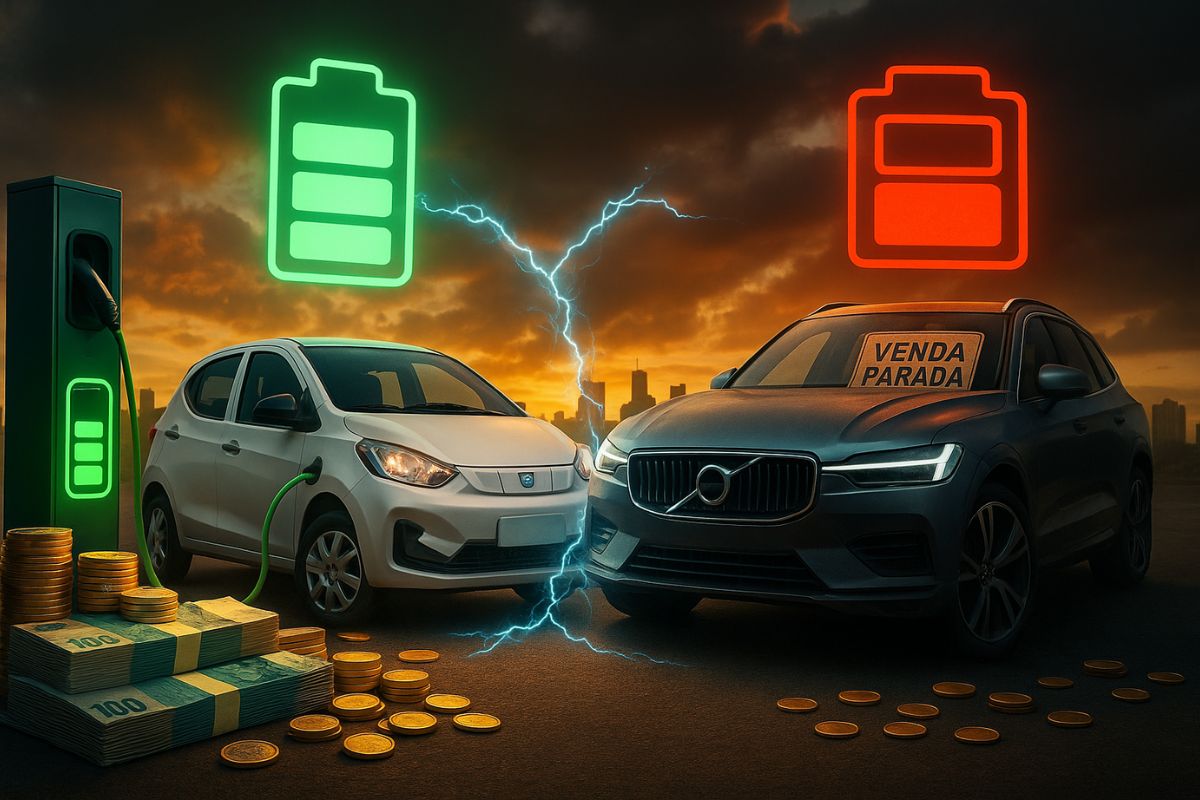


The Brazilian Premium Electric Car Market Stalled: While Entry-Level Models (Like the JAC E-JS1 at R$ 115 Thousand) Are in High Demand Among App Drivers, Luxury Electrics Above R$ 400 Thousand Have Practically Stopped Selling — Case of Volvo, Which Fell from 400 Units/Month in 2023 to Just 50 in That Range.
The electric market in Brazil is undergoing a radical transformation. While compact and affordable models disappear from used car lots in just two days, premium vehicles above R$ 400 thousand remain stagnant in dealerships. This assessment comes from businessman Sérgio Habib, who closely monitors the dynamics of the sector.
On one hand, the urban electric car has consolidated itself as a work and cost-saving tool for app drivers.
On the other hand, the high-end consumer appears reluctant to invest in electrified luxury vehicles, preferring to stick with combustion models in the premium segment.
-
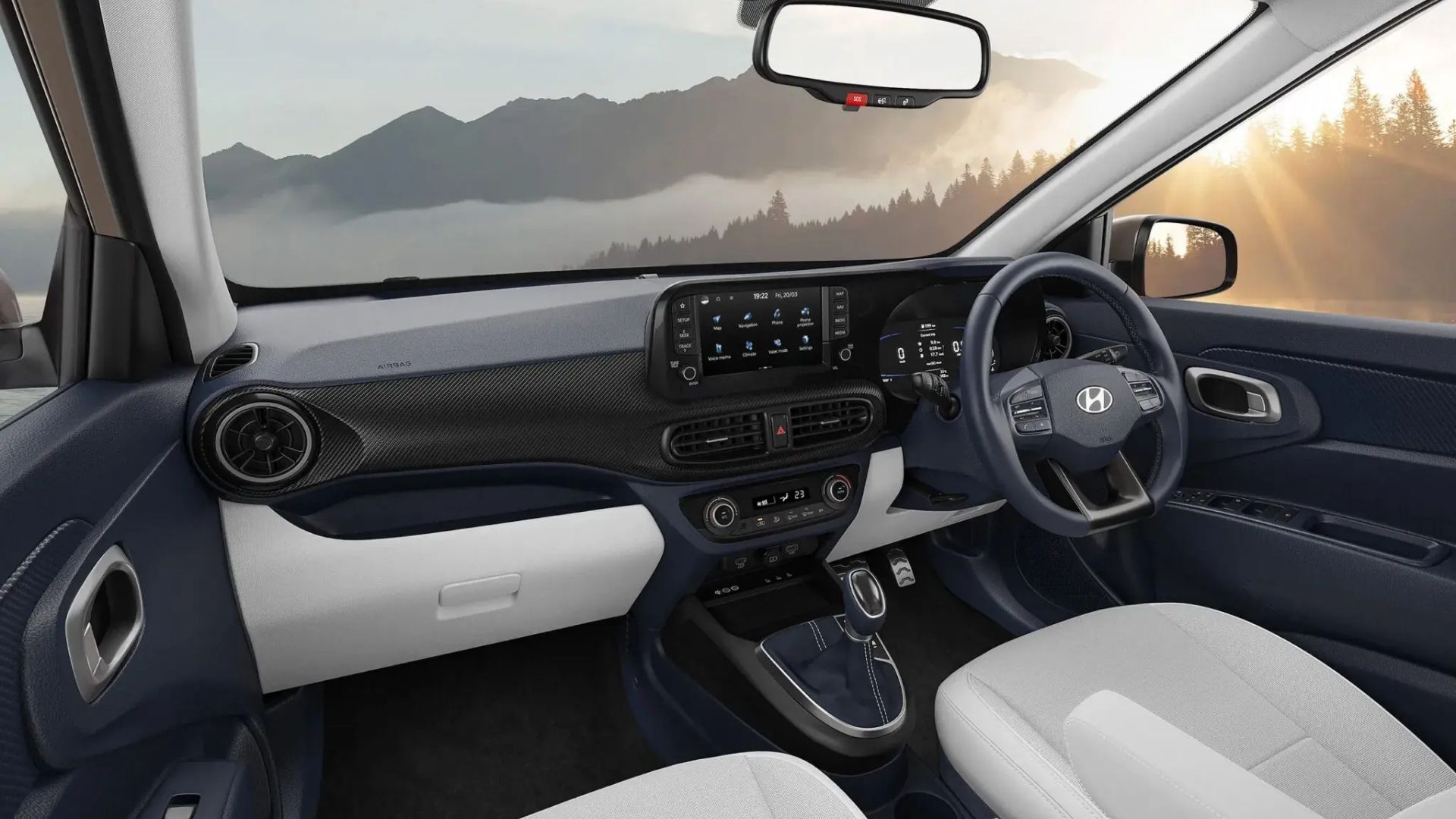
For R$ 32,000, a brand new Hyundai car is a rival to the Kwid with a 1.2 engine producing 82 hp, 6 airbags as standard, multimedia with wireless Android Auto, up to 391 liters in the trunk, and a refreshed look for 2026 in India.
-
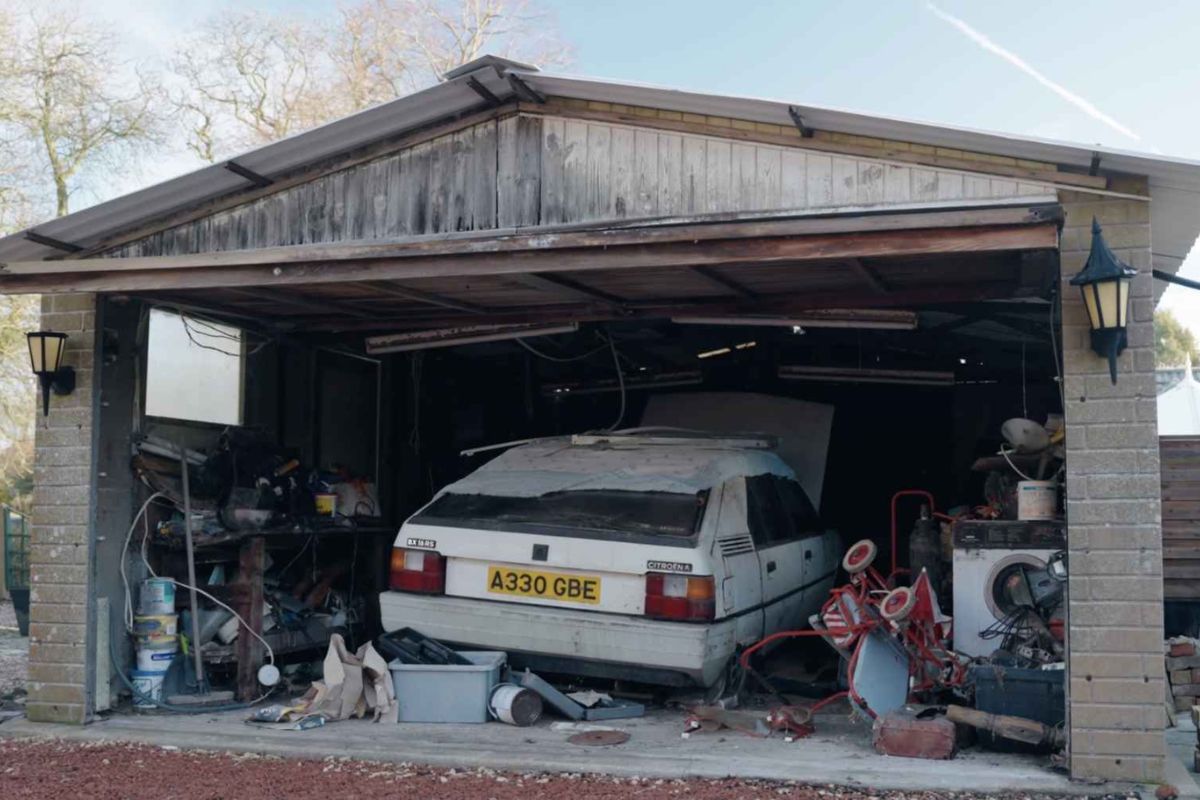
He bought a new car in 1983, locked it in the barn in 1988, and no one opened the door for 38 years until the family discovered what was stored inside and realized it looked like something out of a movie.
-
A 250cc motorcycle that can reach 560 km with a 14-liter tank, features disc brakes on both wheels and is among the most well-known in Brazil.
-
Man finds over 200 rare cars abandoned on a lot and tries to do the impossible in 8 hours with a surprise at the end.

The Entry-Level Electrics Phenomenon
The best example of this movement is the JAC E-JS1, sold new for about R$ 115 thousand.
In just one year, it already appears in the used market for R$ 92 thousand to R$ 95 thousand; after two years, the price drops to R$ 80 thousand to R$ 85 thousand.
Even with significant depreciation, these used cars disappear quickly, usually in one or two days.
The explanation lies in the customer base: app drivers.
Brazil has 1.6 million registered Uber drivers, and many see urban electrics as a way to reduce costs.
On average, a driver who works 10 to 12 hours a day can save about R$ 2,500 per month on fuel.
For those who cannot secure credit to buy a new vehicle, the used option has become the ideal entry point.
The Decline of Luxury Electrics
On the opposite end, the premium electric market faces challenges.
Volvo, which in 2023 sold about 400 monthly units of models priced between R$ 400 thousand and R$ 600 thousand (like XC40 and XC60 Recharge), now manages to sell only about 50 cars per month at that price level.
The brand continues to deliver a total volume close to 350 to 400 monthly units, but the shift in profile is evident.
The EX30, a smaller electric SUV priced under R$ 260 thousand, accounts for 300 to 350 of those sales, while luxury models have taken a backseat.
The high-net-worth customer sees no advantage in adding a R$ 270 thousand urban electric as a second vehicle when they already own combustion cars worth R$ 500 thousand or more.
What This Reveals About the Brazilian Market


This contrast indicates a new logic: electrics in Brazil have ceased to be a status symbol and are now evaluated by economic efficiency.
For professional drivers, the calculation is simple: the lower the cost per kilometer driven, the greater the interest.
On the premium side, electric cars have lost their appeal.
Brands like BMW and Volvo are still trying to sustain sales of expensive models, but they are facing an increasingly pragmatic consumer.
The current bet is on urban compacts, which can ensure scale and relevance.
And you, do you believe the future of electrics in Brazil lies in popular models, or will luxury ones still have space? Have you thought about buying a used one to save on a daily basis? Leave your opinion in the comments — we want to hear from those who live this reality up close.








Realidade , que tem dinheiro de verdade , não vive , uma vida com extravagância, buscando status , para impressionar uma sociedade, aí vem os chineses e nos ensina que da para produzir com qualidade e tecnologia sem arrancar o rim de ninguém, mas pena , que nosso país está empobrecendo e a renda caindo cada ano, para sustentar a regalia de um governo que só prejudica o povo.
O problema é que a “turma” não vê mais valor nesses carros de 400k… ta cheio de carro na casa de 200k entregando mais “valor”, autonomia e tecnologia que esses super caros.
O problema não é o combustível do veículo, e sim o preço dele. Todos carros nessa faixa de 400 a 600 mil desvalorizam muito, e encalham na revenda. A matemática é simples, Brasil é um país onde poucos tem recursos pra comprar carros nesse valor. Lei da oferta e procura . E o BYD Seal que custa mais que o dobro desses JAC, vende 6x mais
Esse Habib só fala bobagens