





 Portuguese
  English
  Spanish
 4 min of reading
  0 comments


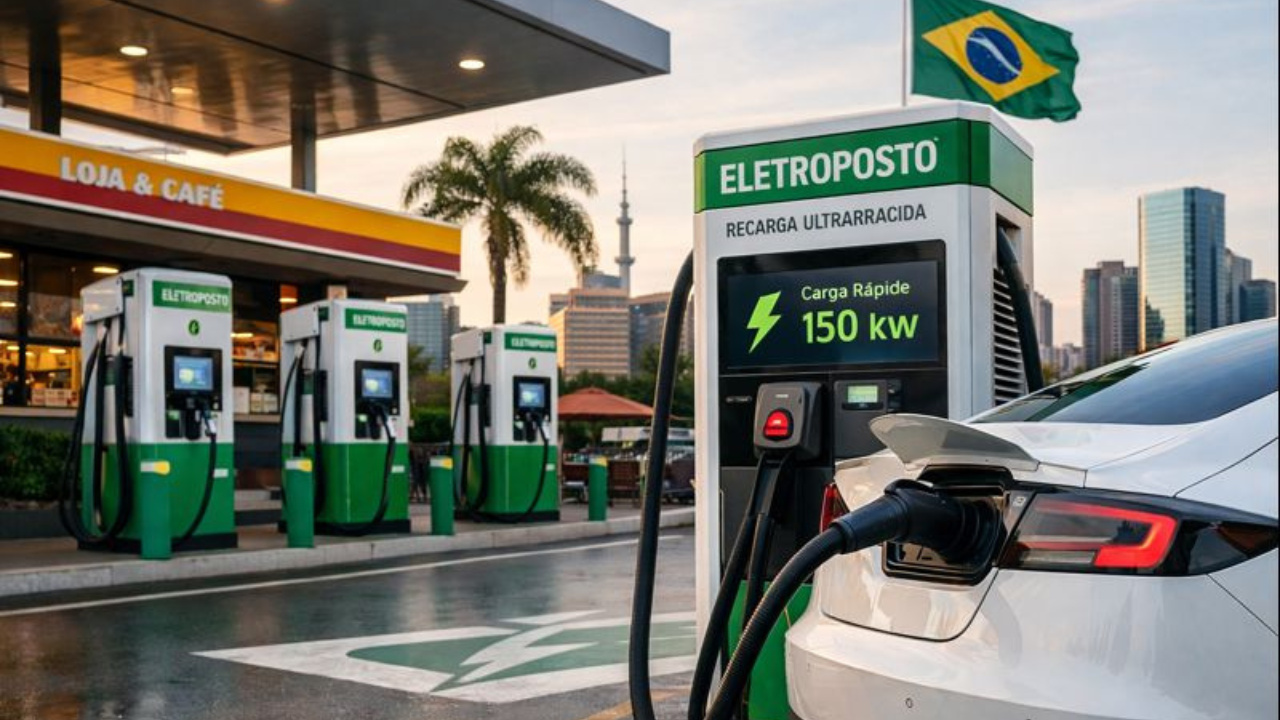
Expansion of Ultra-Fast Charging Stations Strengthens Charging Infrastructure and Accelerates Electric Mobility in Brazil.
The advancement of electromobility in the country is transforming the fuel sector and creating a new race for charging infrastructure, especially for ultra-fast charging, capable of meeting the rapid growth of electric mobility in Brazil.
Leading this movement is Eduardo Costa, founder of the Grupo Farroupilha, who launched the Esquina do Futuro, considered the first structured network of charging stations in the country.
The project arises at a decisive moment, when the number of electrified vehicles sold has more than doubled and is beginning to pressure private networks and government for quick, safe, and efficient solutions.
-
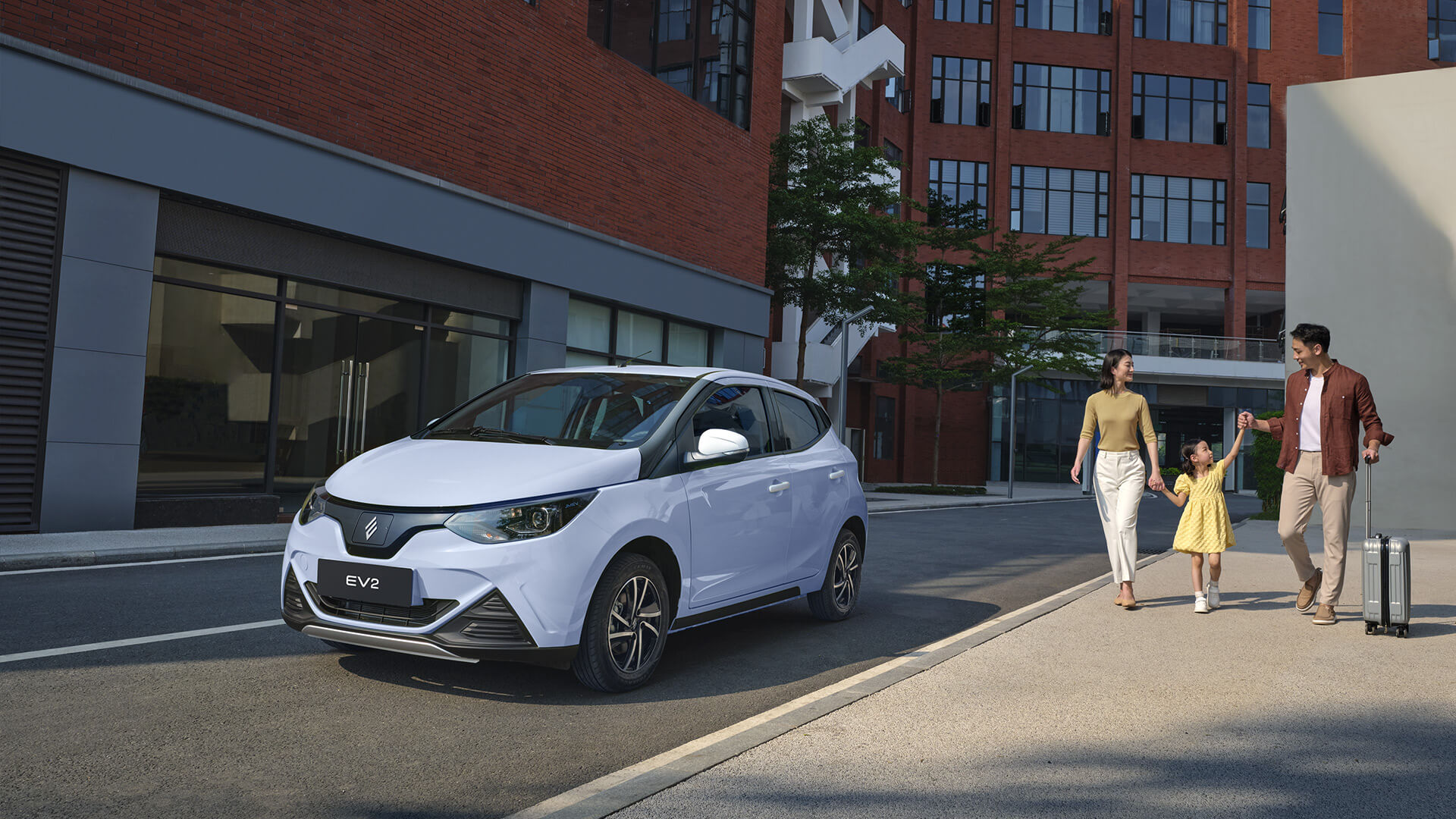
Goodbye expensive popular car: electric vehicle for less than R$ 70,000 starts being sold in Brazil with a range of 200 km and targets those looking to escape gasoline.
-
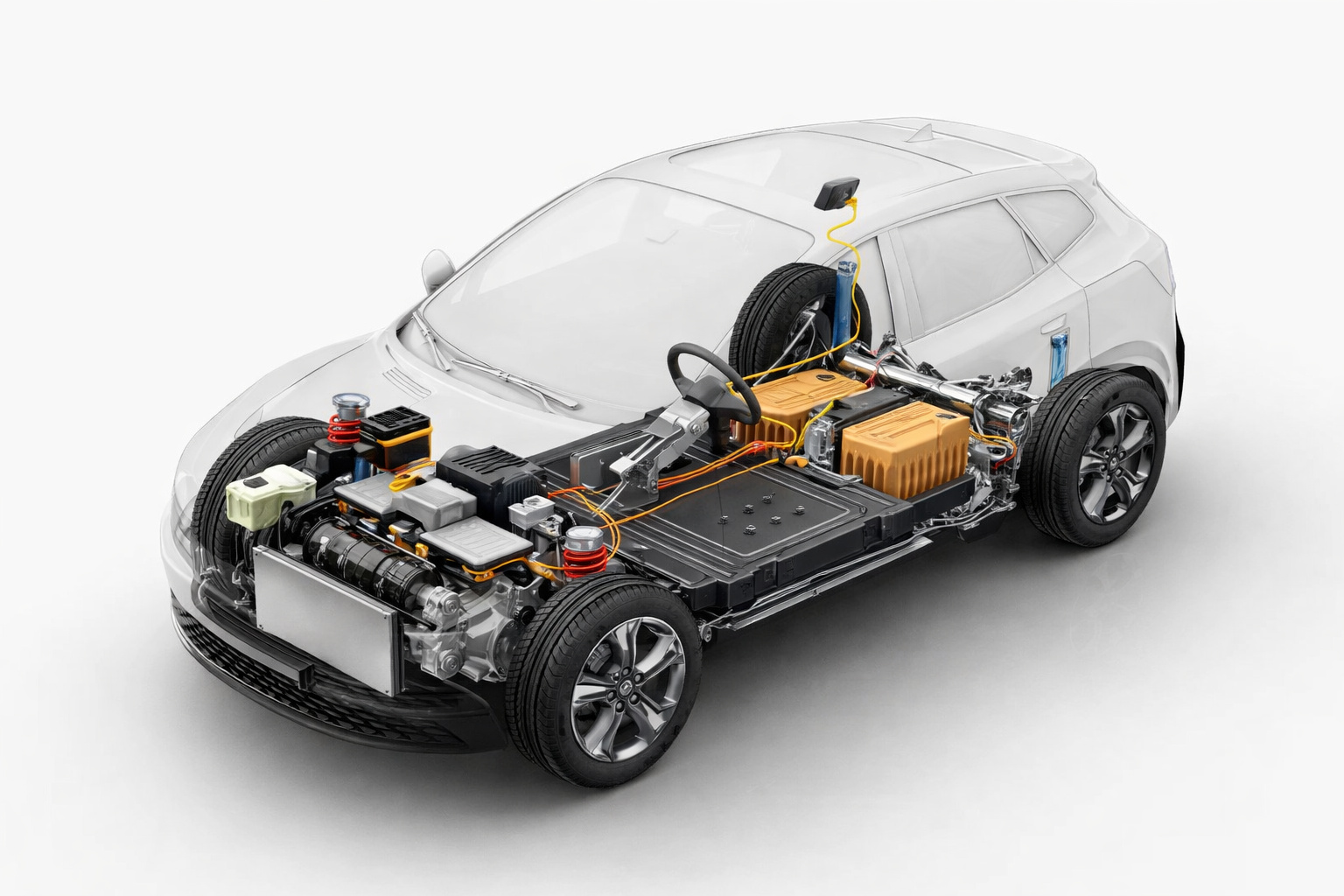
China Surprises Automotive Industry With Battery That Promises Electric Car Able to Run Up to 1,000 km Without Recharge
-
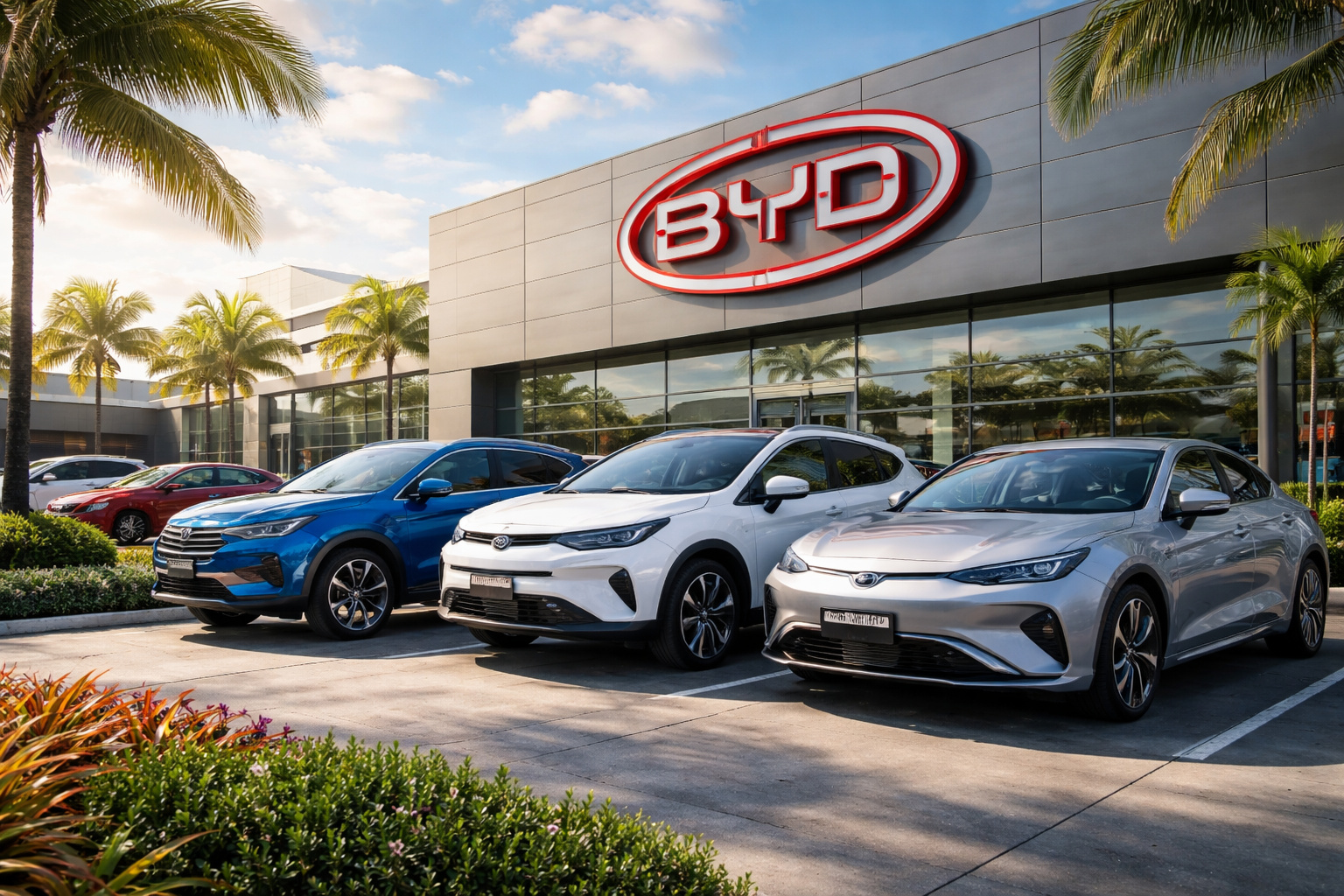
Why BYD Grew So Fast in Brazil and How Blade Batteries, Electric Cars, and Industrial Incentives Shaped This Expansion in the National Automotive Sector
-
Electric Cars Make Progress in Brazil in 2026 and Promise to Reduce Drivers’ Costs with Cheaper Energy, While Infrastructure Grows Slowly Across the Country
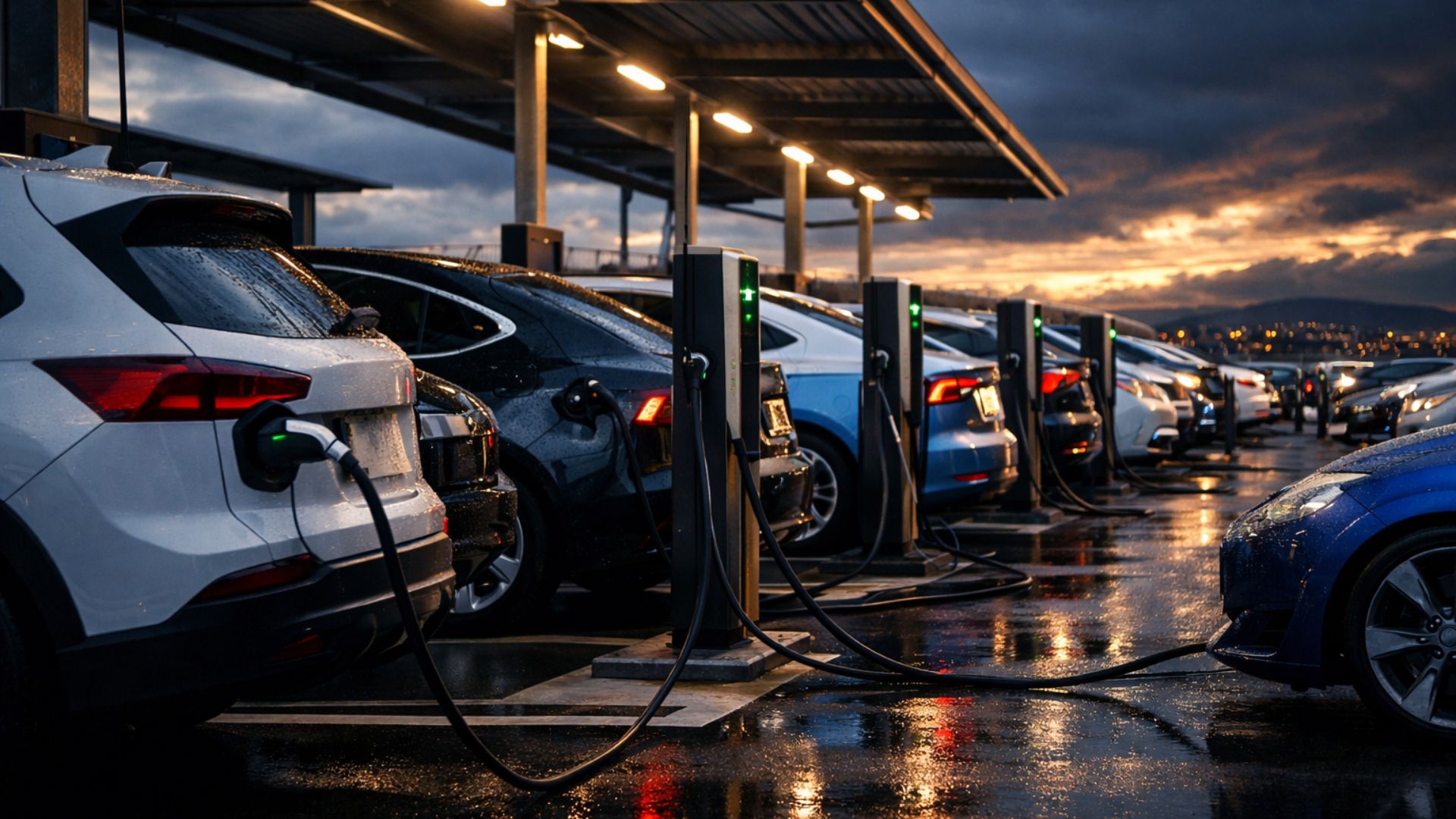

Electromobility in Brazil Enters a Decisive Phase
The electric mobility market in Brazil is at an inflection point.
In 2024, the country surpassed the mark of 150,000 electrified vehicles sold, and the projection for 2025 exceeds 330,000 units.
This rapid growth exposes a structural bottleneck: the lack of compatible charging infrastructure with the new demand.
Although Brazil already has more than 12,000 charging points, fewer than 3,000 offer ultra-fast charging, capable of refueling a vehicle in just a few minutes.
The majority still depends on slow charging, which can take up to 12 hours, limiting the user experience.
“Today, Brazil has over 12,000 charging points, but fewer than 3,000 are truly fast.
The rest is 6, 8, 12 hours of charging. That doesn’t solve anyone’s life,” says Eduardo Costa.
From Convenience Stores to Future Charging Stations
The entrepreneur’s journey helps to understand the logic of the new model.
As a teenager, Costa found a creative solution for a market blocked by the prohibition of cigarette advertising by transforming the point of sale into media within convenience stores. “They didn’t know where to spend.
I organized the space and sold the point of sale as media,” he recalls.
More than two decades later, the same logic guides the Esquina do Futuro.
Instead of betting only on quantity, the project focuses on charging stations with their own operations, a high standard of convenience, and ultra-fast charging, integrating coffee, restrooms, security, and human assistance.
By the end of 2025, the network is expected to exceed 50 units, expanding from Porto Alegre to surrounding cities, Novo Hamburgo, Maringá (PR), and later, São Paulo.
International Inspiration and the Role of Infrastructure
The idea took shape during the time Eduardo Costa lived in California, between 2014 and 2018. During this period, he closely followed what he calls the “turning point” of Tesla.
“They realized that just selling cars wasn’t enough. They needed to deliver infrastructure,” he states.
According to him, installing fast chargers in strategic locations, such as in the Nevada desert, showed that the charging infrastructure is as important as the vehicle.
This vision was brought to Brazil at an opportune moment when the electric fleet was still small but already pointed to rapid growth.
How the Esquina do Futuro Model Works
The Esquina do Futuro proposal stands out for three essential criteria: safety, convenience, and operational structure. Without these pillars, a point does not enter the network.
“No one wants to sit on the curb while the car charges. A charger without a bathroom, shelter, and security is a disservice,” says Costa.
Investment per unit can exceed R$ 10 million. Still, the return is already positive. “It’s paying off.
Better than I expected,” he states, highlighting that operational efficiency will be decisive when competition increases.
Competition Grows, but Bottleneck Remains
The number of charging stations in Brazil has grown explosively in recent years, driven by automakers, startups, and energy groups.
However, the difference between installing and operating has become evident over time.
“There are points with several abandoned chargers. It doesn’t help to install if no one takes care of it. This is critical infrastructure,” says the entrepreneur.
While part of the market bets on slow chargers in parking lots and supermarkets, the Esquina do Futuro seeks to serve an urban consumer who values speed, comfort, and experience.
Structural Challenges of Electric Mobility in Brazil
Despite the advancement of electromobility, the sector still faces significant obstacles. Among them are the lack of national regulation, the high cost of ultra-fast charging, limitations of the electrical grid, and maintenance failures.
It is estimated that up to 40% of public points are inoperative. Additionally, poorly made installations increase the risk of fires. “Safety is non-negotiable.
If there’s no specific extinguisher, you are putting lives at risk,” warns Costa.
Next Steps and Long-Term Vision
The Grupo Farroupilha, which generated over R$ 500 million in 2024, is already preparing the so-called “phase two” of Esquina do Futuro.
The strategy involves rural expansion, integration with renewable energy, and scalability.
“Today the profitability is good, but that will change. There will be a price war, and only those who know how to operate will survive,” he states.
In this scenario, electric mobility in Brazil ceases to be a promise and consolidates as a reality, requiring not only technology but also a charging infrastructure capable of supporting the future of electromobility.









Seja o primeiro a reagir!