





 Português
  Inglês
  Espanhol
  3 min de leitura
  0 comentários


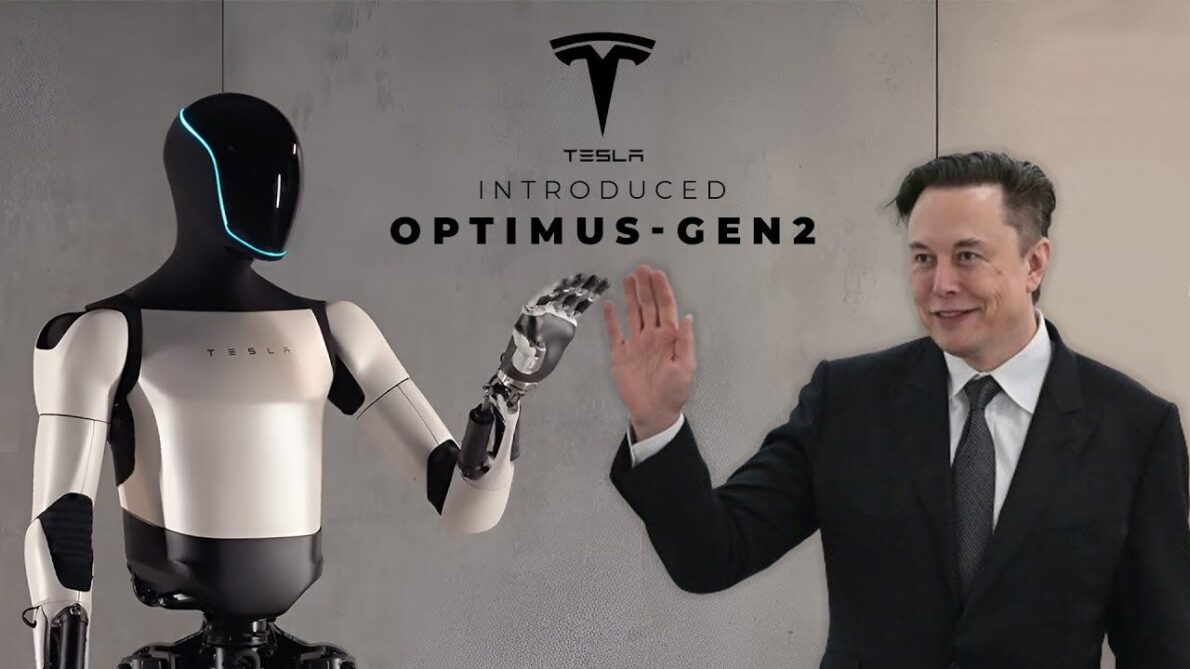
Elon Musk suggests that humanoid robots with artificial intelligence could revolutionize our lives soon, but are we really ready for it?
The recent announcement by Elon Musk on Twitter about the production of humanoid robots with artificial intelligence by Tesla in 2025 sparked heated discussions. The idea that we are seeing useful robots in our daily lives, similar to humans, is not new. However, the question remains: will we finally reach a turning point? Or is all of this just a hard-to-reach fantasy?
Tesla’s humanoid robot, called Optimus, is Elon Musk‘s latest step toward a future where humanoid robots with artificial intelligence become an integral part of our lives. These robots, designed to perform repetitive and dangerous tasks, have the potential to transform entire industries. Elon Musk claims that these robots will be “genuinely useful,” but to what extent can this promise become a reality?
Beyond Elon Musk’s Optimism, Getting humanoid robots with artificial intelligence to walk around is not easy
Although Elon Musk is optimistic, the challenges of creating humanoid robots with artificial intelligence that actually work in the real world are immense. The engineering needed to make these robots walk on uneven surfaces, manipulate objects of different shapes and sizes, and interact naturally with humans is extremely complex. So far, even with decades of research, these advancements have been limited.
-
A bright yellow mushroom imported from Asia escaped from a cultivation farm in the United States in 2010 and is now aggressively spreading across 25 states, destroying entire communities of native fungi in American forests.

-
Buried under China, a colossal machine weighing 20,000 tons began operating as the largest neutrino detector on the planet and, in just 59 days, surpassed results that science took half a century to achieve.

-
Iran enters the center of a climate alert after the war emitted 5.6 million tons of CO2 in two weeks, surpassing the annual pollution of entire countries.

-
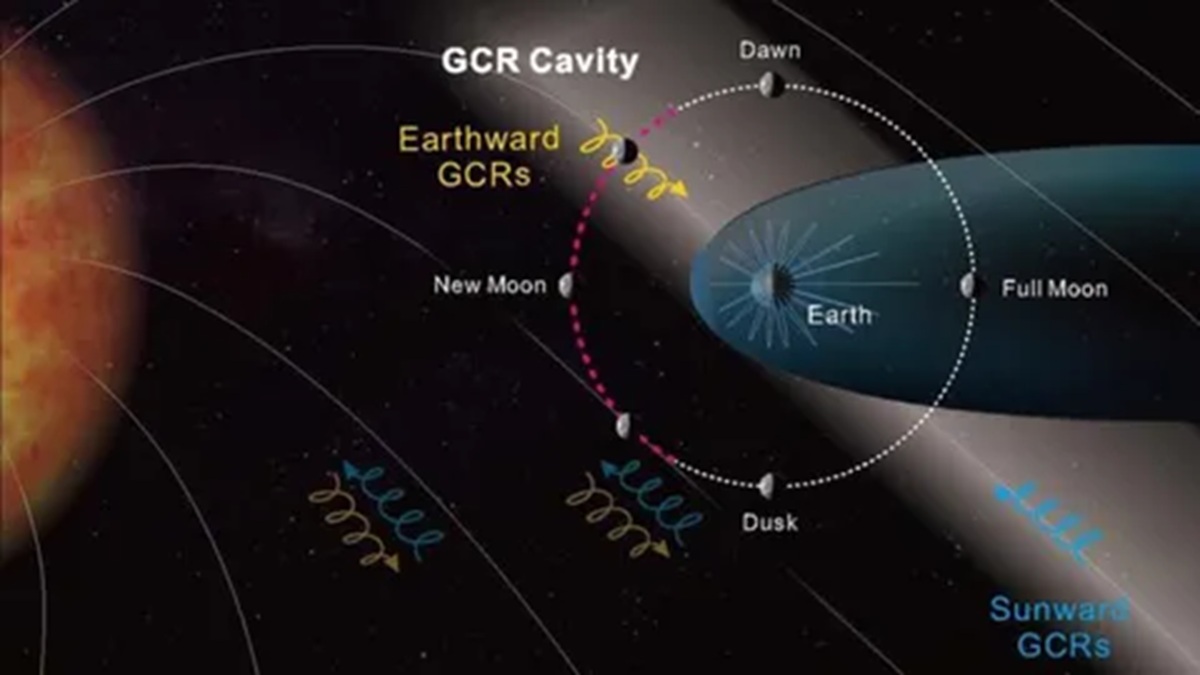
Lunar exploration may change after a Chinese probe finds a “cavity” of radiation that reduces the impact on astronauts by up to 20% at certain times on the Moon.

Optimus Is Not Alone in the Race
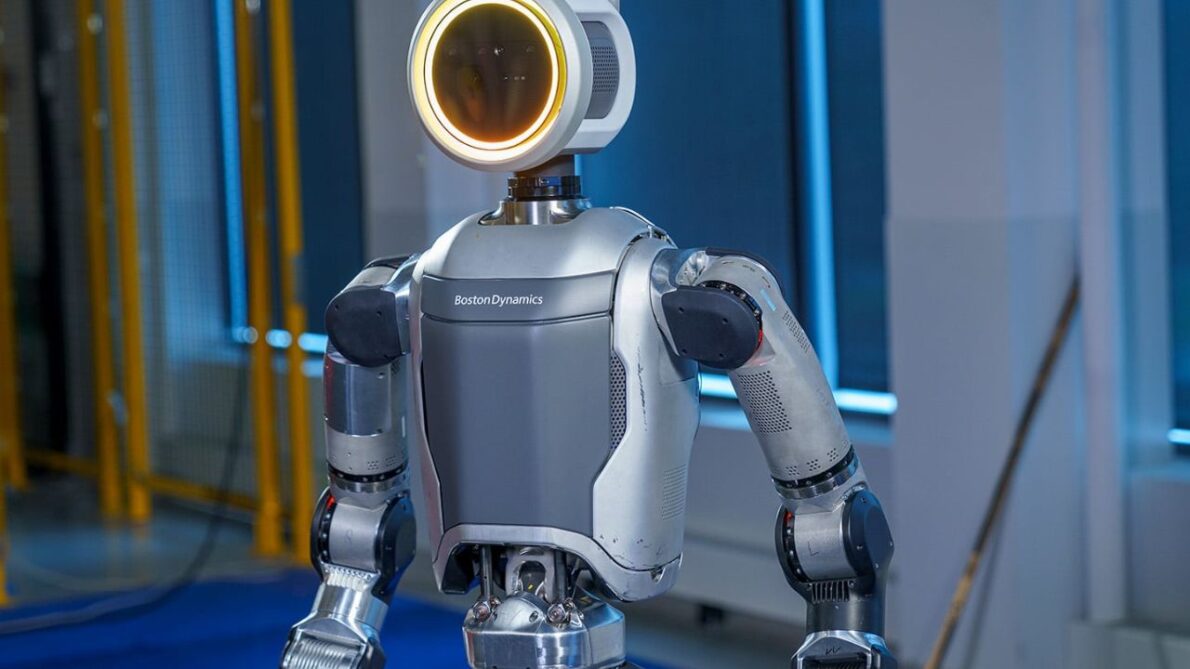
Other companies, such as Boston Dynamics and Sanctuary AI, are also heavily investing in humanoid robots with artificial intelligence, in addition to Tesla’s Optimus. Boston Dynamics’ Atlas robot, for instance, has already impressed with its athletic abilities, but it is still far from being a practical solution for everyday use. Meanwhile, companies like Shadow Robot are developing increasingly sophisticated robotic hands, but even so, they are still far from the dexterity of human hands.
Robots in Industry and Beyond
In the industrial environment, humanoid robots with artificial intelligence can replace humans in repetitive and dangerous tasks. But what about outside factories? There are supervisory roles in social assistance, helping to care for the elderly and people with disabilities, and even as tour guides. However, the use of these robots outside the industrial environment is still uncertain, especially when we consider the challenges of making them emotional, intelligent, and safe for use in public spaces.
Are We Creating Robots That Help Us?
Elon Musk and others’ obsession with humanoid shape in robots raises interesting questions. Do we really need our robots to look like us? Perhaps this fixation is rooted in a dystopian fantasy of creating versions of ourselves. But as we move in this direction, we should ask ourselves: are we creating robots that help us or merely perpetuate inequalities by demanding physical skills that many humans do not possess?
Elon Musk’s Vision
Elon Musk‘s vision of a world filled with humanoid robots with artificial intelligence is ambitious and fraught with technical and ethical challenges. Although the road ahead is still long and full of uncertainties, a simple attempt to reach this goal could lead to impressive innovations. Ultimately, the future of humanoid robots with artificial intelligence may not be exactly as we imagine, but the impact of these technologies will certainly be profound.
Elon Musk continues to push the limits of the possible, but will his futuristic visions become reality? The world waits, anxious and a bit skeptical, for what comes next.






-

Uma pessoa reagiu a isso.