





 Portuguese
  English
  Spanish
  2 min of reading
  0 comments


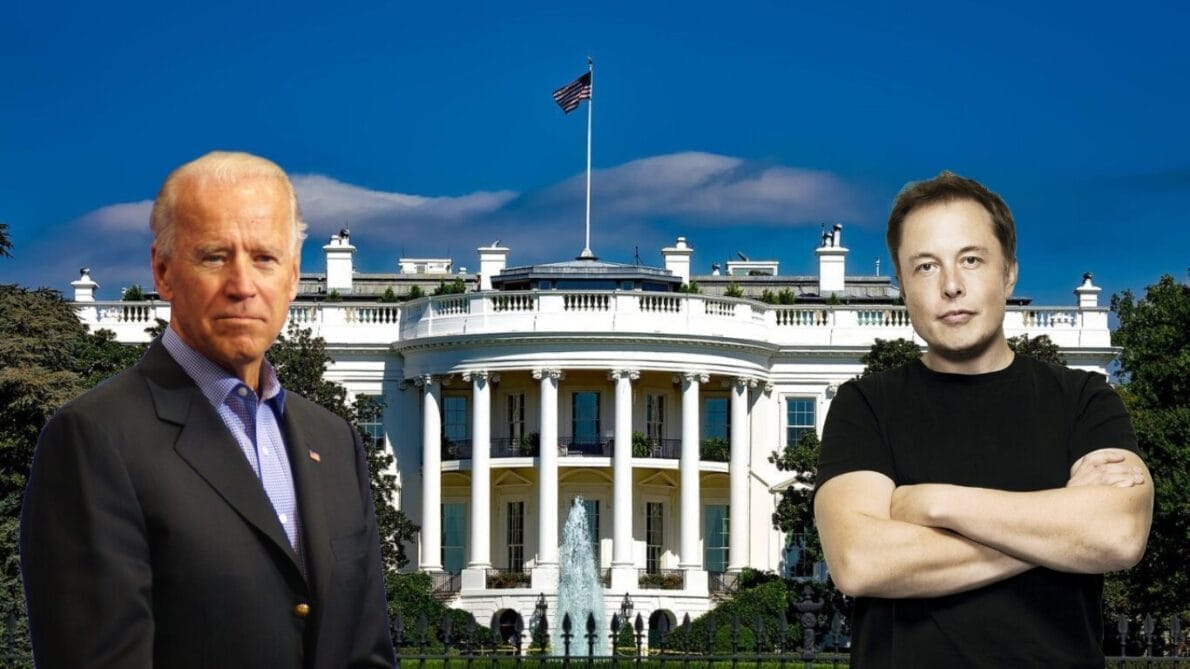
Change of Direction: Tesla Challenges White House Plans
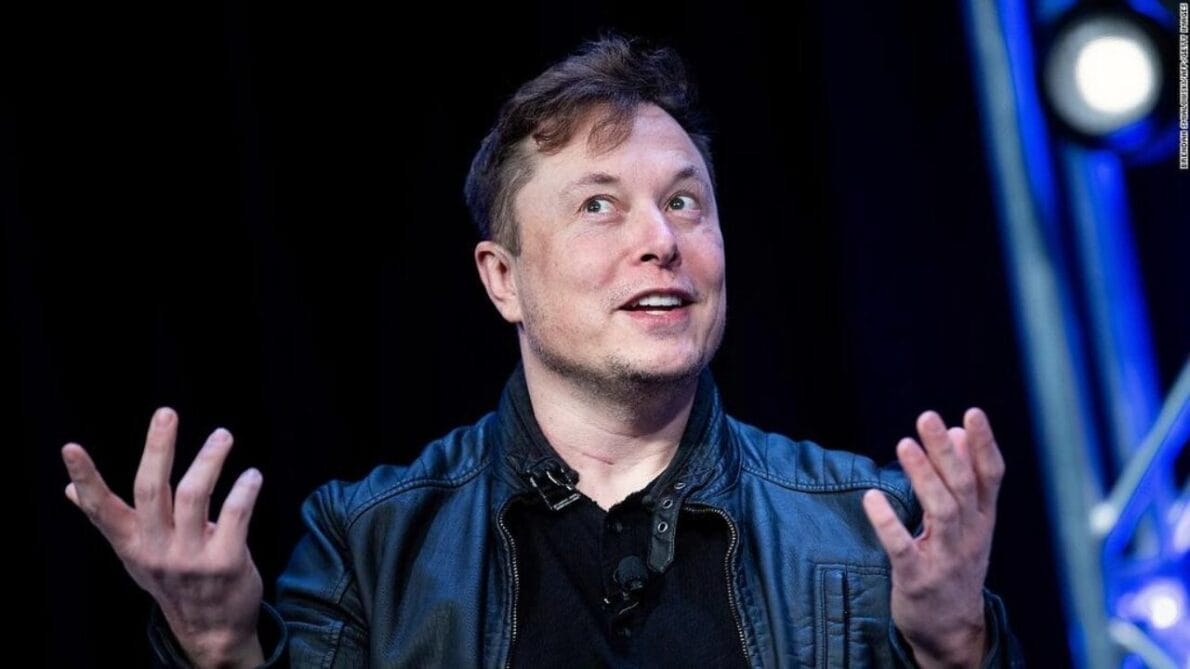
According to a financial column, in a surprising move, Elon Musk, CEO of Tesla, has rescinded a previously established agreement with the White House. This agreement was a milestone in the collaboration between the private sector and the U.S. government to promote electric vehicles (EVs). The revocation of the agreement by Tesla represents a significant blow to President Joe Biden’s electric vehicle agenda, which aimed to accelerate the energy transition in the United States.
Elon Musk, after previous meetings with the White House, surprised again by altering Tesla’s trajectory in the electric vehicle market. This turnaround, marked by a series of strategic layoffs, calls into question the collaboration between the private sector and the U.S. government. With this shift, Musk reinforces his vision of independence, while the Biden administration seeks to maintain momentum in the race for EV infrastructure.
The Agreement Rescinded by Elon Musk and Its Implications
Initially celebrated as a breakthrough in cooperation between Tesla and the U.S. government, the 2023 agreement aimed to share Tesla’s charging technology with other EV manufacturers. However, Elon Musk’s recent decision to withdraw from the agreement and the subsequent layoffs of key members of the Supercharger team, including Senior Director Rebecca Tinucci, signal an unexpected strategic shift.
-
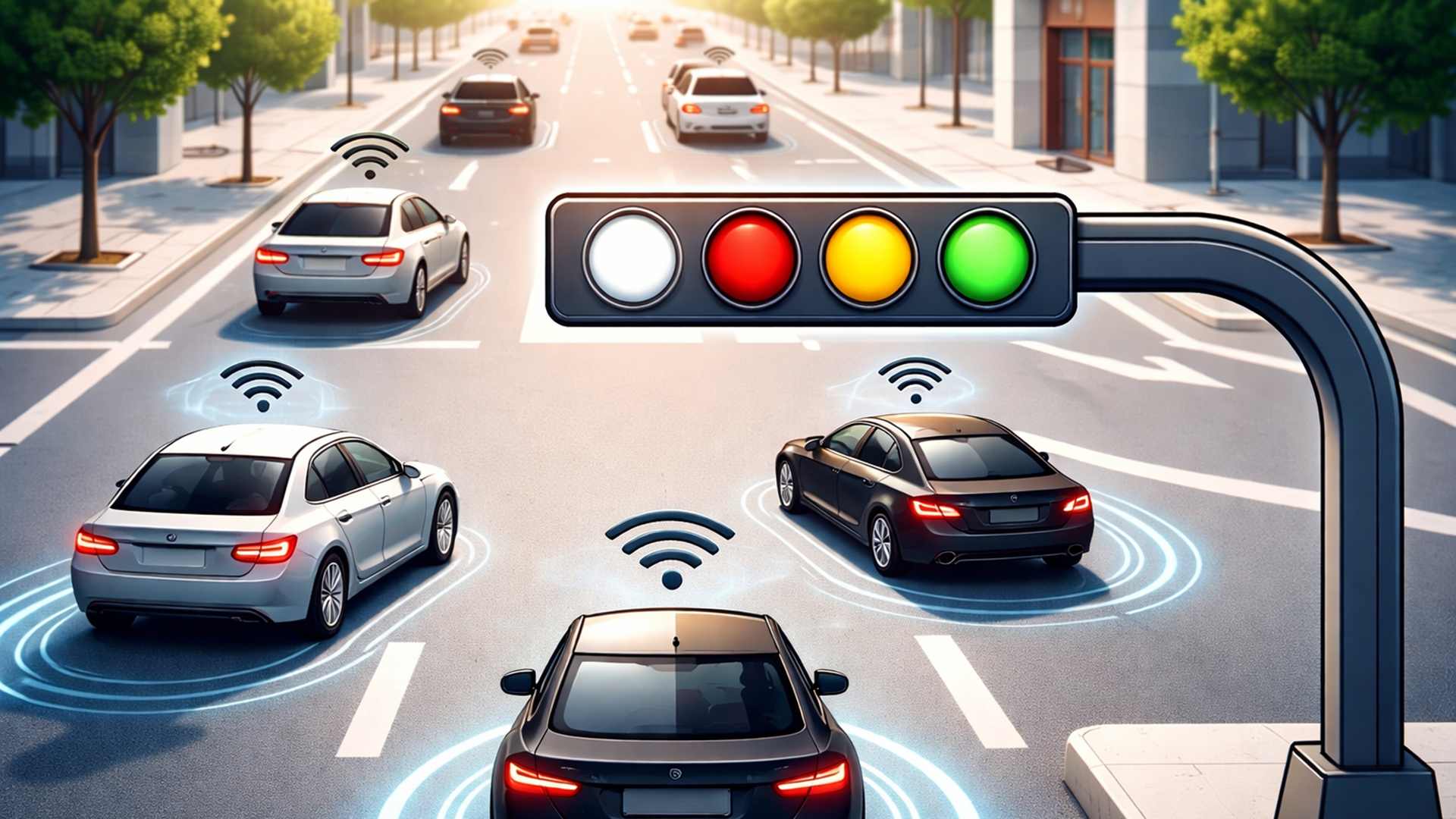
Engineers propose a fourth traffic light for intersections – the change promises to affect crossings, queues, and waiting times.
-
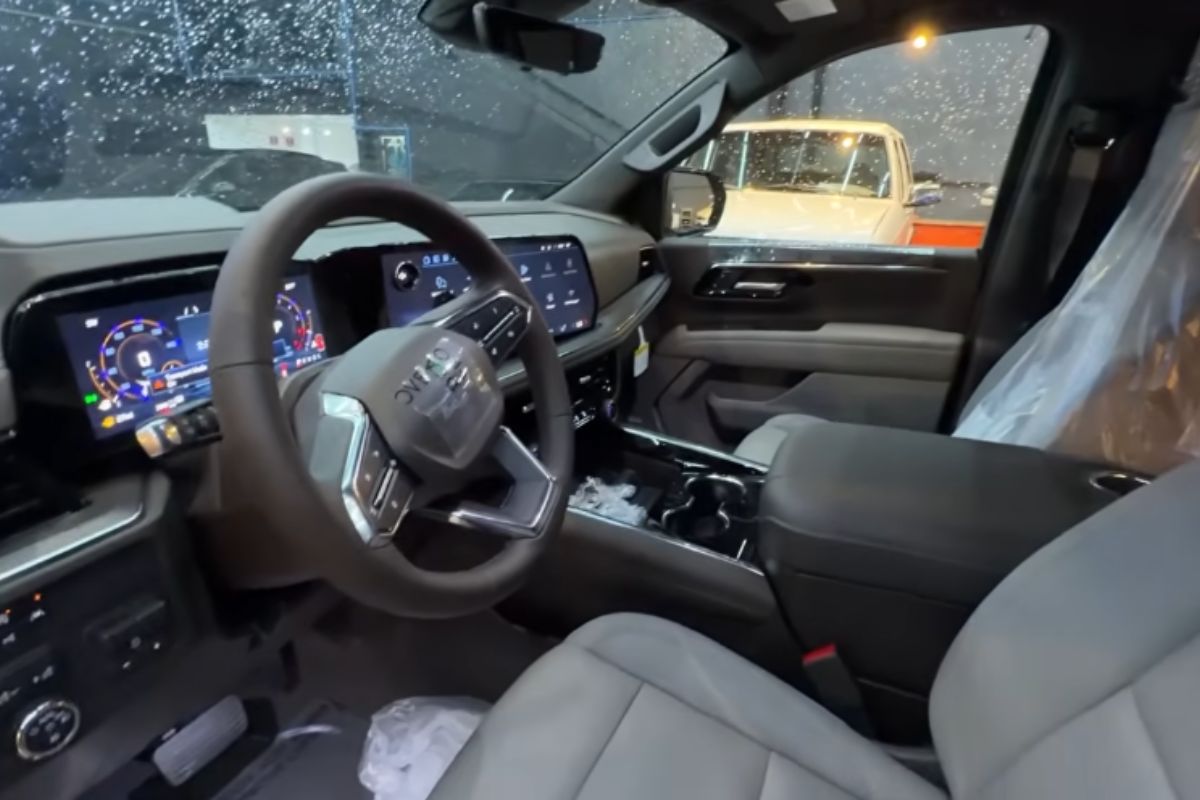
Chevrolet Suburban Z71 lands in Brazil with a V8 engine, off-road design, air suspension, seven seats, and colossal size, a rare version imported for around R$ 1.3 million with luxury and exclusivity.
-
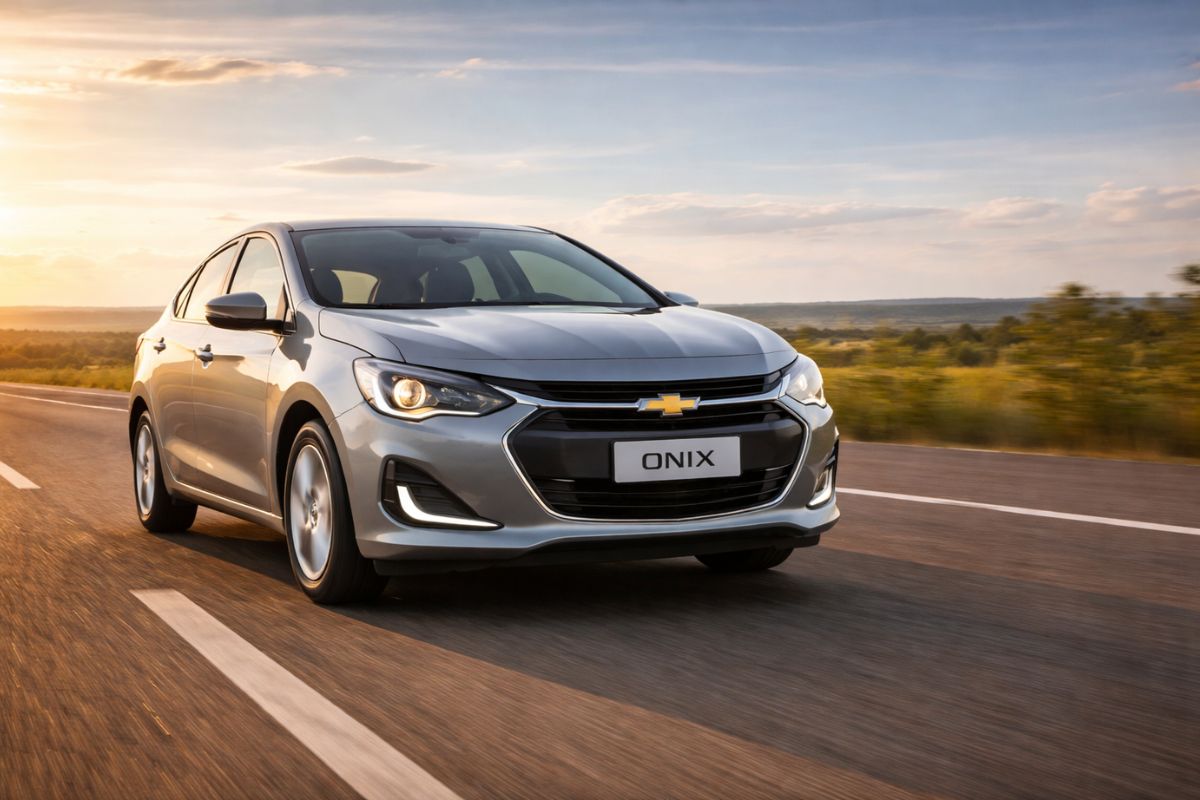
The Chevrolet Onix 1.0 turbo achieves 17.7 km per liter on the highway and ranks among the three most economical cars in Brazil in 2026, alongside two more expensive Toyota hybrids available at dealerships.
-
Little sister of the Hilux: Toyota launches Land Cruiser FJ with 4 radical versions, 2.7 engine with 166 hp and 4×4 traction with locking.

Political and Industrial Repercussions of Elon Musk
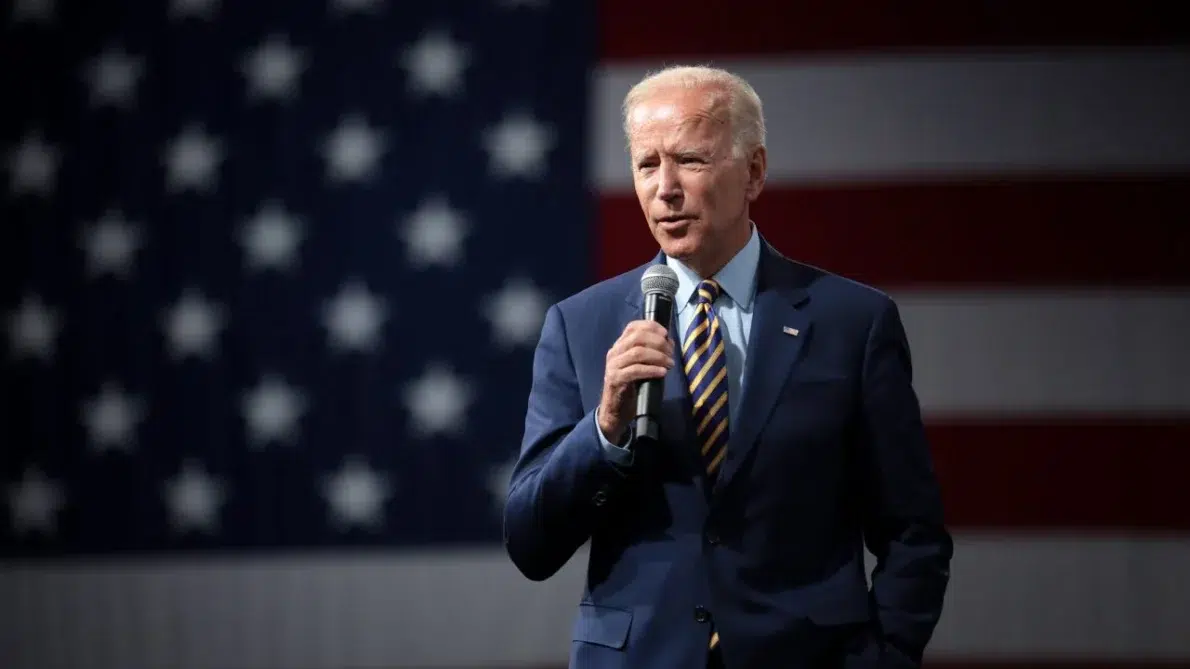
The White House, which had heavily invested in expanding the EV charger network, now faces a setback. Tesla’s course change not only challenges Biden’s goal of half a million chargers but also may influence the political landscape, intensifying criticism from figures like Donald Trump, who has already expressed his opposition to EVs.
The Future of EV Infrastructure in the U.S.
Despite Elon Musk’s firm stance on maximizing the efficiency of Tesla’s existing network, promising “100% Availability”, the decision brings uncertainties for other car manufacturers. But companies like General Motors, Ford Motor, and Rivian Automotive now face a more complex landscape at a crucial moment for the EV industry.
Therefore, Tesla has chosen an independent route, potentially altering the EV infrastructure landscape in the U.S. While the White House reaffirms its commitment to a diversified approach to EV charging, the automotive industry is closely watching Musk’s next moves and their implications for the market and American energy policy.








Seja o primeiro a reagir!