





 Português
  Inglês
  Espanhol
  4 min de leitura
  0 comentários


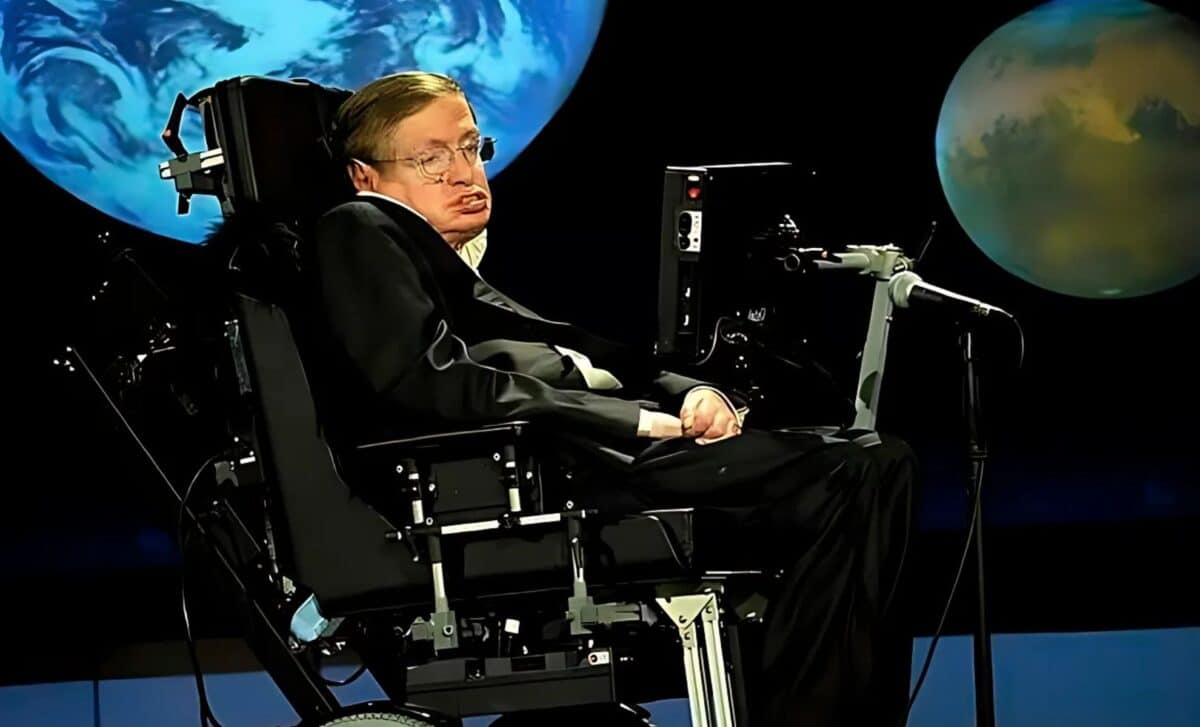
In 1995, Stephen Hawking imagined what the world would be like in 2025 — and surprised by accurately predicting trends like global internet, private space race, and the challenges of artificial intelligence.
Thirty years ago, in 1995, the theoretical physicist Stephen Hawking participated in the BBC program Tomorrow’s World. The focus was on the future.
Together with other scientists, Hawking tried to imagine what the world would be like in 2025. What seemed merely speculation today sounds almost like a precise description of reality.
Hawking’s presence on the program was not just symbolic. He contributed important predictions about technology, space, robotics, and artificial intelligence. Now, in 2025, many of those ideas have taken shape — others, not so much.
-
A bright yellow mushroom imported from Asia escaped from a cultivation farm in the United States in 2010 and is now aggressively spreading across 25 states, destroying entire communities of native fungi in American forests.

-
Buried under China, a colossal machine weighing 20,000 tons began operating as the largest neutrino detector on the planet and, in just 59 days, surpassed results that science took half a century to achieve.

-
Iran enters the center of a climate alert after the war emitted 5.6 million tons of CO2 in two weeks, surpassing the annual pollution of entire countries.

-
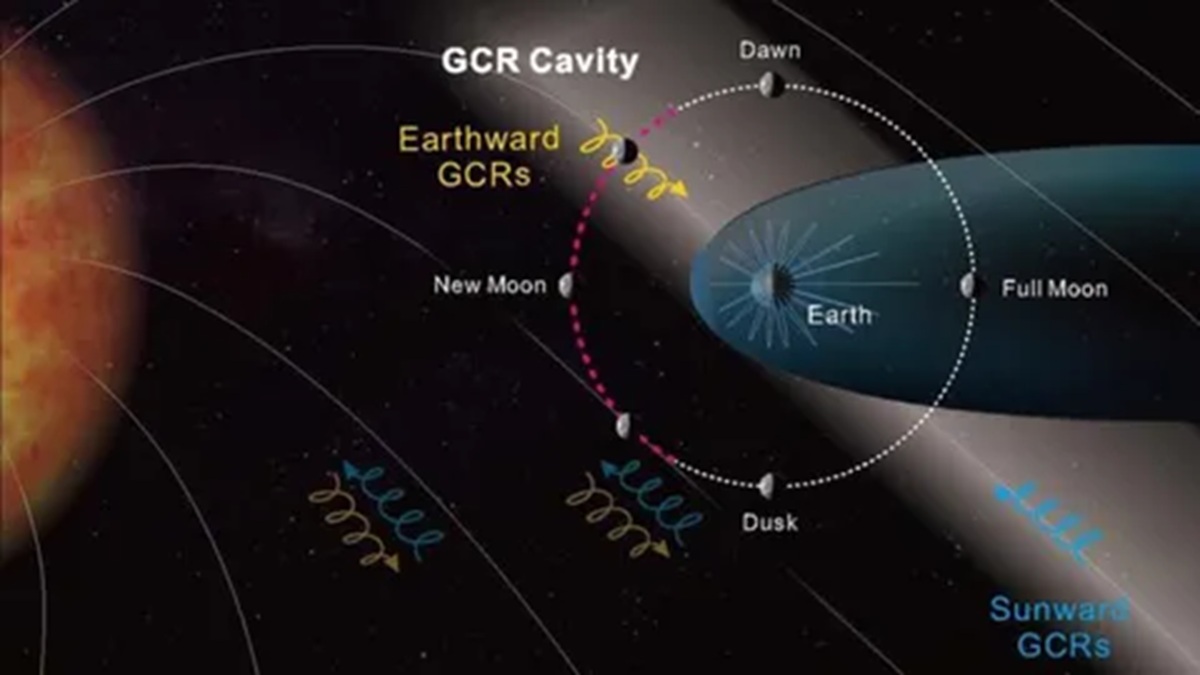
Lunar exploration may change after a Chinese probe finds a “cavity” of radiation that reduces the impact on astronauts by up to 20% at certain times on the Moon.

Vision Beyond Earth
During the program, Hawking stated that space exploration would no longer be restricted to governments. He predicted the entry of private companies into the sector.
At the time, this seemed distant. Today, however, names like SpaceX and Blue Origin dominate headlines. They invest heavily in space tourism, cargo delivery, and even plans for asteroid mining.
Hawking also warned about the risks of space debris. This happened long before the topic gained prominence.
Currently, there are over 100 million fragments orbiting the planet. These remnants of satellites and rockets pose a danger to crewed missions and operational equipment.
The world is already seeking solutions with automated networks and space cleaning technologies — exactly the type of prevention Hawking recommended.
The Digital Revolution and Artificial Intelligence
Another important prediction was about the digitalization of life. Hawking believed there would be a “global internet” connecting people on an unprecedented scale.
Today, this is a reality. The global internet shapes not just communication but also work, consumption, education, and entertainment.
With smartphones, social networks, and cloud storage, daily life is more digital than ever.
He also spoke about artificial intelligence. According to him, AI would be at the center of changes. This has been confirmed. The technology is already used in hospitals, schools, companies, and even in art.
Algorithms assist in medical diagnoses, personalize education, and generate images, videos, and texts with impressive quality.
But Hawking also left a warning. He cautioned that AI, without regulation, could evolve beyond human control. In 2025, this debate is more urgent than ever.
The growth of generative AI reignites concerns about responsibility, ethical boundaries, and social impact.
Robots at Home and in Surgery
Hawking also envisioned robots at home. In his prediction, they would be part of daily life. This idea has materialized. Today, robots clean houses, control lights, and even keep elderly people company. In hospitals, robotic arms perform surgeries with high precision.
Home automation, mentioned by Hawking, is now common with systems like Alexa, Google Assistant, and smart home ecosystems.
Another point he noted was the possibility of chips implanted under the skin. These devices, according to his vision, could replace bank cards or documents. This technology exists, but it is still minimally used. Widespread adoption has not occurred. There are tests and studies, but usage remains limited.
Hawking also imagined super-fast space travel. However, this idea has not moved beyond the theoretical realm. Despite studies, the engineering for it is still far off.
What the Future Got Wrong
Other participants in the program also made predictions. Not all came true. One example was the idea that the internet would become dominated by banks and corporations. They predicted that access would be limited and controlled. The reality turned out to be different.
The internet became more open, allowing anyone to publish, share, and communicate globally.
This mistake shows that predicting the future is not an easy task. Even great minds can lose their way. But it also reinforces Hawking’s merit.
Even when he was wrong, his approach was grounded. He combined science with imagination, avoiding exaggeration.
A Legacy of Precision and Warning
Despite the mistakes of some experts, Stephen Hawking‘s predictions stand out. He accurately predicted the growth of AI, the central role of the internet, and the entry of companies into space. He also rightly foresaw that technological advancement would bring ethical challenges and risks.
His vision from 1995 for 2025 was more than speculative. It was an exercise in applying science to the future. And, 30 years later, many of these ideas have been confirmed.
They continue to serve as a foundation for us to reflect on the next steps. After all, as he himself warned, it is not enough to predict the future. It is essential to shape it responsibly.






Seja o primeiro a reagir!