





 Portuguese
  English
  Spanish
 3 min of reading


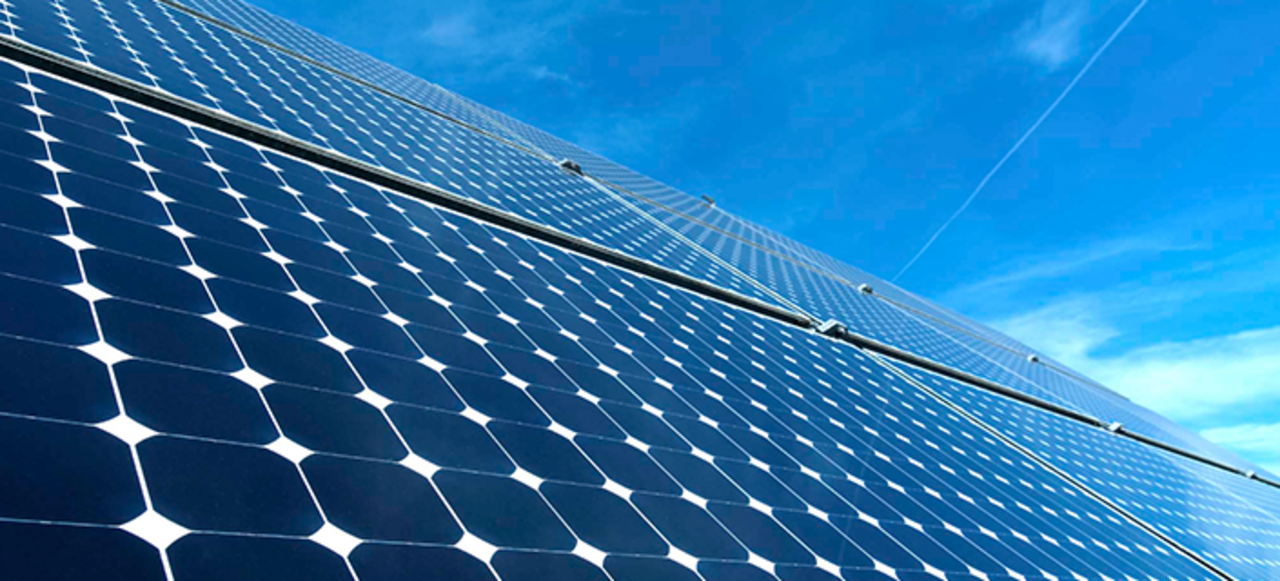
The Year 2021 Will Start Very Well For The State Of Paraná, Government Buildings Will Produce Their Own Electricity Through Solar Panels
With the aim of improving the energy matrix of the state of Paraná, more than 200 state buildings will be able to generate their own electricity through solar panel technology; this pioneering project in Brazil has already become the second largest in the world.
Read Also
246 Buildings and Over 300 Solar Panels in Paraná
The Paraná project for public buildings to generate their own electricity through solar panels is still pioneering here in Brazil, but has already become one of the largest in scope worldwide until now.
The electricity project will benefit more than 200 public schools in Paraná; this renewable energy project is the result of a partnership among Copel, Paranacidade (an agency of the State Secretary for Urban Development and Public Works), Fomento Paraná, and Green Building Council Brazil (GBC Brazil).
-
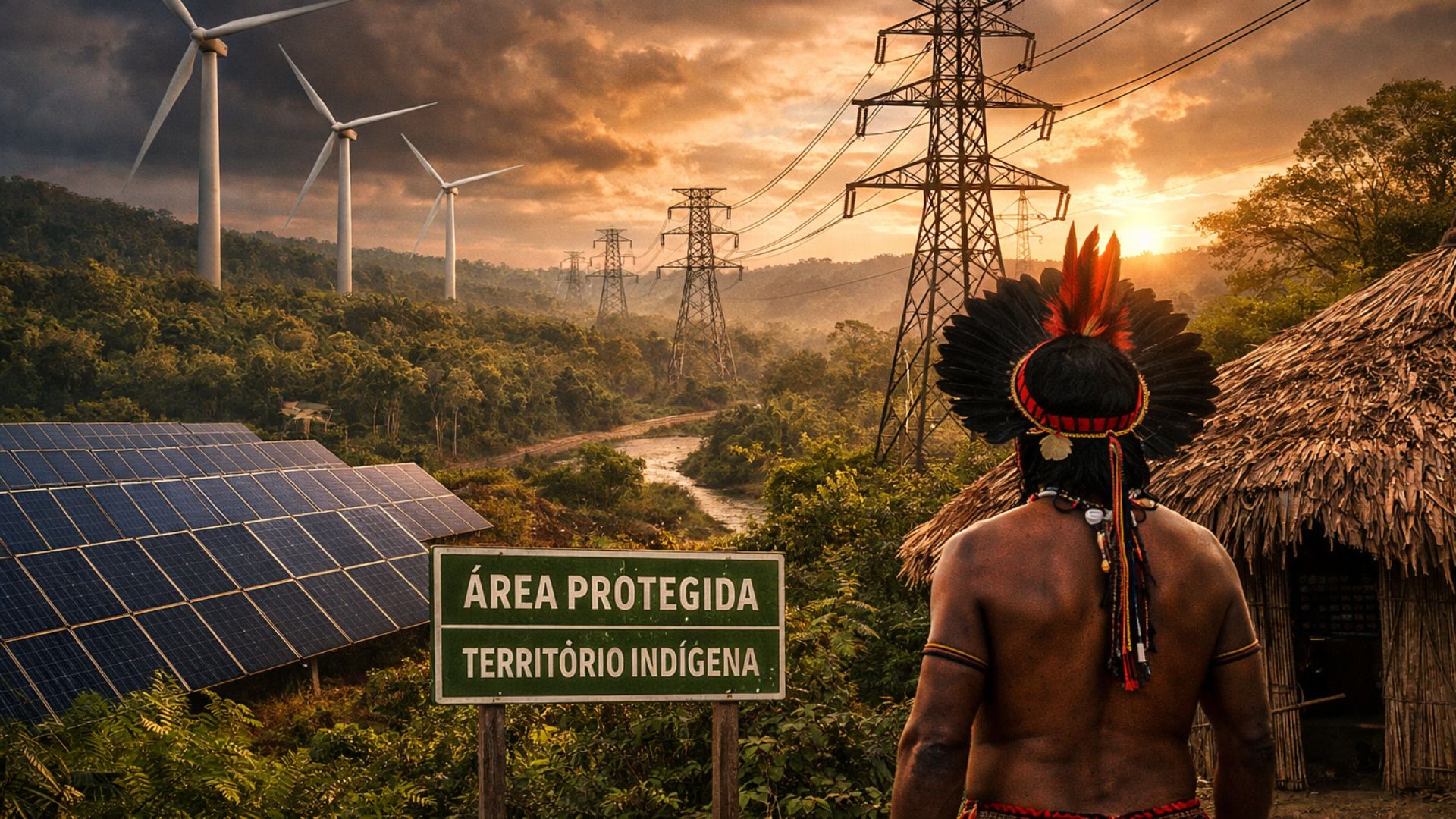
Renewable energy advances over protected areas in Brazil, and a survey by the Energy Transition Observatory reveals silent impacts that challenge environmental conservation and pressure sensitive traditional territories.
-
Rio Grande do Sul accelerates energy transition: State invests in renewable technologies and consolidates decarbonization strategies and pathways to attract billions in new industrial investments.

-
With 160,000 m² of collectors, an area larger than 20 football fields, Silkeborg, in Denmark, hosts a solar thermal plant that heats 19,500 homes and could become the largest solar heating plant in the world.

-
A study reveals the expansion of renewable energy procurement in Brazil and shows how companies are taking advantage of opportunities to reduce expenses, ensure energy efficiency, and strengthen strategic environmental commitments.


Zero Energy Concept and Many Solar Panels to Generate Electricity
The lack of adequate rainfall in Paraná experienced in recent months, besides harming water supply, puts electricity generation at risk. This growing concern is driving the search for sustainable solutions for both water storage and renewable energy, and zero energy, with solar panels potentially helping in this regard.
The zero energy concept utilizing solar panels is gaining momentum in the renewable energy landscape to the point of becoming a research topic at Brazilian universities such as the Federal University of Santa Catarina and Unicamp, which seek to develop technologies capable of making the production and consumption of this type of energy more efficient.
The Future of Civil Construction Is in Zero Energy
For researchers from renowned universities, such as the University of Florida, zero energy is the future of civil construction and a trend that is set to become the norm. The United States, Japan, and some European countries already have legislation mandating that, starting in 2020, public buildings must become zero energy.
The CEO of GBC Brazil, Felipe Faria, highlighted that the Paraná electricity project stands out for uniting different institutions that approach energy efficiency in a global way. “The highlight is the mastery with which the project addresses energy efficiency, starting with a diagnosis before moving to energy production. The buildings will operate more efficiently before then moving on to generation,” he said.









Seja o primeiro a reagir!