





 Portuguese
  English
  Spanish
  6 min of reading
  0 comments


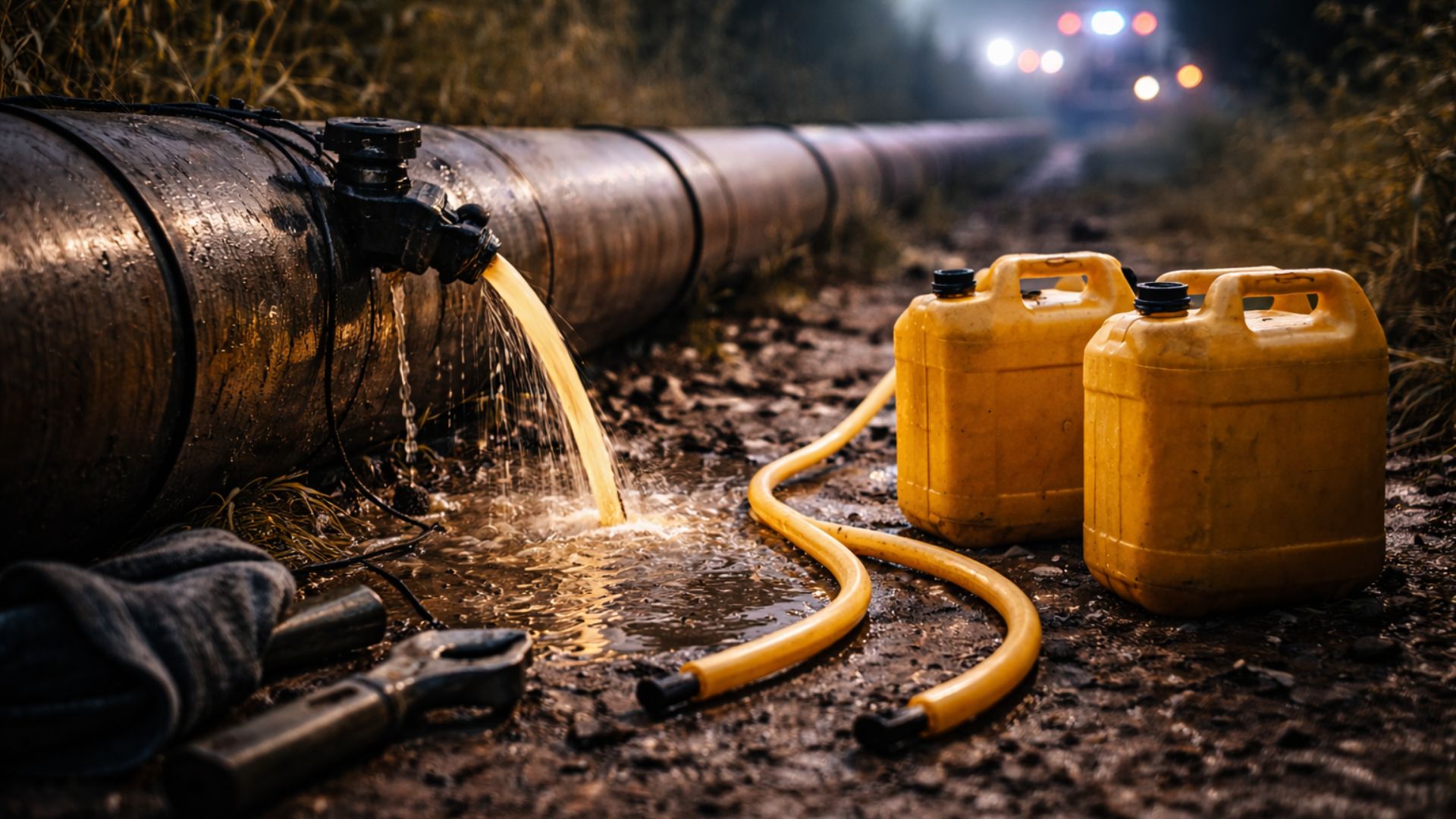
Increase in Fuel Theft Cases in Pipelines Operated by Transpetro Triggers Alert in São Paulo, Raising Risks to Security, the Environment, and Energy Supply in 2025.
After six consecutive years of decline, fuel theft in strategic infrastructures increased again in 2025, according to official data released by Transpetro. According to a report published by G1 and other outlets on Wednesday (14), the increase in occurrences interrupts a positive trend of reduction and reignites concerns about the safety of the population, environmental protection, and the guarantee of energy supply, especially in regions with high urban density.
Transpetro Alerts to Risks of Fuel Theft in Strategic Pipelines
According to the company, 31 occurrences of theft and attempted theft in pipelines were reported in 2025, compared to 25 cases recorded in 2024. Although the number is still far from the peak of 2018, when there were 261 reports, the resumption of growth represents a significant warning sign for the energy and logistics sector. The state of São Paulo accounted for more than 70% of occurrences, establishing itself as the main focus of this type of crime in the country.
Transpetro, responsible for about 8,500 kilometers of pipelines across all regions of Brazil, highlighted that the increase in fuel theft in 2025 goes beyond a singular statistic. This is a serious crime, with the potential to cause fatal accidents, environmental damage, and interruptions in supply, directly affecting essential services.
-
Brazilian giant expands borders in the Southeast: Petrobras confirms new oil discovery in ultra-deep waters in the pre-salt of the Campos Basin.

-
Alert in the global energy market: Severe tropical cyclone hits the coast and disrupts gas production at major plants in Australia, threatening global supply.

-
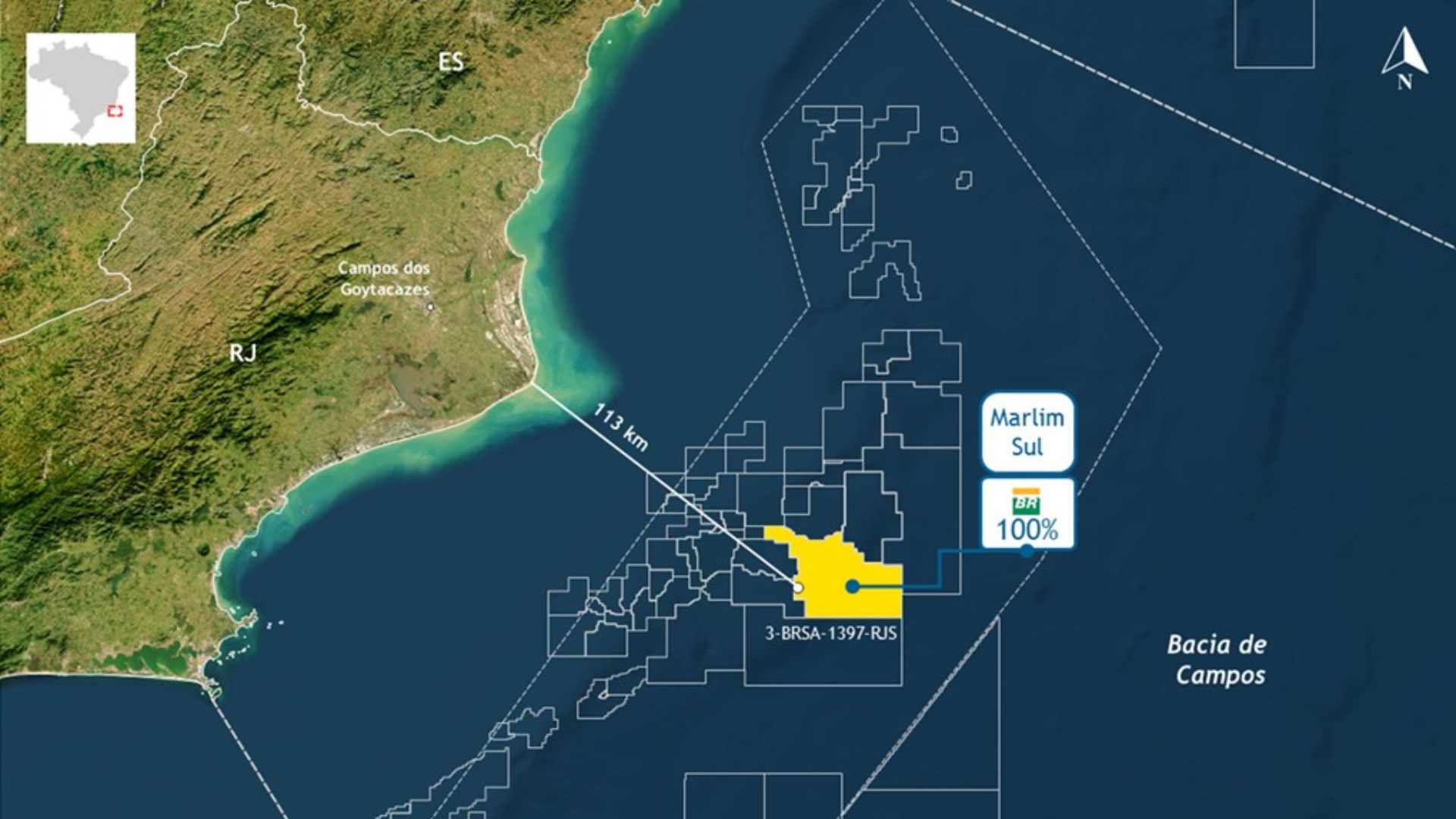
Petrobras finds high-quality oil in the pre-salt at 113 km from RJ and reignites expectations about strategic reserves in the Campos Basin.

-
Ocyan opens registrations for startups focused on innovation in the oil and gas sector and will select projects for Innovation Day with the support of Nexio.

Since 2018, the company had been recording successive declines in occurrences, achieving an accumulated reduction of nearly 90% by 2024. This performance was the result of continuous investments in monitoring, technology, and integration with public authorities. The reversal of the trend, even if moderate, interrupts a virtuous cycle of prevention.
According to the company’s president, Sérgio Bacci, even with annual investments of about R$ 100 million in preventive actions, the current scenario demonstrates the need for institutional reinforcement and tightening of legislation to discourage criminal practices.
São Paulo Concentrates the Majority of Fuel Theft Cases in 2025
The state of São Paulo has again taken a central position in the map of fuel theft in Brazil. In 2025, 22 cases were recorded, compared to 17 in 2024 and 16 in 2023. The data indicates a continuous growth trajectory of criminal activity, which worries experts and authorities in the energy sector.
According to Transpetro, the increase in occurrences in São Paulo should not be interpreted as an isolated event. The state has the largest pipeline network in the country, as well as high capillarity, proximity to urban centers, and a robust consumer market, which facilitates the quick absorption of the stolen product.
The dense logistical and road infrastructure also contributes to clandestine trafficking, making the region especially vulnerable to this type of crime. In this context, the problem assumes a structural character and requires permanent actions.

Other States Affected by Crimes in Transpetro Pipelines
In addition to São Paulo, other states also saw an increase in the number of occurrences in 2025. Minas Gerais went from one occurrence in 2024 to six reports the following year, while Goiás recorded one case. Both states are traversed by the São Paulo–Brasília Pipeline (OSBRA), considered strategic for the flow of petroleum derivatives.
This data reinforces that fuel theft in pipelines is not a localized problem, but a challenge associated with the main logistics corridors in the country. Any interruption in these systems can generate chain impacts, compromising regional supply and raising operational risks.
In contrast, Rio de Janeiro showed a significant reduction over the past few years. From 13 occurrences in 2020, the state fell to just one in 2025, a result attributed to the effective integration between Transpetro and public security agencies, along with the intensive use of technology.
Impacts of Fuel Theft on Security and the Environment
Fuel theft represents a direct risk to human life and the environment. Clandestine derivations in pipelines can cause leaks, explosions, fires, and soil and water contamination, especially when they occur in urban areas or near communities.
Additionally, there are significant impacts on supply. A single occurrence can compromise the supply of essential fuels, affecting hospitals, airports, ports, and transportation systems. Transpetro emphasizes that the population often underestimates these risks, treating the crime merely as a property issue. In practice, it is a threat to national energy security, with large-scale economic, social, and environmental repercussions.
Integrated Strategy of Transpetro Against Fuel Theft
To address the increase in occurrences, Transpetro stated that it will continue investing, starting in 2026, in an integrated strategy based on three pillars. The first involves technology and intelligence, with advanced monitoring systems and the use of artificial intelligence to identify attempts of fuel theft in real time.
The second pillar is the joint action with public security agencies, Public Prosecutors, and regulatory bodies. The company supports investigations, participates in operations, and acts as an assistant in criminal proceedings related to this type of crime.
The third axis is the permanent relationship with communities near the pipeline strips, considered essential for prevention and quick identification of suspicious activities.
24-Hour Monitoring and Use of Artificial Intelligence in Pipelines
The operations of Transpetro are monitored 24 hours a day by the National Control and Logistics Center and the Pipeline Protection Control Center, both located in Rio de Janeiro. These structures allow for rapid response to any detected anomaly, reducing response time and potential damage.
The use of artificial intelligence has enhanced the capacity to analyze operational data, cross-referencing real-time information and historical occurrences. This technological approach is considered one of the most advanced in the sector, although the increase in cases in São Paulo shows that the challenge remains complex.
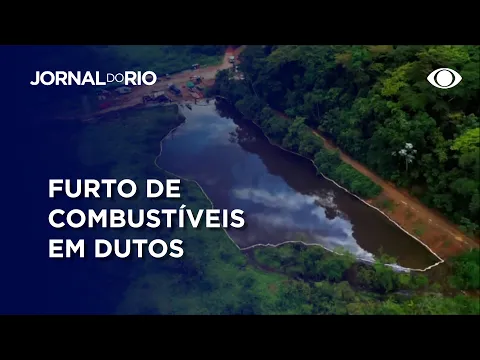

Social and Community Investments in Pipeline Areas
In 2025, the company invested approximately R$ 19 million in community projects, educational actions, and environmental initiatives in areas near the pipelines. These actions aim to reduce social vulnerabilities and strengthen ties with local communities.
The company also encourages anonymous reports through the phone number 168 and promotes educational campaigns about the risks of fuel theft. Informed and engaged communities are strategic allies in protecting infrastructure, contributing to collective security.
Strategic Importance of Pipeline Transport Operated by Transpetro
According to Transpetro, around 650 billion liters of oil, derivatives, and biofuels are transported annually through its pipelines. This mode significantly reduces road traffic and avoids 99.5% of greenhouse gas emissions compared to truck transport.
This is an essential operation for logistical efficiency, energy security, and environmental sustainability in Brazil. Any threat to this system, such as fuel theft, represents an economic and environmental setback.
What the Increase in Fuel Theft Reveals About the Future of the Sector
The rise in cases in 2025 shows that the problem requires constant vigilance and structured actions, especially in São Paulo, where the concentration of pipelines and urban complexity amplify the challenges. Recent experiences demonstrate that reduction is possible, but it depends on continuous investments, institutional integration, and social participation.
Protecting Transpetro’s infrastructure means protecting lives, the environment, and national supply. Strengthening partnerships with public authorities, the intensive use of technology, and improving the legal framework will be crucial in containing the advance of fuel theft and ensuring the country’s energy security in the coming years.








Seja o primeiro a reagir!