





 Português
  Inglês
  Espanhol
  3 min de leitura
  0 comentários


Units of the Group located in Mato Grosso are responsible for ensuring the quality of 76% of the commodity produced in the state, which represents more than half of the country’s production.
São Paulo, May 2024 – A leader in Testing, Inspection and Certification (TIC), Bureau Veritas inspected about 8 million cotton samples in just six months of operation with the five fiber analysis laboratories. Located in Mato Grosso, the units respond to the increased demand generated by the high productivity of cotton growers in the region and feature the most modern High Volume Instrument (HVI) technology to ensure compliance with international standards and classify the quality level of the commodity. The growth expectation for the 2023|2024 Cotton Harvest is an increase of almost 12% compared to the previous one.
“Brazil is the third largest cotton producer in the world, and Bureau Veritas inspects more than half of the Brazilian production. Our analyses validate and certify all the work of the cotton grower in conducting their farming, directly impacting their market value by ensuring compliance with high-standard parameters for investors,” says Guilherme Cauduro, director of Agribusiness, Food & Commodities at Bureau Veritas.
-
Alone, the producer applies 7,400 hectares with the T100 drone in an optimized structure, replaces the generator with a silent battery, and demonstrates how technology reduces costs, increases productivity, and even challenges the uniport in the field.

-
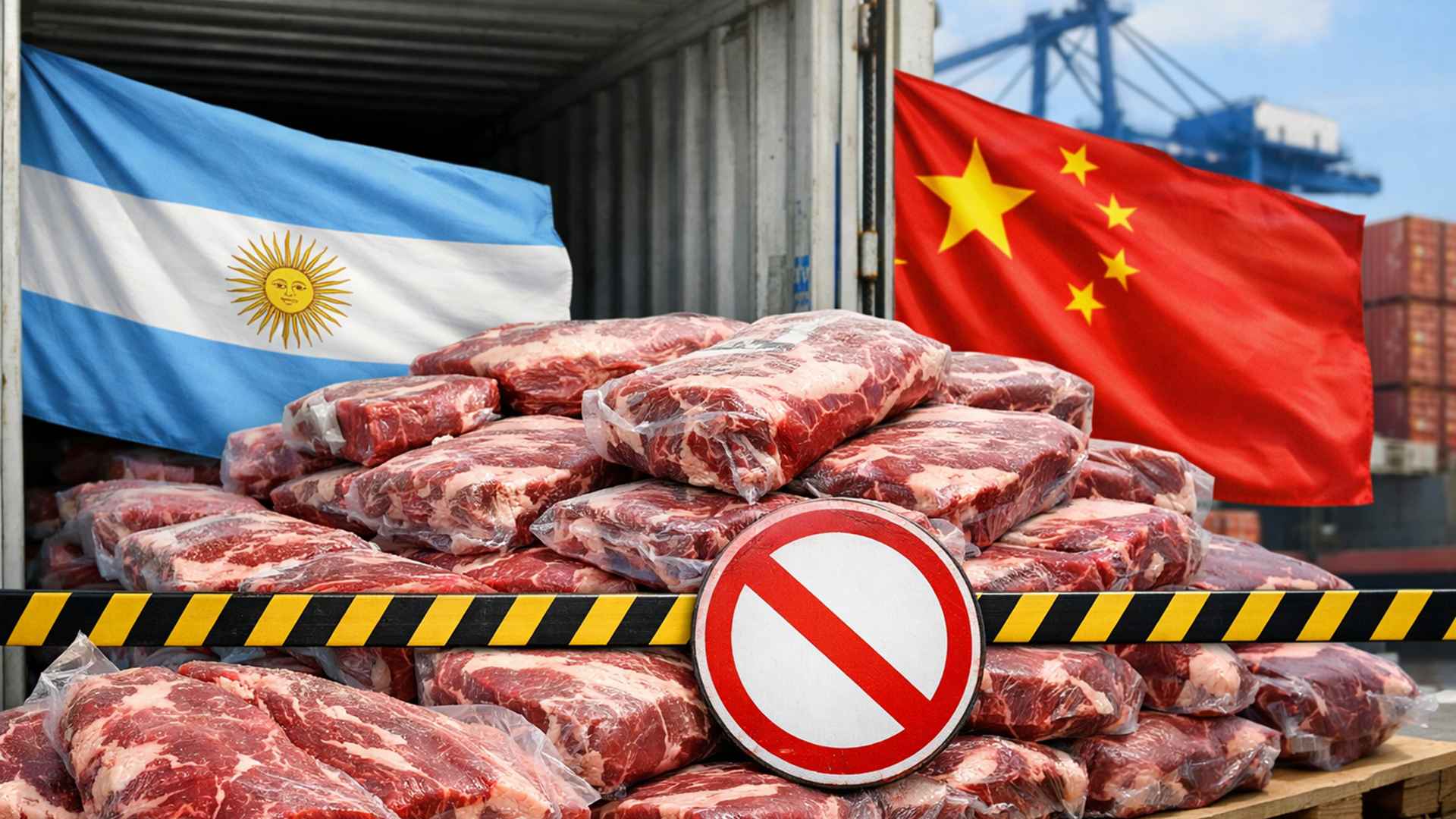
China banned the export of 22 tons of meat from Argentina.
-
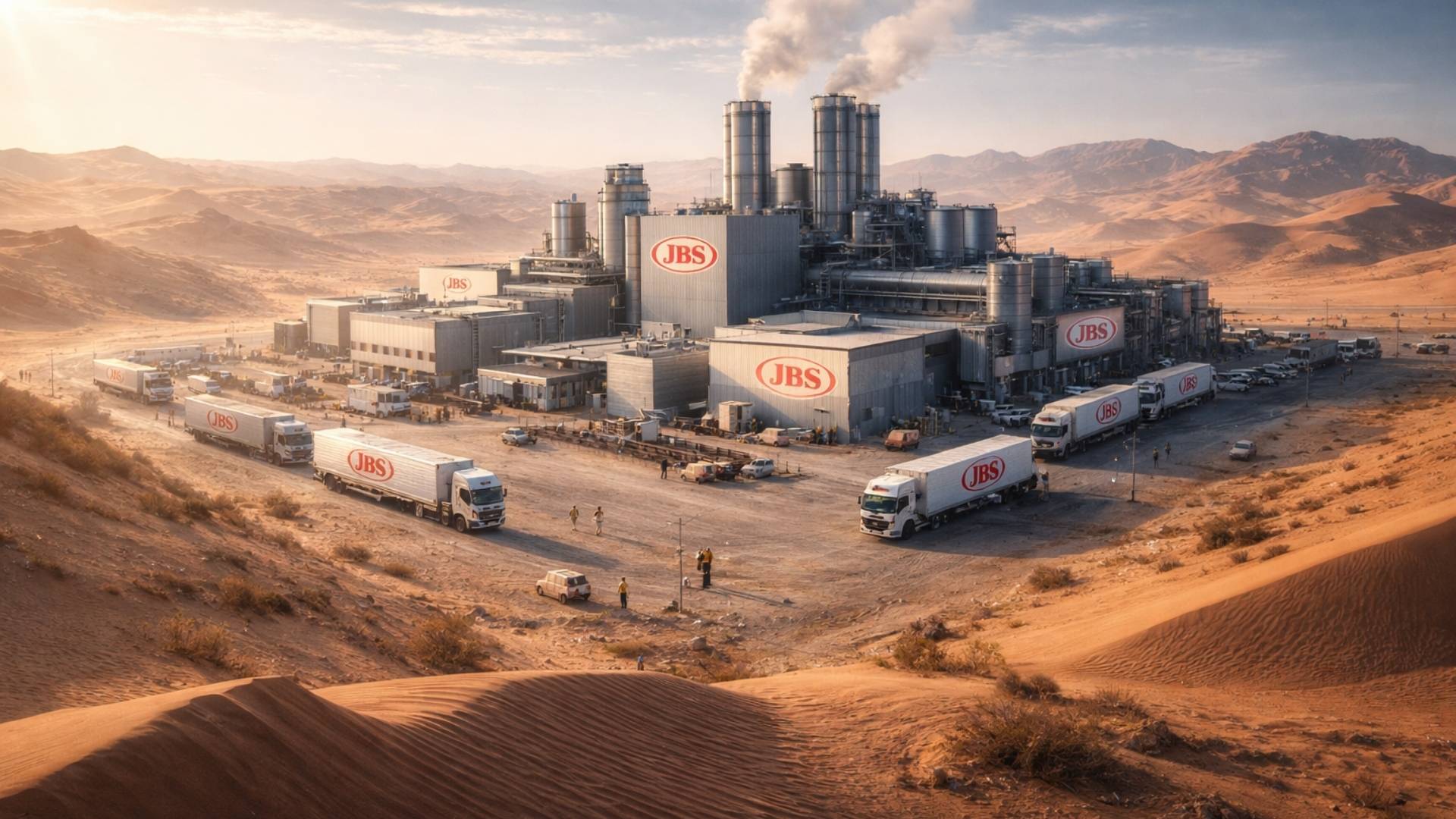
JBS, founded by the Batista brothers, continues to conquer the world: entrepreneurs built a ‘factory in the desert’ creating 3,000 jobs.
-
With only 1% of Brazil’s territory, Santa Catarina has built one of the most competitive industrial parks in the country, with 64,000 companies, nearly 1 million jobs, and a growth rate of 5.3% while the national industry is practically stagnant.

The most recent laboratory, located in Lucas do Rio Verde, was inaugurated in July 2023, and the choice to construct the fifth Bureau Veritas cotton laboratory reflects the region’s importance to national cotton farming. With the capacity to verify 13,000 samples per day and occupying a space of 700 m², the unit has a specialized team in cotton fiber technical inspection, along with seven HVI machines, which ensure the speed, reliability, and credibility of the analyses. Physical aspects such as thickness, strength, elongation, maturity, brightness, yellowing, and impurity are evaluated. Based on the reports, producers assure their clients of the product’s compliance and quality level, essential for negotiating prices and purchase volumes.
Mato Grosso produces the equivalent of 10 million cotton samples, 76% inspected by the Group, at one of the largest analysis centers in South America in Sapezal, with production of about 18,000 samples per day, and laboratories in Rondonópolis, Sorriso, and Campo Novo do Parecis. In addition to contributing to the strengthening of Brazilian cotton farming, Bureau Veritas also aids in income generation, creating more than 300 job openings during the peak harvest period.
All five Bureau Veritas laboratories are accredited by the Brazilian Cotton Producers Association (Abrapa) and adhere to the standards of reference organizations in the sector, such as the United States Department of Agriculture (USDA), The International Cotton Association (ICA Liverpool), Bremen Cotton Association, and Bremen Fiber Institute. The laboratories are also accredited to the Brazilian Cotton Quality Program (PQAB).
About the Bureau Veritas Group
With global revenue of €5.7 billion, Bureau Veritas is a world leader in Testing, Inspection and Certification (TIC). Founded in 1828, the Group is present in 140 countries, serving over 400,000 clients. There are 80,000 employees located in more than 1,600 offices and laboratories worldwide, with over 6,000 professionals in Brazil. Bureau Veritas offers a comprehensive portfolio of services and innovative solutions to ensure that assets, products, infrastructure, and processes meet quality, health and safety, environmental protection, and social responsibility standards and regulations.









Seja o primeiro a reagir!