





 Portuguese
  English
  Spanish
  3 min of reading



Brazilian Families Are Becoming Increasingly Indebted, According to the Consumer Debt and Default Survey (Peic) by the National Confederation of Commerce of Goods, Services, and Tourism (CNC). Data Show That in 2022, 78 Families for Every 100 Were in Debt from Loans with Vehicles as Collateral, Which Is a Record for the Historical Series of the Peic That Began in 2010.
Despite the basic interest rate (Selic) being 13.75%, Brazilians are unable to meet their debts because inflation has eroded the purchasing power of money. For this reason, many have begun to look for alternative forms of credit with better loan rates.
One of these possibilities is the vehicle loan, that is, auto-equity, which uses cars as a payment guarantee. According to data provided by Creditas to Forbes, there was a 275% increase in requests for this type of credit between 2020 and 2022. The main uses for this money were debt repayment, which increased by 210%, and the intention to start a business, which rose by 223%.
This trend reflects a worrying moment in the Brazilian economy: “Brazil has a very complicated reality in family financial management. When basic rates are high and salaries are not enough to cover necessary expenses, resorting to some form of credit to balance the accounts is inevitable,” explains economist Thiago dos Santos Coelho.
-
Unemployment rises again to 5.8% at the beginning of 2026, raising alarms about the end of temporary positions and its impact on the Brazilian job market.

-
Document organization can cut invisible costs in small businesses, a simple step that prevents waste, rework, and losses in daily operations.

-
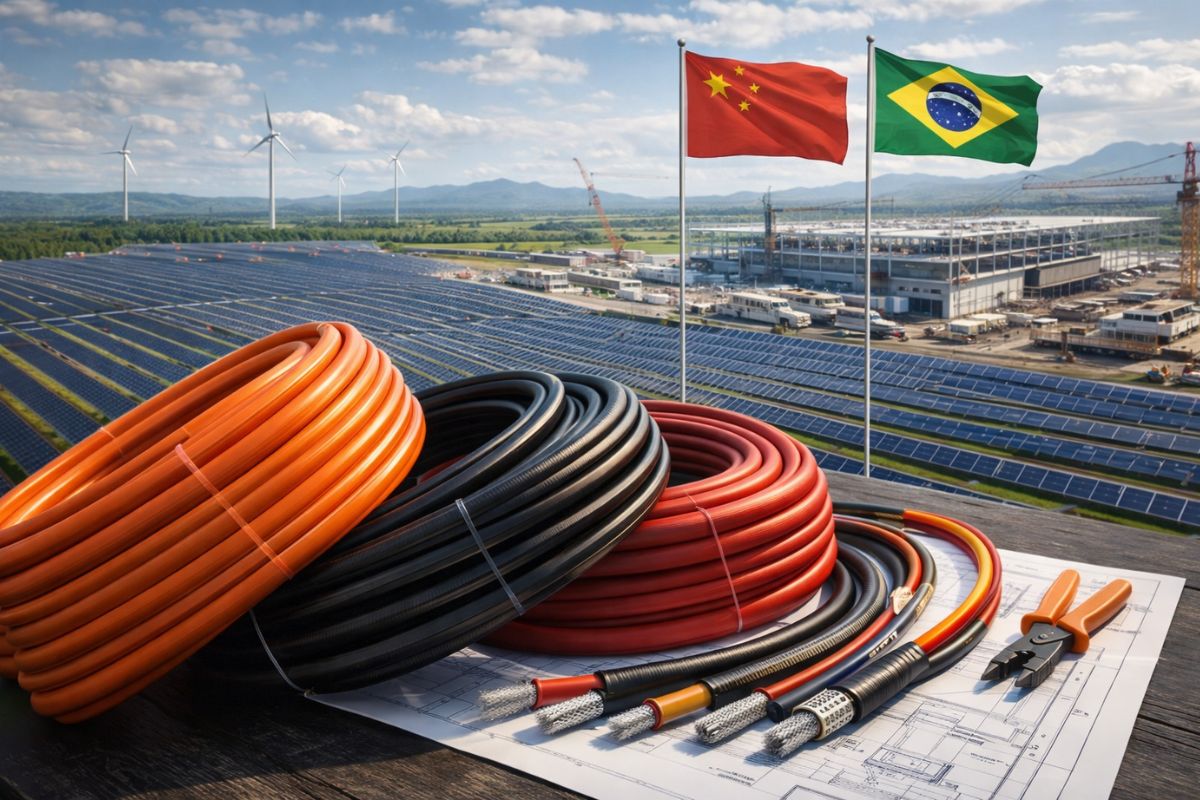
Chinese giant worth nearly R$ 4 billion that manufactures cables for electric cars, solar energy, and robotics wants to open a factory in SC.
-
Many employers do not know, but the law guarantees domestic workers a 25% increase in salary during trips, 50% for overtime, 20% for night shifts, and 17 additional benefits that can lead to labor lawsuits if not paid.

According to economist Marcel Balassiano, Brazilians need to change their financial habits: “It is essential to have discipline in household budgeting to avoid future problems and ensure that finances are always balanced.”
To circumvent the high-interest rates and secure better conditions for financing their projects, many Brazilians are opting for modes like vehicle loans as collateral. Nevertheless, it is important to exercise caution before making any decision: “It is essential to conduct a thorough analysis of the costs involved to evaluate whether it is actually worthwhile to use this type of credit,” warns Coelho.
Luana Bichuetti, Vice President of Auto Equity at Creditas, Believes That the Increase in Vehicle Loans in the Category Over the Last Two Years Is Positive, but Still Limited. According to Her, This Is Due to a Lack of Understanding About the Product and the Distrust of People Regarding the Pledge of Their Assets as Collateral.
However, the vice president points out that when people understand the product, the option becomes more appealing for those who need money. At Creditas, for example, it is possible to request a loan ranging from R$ 5,000 to R$ 150,000 with extended installments and much lower interest rates than those charged on other types of credit.
The average interest rate for personal loans is 7.66% per month and 7.96% for overdraft, according to data from Procon-SP. Meanwhile, for vehicle loans offered by financial institutions for auto-equity, the rates are lower: 1.49% per month at Creditas and 1.39% at Banco Pan.
Thus, Bichuetti predicts that the levels of indebtedness among Brazilian families will remain high this year due to the continuation of the high Selic rate by the Central Bank. Therefore, she argues that people should understand that pledging their vehicle for a loan does not mean losing it. The car remains with them and will only be repossessed if the installments are not fulfilled.
Other financial institutions also offer auto-equity (vehicle loans). These include: Banco do Brasil, Santander, Banco BV, C6 Bank, and others. These loans can be an interesting alternative for Brazilian families who need financial resources due to the high rates charged by traditional banks.
Vehicle Collateral Loan










Seja o primeiro a reagir!