





 Português
  Inglês
  Espanhol
  3 min de leitura
  0 comentários


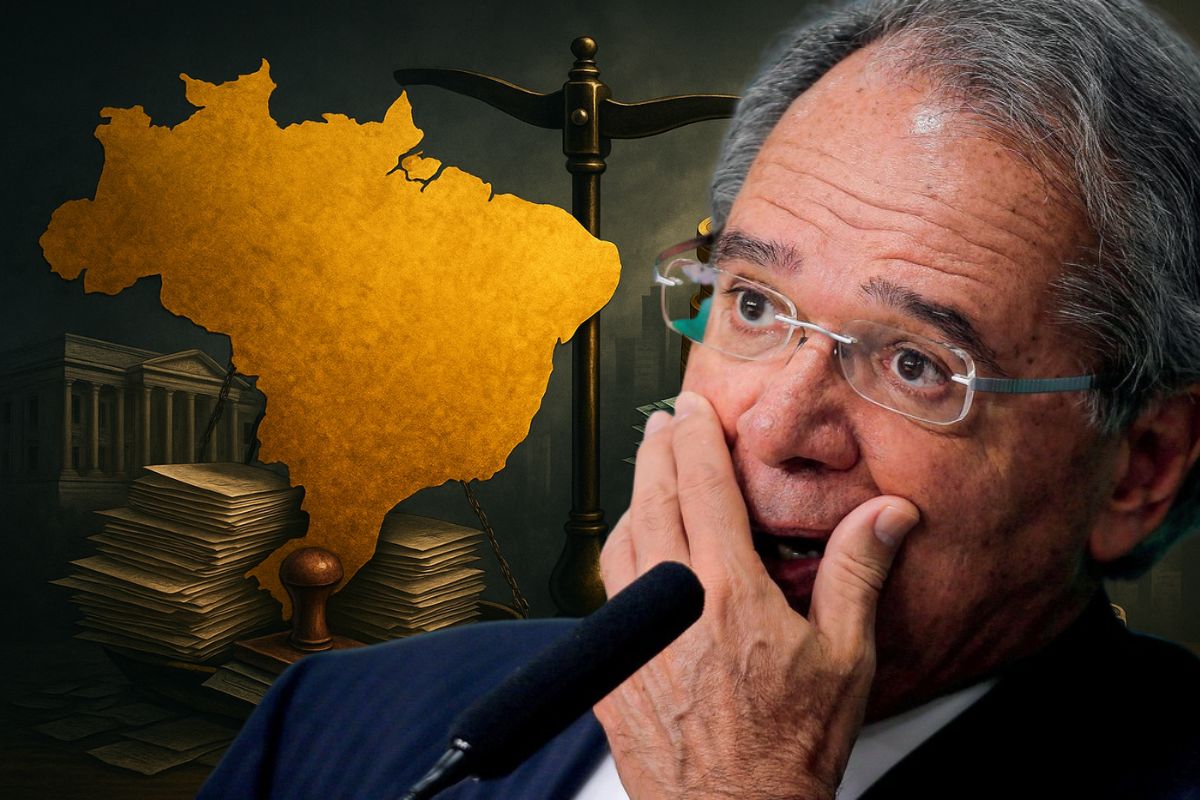
Economist Advocates Reforms Without Ideology, Criticizes Concentration of Power in Brasília and Points Out Waste in Public Sector and Public Debt
In a recent interview, former Finance Minister Paulo Guedes stated that Brazil is 30 years behind in relation to structural reforms. For him, the problem is not ideological but rather a dysfunctional State that consumes resources close to 40% of Gross Domestic Product (GDP) and offers little in social return.
According to Guedes, the Brazilian government “spends a lot and spends poorly”, maintaining privileges and waste while failing to ensure basic services such as health, education, security, and sanitation. He summarizes the dilemma in one phrase: the country needs “more Brazil and less Brasília”.
What Guedes Calls a Dysfunctional State
In the former minister’s assessment, the Brazilian State has become large enough to sustain its own machinery and small enough to meet the needs of the population. He points out that the main expenses are concentrated on public debt interest, public sector salaries, and civil servant pensions, leaving little room for investments in essential social areas.
-
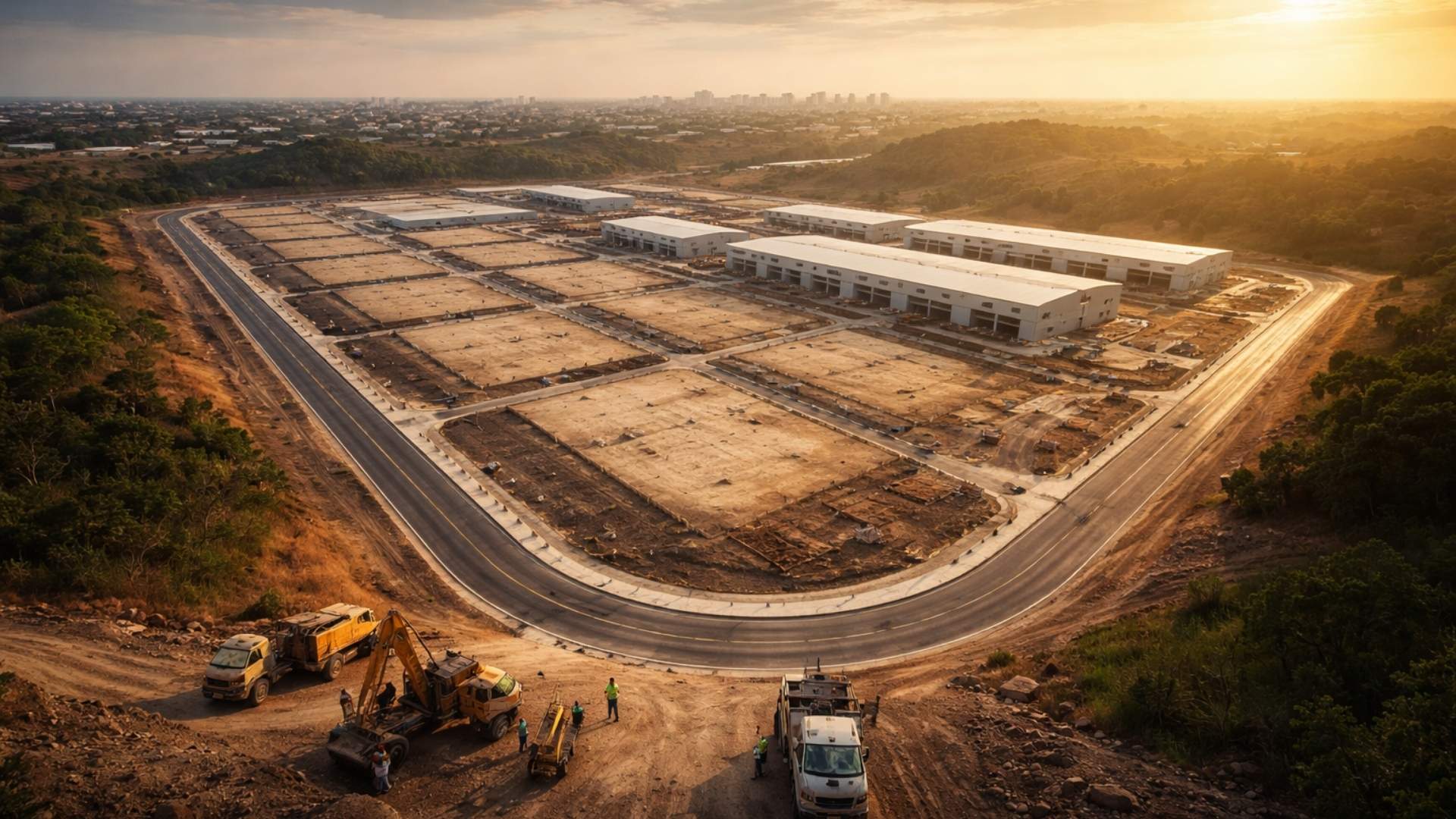
Brazilian city gains industrial hub for 85 companies that is equivalent to 55 football fields.

-
Peugeot and Citroën factory in Argentina cuts production by half and opens a layoff program for more than 2,000 employees after Brazil drastically reduced purchases of Argentine vehicles.

-
A Brazilian city gains a factory worth R$ 300 million with the capacity to process 200 thousand tons of wheat per year, a mill of 660 tons/day, silos for 42 thousand tons, and an industrial area of 276 thousand m².

-
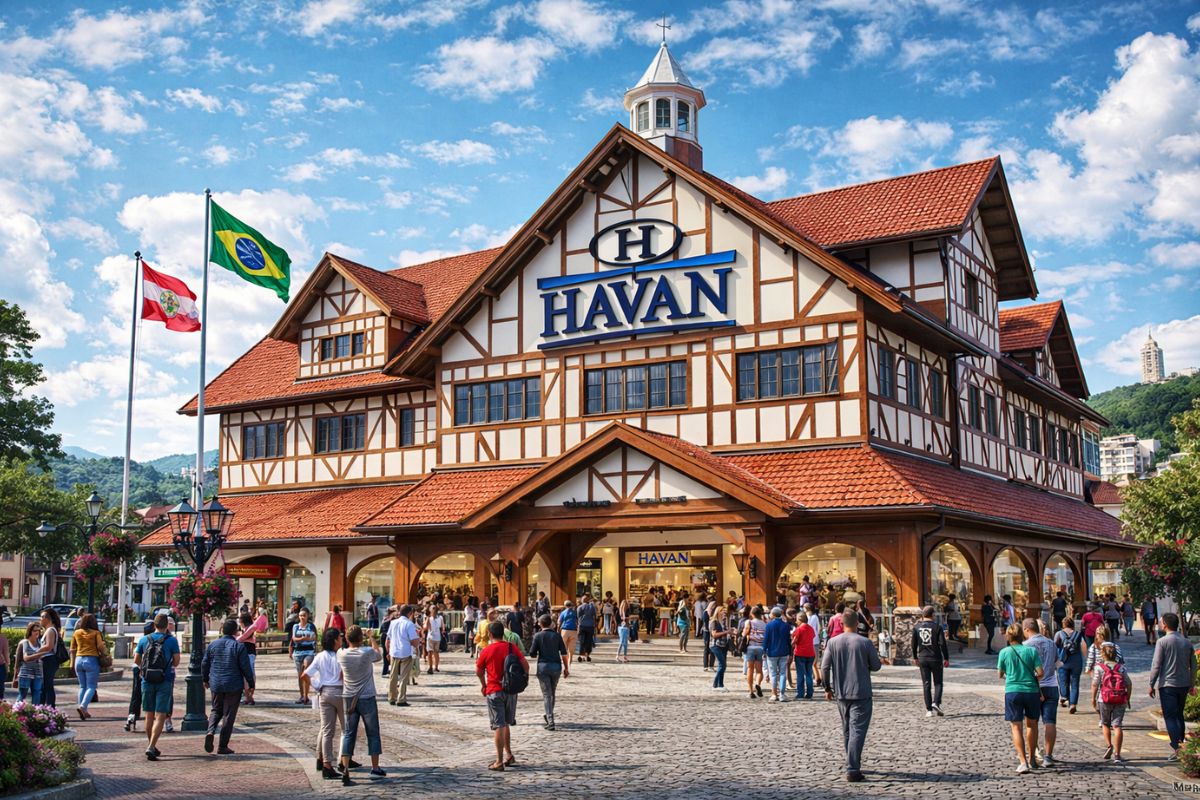
Havan will leave the shopping mall in Blumenau to inaugurate something that the chain has never done before: a megastore in half-timbered style in the Historic Center of the city, which is expected to be completed in May and change the landscape of local retail.

Guedes states that this distortion has led to decades of high interest rates, debt, and low economic growth. For him, the political opening that occurred in recent decades has not been accompanied by an equivalent economic opening, which has kept the country trapped in an inefficient model.
Reforms Without Ideology as a Solution
The economist advocates the need for pragmatic reforms, without ideological bias. Among the proposals, he cites the decentralization of resources, the privatization of inefficient areas, and the reorientation of public spending towards strategic sectors.
For Guedes, investing in human capital is the true form of social inclusion. He emphasizes that jobs and competition are more effective income distribution mechanisms than generalized subsidy policies. The criticism extends to what he calls the “paradise of rent-seekers” and “hell for entrepreneurs”, referring to a system that favors those living off interest at the expense of those who produce.
History of Poor Choices and Comparison with the Past
In the interview, Guedes recalled episodes such as the hyperinflation of the 1980s, the debt moratorium, and cases of corruption in state-owned enterprises like Petrobras and Correios. According to him, these examples show how bad political and economic decisions have deteriorated trust in the country.
He also remembers that, in the past, Brazil was able to grow 7.4% per year for 75 consecutive years, but lost that trajectory by insisting on models that raised the tax burden and discouraged competitiveness.
The Critique of the High Tax Burden


One of the points most emphasized by Guedes is the critique of the tax level close to 40% of GDP. For him, this financial burden supports a centralizing State that gives little back in quality public services. In his view, reducing taxes and simplifying rules would be fundamental steps to free private investment and unlock growth.
The central proposal is to transform Brazil into a “cooperative game”, in which government, companies, and society mutually benefit from policies that reduce costs, increase productivity, and attract investment.
And you, do you agree with the former Finance Minister Paulo Guedes’s view that Brazil is 30 years behind? Do you think that reforms without ideology are the way forward, or do you see other priority obstacles? Leave your opinion in the comments — we want to hear from those who follow this debate closely.









-

-

3 pessoas reagiram a isso.