





 Portuguese
  English
  Spanish
  6 min of reading
  0 comments


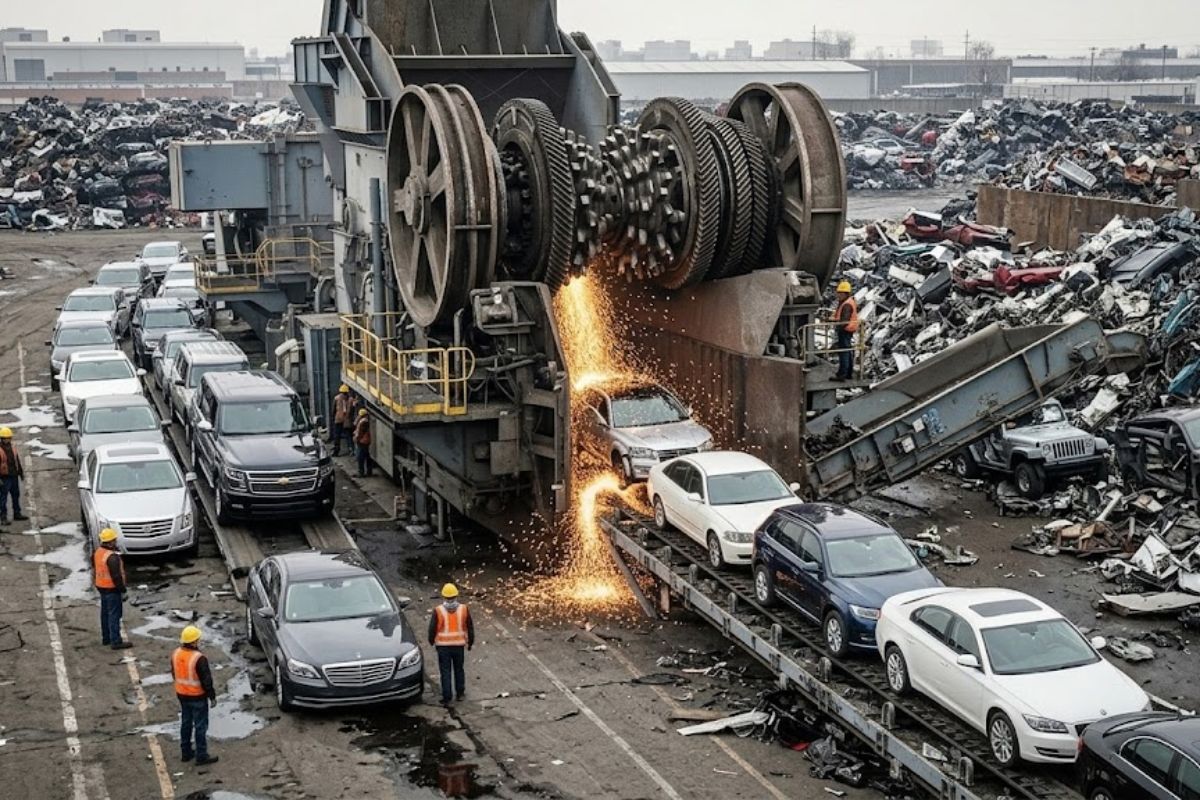
Monstrous Machines Operate In Industrial Yards Where Old Cars, Corroded Beams, And Mountains Of Scrap Stop Being Waste To Become Steel Blocks, Separated Metals, And Valuable Raw Material In A Process That Reduces Volume, Cuts Logistical Costs, Saves Energy, And Sustains A Billion-Dollar Market At Scale Every Single Day.
The monstrous machines that dominate large recycling yards completely change the fate of an abandoned car. What arrives as scrap metal with no apparent value enters an industrial chain that destroys, compresses, separates, and resells each kilo with brutal economic logic.
Behind the noise and rust lies a precise system. In just a few steps, entire vehicles turn into blocks of steel, valuable metals are isolated with sensors and magnets, and the material goes to steel mills, where it re-emerges as inputs for bridges, rails, structures, and new machines. What seems like waste is, in practice, raw material in transit.
Where Scrap Metal Loses Shape And Begins To Gain Value
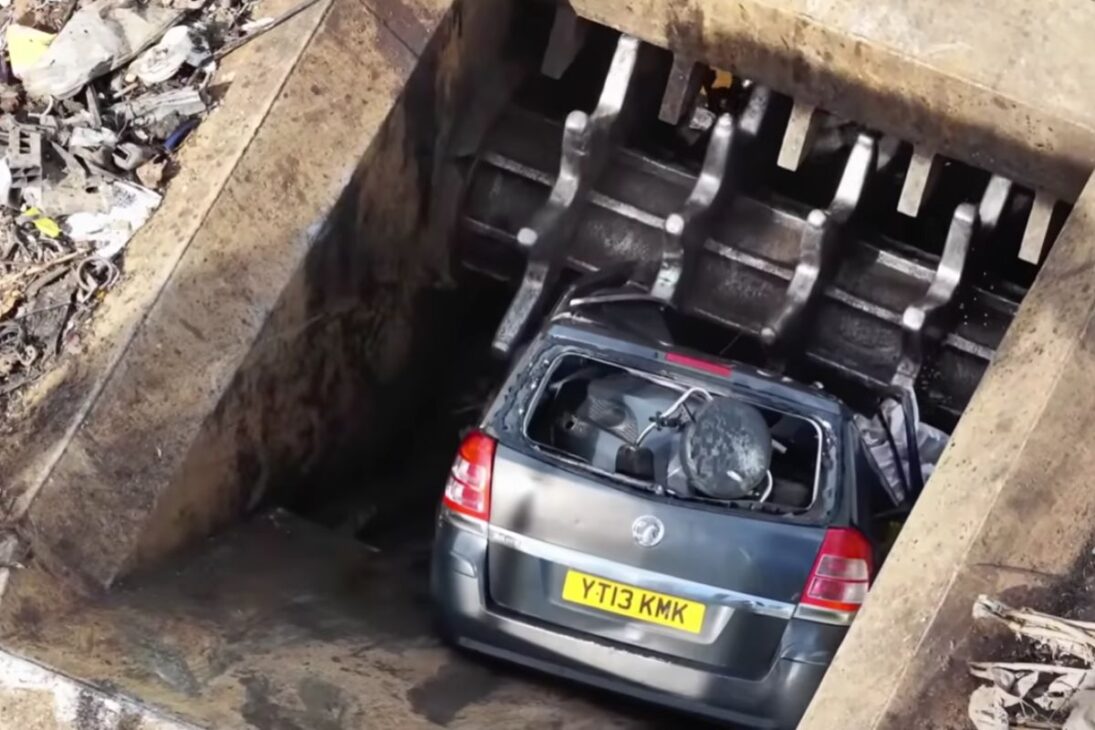
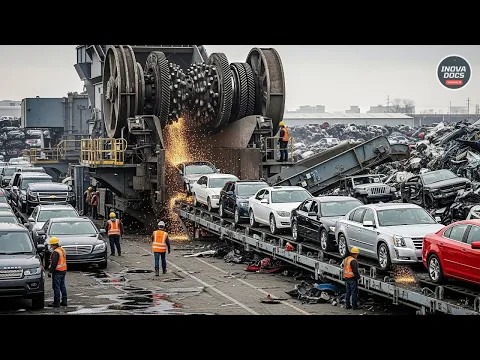
The first major shock of the operation occurs in front of the industrial shredder. In yards crowded with old vehicles, the machine dominates the environment like the center of a dismantling line without delicacy. Doors, axles, engines, and chassis are pulled in and disappear in less than a minute. In larger plants, a single industrial shredder can process dozens of tons per hour, maintaining a continuous flow that can swallow hundreds of cars in a single day.
-
A couple buys an old chalet, breaks the kitchen floor for renovation, and finds over a thousand coins of gold and silver hidden since the English Civil War over 4 centuries ago.

-
Rigid bags with their days numbered: new trend prioritizes comfort in 2026.

-
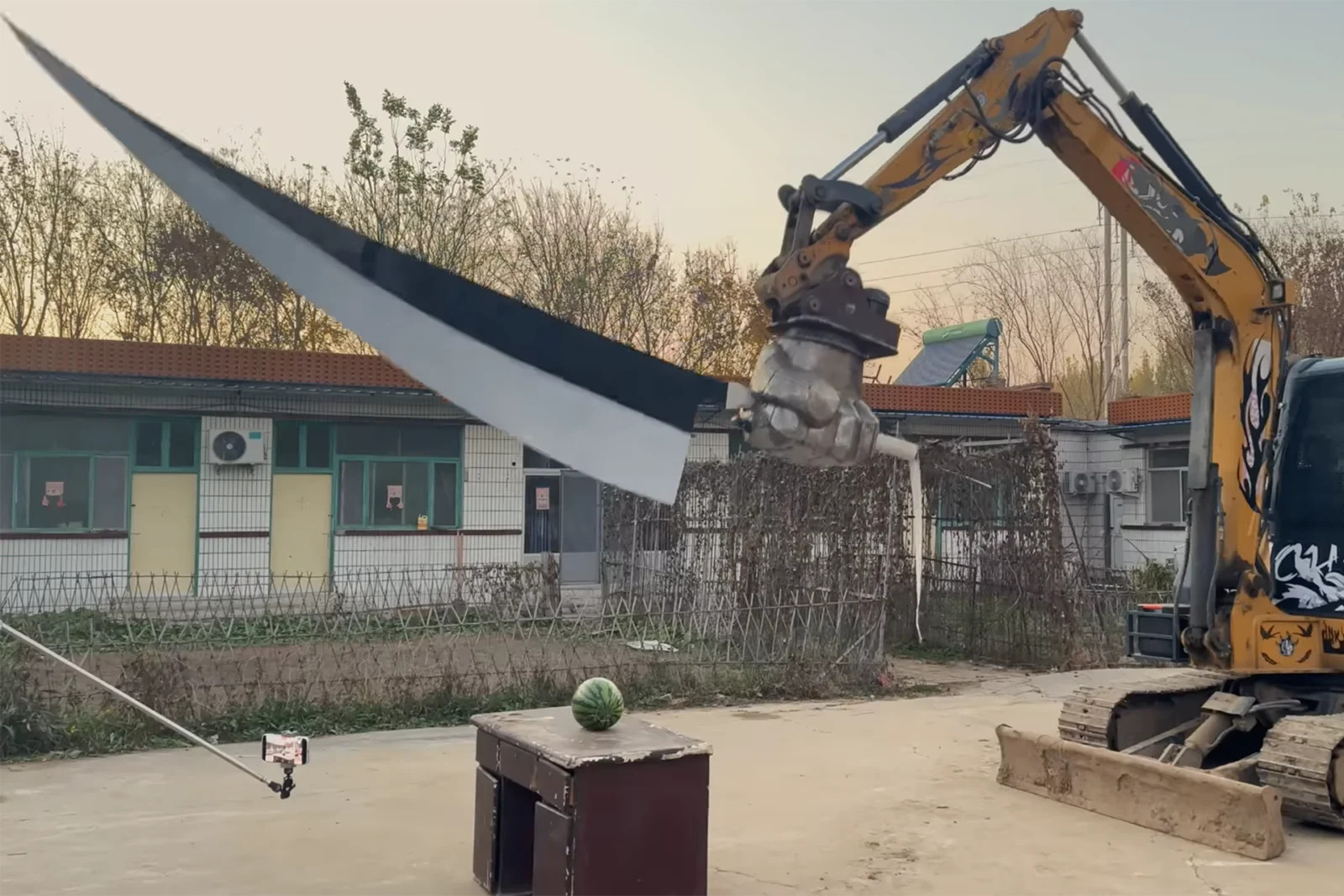
YouTuber creates an excavator equipped with a giant 4.5-meter sword to challenge his brother to a rematch, and the invention quickly goes viral on social media.
-
The U.S. Army surprises the world by presenting the UH-60MX Black Hawk helicopter capable of flying without pilots, controlled by a tablet, featuring the MATRIX system, smart sensors, and full autonomy in real combat and rescue missions.


This point is decisive because scrap metal stops occupying large areas and begins to exist in controlled fragments. The impact is not just visual. It is logistical. An entire car occupies space, makes transport difficult, and delays the operation’s turnover. When it enters the shredder, it loses identity and becomes useful volume. Every second that the machine is running represents less occupied area, less idle cost, and more material ready to generate revenue.
To an outside observer, the scene seems like mere destruction. For those managing the process, it marks the beginning of real profit. The scrap metal arrives as a storage problem and leaves this first stage as organized inventory, ready to move on to compression, separation, and sale. This is where the business begins to reveal its scale.
It is also at this stage that the role of the monstrous machines becomes clearer. They are not there just to destroy quickly. They exist to transform irregularity into pattern and disorder into negotiable material. Without this initial reduction, the rest of the chain becomes more expensive, slower, and less profitable.
The Hydraulic Press Does Not Destroy Like The Shredder, It Multiplies Efficiency
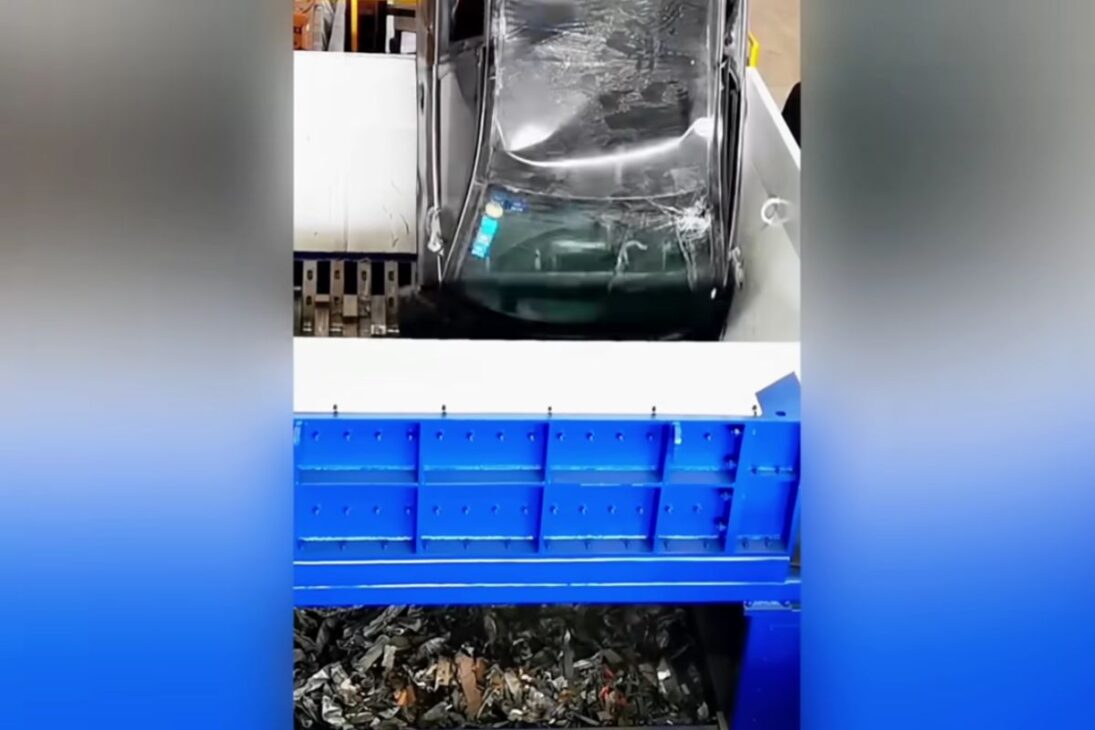
After shredding, the operation changes its language. The star now is the hydraulic press, one of the most powerful structures in the entire circuit. Unlike the industrial shredder, it does not tear or shred. It compresses. Some work with forces greater than 2,000 or even 3,000 tons of pressure, enough to crush an entire car into a compact block of metal just a few centimeters high. The steel gives in as if it had lost all rigidity.
Each cycle lasts just a few seconds, and the result is not a random pile. It is a standardized block, with more predictable weight, shape, and density. This is directly relevant to transport. The hydraulic press reduces the volume of material by up to 80%, allowing trucks that once carried only a few vehicles to now transport dozens of tons of compacted metal in a single trip. Fewer trips mean less fuel, less time, and greater margin at the end of the day.
This stage helps explain why scrap has become such a sophisticated business. An entire car takes up space; a block takes up profit. This phrase summarizes the logic of the sector. The value is not only in the weight of the material but in how it is prepared to circulate efficiently between yard, truck, and steel mill.
By the time the hydraulic press finishes its job, the car no longer exists as a vehicle. What remains is a heavy, silent, and valuable block, ready to proceed to the most technical stage of all: the fine separation of metals. The process seems rough, but its goal is extremely rational.
Magnets, Sensors, And Conveyors Make The Separation That Defines The Final Margin

If the first half of the process impresses with force, the second impresses with precision. After the industrial shredder and the hydraulic press reduce the initial mass, conveyors, industrial magnets, magnetic sensors, and optical separators come into play. They are responsible for transforming the compressed chaos into categories with different market values. The ferrous steel is almost instantly pulled by the magnets, while aluminum, copper, and other metals follow distinct routes.
It is at this stage that money stops depending only on raw weight and starts depending on the intelligence of sorting. Copper, for instance, can be worth up to six times more than common steel in the recycling market. A mistake in separation reduces margin. A correct move increases the return on each processed ton. In large centers, these systems can handle between 200 and 400 tons of material per day, showing that automation is not a complement but a central piece of the business. In scrap, precision is also worth money.
By this point, the scrap metal has completely ceased to be debris. It has gone through crushing, volume reduction, and technical classification. The material that once was a car, beam, chassis, or industrial part now exists as merchandise organized by type, weight, and destination. This is what allows the sector to operate on a global scale.
Without this separation, the rest of the chain would lose value. Steel mills do not want metallic confusion; they want predictability. The better the sorting, the better the price and the better the energy and industrial utilization later. That’s why the monstrous machines do not work alone: they clear the way for an automated system that profits precisely by knowing how to distinguish what each kilo is worth.
Liquid Steel Closes The Cycle And Explains Why This Market Moves So Much Money
After sorting, the final destination is steelmaking. The blocks and fragments go to furnaces that exceed 1,500 ºC, where the steel returns to a liquid state and can be reused in new industrial cycles. In just a few hours, an old, corroded car that seemed to have no function re-emerges as raw material for buildings, bridges, rails, sheets, and new machines. The physical end of one object becomes the industrial beginning of another.
It is here that the economic dimension of the sector becomes clearer. Producing recycled steel can consume up to 75% less energy than extracting metal from raw ore, in addition to reducing costs and emissions. This gain helps explain why the scrap metal industry moves hundreds of billions of dollars each year globally. It is not just an industrial cleaning activity. It is a global chain that saves energy, reduces volume, reuses materials, and maintains high margins at various points in the process.
A single vehicle can yield hundreds of kilos of reusable steel, as well as copper, aluminum, and other metals. When this is multiplied by millions of cars discarded every year, the size of the business stops seeming exaggerated. It begins to seem inevitable. The junkyard is not the dead end of the economy. In many cases, it is the first link in a highly profitable production chain.
In the end, the monstrous machines only seem frightening because they make visible a logic that is often hidden. They shred, compress, and organize what time has discarded. And they do this in a sector where rust, weight, and noise mean something much simpler than it seems: value.
The monstrous machines that dominate scrap metal are not just symbols of industrial strength. They are the gears that allow the industrial shredder, hydraulic press, and the reuse of steel to turn ruin into global revenue.
In your opinion, what impresses you most about this process: the violence of the initial destruction or the precision with which industrial waste turns into a billion-dollar business?









Seja o primeiro a reagir!