





 Portuguese
  English
  Spanish
  3 min of reading
  0 comments


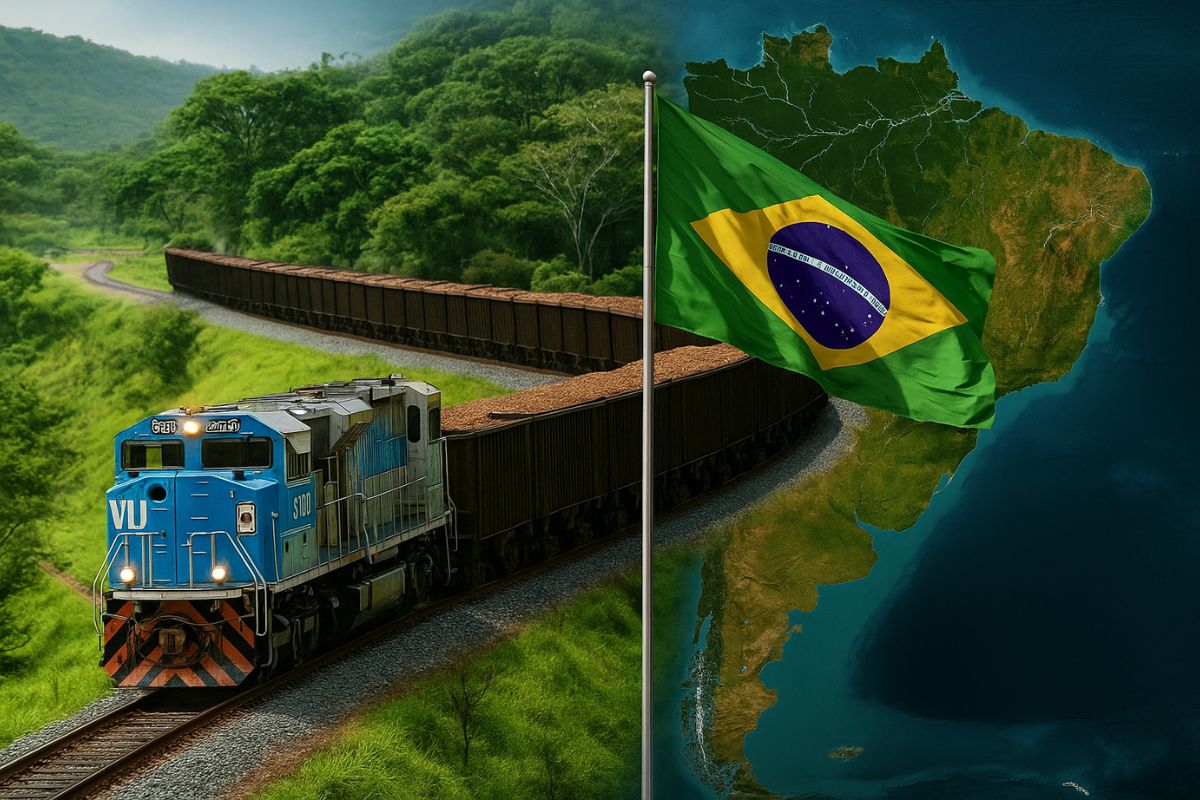
Driven by a New Regulatory Benchmark, the Brazilian Railway Sector Has Sparked the Interest of Giants from China, Spain, and the United Arab Emirates Competing for a Pipeline of Billion-Dollar Projects in 2025.
The infrastructure sector in Brazil is experiencing a moment of inflection. A group of nearly 20 investors, including some of the largest construction companies and investment funds in the world, has formally expressed interest in participating in the new concessions for Brazilian railways. The movement, confirmed in early 2025, signals the success of a new government policy aimed at unlocking the potential of rail transport in the country.
The arrival of giants such as the Chinese CRCC, the Spanish Acciona and Sacyr, and the sovereign fund Mubadala from the United Arab Emirates, to compete for the new projects marks the beginning of a new “railway war.” It is a competition that promises billions in investments and a complete reconfiguration of the national logistics matrix.
The Approval of the Legal Framework for Railways in 2021
The main driver for this new scenario was the Legal Framework for Railways (Law No. 14,273/2021). Signed into law, according to government records, at the end of 2021, this law modernized the sector and, above all, established the authorization regime.
-
Son of a seamstress from the rural area of Ceará who did not speak English wins a scholarship of over 2 million reais at Williams College, one of the top 10 universities in the United States, covering everything including dormitory, meals, and annual trips to Brazil.

-
Bill Gates revealed that the true secret behind every great achievement is not a brilliant leap but rather small improvements repeated over the years, and the data from his own career and the fight against climate change prove that he is right.

-
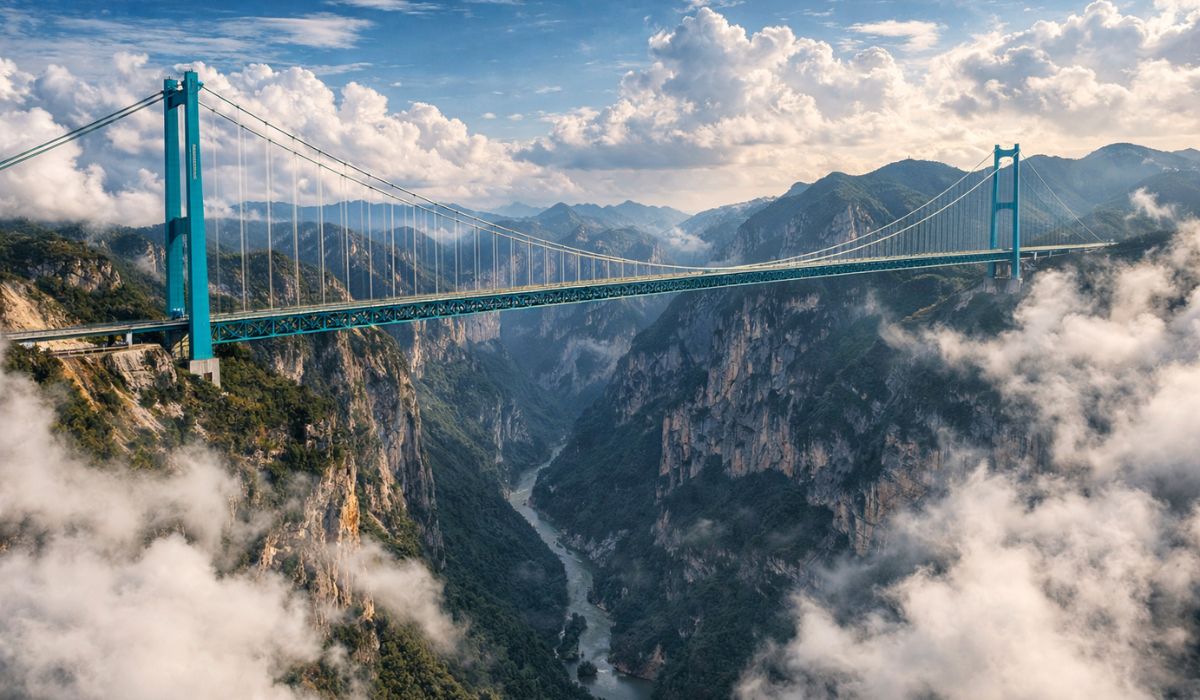
With 22 thousand tons of steel, a height nearly three times greater than the Eiffel Tower, and a cost of R$ 1.6 billion, China is building the highest bridge on the planet over a colossal canyon, reducing a crossing time of over 2 hours to just over 2 minutes.
-
With more than 635,000 doctors, Brazil sees competition increasing in large cities, and recent graduates are competing for shifts at an accelerated pace while the countryside still faces shortages.


Unlike the old and bureaucratic model of railway concessions in Brazil, the authorization regime allows private companies to propose, build, and operate new railways on their own. This deregulation, according to analyses by sector experts, has made the business environment much more attractive for private capital, both domestic and foreign.
The Announcement of January 2025 and the Round of Meetings in February
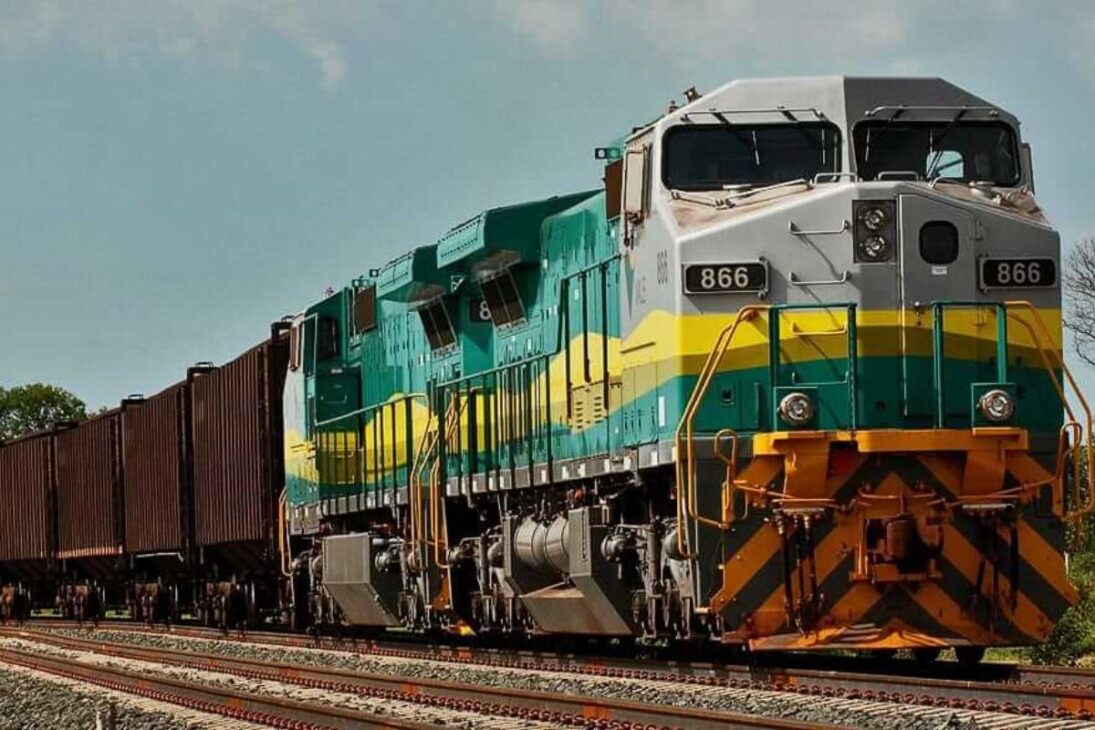
The proof that the new policy has worked came in early 2025. The news, reported by outlets such as the Valor Econômico newspaper, that a group of nearly 20 major investors was interested in the new concessions stirred the market.
The government, through the Ministry of Transport, led by Minister Renan Filho, acted quickly to capitalize on the interest. Strategic meetings were scheduled for February 5, 6, and 7, 2025, in São Paulo, to present the details of the projects to these potential investors.
Who Are the Interested Parties in Brazilian Railways? The Giants Targeting Brazil
The list of interested parties, confirmed by government sources, shows the strength of the new moment for Brazilian railways. In addition to the largest national operators, such as Rumo, VLI, and MRS, international interest is strong and diverse.
Among the confirmed names are the Chinese construction giant CRCC, which is already working on the construction of the Salvador-Itaparica bridge; the Spanish infrastructure powers Acciona and Sacyr, with extensive experience in subways in Brazil; and the sovereign fund from Abu Dhabi, Mubadala Capital, which controls the Mataripe Refinery and the Metrô Rio.
The Auction of EF-118 and the Government Strategy
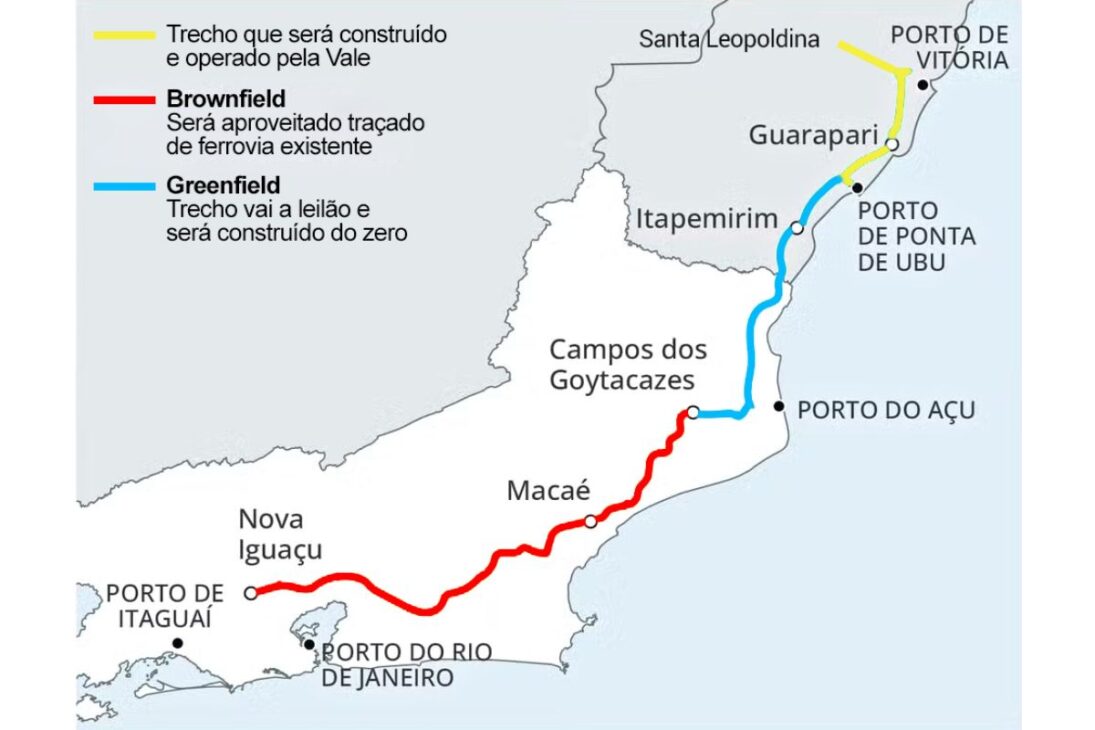
The initial focus of all this interest is on the project of EF-118, also known as the Southeast Railway Ring. The 575 km railway will connect Rio de Janeiro to Espírito Santo, creating a vital link for the region’s ports.
The project is the main showcase of the government’s new investment model. With a total cost of R$ 4.6 billion, the plan anticipates a public investment of R$ 3.28 billion, according to the Ministry of Transport, to cover the “viability gap” and ensure attractiveness for private investors. The auction for EF-118 is scheduled for the last quarter of 2025.
What Comes Next: The National Railway Plan and the Projects Worth R$ 138.6 Billion
EF-118 is just the beginning. The government has structured an ambitious National Railway Plan (PNF), which foresees investments of R$ 138.6 billion in 15 railway assets.
The pipeline, as detailed in documents from the Investment Partnerships Program (PPI), includes structuring projects such as the Fico-Fiol corridor, which will connect the agribusiness of the Midwest to the coast of Bahia, and the controversial Ferrogrão, which, if realized, will create a new export route through the Northern Arc. The strong interest of foreign investors in the initial projects is the clearest signal that the golden age of Brazilian railways may just be beginning.








Seja o primeiro a reagir!