





 Portuguese
  English
  Spanish
  4 min of reading
  0 comments



The Surge in Oil Prices After New Tensions in the Middle East Led the United States to Adopt an Emergency Measure Temporarily Allowing the Sale of Russian Oil That Is Already Loaded on Ships in an Attempt to Reduce Global Pressure on Energy
The escalation of tensions in the Middle East and the rapid rise in oil prices in the international market have led the United States to adopt an emergency decision with limited validity. Washington has authorized the sale of Russian oil that is already loaded on ships and currently in transit for only 30 days.
The measure was announced by the U.S. Department of the Treasury as a temporary solution to alleviate pressure on energy prices. The goal is to prevent the global oil market from experiencing an even greater surge while conflicts and sanctions disrupt the international flow of fuels.
The Emergency Decision Involving Russian Oil
The authorization announced by the U.S. government allows buyers to receive Russian oil that was already loaded on ships before the new determination.
-
Unemployment rises again to 5.8% at the beginning of 2026, raising alarms about the end of temporary positions and its impact on the Brazilian job market.

-
Document organization can cut invisible costs in small businesses, a simple step that prevents waste, rework, and losses in daily operations.

-
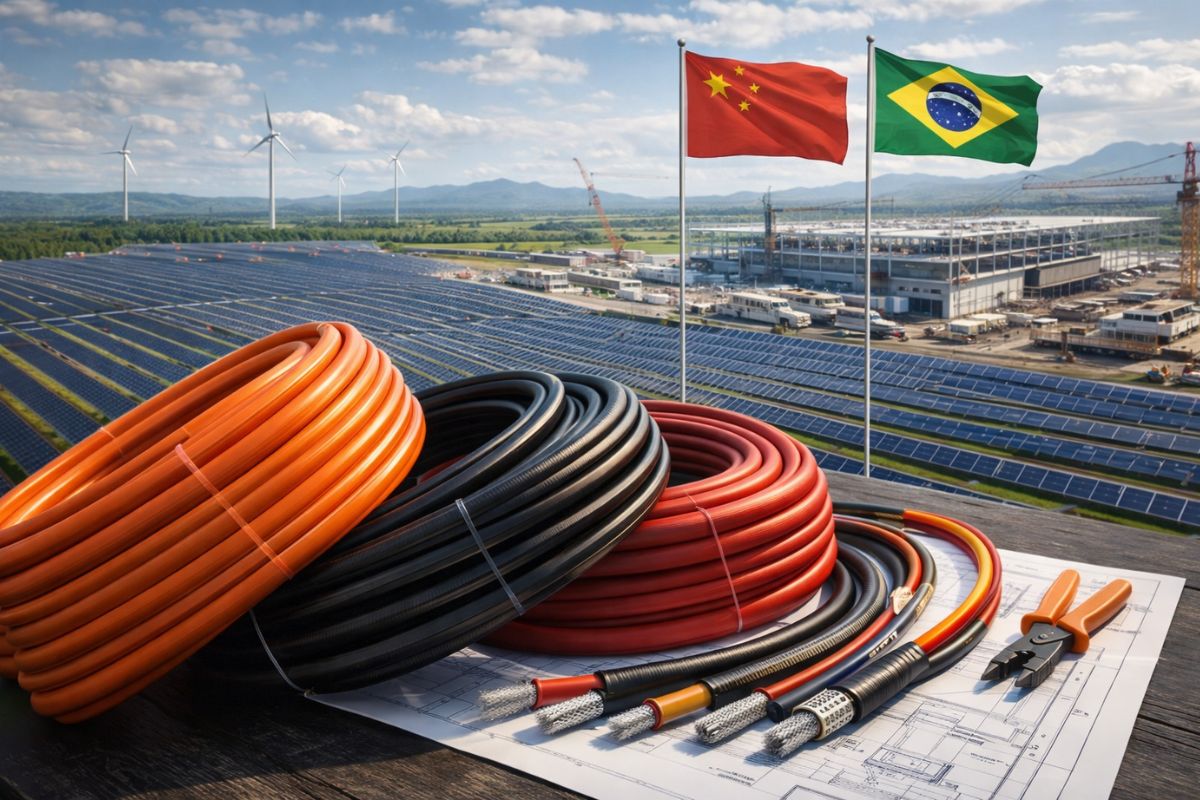
Chinese giant worth nearly R$ 4 billion that manufactures cables for electric cars, solar energy, and robotics wants to open a factory in SC.
-
Many employers do not know, but the law guarantees domestic workers a 25% increase in salary during trips, 50% for overtime, 20% for night shifts, and 17 additional benefits that can lead to labor lawsuits if not paid.


According to the Department of the Treasury, the license is valid until April 11 and applies exclusively to oil that is already in maritime transit.
This means that new purchases of Russian oil remain restricted, maintaining the regime of international sanctions against Moscow.
The decision was described by Treasury Secretary Scott Bessent as a “specific and short-term” measure.
The goal is to avoid having shipments already in transit get blocked at sea, which could cause even more tension in the global energy market.
Oil Surge and Its Impact on Global Markets
The decision comes at a time of significant instability in the energy market.
On the same day as the announcement, a barrel of Brent crude, one of the main global oil references, closed near US$ 100, the highest level recorded since 2022.
This increase is directly related to the worsening military tensions involving the United States, Israel, and Iran.
When conflicts affect strategic regions for energy production or transportation, investors immediately anticipate possible disruptions in the global oil supply.
This movement triggers a chain reaction in the markets.
Transport companies, refineries, and governments begin to compete for available supplies, which further pressures prices.
The Strategy to Contain Pressure on Energy
The authorization to trade Russian oil that is already onboard was designed specifically to prevent a supply shock.
If shipments in transit were blocked, the market would lose part of the available short-term supply.
This could create an artificial scarcity and accelerate the rise in oil prices even further.
By allowing these shipments to be completed, the United States aims to keep some of the energy flow operational while the geopolitical situation remains unstable.
The U.S. government also made it clear that the measure does not represent a broad easing of sanctions against Russia.
It applies only to oil that was already in transit before the new authorization.
Limitations and Restrictions of the Authorization
The authorization has very clear limits.
First, it is only valid for oil already loaded before March 12, preventing new negotiations related to these shipments.
Second, the license also imposes specific restrictions on who can acquire this oil.
The Department of the Treasury confirmed that Iran is not authorized to purchase these shipments, maintaining existing sanctions against the country.
Additionally, U.S. officials stated that the measure is not expected to generate significant financial benefits for the Russian government.
The main intention is to stabilize the energy market, not to alter the policy of economic pressure against Moscow.
Oil at the Center of Geopolitical Tensions
This episode reinforces how oil continues to be one of the central elements of global geopolitics.
Producing regions, strategic maritime routes, and economic sanctions directly influence the global economy.
When a conflict affects countries involved in oil production or transportation, the impact spreads quickly throughout the international economy.
Fuel prices, transportation costs, and even inflation in various countries can be affected.
For this reason, emergency decisions like the temporary authorization for oil sales are often used to prevent immediate shocks in the markets.
The U.S. temporary authorization to sell Russian oil already in transit reveals the degree of sensitivity of the global energy market to geopolitical crises.
Even limited, short-term measures can have a significant impact when the balance between supply and demand is threatened.
This episode shows that oil continues to be one of the most delicate pillars of the international economy, capable of influencing diplomatic decisions and global strategies.
Now an inevitable question arises.
If tensions in the Middle East continue to pressure the oil market, will new emergency measures emerge to avoid a global energy crisis?










Seja o primeiro a reagir!