





 English
  Francês
  Alemão
  Italiano
  Japonês
  Norueguês
  Portuguese
  Spanish
  2 min of reading


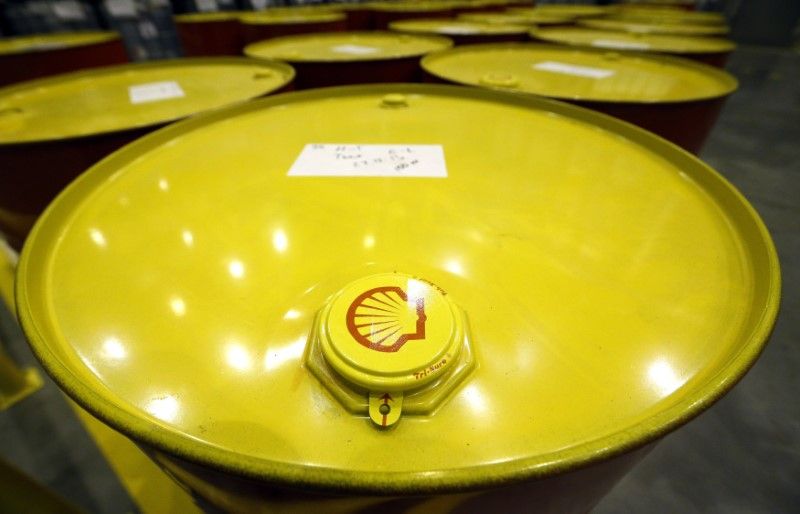
The Largest Oil Producer in Brazil After Petrobras, Shell Claimed It Will Reduce Capital Expenditures to $20 Billion or Less.
In an effort to address the recent collapse in oil prices, oil company Shell announced on Monday that it will cut investments by $5 billion and has also halted its extensive $25 billion share buyback plan. Petrobras Requests Disbursement of $8 Billion from Banks to Strengthen Liquidity and Face Oil Crisis
Read Also
- Halliburton Seeks Technical High School Students for Internship Positions in Macaé
- Petrobras Denies That There Are Dozens of Infected People Aboard Platform P-67, Among Other Rumors
- Coronavirus: Understand How the Crisis in the Chinese Economy Could Cause an Economic Collapse in Brazil and Worldwide
While seeking to reduce operational costs by an additional $3 billion to $4 billion over the next 12 months, the largest oil producer in Brazil after Petrobras, Shell claimed it will reduce capital expenditures to $20 billion or less, down from a planned level of around $25 billion for the next 12 months.
-
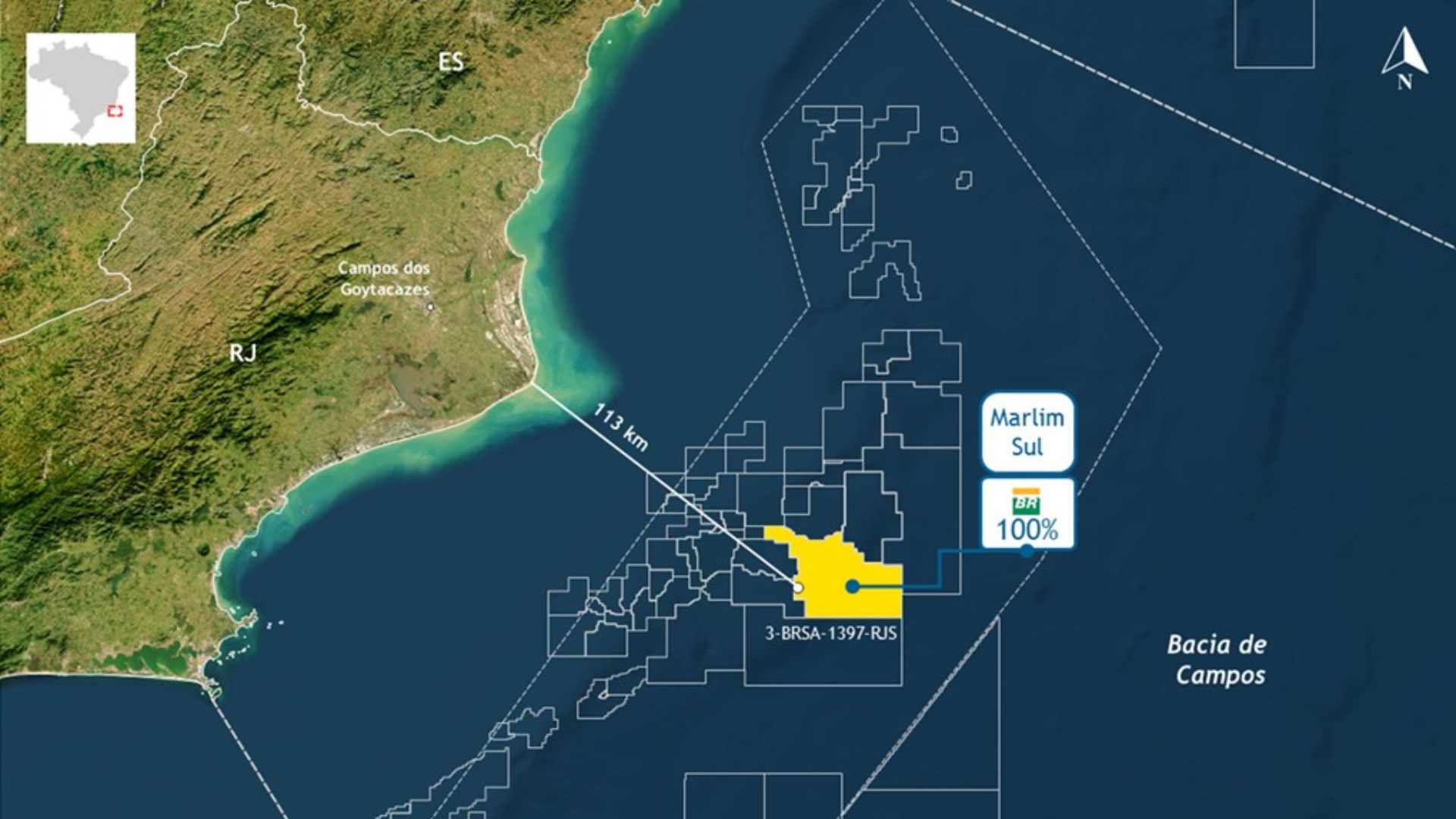
Petrobras announces new oil discovery in the pre-salt of the Campos Basin and reinforces Brazil’s prominence with high-quality reserves that can increase production and energy revenues.
-
Alert in the fuel market: Analysts and a former director of ANP warn that oil prices may worsen in the coming months due to global instability.

-
Ocyan brings executives and digital solutions to Macaé Energy 2026 and highlights offshore expansion with Nexio and a new base in Macaé.

-
Petrobras advances 4.6% with rising oil prices and the dollar, reigniting the debate on macro risks, pricing policy, and fiscal impact in Brazil.

The cuts are expected to increase Shell’s cash generation by between $8 billion and $9 billion before taxes. Shell’s shares fell by 3.5% at the start of trading in London, against a decline of 3% for stocks in the European energy sector.
In just two months, oil prices have plummeted due to the impact of the virus and pressure from Saudi Arabia to increase production after the collapse of an agreement between OPEC and its allies, known as OPEC+, to curb supply.
According to data from Bank of America Global Research, an increase in oil supply from the Organization of the Petroleum Exporting Countries (OPEC) and other producers could overwhelm global storage as the coronavirus reduced demand pushing costs below $20 per barrel.
The data also indicates that global consumption could contract by more than 0.5 mbpd in the first half of 2020, with the situation potentially spreading to the second half if the virus outbreak is not contained. “4 million barrels per day of new OPEC+ supply could arrive in the next two months.”
This surplus could quickly fill the world’s available storage capacity – and if land storage is insufficient, additional floating storage will be necessary, the bank stated.
As oil inventories increase, the contango in U.S. oil – where costs for future delivery are more expensive than those for immediate shipment – could widen and make U.S. oil more expensive than the global benchmark Brent, it added.
This could shift U.S. shale production, “if shale drillers stopped completing wells today, it would take about 12 months for U.S. supplies to fall by 4 mbpd,” Bank of America reported.










Seja o primeiro a reagir!