





 Português
  Inglês
  Espanhol
  4 min de leitura
  0 comentários


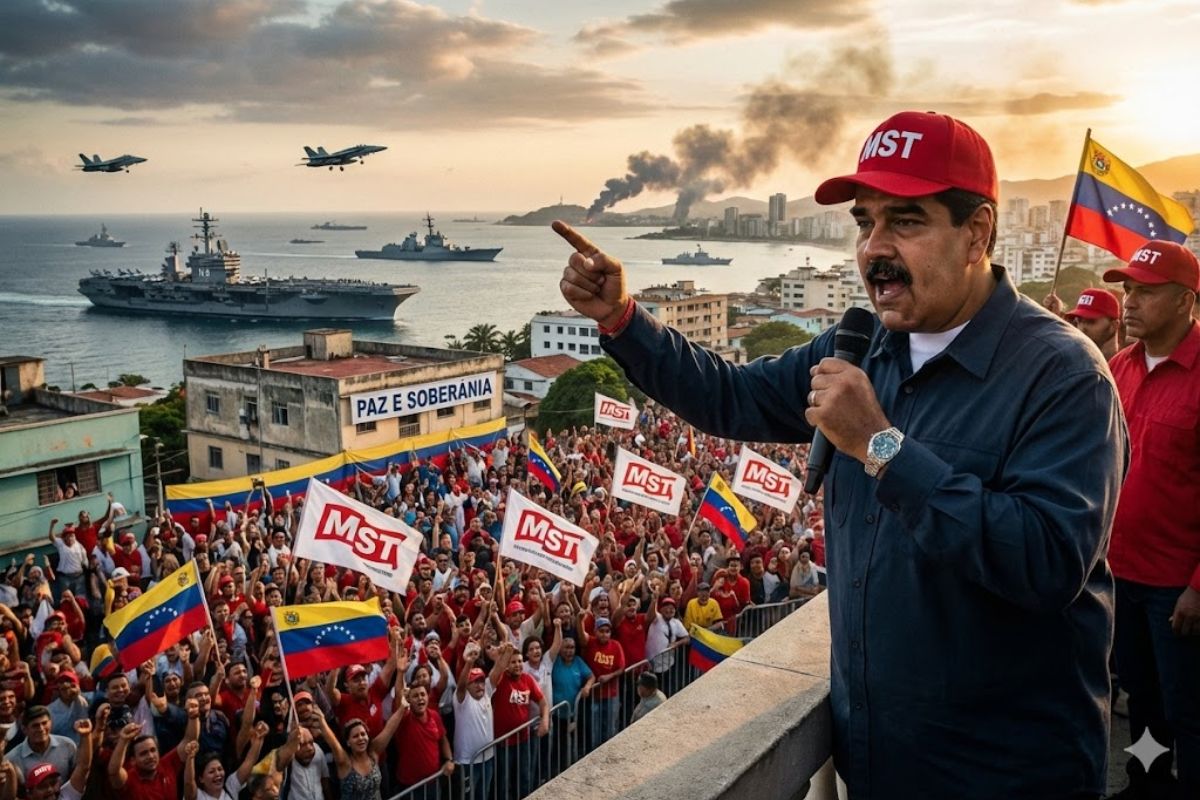
In TV Program This Friday, December 5, 2025, Maduro Wore MST Cap, Mixed Portuguese and Spanish, and Asked Brazilians to Defend Venezuela While the U.S. Expands Attacks on Drug Trafficking and Accuses Him of Leading the Los Soles Terrorist Cartel in Operations in the Caribbean.
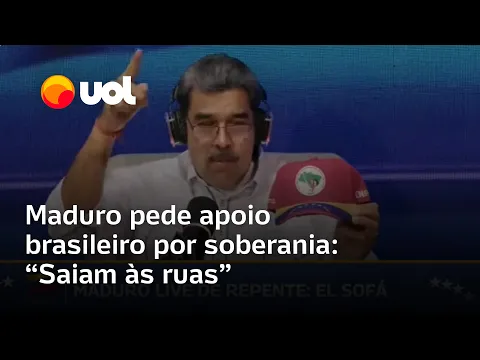
In a TV program broadcast this Friday, December 5, 2025, the president of Venezuela, Nicolás Maduro, was seen speaking in Portuñol, wearing an MST cap in front of the cameras, and asking Brazilians to take to the streets in support of the struggle for peace and sovereignty of the country.
According to UOL, the appeal comes as, yesterday, December 4, 2025, the U.S. government announced new attacks against drug trafficking in the Caribbean and the Pacific Ocean, operations used by the White House to support the accusation that Maduro would lead a drug cartel classified as a terrorist organization.
Appeal in Portuñol and MST Cap on TV Network
In the program’s images, Maduro receives from one of the participants a cap from the Landless Workers Movement, a symbol of the Brazilian movement.
-
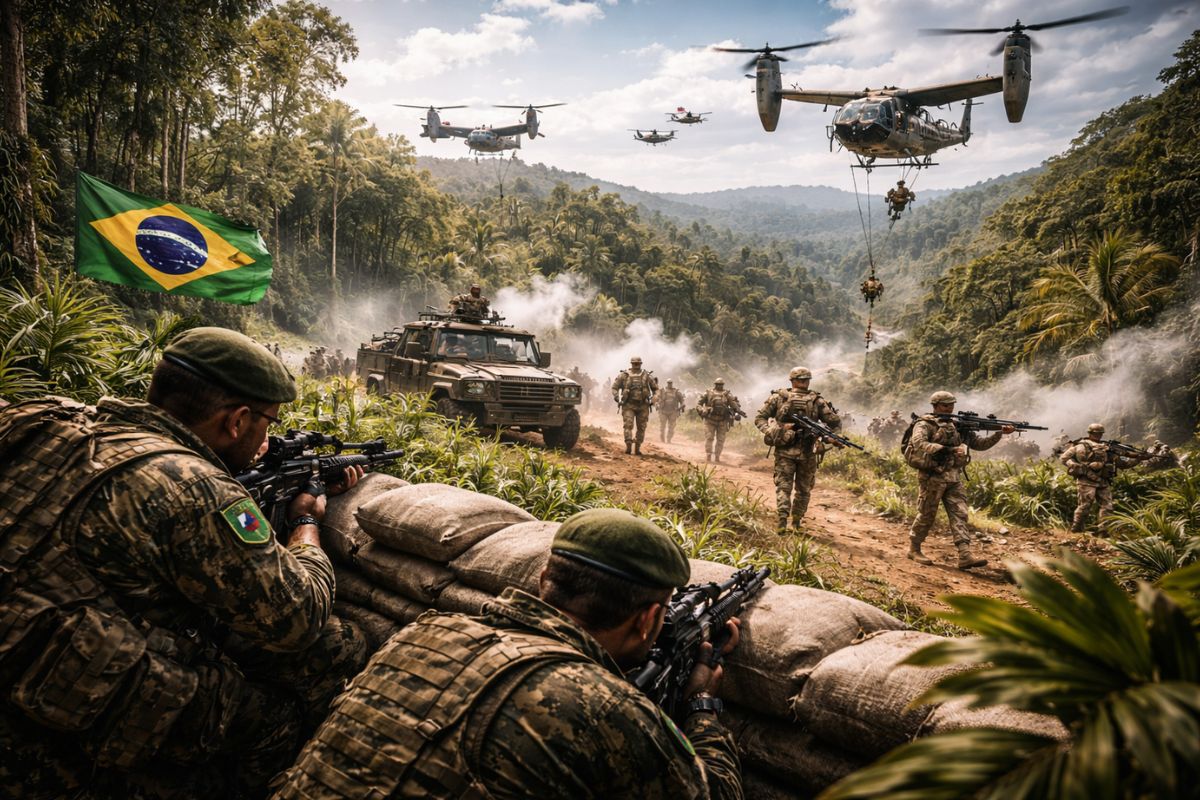
If the USA were to go to war with Brazil, Washington’s greatest fear would not be the attack itself, but facing a vast territory, prolonged resistance, and a costly, chaotic, and unpredictable occupation.
-
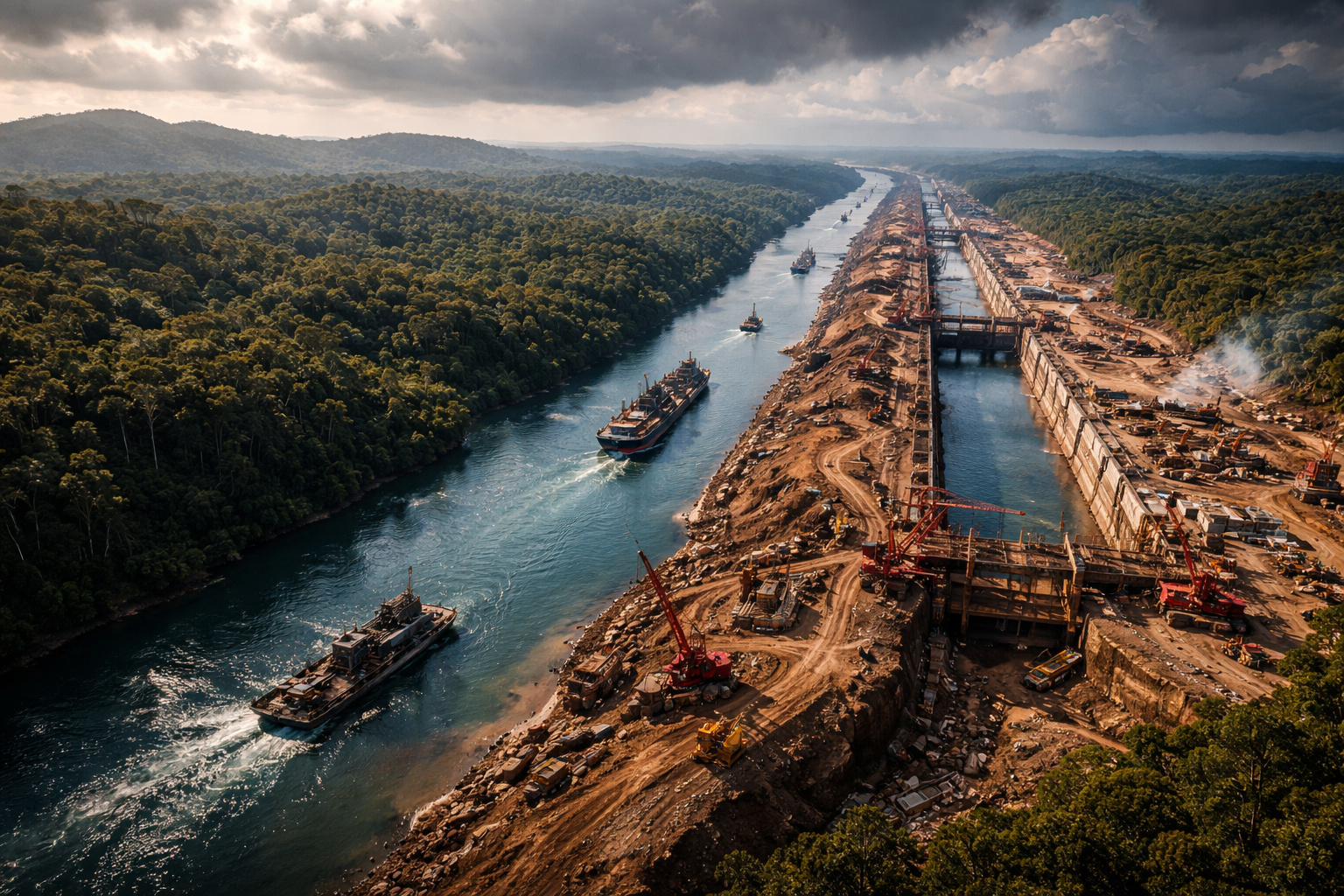
In 2013, Nicaragua sold the concession for a canal to rival Panama to a Chinese billionaire who lost 85% of his fortune, disappeared, and was declared bankrupt. Now the project resurfaces with a new route, a new Chinese partner, and a cost of $64.5 billion.
-
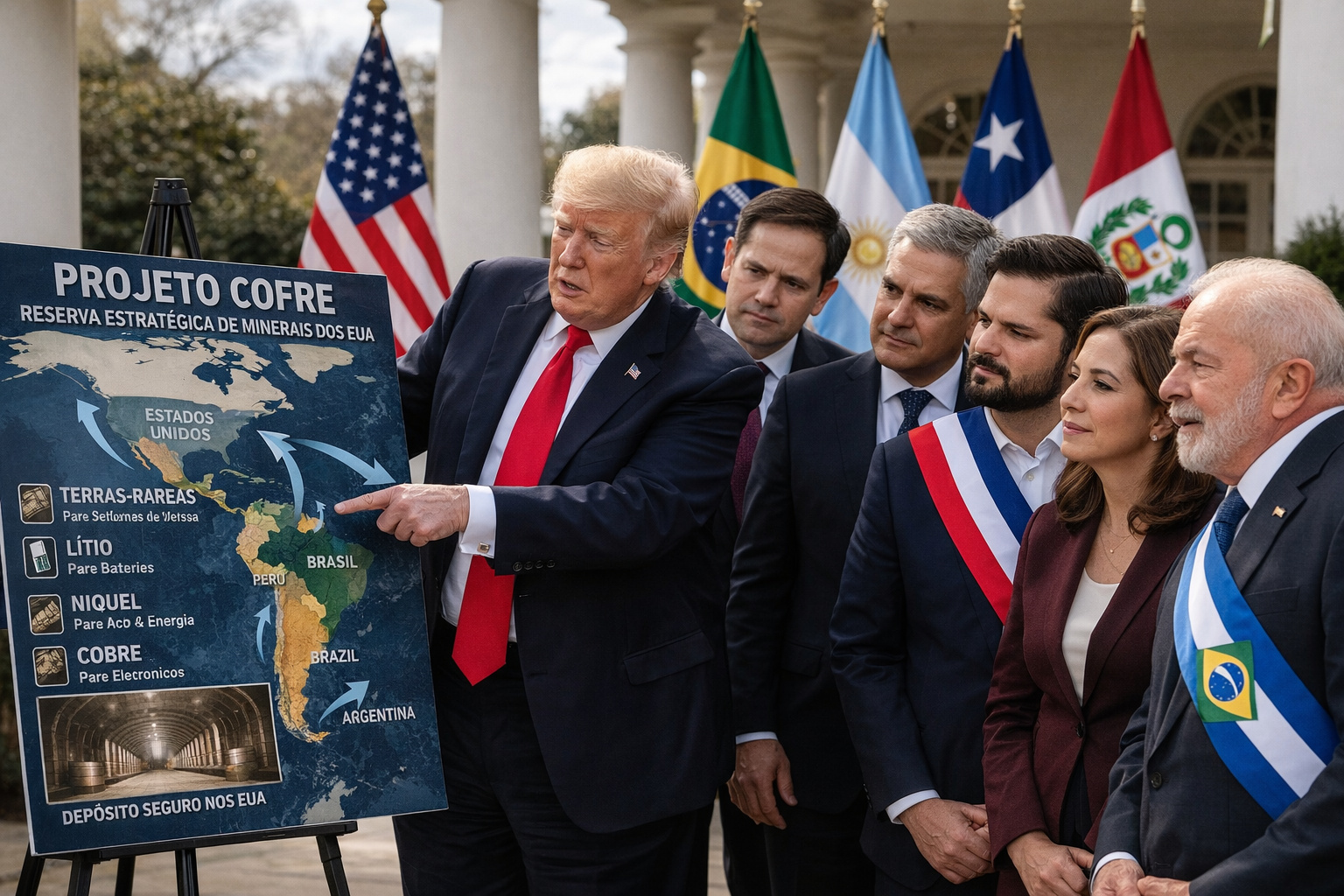
The USA announces a mysterious billion-dollar vault project to store critical minerals, but what intrigues experts is not just the plan itself, but why Latin America, including Brazil, has entered the center of this global dispute against China.
-
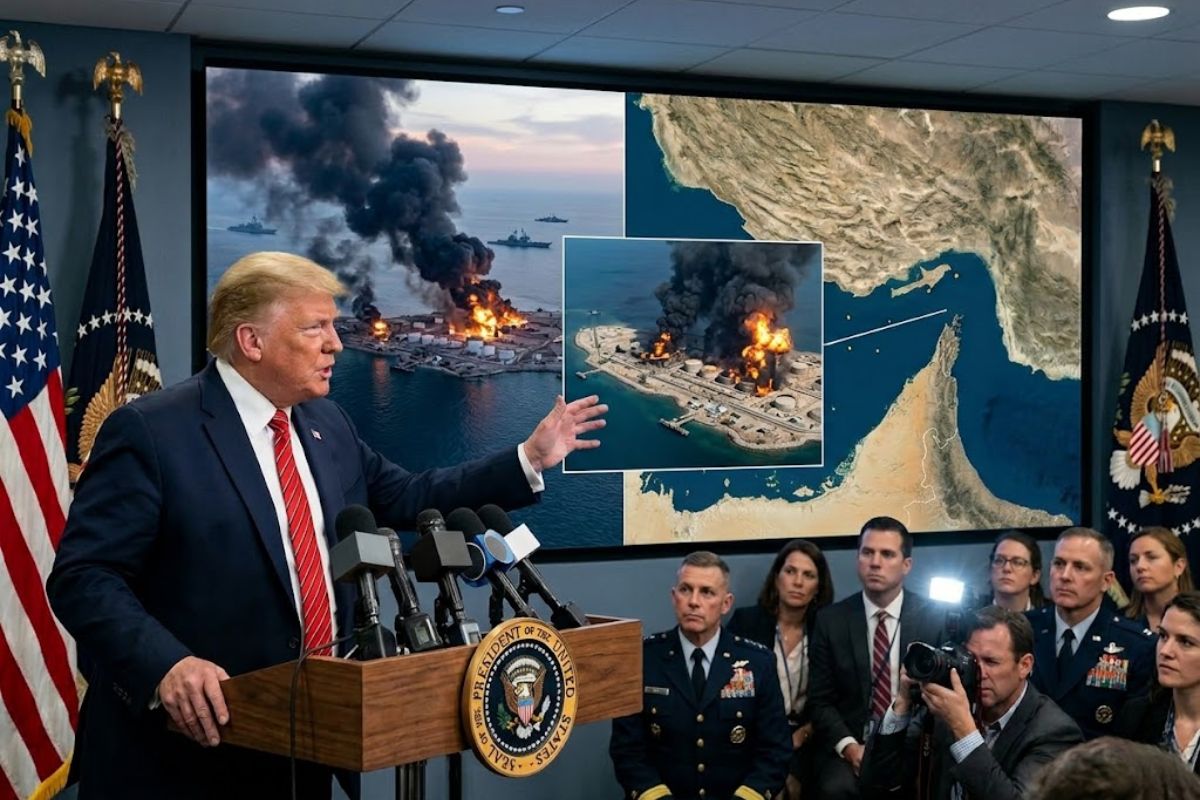
Trump Announces Bombing of U.S. Military Targets on Iranian Island Responsible for About 90% of Iran’s Oil Exports, Warns of Further Attacks if Navigation in Strategic Strait of Hormuz Is Threatened

With the accessory in hand, he begins to speak, mixing Portuguese and Spanish in front of the audience in Venezuela.
In a calling tone, the president repeats catchphrases like “the struggle continues and the victory belongs to us” and loudly praises “the unity of the Brazilian people” and “the unity of the Venezuelan people.”
At one point, he asks the people of Brazil to take to the streets to support Venezuela and the struggle for peace with sovereignty, ending the segment with a emphatic “Long Live Brazil.”
U.S. Attacks in the Caribbean and Pacific Against Drug Trafficking

On Thursday, December 4, 2025, the U.S. Armed Forces reported conducting another attack in the Pacific Ocean, against boats that, according to Washington, would be operated by a terrorist organization responsible for transporting drugs to American territory.
In total, more than 80 people have already been killed and 23 boats have been targeted by the operations, justified by the Trump administration as a way to “stop the flow of narcotics” entering the United States.
The military actions are presented as part of a broader strategy to combat drug trafficking.
Since August, the U.S. government has reinforced the presence of the United States in the Caribbean Sea and the Pacific Ocean.
The declared objective of Washington is to combat drug trafficking that circulates in the region and crosses borders until it reaches the North American consumer market.
White House Links Maduro to the So-Called Los Soles Cartel
The White House claims that Nicolás Maduro is the leader of the so-called Los Soles Cartel, a group that the United States classifies as a terrorist organization.
According to the U.S. government, this criminal structure would be behind the transportation of drugs along routes that pass through the Caribbean and the Pacific, directly affecting the country’s security.
Meanwhile, the Venezuelan government calls the accusation “ridiculous” and maintains that the group “never existed,” reiterating that Maduro vehemently denies any involvement in a cartel.
Despite the denial, the issue remains at the center of the political and judicial dispute between Caracas and Washington.
In addition to the accusations against the president, two nephews of Maduro’s wife have already been convicted of cocaine trafficking in New York, United States.
The case is frequently cited by American authorities to support the narrative that the family circle of the leader of Venezuela is linked to international drug trafficking.
Accusations of Fuel Theft, Mining, and Corruption in Venezuela
According to the organization Insight Crime, the group identified as the Los Soles Cartel is accused of various crimes within Venezuela itself.
Among the main activities attributed to the cartel are fuel theft, mining, and different corruption schemes related to drug trafficking.
These suspicions add to the military operations of the United States in the region and increase international pressure on Maduro’s government and the internal situation in Venezuela.
Maduro’s Reaction and Impact on Brazil and the Region
By raising the MST cap and speaking in Portuñol, Maduro reinforces the idea of solidarity between the peoples of Venezuela and Brazil, combining the symbolic gesture with the discourse of Latin American unity.
The gesture suggests an attempt to transform the dispute with the United States into a regional cause, with a direct appeal to social movements and Brazilian public opinion.
At the same time, the American military escalation in the Caribbean and the Pacific and the accusations of terrorism and drug trafficking keep Venezuela at the center of geopolitical tensions on the continent, while the country faces serious internal political, economic, and social challenges.
In light of this scenario, do you think Maduro’s appeal to Brazilians could influence how Brazil positions itself regarding Venezuela and the actions of the United States?









Seja o primeiro a reagir!