





 English
  Francês
  Alemão
  Italiano
  Japonês
  Norueguês
  Portuguese
  Spanish
 6 min of reading
  0 comments


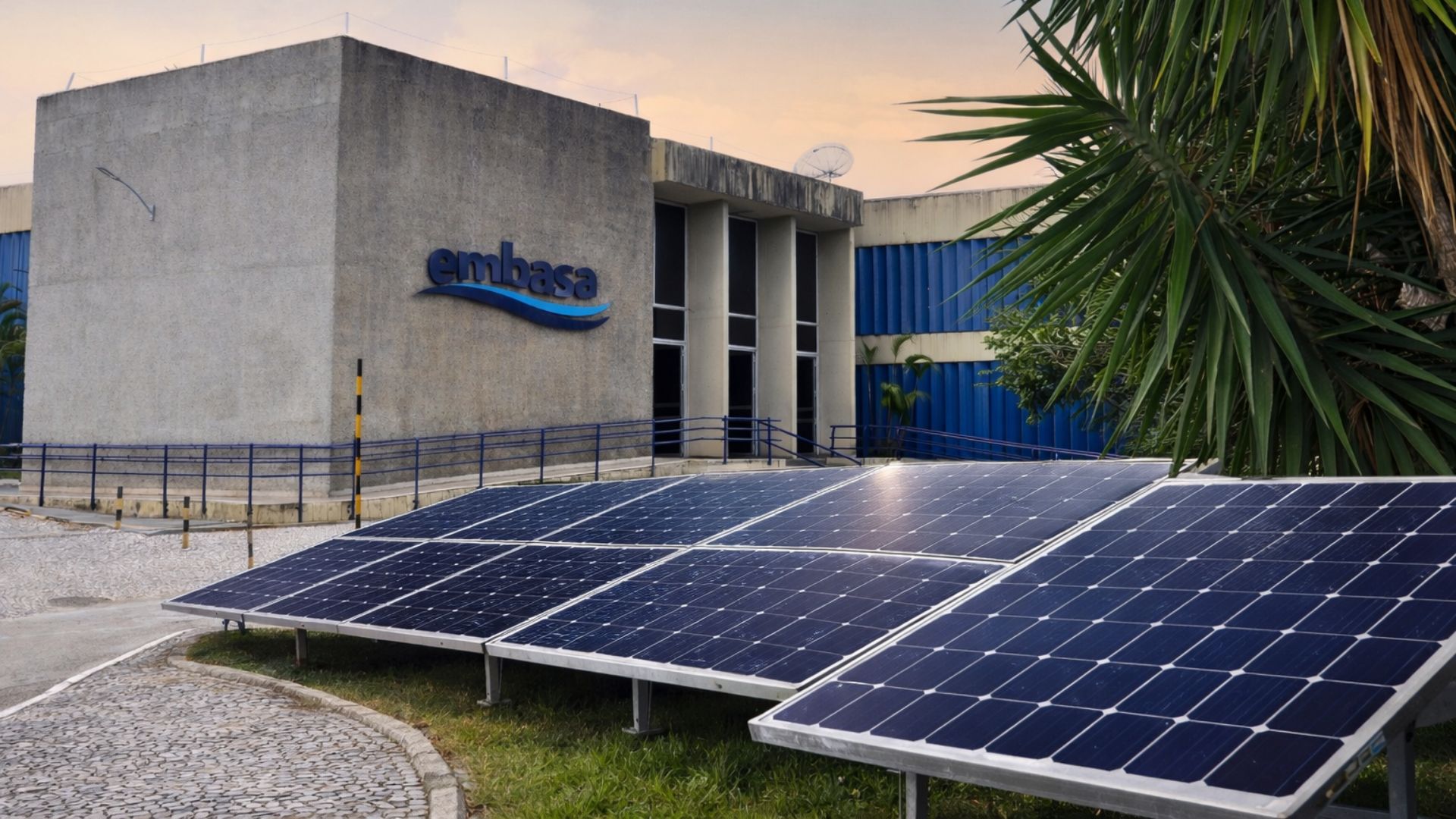
Embasa Expands Solar Energy Use in Bahia with New Plants and Accelerates Energy Transition in Sanitation, Reducing Operational Costs and Expanding Renewable Source Usage.
Embasa took a significant step to strengthen the energy transition in the sanitation sector by expanding the use of solar energy in its operations in Bahia. The company contracted over 15 MWp (megawatt peak) in solar plants under the distributed generation model. This initiative is part of the company’s Renewable Energy Program and marks a new phase in the state-owned company’s energy sustainability strategy.
According to a publication from the Government of Bahia this Thursday (12), with the implementation of the new plants, it is expected that by May of this year, around 99% of the energy consumed by Embasa will come from renewable sources. This move positions the company among the public enterprises with the highest participation of clean energy in their energy matrix in Brazil.
Increasing the use of solar energy is not limited to environmental concerns. The measure also aims to reduce operational costs, increase energy efficiency, and bring greater predictability to electricity expenses. In sanitation companies, energy spending often represents a significant portion of operational expenses, especially due to the continuous operation of pumping and water treatment systems.
-
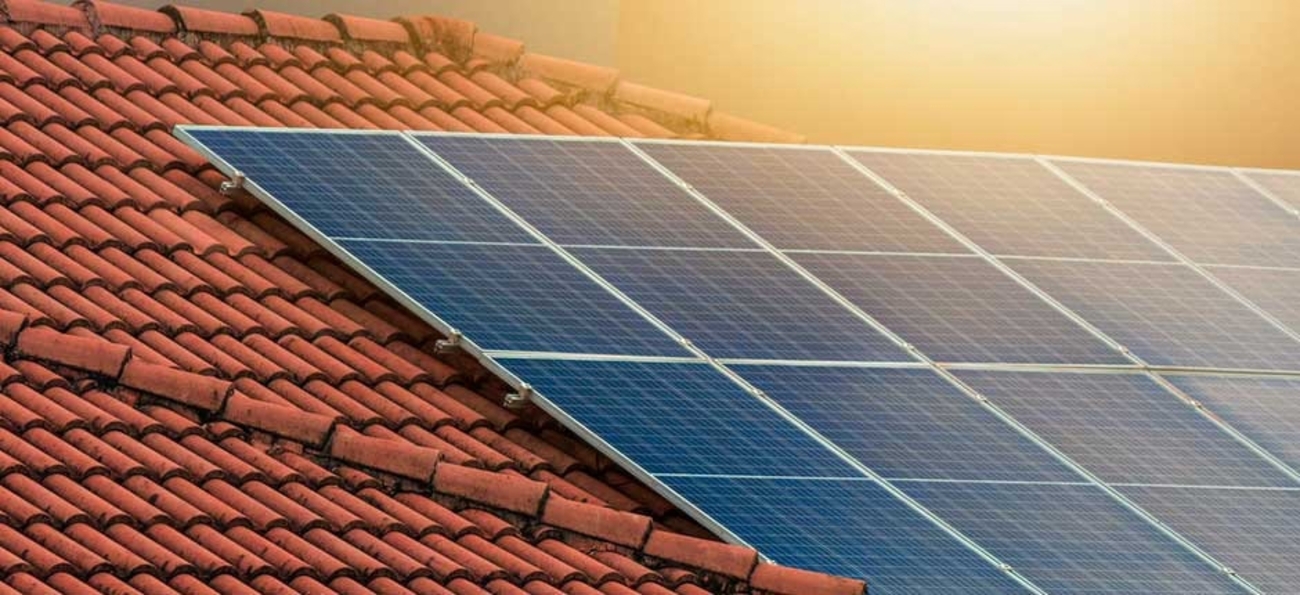
Roraima bets on the sun to escape high tariffs: Amid the energy crisis and price hikes, solar energy is growing in Roraima and transforming consumption in the North region.
-
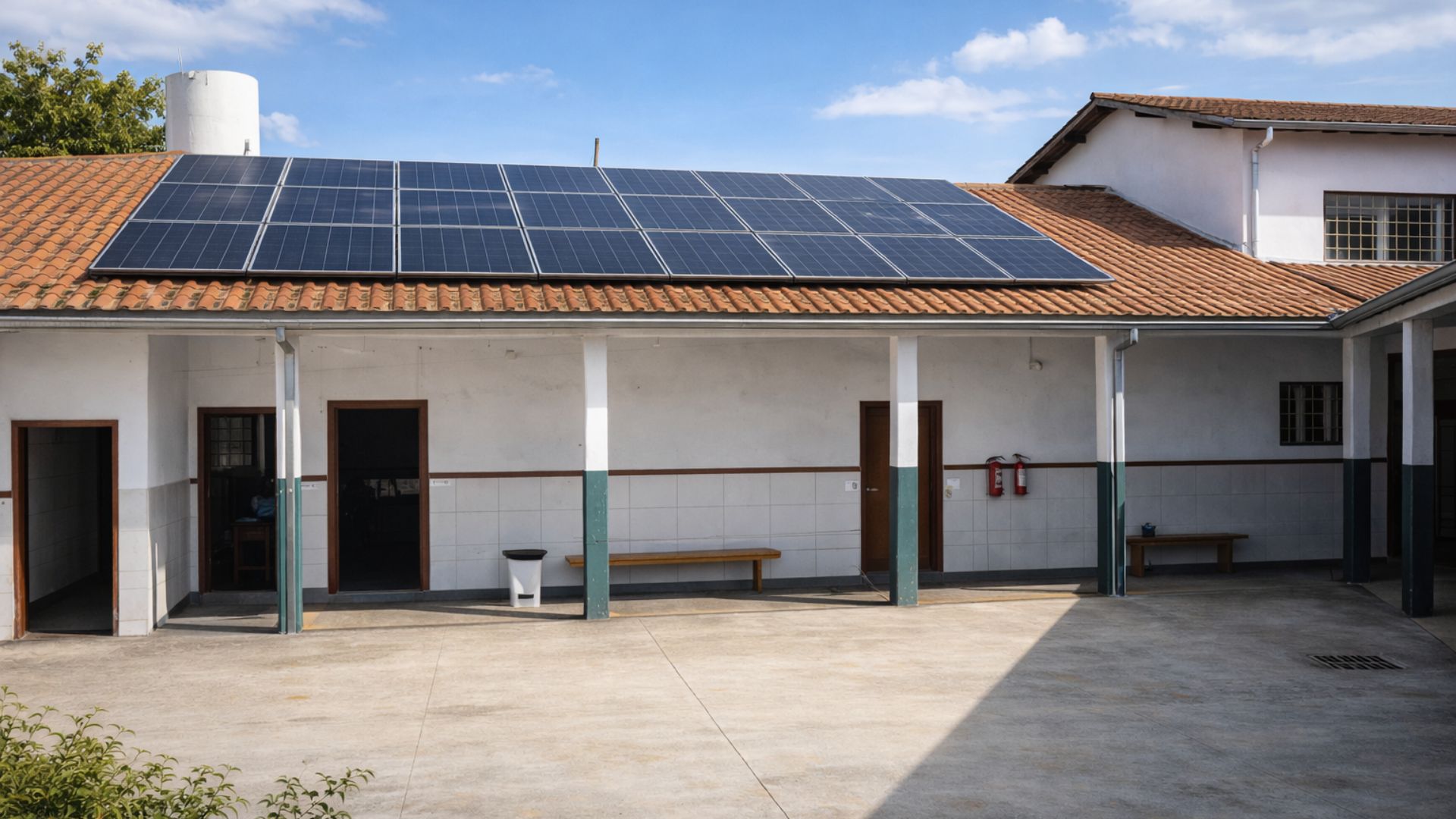
Copel boosts solar energy in Paraná and brings innovation to public schools, promoting savings on electricity bills, energy efficiency, and a direct impact on the quality of education.
-
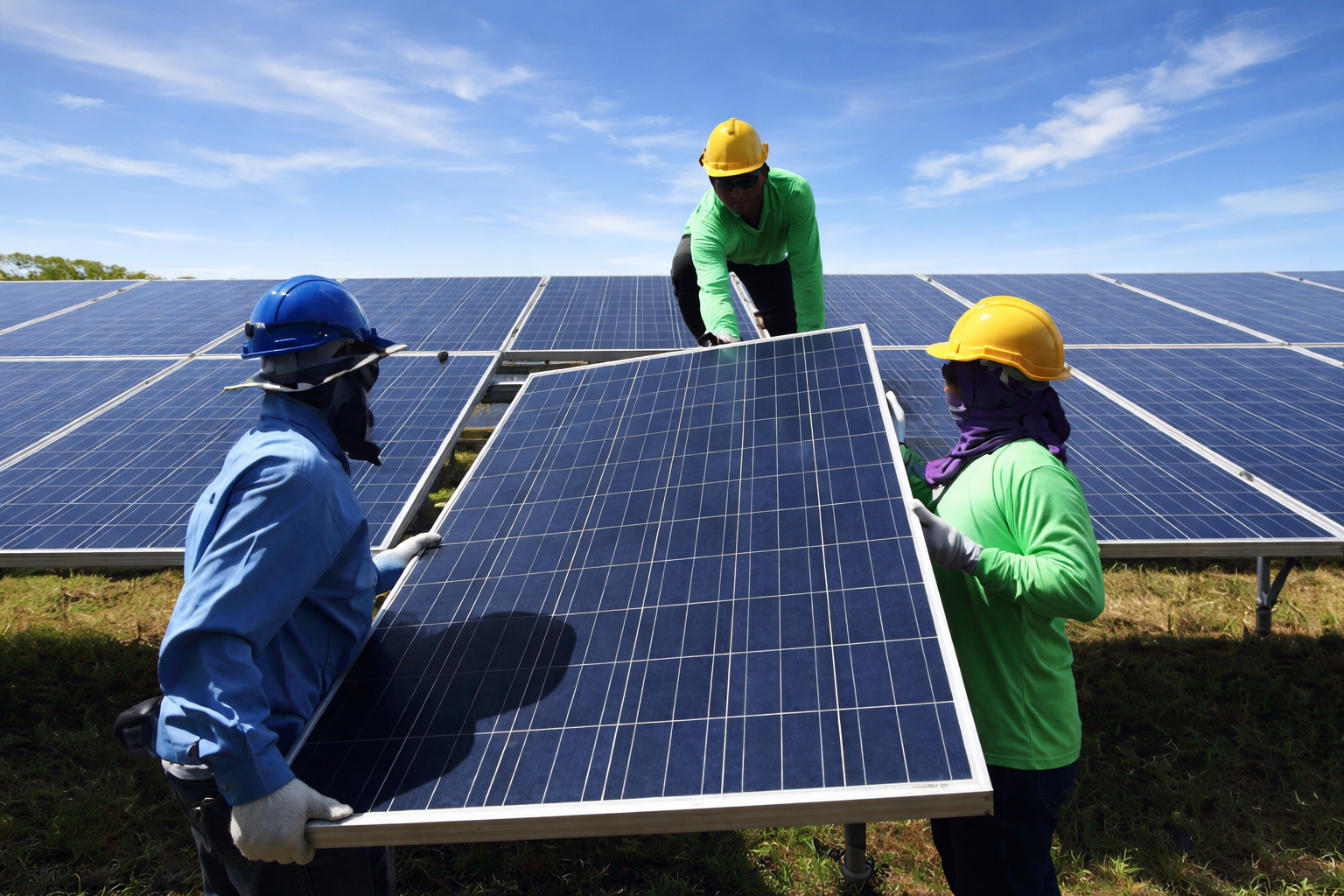
Brazil reaches historic milestone in solar energy: Sector surpasses 2 million accumulated green jobs and generates billions in the national economy even under market pressure.
-
Minas Gerais takes the lead in renewable energy: State surpasses historic mark of 14 GW in solar energy generation in MG and consolidates dominance in the Brazilian electric sector.
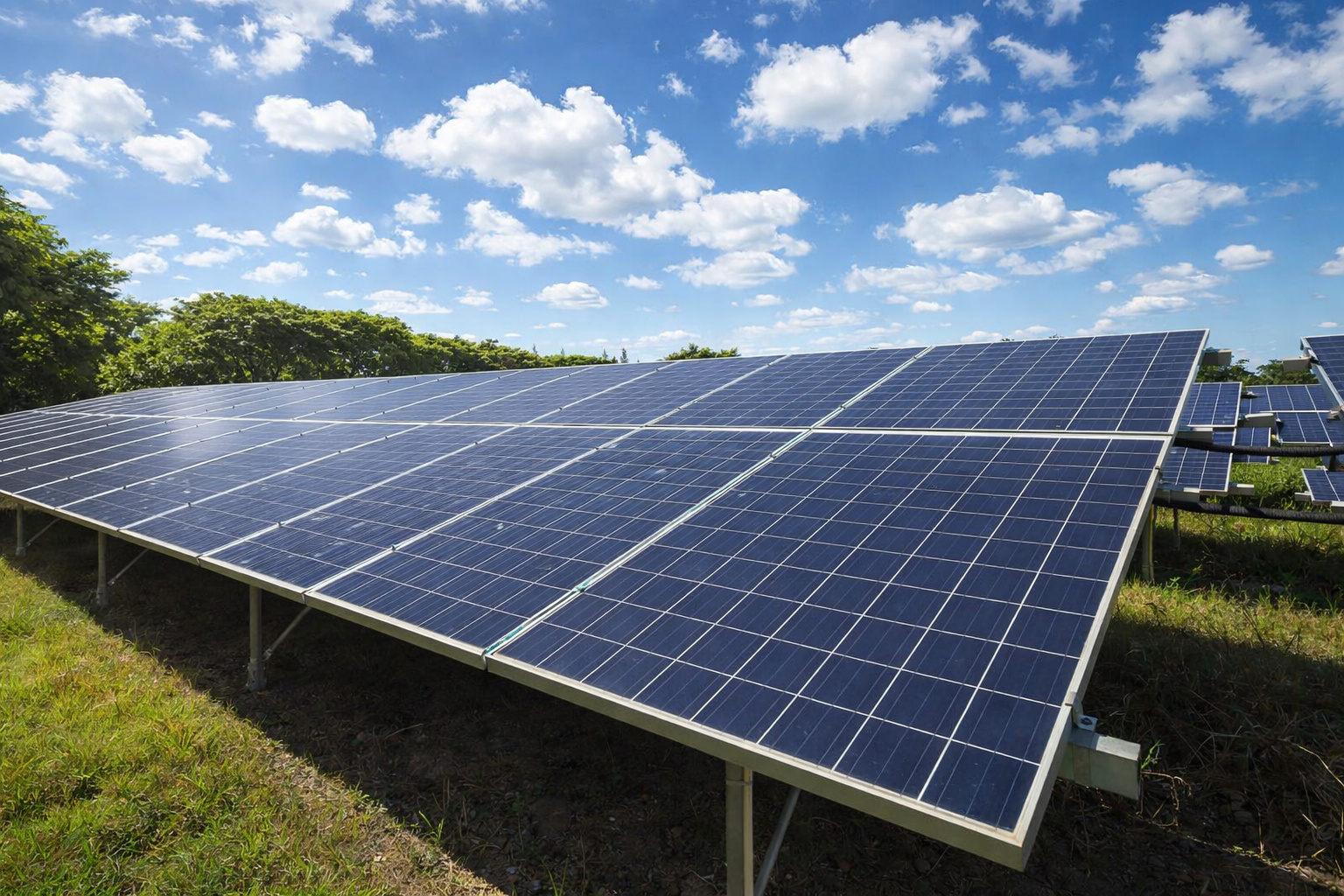

By investing in photovoltaic generation, Embasa strengthens its energy modernization strategy and reinforces Bahia’s leadership in the national energy transition scenario.
New Solar Plants Will Generate Energy Credits for Over 1,500 Operational Units
The energy generated by the new solar energy plants will be injected into the distributor’s grid and converted into energy credits. These credits will be used to offset the consumption of more than 1,500 low-voltage units of Embasa spread throughout the state.
This model follows the rules of distributed generation, regulated in Brazil by the National Electric Energy Agency (ANEEL). In this system, the electricity produced by photovoltaic plants enters the power grid and generates credits that can later be used to reduce the electricity bill of different units of the same company.
In the case of Embasa, these units include administrative offices, technical facilities, operational centers, and other smaller company structures. Although they represent only a portion of the company’s total energy consumption, these units are spread across the territory of Bahia, making the energy compensation model particularly efficient.
With this strategy, Embasa expands the use of solar energy and strengthens its energy transition policy while optimizing electricity consumption management in its operations.
Solar Energy Contracted by Embasa Could Supply About 25,000 Households
The total generation capacity of the plants contracted by Embasa allows for estimating the energy impact of the initiative. According to estimates based on the national average electricity consumption, the amount of electricity generated could supply approximately 25,000 households with five residents each.
This comparison helps demonstrate the relevance of expanding solar energy within the company’s operations. Although production is intended for the company’s internal consumption, generating this volume of clean energy helps reduce the demand for electricity from more expensive or polluting sources.
Additionally, the expansion of solar generation follows a national trend. Brazil has seen steady growth in the adoption of photovoltaic systems in recent years, driven by decreasing equipment costs and an increasing search for sustainable energy solutions.
In this context, initiatives like those from Embasa reinforce Bahia’s role as one of the states with the greatest potential for expanding solar generation in the country, favoring the advancement of the energy transition.
Solar Plants Are Distributed Across Different Cities in Bahia
The nine solar energy plants contracted by Embasa are already in operation and are distributed across several municipalities in Bahia. Among the cities hosting these projects are Barreiras, Paratinga, Gentio do Ouro, Iramaia, and Rio do Antônio, as well as other municipalities included in the project.
The geographic distribution of the plants allows for better utilization of the region’s solar potential and increases the efficiency of the distributed generation system. By spreading the units across different areas of the state, the company also reduces operational risks and improves the stability of energy production.
Despite being ready, the official start of energy supply will depend on the completion of administrative procedures with Neoenergia Coelba, the concessionaire responsible for electricity distribution in the state.
The estimated timeframe for this stage is up to 90 days, as provided for in the contract signed for the project. After this process is completed, the plants will begin generating energy credits that will be used to offset the consumption of the company’s units.
This stage represents another advancement for Embasa in the expansion of solar energy and reinforces Bahia’s leadership in the energy transition within the public sector.
Solar Energy Helps Embasa Reduce Costs and Avoid Tariff Flags
In addition to environmental benefits, the adoption of solar energy has direct impacts on the financial management of Embasa. The self-generated energy allows for lowering electricity expenses and increasing the predictability of operational costs.
According to Thiago de Oliveira, manager of the Operational Technology and Energy Unit of Embasa, the plants were contracted through a bidding process conducted in August 2025. The chosen model was distributed generation, considered one of the most efficient for companies with a large number of operational units.
According to the manager, the initiative brings significant economic benefits. In addition to ensuring supply from renewable sources, the project is also set to reduce electricity expenses at the served units.
Another relevant point is that self-generation helps avoid the incidence of so-called tariff flags, a mechanism indicating an increase in energy generation costs in the country that can raise electricity bills.
With the expansion of solar energy, Embasa reduces its exposure to these tariff fluctuations, strengthening its energy transition strategy in Bahia.
Renewable Energy Program Expands Reach Within Embasa
The new block of solar energy contracting represents an important evolution within Embasa’s Renewable Energy Program. In previous phases, the project had already included high and medium voltage units of the company.
Now, the program’s expansion will also serve smaller units, significantly increasing the initiative’s reach.
This expansion allows for virtually the entire company’s structure to be included in the energy transition process, reinforcing the company’s commitment to sustainability and innovation.
According to the president of Embasa, Gildeone Almeida, the new solar generation contract consolidates the company’s position as a national reference in energy sustainability in the sanitation sector.
By expanding the use of solar energy, the company also strengthens Bahia’s image as a state committed to clean energy solutions and the modernization of public infrastructure.
Expansion of Solar Energy Strengthens Bahia’s Leadership in the Energy Transition of Sanitation
Recent advancements by Embasa demonstrate how the sanitation sector can play an important role in the energy transition process in Brazil. Companies in this segment have a high demand for electricity, primarily due to the continuous operation of water intake, pumping, and treatment systems.
By investing in solar energy, the company reduces environmental impacts and also increases the energy efficiency of its operations.
Since January 2026, approximately 736 Embasa units that operate in the free energy market are already supplied by renewable sources. The expectation is that by the end of the year, the company will reach 800 high and medium voltage units powered by clean energy.
The company’s final goal is ambitious: to achieve 100% of energy from renewable sources by 2026.
If achieved, this objective will solidify Embasa as one of the most advanced public companies in the country in the use of clean energy. The project also reinforces Bahia’s leadership in the national energy transition scenario, especially in infrastructure and essential services.
With the expansion of solar energy, the company demonstrates that sustainability, economic efficiency, and innovation can walk hand in hand in the modernization of Brazilian sanitation.








Seja o primeiro a reagir!