





 Português
  Inglês
  Espanhol
  4 min de leitura
  8 comentários





Embraer and the Brazilian Air Force (FAB) Are Adapting the C-390 Millennium for Maritime Patrol, Integrating Anti-Ship Missiles and High-Tech Sensors. This Transformation Reinforces National Defense and Positions Brazil as a Leader in Aerospace Innovation. Focused on Surveillance and Strategic Protection, the Project Promises to Revolutionize the Global Defense Aircraft Market.
With an innovative agreement signed in 2024, the Brazilian Air Force (FAB) and Embraer are redefining the role of the C-390 Millennium aircraft.
An ambitious adaptation project transforms this tactical transport platform into an advanced surveillance and maritime patrol tool.
The partnership not only drives the modernization of Brazil’s defense capabilities but also positions the country as a global leader in technological innovation in the aerospace sector.
-
With 11,000 tons and sensors capable of hunting submarines at long distances, the Type 055 has become one of the most feared floating arsenals of the Chinese navy.

-
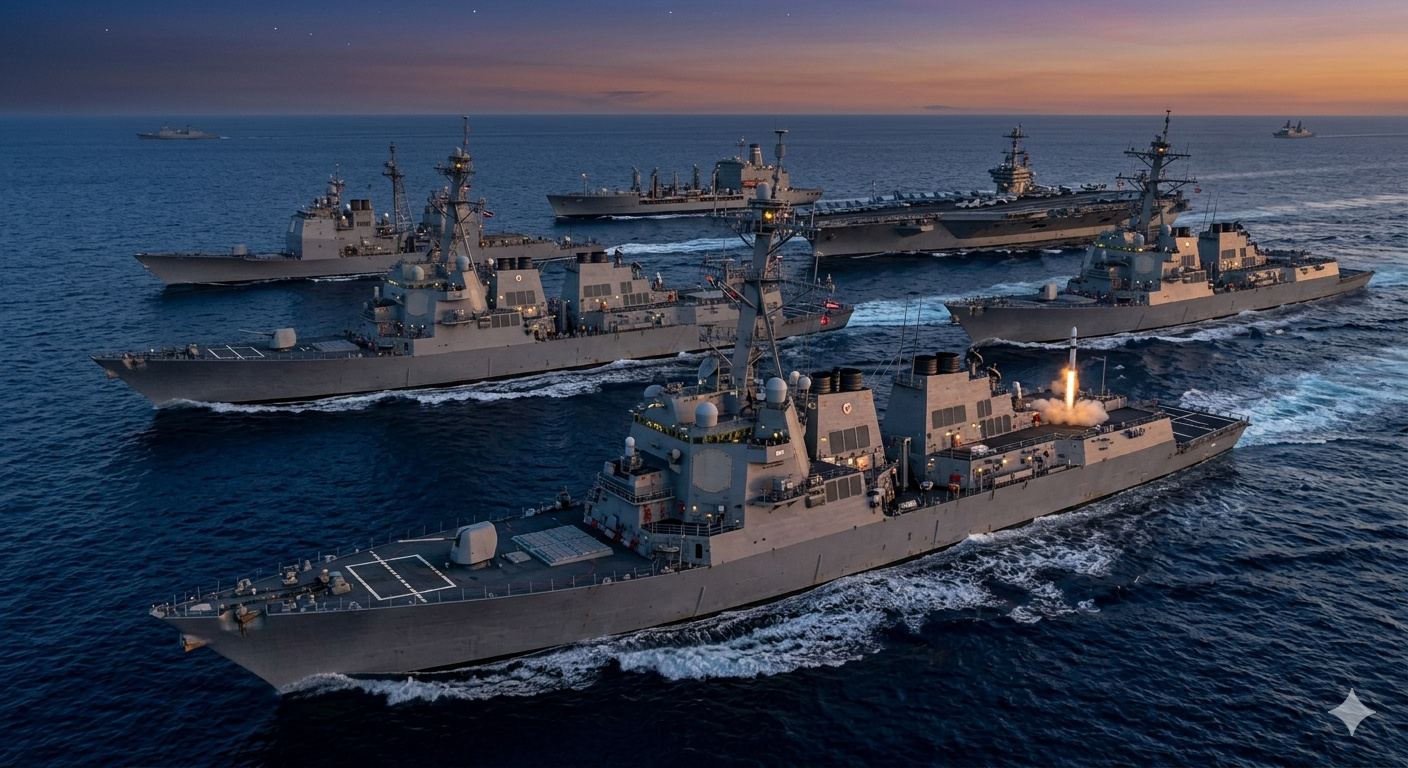
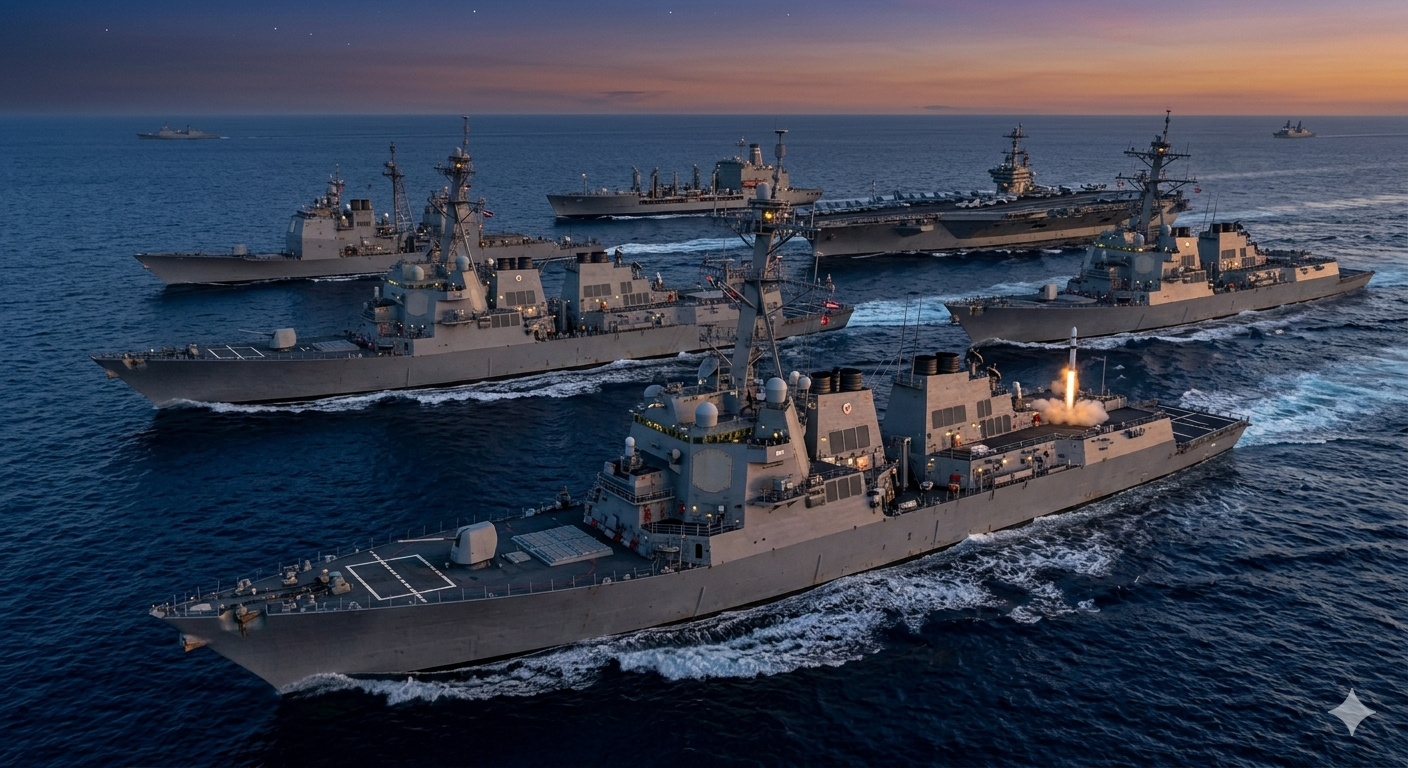
With over 15,000 tons, radars capable of tracking hundreds of targets simultaneously, and more than 120 missiles ready for launch in seconds, modern destroyers cease to be escorts and begin to dominate the naval battlefield.
-
With over 15,000 tons, radars capable of tracking hundreds of targets simultaneously, and more than 120 missiles ready for launch in seconds, modern destroyers cease to be escorts and begin to dominate the naval battlefield.
-
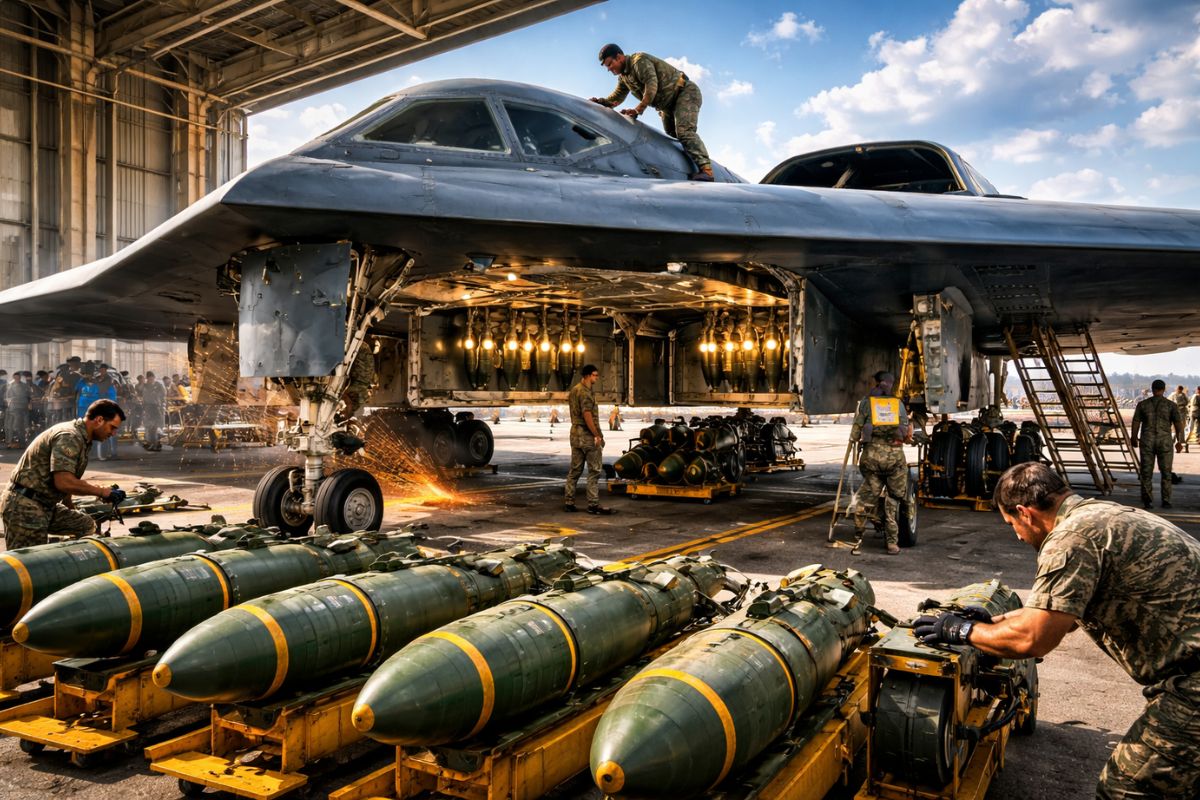
Valued at over $2 billion, the B-2 Spirit bomber requires meticulous inspection, bombs calibrated in a controlled environment, and extreme preparation to disappear from radar and launch attacks with lethal precision.

C-390 Millennium: From Tactical Transport to Maritime Surveillance
The C-390 Millennium, one of the most versatile aircraft in Embraer’s portfolio, is widely recognized for its troop transport, aerial refueling, and firefighting capabilities.
Now, it is being redesigned to perform Intelligence, Surveillance, and Reconnaissance (ISR) missions, with a focus on maritime patrol.
According to the commander of the FAB, Lieutenant Brigadeer Marcelo Damasceno, the transformation is essential to meet the growing needs for monitoring and protecting strategic areas of Brazil, including the pre-salt and other resource-rich zones.
Technological Innovations on Board
A central part of the C-390 adaptation involves the installation of state-of-the-art sensors. These systems include high-resolution radars, electro-optical cameras, infrared sensors, and other devices that enable real-time target identification even under adverse weather conditions.
According to experts, this technological update places the C-390 on par with iconic aircraft, such as the P-3 Orion, widely used in patrol missions around the world.
Additionally, the aircraft is being equipped with strategic armaments. One highlight is the integration of the AGM-84L Harpoon missile, a subsonic cruise system with a range of up to 278 kilometers.
This capability allows the C-390 to conduct long-range strikes, reducing exposure to risks in naval operations.
Maritime Patrol: A Strategic Necessity
Brazil has an extensive coastline of over 7,000 kilometers and is responsible for protecting one of the largest exclusive economic zones (EEZs) in the world.
This area is rich in biodiversity and natural resources, making it a frequent target for illegal fishing, smuggling, and other illicit activities.
The new configuration of the C-390 ensures an effective response to these threats, strengthening national and regional maritime security.
According to defense experts, the modularity of the C-390 is a competitive differentiator. The aircraft can alternate between transport, aerial refueling, and patrol missions depending on strategic needs, making it an ideal choice for operations in unpredictable scenarios.
Comparison with Global Competitors
The adaptation of the C-390 for maritime surveillance puts Embraer in direct competition with established models, such as the Boeing P-8 Poseidon and the Northrop Grumman MQ-4C Triton.
While these aircraft have impressive capabilities, the C-390 offers an advantage: its flexibility and lower operational cost. This makes it particularly attractive to emerging countries and air forces looking to modernize their fleets without exorbitant investments.
Furthermore, the model has the potential to replace older aircraft, such as the P-3 Orion, which are already showing signs of wear after decades of service. This positions the C-390 as a modern and economically viable solution for maritime patrol missions.
Market Outlook for the Adapted C-390
The global maritime surveillance aircraft market is expanding, driven by geopolitical tensions and the growing need to monitor strategic areas.
With the new configuration, Embraer can explore markets in Asia, Africa, and Latin America, as well as consolidate its position in Europe. Countries such as Portugal and Hungary, which already use the C-390 for other functions, are among the potential buyers of this adapted version.
Additionally, the project offers a unique opportunity to strengthen Brazil’s defense industrial base. The manufacturing and adaptation of the C-390 could generate skilled jobs and increase Embraer’s competitiveness in the international arena.
Risks and Challenges
Despite the optimism surrounding the project, challenges remain. Adapting an aircraft for such specific functions requires significant investments in research and development, as well as rigorous testing to ensure the effectiveness of the installed systems.
Experts also point out that the success of the C-390 as a maritime patrol platform will depend on its ability to compete in markets dominated by giants like Boeing and Northrop Grumman.
Additionally, the introduction of new weapon systems, such as the Harpoon missile, requires complex international agreements and alignment with arms export regulations.
The Impact on Brazilian Defense
The transformation project of the C-390 Millennium represents a milestone for Brazilian defense. With the new configuration, the FAB will be able to expand its presence in strategic areas, ensuring greater protection of national assets and contributing to regional stability.
This advance also strengthens Brazil’s position as a leader in technological innovation in Latin America.
The partnership between the FAB and Embraer in adapting the C-390 Millennium demonstrates Brazil’s commitment to modernizing its defense and expanding its influence in the aerospace sector.
The aircraft, already recognized for its versatility, is poised to become a global reference in maritime patrol and surveillance. This transformation not only benefits Brazil but also opens doors for new markets and international collaborations.







A embraer possui o super teco teco 29, se por um motor do gripado nesse teco teco, pode até vender como caça. E esse 390 teco teco pode ser usado para transporte presidencial, jâ que transporta canhão.
Ah, daqui a pouco vão comprar mais sucatas paras as forças armadas do Brasil.
O título dessa matéria contradiz o interesse do governo em fortalecer os Sistemas Astros. Muita conversa fiada e pouca ação. Por falar nisso, alguém tem notícias do Almirante Otton? Continua oferecendo perigo aos donos do mundo?