





 Português
  Inglês
  Espanhol
  4 min de leitura
  0 comentários



The New Quality Seals Reinforce Embrapa Agroindustry Tropical’s Commitment to Sustainable Innovation, Secure Scientific Research and Excellence in Laboratory Management in the Brazilian Agro-Industrial Sector
Embrapa Agroindustry Tropical reaffirmed its national leadership in agro-industrial research by winning two Seals of Excellence in Quality in Research, Development and Innovation (PD&I), according to a report published.
The recognition includes the Active Bank of Cashew Germplasm (BAG Caju) and the Extract Library of the Multi-User Laboratory of Natural Product Chemistry (LMQPN).
Both achieved maximum compliance standards in the Embrapa Quality Requirements (RQEs), developed to ensure the credibility, traceability and security of scientific data.
-
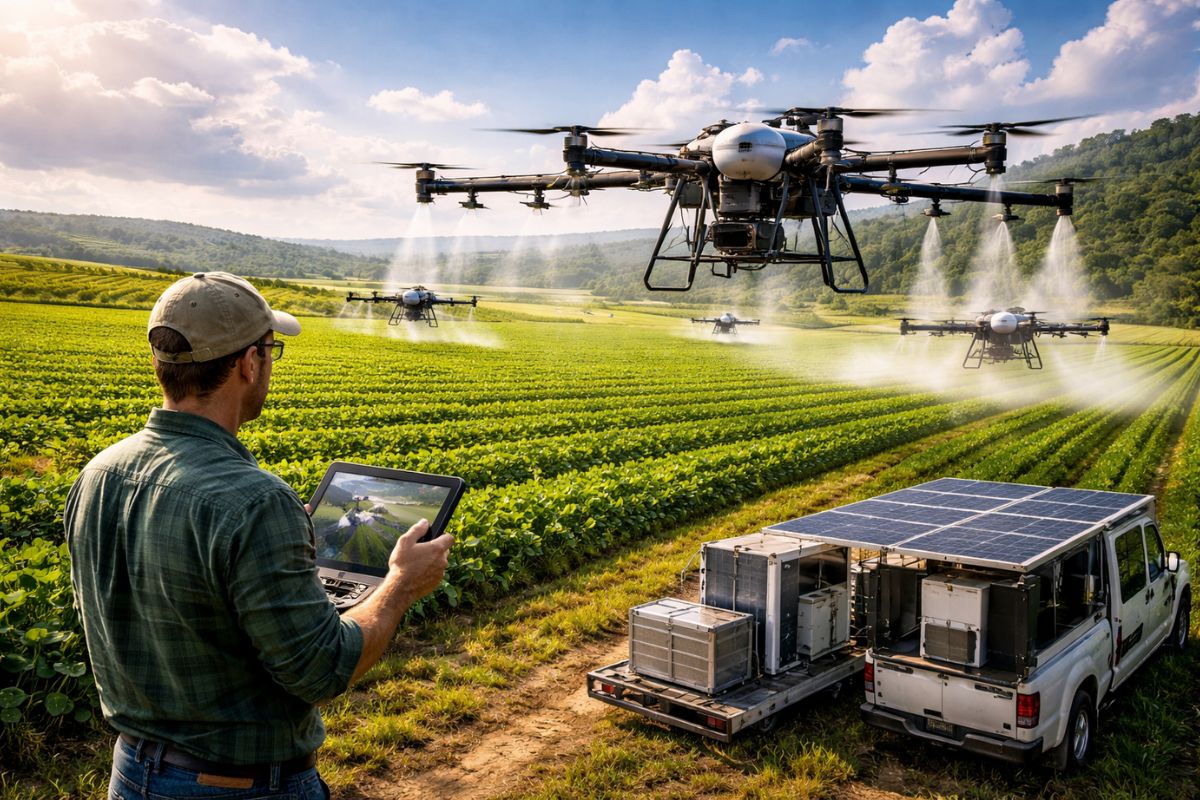
Alone, the producer applies 7,400 hectares with the T100 drone in an optimized structure, replaces the generator with a silent battery, and demonstrates how technology reduces costs, increases productivity, and even challenges the uniport in the field.
-
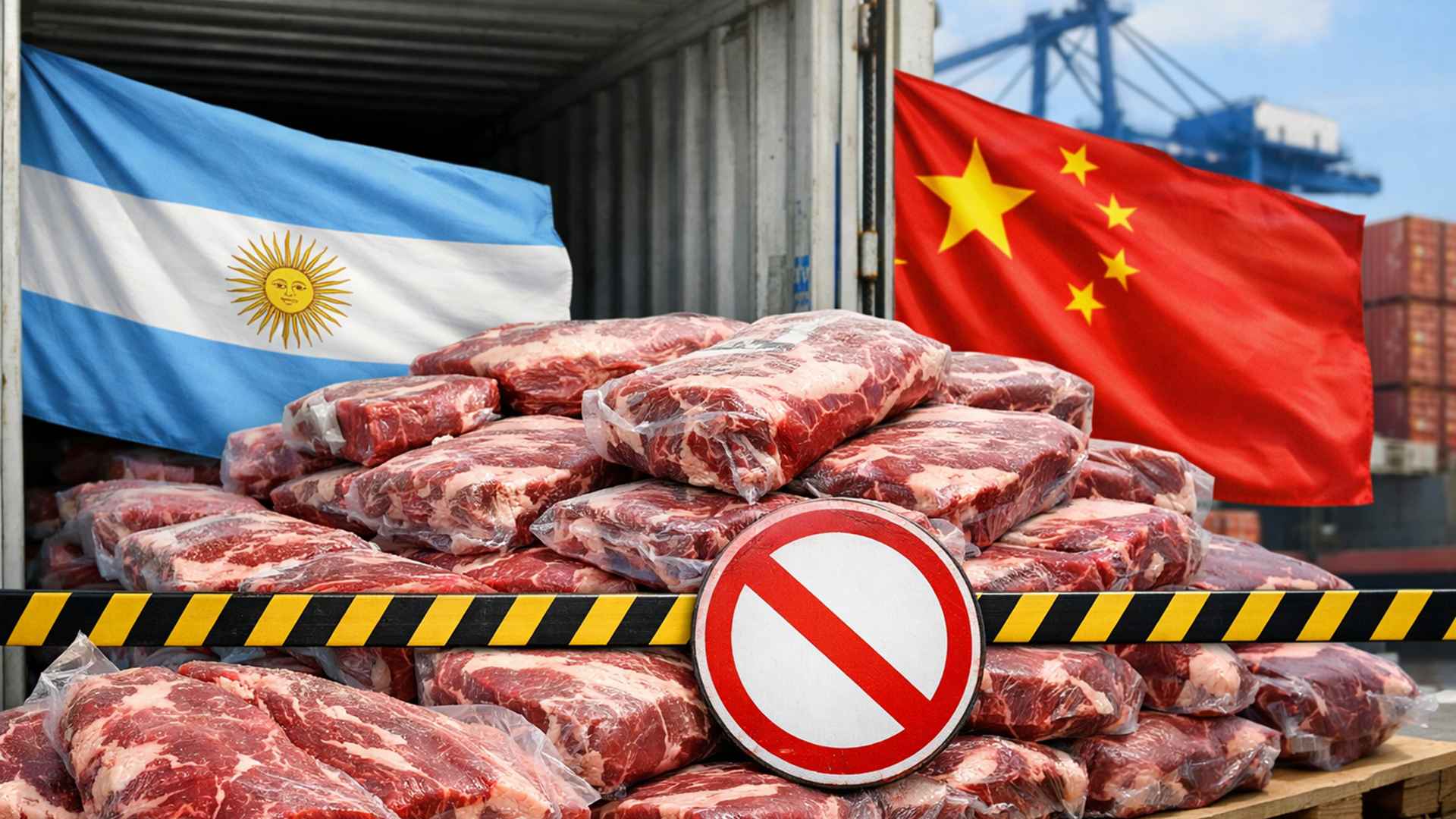
China banned the export of 22 tons of meat from Argentina.
-
JBS, founded by the Batista brothers, continues to conquer the world: entrepreneurs built a ‘factory in the desert’ creating 3,000 jobs.

-
With only 1% of Brazil’s territory, Santa Catarina has built one of the most competitive industrial parks in the country, with 64,000 companies, nearly 1 million jobs, and a growth rate of 5.3% while the national industry is practically stagnant.


This achievement is a direct result of the corporate projects QualiMulti, aimed at multi-user laboratories, and QualiRegen, which deals with the management of genetic resources.
These programs established detailed guidelines for documentation, calibration of equipment, training of teams and data storage policies, aligned with national and international standards.
Coordinated by the General Management of Research and Development, the implementation of the RQEs involved all areas of the unit.
According to the head of R&D at Embrapa Agroindustry Tropical, José Roberto Vieira, this achievement demonstrates the consolidation of an institutional culture of technical and scientific rigor.
He states that adherence to the requirements represents a collective commitment to reproducible, reliable results that are useful to society, strengthening the institution’s image in the global agro-industrial innovation landscape.
Quality Management and Sustainable Innovation at BAG Caju
The BAG Caju, located in Fortaleza (CE), houses the largest collection of cashew tree genetic diversity in the world.
The unit achieved 100% compliance with the evaluated criteria and received the seal of excellence for its full adherence to the program’s requirements.
New Standard Operating Procedures (SOPs), information security policies and advanced traceability practices were implemented, ensuring that every collected data point remains intact over time.
According to curator Ana Cecília Ribeiro de Castro, the result is the fruit of four years of continuous work and a profound change in the internal culture of the team.
The project, initiated in 2021, was pioneering among Embrapa’s perennial germplasm banks.
The researcher emphasizes that the structuring of processes and continuity of practices ensure credibility for future generations of researchers and partners.
BAG Caju symbolizes the balance between scientific innovation and environmental preservation, contributing to the sustainability of cashew cultivation and to the appreciation of Brazilian biodiversity.
This modern management consolidates Embrapa Agroindustry Tropical as a global reference in genetic conservation and sustainable innovation.
Laboratory Control and Data Traceability at the LMQPN Extract Library
The second seal was awarded to the Extract Library of LMQPN, one of the most complete extract libraries in the country.
Internal audits conducted in 2022 and 2024 showed significant progress in the organization of laboratory processes, infrastructure and compliance with the Guarantee of Validity of Results requirement, considered essential for the reliability of chemical analyses.
Researcher Kirley Canuto, manager of the laboratory, highlighted that quality management increased the precision of results and expanded the center’s research capacity.
The team underwent continuous training, maintaining standardized records and structured documentation, pillars that support the new level of excellence achieved.
For Letícia Nichele, internal quality auditor at Embrapa, the evolution observed between the in-person checks demonstrates the collective involvement of the entire unit.
The result, she states, is a direct reflection of the synergy between researchers, management and administrative sectors, showing that the quality system transcends the boundaries of the laboratory and becomes part of the organizational culture.
International Standards and Institutional Strengthening in the Brazilian Agro-Business
With dual certification, Embrapa Agroindustry Tropical establishes itself as a reference model for research institutions in the national agribusiness sector.
Alignment with international standards reinforces Brazil’s scientific competitiveness and demonstrates that quality management is an essential tool for innovation, sustainability and food security.
The results achieved not only represent compliance with standards, but also strengthen Embrapa’s institutional credibility and that of its strategic partners.
Strict adherence to the RQEs ensures reliability in research, increases transparency and fosters new collaborations in the agro-industrial sector.
Focusing on the continuity of advancements, Embrapa Agroindustry Tropical continues to enhance its systems and teams to maintain the standard of excellence achieved, ensuring that every result produced remains traceable, reliable and useful to Brazilian society.









Seja o primeiro a reagir!