





 Português
  Inglês
  Espanhol
  5 min de leitura
  0 comentários



Brazilian Agribusiness Surprises by Hitting Records in Employment in 2024, Driven by Industrialization, Technology, and Inclusion. The Numbers Reveal Deep Transformations in the Field and Point to a New Professional Profile Gaining Strength in the Rural Sector.
The Brazilian agribusiness ended the year 2024 with a historic record: over 28 million people were employed in the sector, equivalent to 26.02% of the total jobs in the country.
This figure, which represents the highest number ever recorded since the beginning of the historical series in 2012, shows a 1% growth compared to 2023, with the creation of 278,000 new jobs.
The information is part of the Labor Market Bulletin of Brazilian Agribusiness, published by Cepea (Center for Advanced Studies in Applied Economics) in partnership with CNA (National Confederation of Agriculture and Livestock of Brazil).
-
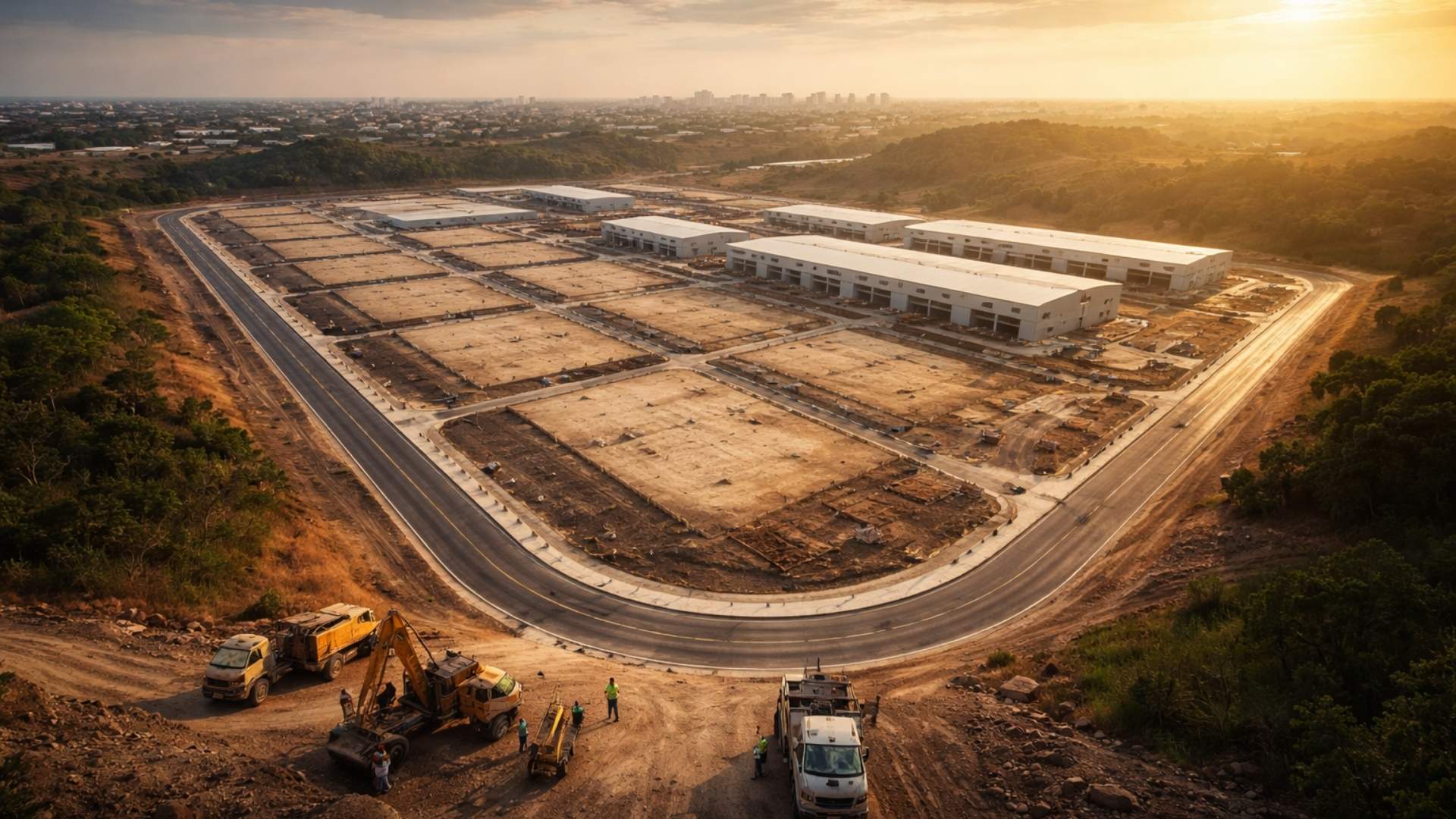
Brazilian city gains industrial hub for 85 companies that is equivalent to 55 football fields.
-
Peugeot and Citroën factory in Argentina cuts production by half and opens a layoff program for more than 2,000 employees after Brazil drastically reduced purchases of Argentine vehicles.

-
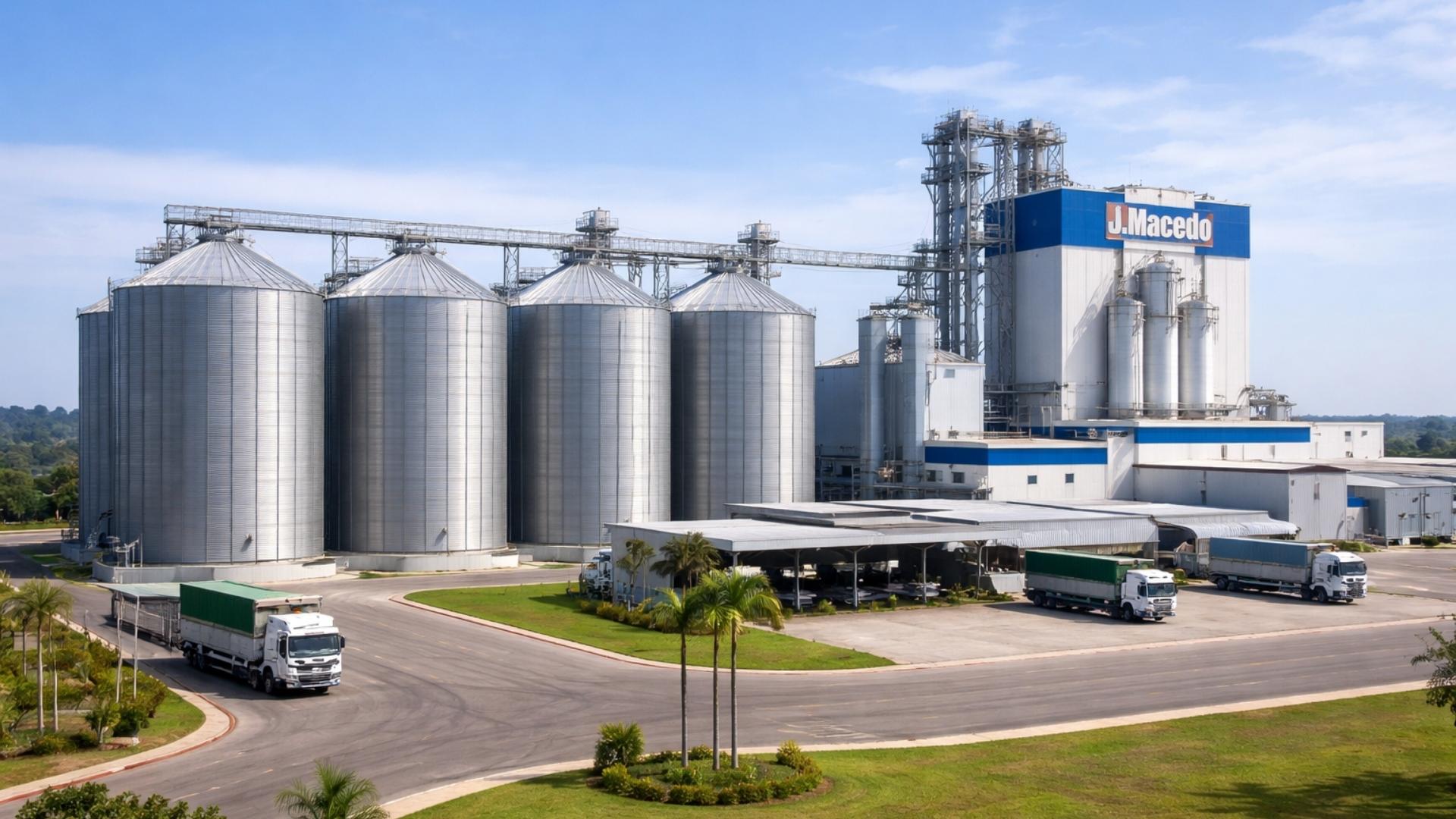
A Brazilian city gains a factory worth R$ 300 million with the capacity to process 200 thousand tons of wheat per year, a mill of 660 tons/day, silos for 42 thousand tons, and an industrial area of 276 thousand m².
-
Havan will leave the shopping mall in Blumenau to inaugurate something that the chain has never done before: a megastore in half-timbered style in the Historic Center of the city, which is expected to be completed in May and change the landscape of local retail.


The significant advance reflects the continuous expansion of agribusiness, which has stimulated various production chains and boosted sectors such as logistics, transportation, commerce, and agricultural technology.
This growth highlights not only the economic weight of the field in job creation but also its ability to adapt to the transformations required by an increasingly competitive and technological market.
Sectors of Agribusiness Drive Employment Growth
Among the sectors that contributed the most to the increase in job vacancies are animal slaughter, the production of processed foods, and the manufacture of wooden furniture.
Animal slaughter grew by 7.2%, generating 43,760 new jobs.
The production of pasta and other foods recorded a 10.4% increase, creating 40,617 positions.
The furniture sector also performed notably, with a 6.6% growth and the creation of 32,167 positions.
These areas are directly linked to the transformation of raw materials into industrialized products, a vital process for strengthening the agribusiness production chain.
In addition to adding value to rural production, industrialization also stimulates the creation of more specialized and qualified jobs, especially in regions traditionally dependent on agriculture.
An additional highlight was the milling and production of starches, which showed an impressive increase of 14.6%, generating 22,588 jobs.
This growth demonstrates the strength of productive niches that, although less visible, play a significant role in the diversification of the sector.
Modernization in the Field Boosts Demand for Qualified Professionals
The growth of employment in agribusiness is not limited to numerical increases: there is also a qualitative transformation in the composition of the workforce.
According to Cepea, the share of workers with a complete higher education has increased, highlighting a trend of modernization and professionalization in the sector.
This change in the profile of workers accompanies technological advancements in the field, with an increasingly intense use of agricultural machines, management software, and sustainable practices.
As a result, there is a higher demand for professionals trained in areas such as agronomic engineering, logistics, data science, administration, and veterinary medicine.
Another important transformation concerns the presence of women in the sector.
Agribusiness is becoming a more inclusive space, with greater participation of women in operational, technical, and leadership positions.
According to data from Caged and IBGE, the presence of women in agriculture has been steadily increasing in recent years, contributing to the diversity and innovation in field practices.
Formal and Informal Jobs: A Portrait of Plurality in the Sector
Although the number of formal workers has increased, informality still represents a significant portion of jobs in the field.
The Cepea report highlights that growth has been driven by both formal and informal ties, reflecting the complexity of the work dynamics in agribusiness.
According to experts, the plurality of hiring forms is linked to the seasonality of some activities, the diversity of rural producers, and the differences in the size of properties.
Small producers still face difficulties in formalizing the workforce, necessitating public policies aimed at productive inclusion and strengthening family agriculture.
Despite the challenges, there are advancements.
Training programs, access to credit, and initiatives to promote formalization have helped reduce informality in certain regions.
The trend is that with the strengthening of agribusiness and technical assistance, this scenario will continue to improve in the coming years.
Projections for 2025 Indicate Continuity in Job Creation
The outlook for the agribusiness job market in 2025 is positive.
Experts project that the sector will continue generating jobs, especially with the advancement of precision agriculture, biotechnology, and sustainable practices.
According to CNA, the forecast is for an expansion of agricultural and livestock production, driven by record exports, investments in infrastructure, and policies to encourage innovation.
Brazil, the world’s largest exporter of products like soy, beef, and corn, continues to strengthen its strategic position in global trade.
Moreover, the digitalization in the field — with the use of drones, sensors, and artificial intelligence — will require professionals with technical and higher education in interdisciplinary fields.
This means that agribusiness will not only continue to employ but will also require a new profile of worker: more prepared, versatile, and connected to the demands of the green economy.
Agribusiness Solidifies as a Driver of Economic and Social Development
With 28 million people employed, Brazilian agribusiness reaffirms its role as one of the pillars of the national economy.
More than just a producer of food and raw materials, it has become an agent of social, economic, and technological transformation.
The record job creation in 2024 is the result of a collective effort among producers, industries, educational institutions, and public policies.
It is a milestone that should be interpreted not just as a statistical achievement but as a reflection of a sector in constant evolution.
As it modernizes, Brazilian agribusiness expands its positive impact across different regions of the country, reducing inequalities and generating opportunities for millions of Brazilians.
And you, do you believe that agribusiness can become even more sustainable and inclusive in the coming years? What change would you like to see in Brazilian agriculture? Leave your comment and join the conversation!








Seja o primeiro a reagir!