





 Portuguese
  English
  Spanish
  3 min of reading
  0 comments


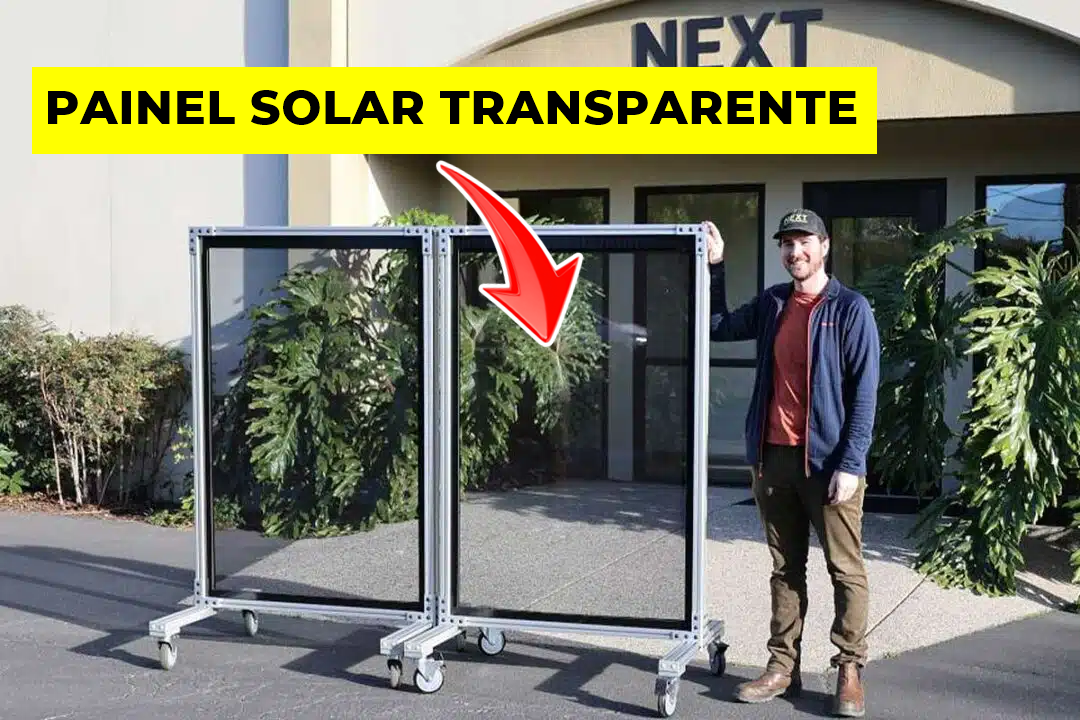
Transparent Solar Panels For Windows, With 152.4 Cm Height And 101.6 Cm Width, Provide Clean Energy Generation Without Compromising Architectural Aesthetics
A Next Energy Technologies, a startup from the state of California, has introduced a promising innovation in the integrated photovoltaic energy sector: a window with transparent solar panels, with impressive dimensions of 152.4 cm in height and 101.6 cm in width.
The launch comes at a time of rapid market growth. While large companies drive the sector with advanced technologies, Next Energy bets on revolutionary solutions, even being a more modest operation.
Produced in the pilot line of the company, the new photovoltaic window promises to transform the way buildings generate clean energy.
-
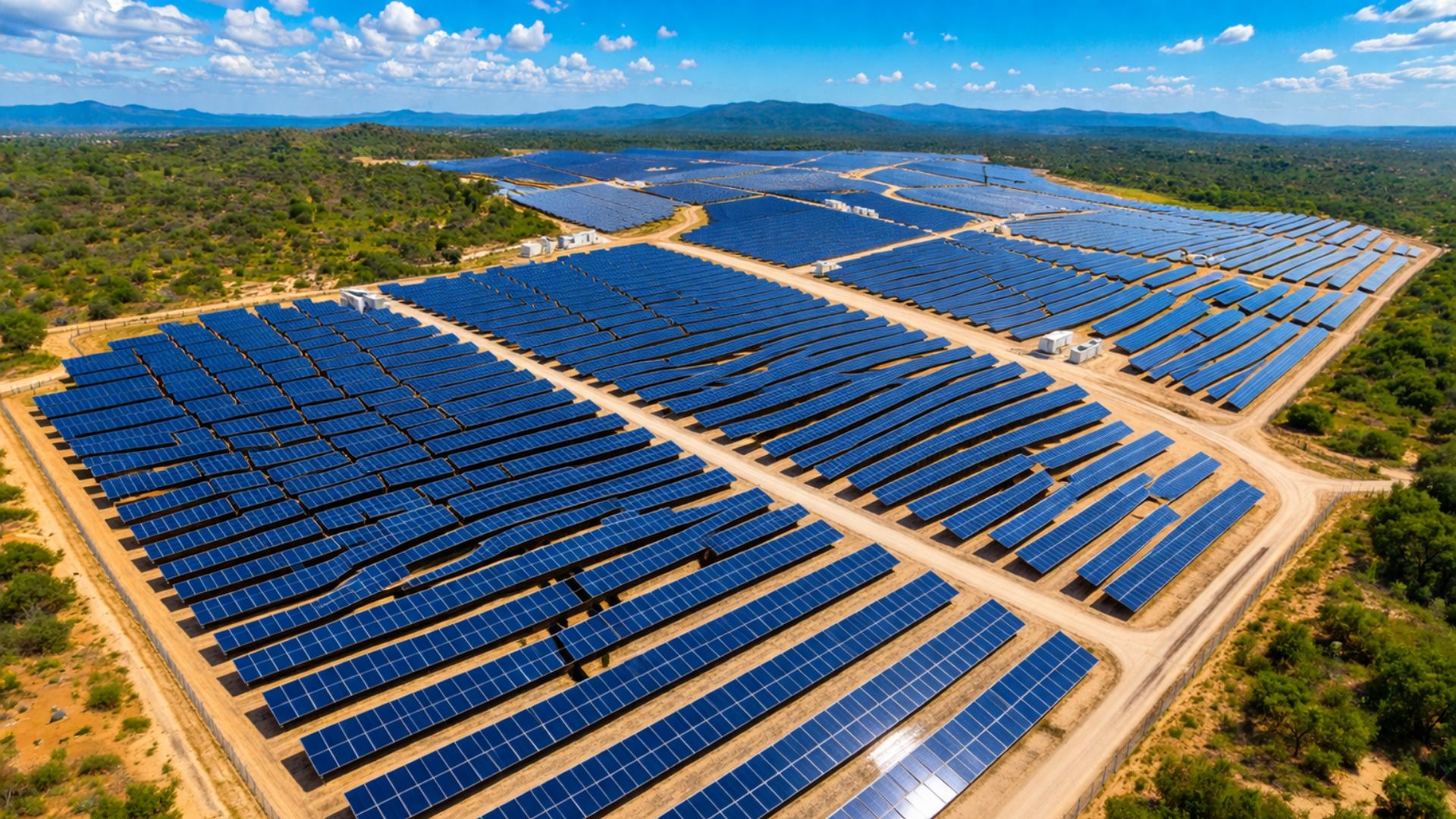
The Sol do Agreste Photovoltaic Complex begins operations in Pernambuco and accelerates the expansion of solar energy in Brazil, directly impacting the reduction of emissions and strengthening the sustainable energy matrix.
-
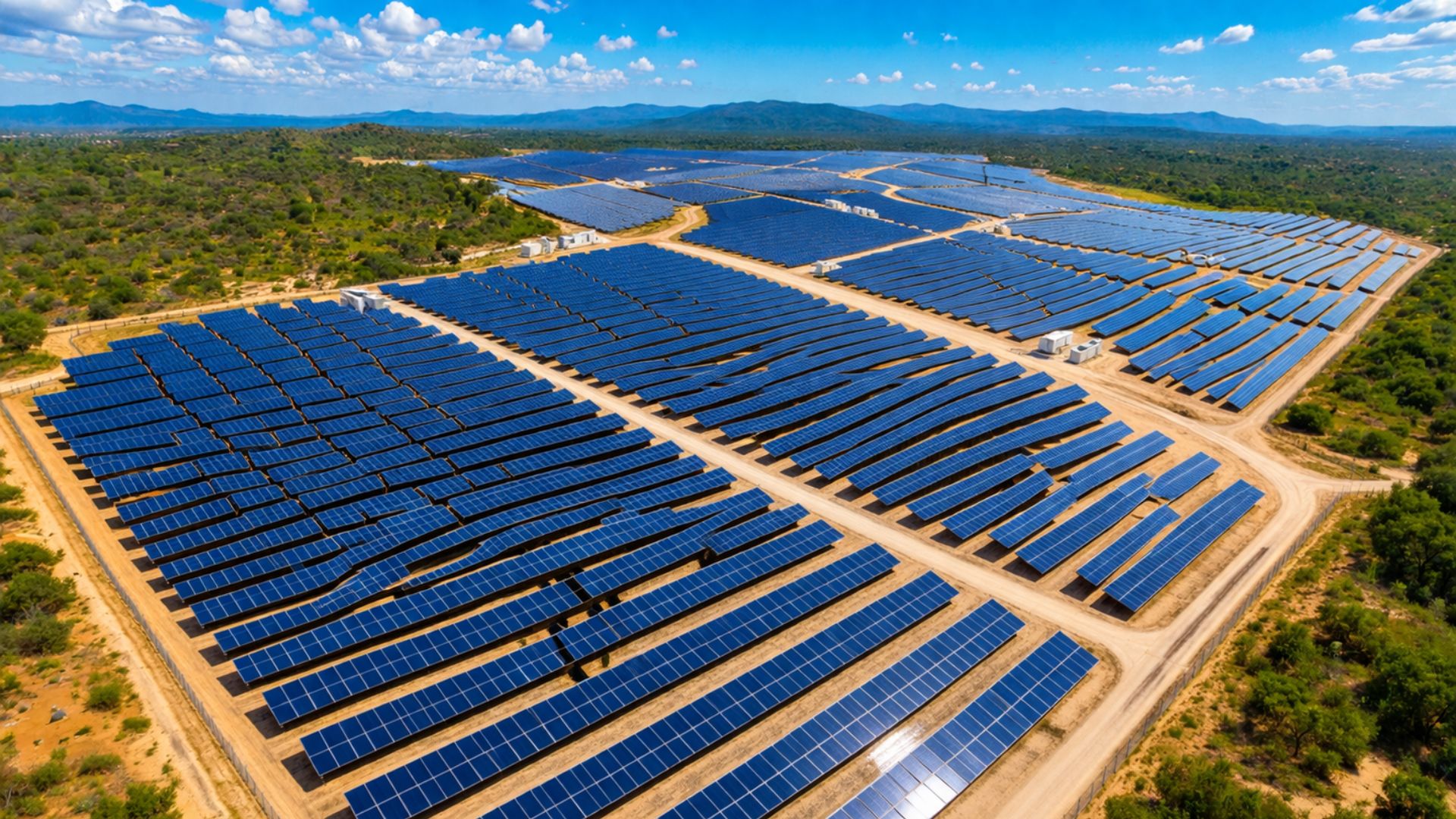
The Sol do Agreste Photovoltaic Complex begins operations in Pernambuco and accelerates the expansion of solar energy in Brazil, directly impacting the reduction of emissions and strengthening the sustainable energy matrix.
-
Roraima bets on the sun to escape high tariffs: Amid the energy crisis and price hikes, solar energy is growing in Roraima and transforming consumption in the North region.
-
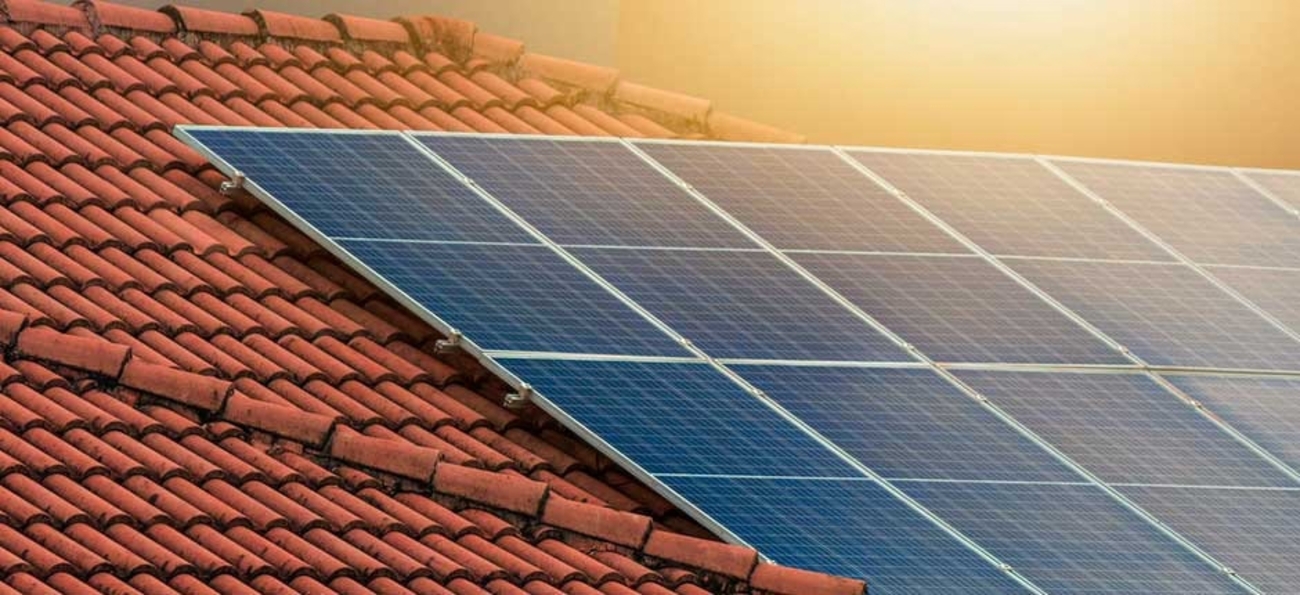
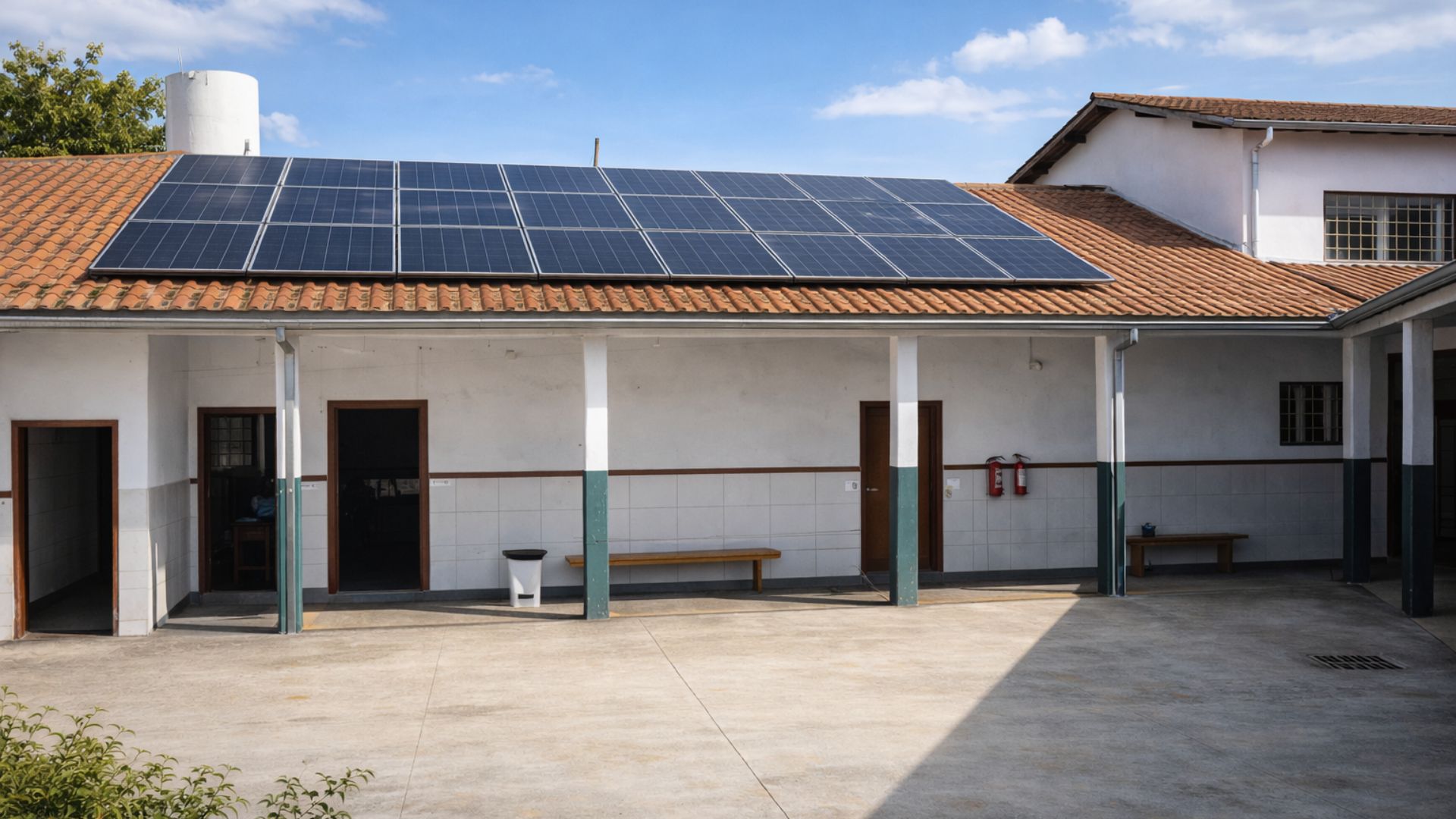
Copel boosts solar energy in Paraná and brings innovation to public schools, promoting savings on electricity bills, energy efficiency, and a direct impact on the quality of education.

Organic Materials And Total Transparency With Transparent Solar Panels
The main differentiator of Next Energy’s photovoltaic window lies in its organic semiconductors. These materials capture ultraviolet and infrared radiation, allowing the passage of visible light, which ensures the complete transparency of the device. Thus, the window does not compromise the aesthetics of the environment while generating energy.
The organic photovoltaic (OPV) cells used have a significant history. Created in the 1980s, they have undergone successive improvements.
In 2000, Alan Jay Heeger, Alan MacDiarmid, and Hideki Shirakawa were awarded the Nobel Prize in Chemistry for the discovery of conductive polymers, which spurred advancements in OPV technology.
In 2006, organic cells achieved an energy efficiency of 10%, marking an important milestone for the development of solutions like the one presented now by Next Energy.
Efficient Manufacturing Process
To produce the window, Next Energy adopted a method similar to that used in traditional photovoltaic panels and OLED screens.
The slit-matrix coating technique was applied to distribute the OPV film. Then, the layer of organic photovoltaic cells was traced with a laser, moving on to lamination and finishing, which includes the installation of the busbar and the top glass layer.
According to the startup, this manufacturing process is economical and facilitates large-scale production. The technology can be easily adopted by glass manufacturers interested in creating photovoltaic windows with organic semiconductors.
Flexibility In Installation
Another strong point of Next Energy’s solar window is its versatility in installation. It can be integrated into a curtain wall — a façade that is supported by the building’s structure — or incorporated directly into the construction.
In terms of connection, the device has a single junction box, which quickly connects to an inverter, providing green energy to the building.
Last year, the company had already presented a smaller model, measuring 68 cm by 89 cm, also produced with organic semiconductors. Now, with the version of 152.4 cm x 101.6 cm, Next Energy advances to larger devices.
Plans For The Future
Daniel Emmett, co-founder, executive chairman, and CEO of Next Energy, announced plans to produce and market even larger solar windows, reaching 152 cm x 304 cm.
The initiative reinforces the company’s commitment to the development of technologies that combine energy efficiency and innovative design.
With info from NZ.










Seja o primeiro a reagir!