





 Portuguese
  English
  Spanish
  2 min of reading
  0 comments


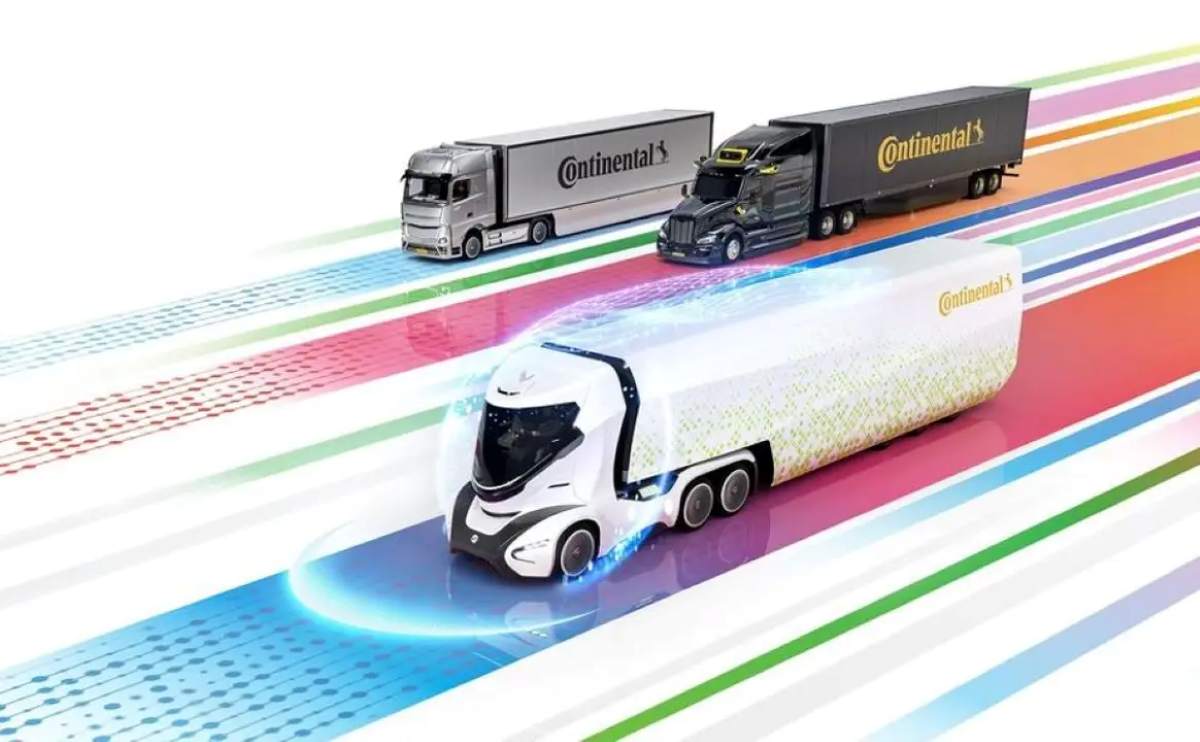
A New Solution Promises to Revolutionize Sustainable Transportation, Optimizing Refrigeration and Fuel Systems in Hydrogen-Powered Trucks and Buses
Continental, a global giant in automotive solutions, has announced a major advancement for the sustainable transportation sector. The company has developed a new solution for refrigeration and fuel systems in hydrogen-powered trucks and buses.
The innovation promises to reduce wear on materials, increase range, and extend the lifespan of vehicles, bringing significant advancements for sustainable mobility.
Innovation in the Cooling System with Synthetic Rubber
Continental has developed a cooling system for the powertrain of hydrogen-powered commercial vehicles, designed to minimize ion leaching in the fluid circuit.
-
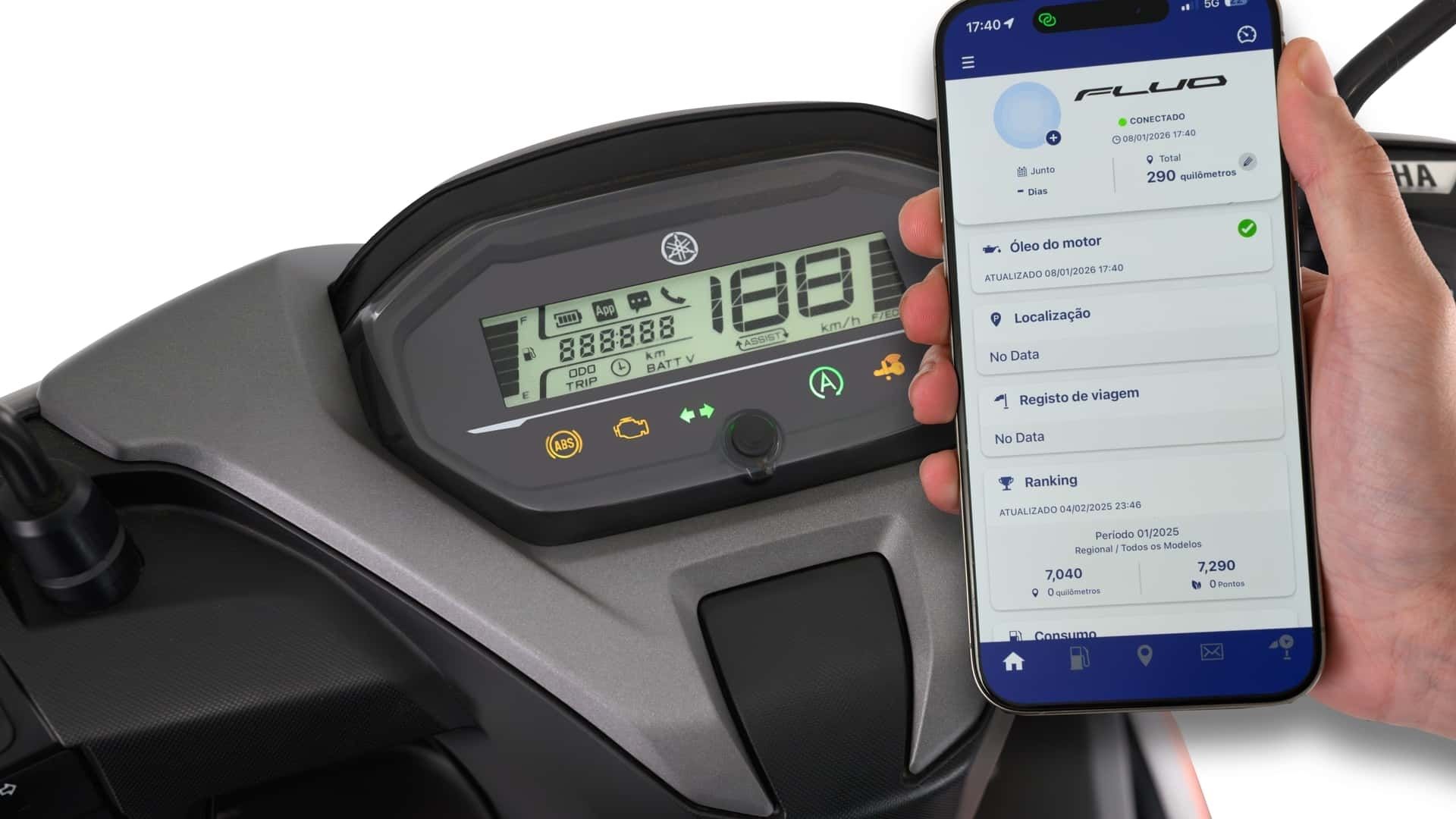
Costing R$ 16,000, the new Yamaha features a 125 cc hybrid engine with electric assistance, delivers 8.3 hp, includes ABS, optimized fuel consumption, Y-Connect connectivity, 25 liters of storage space, and a surprising 4-year warranty in the urban segment.
-
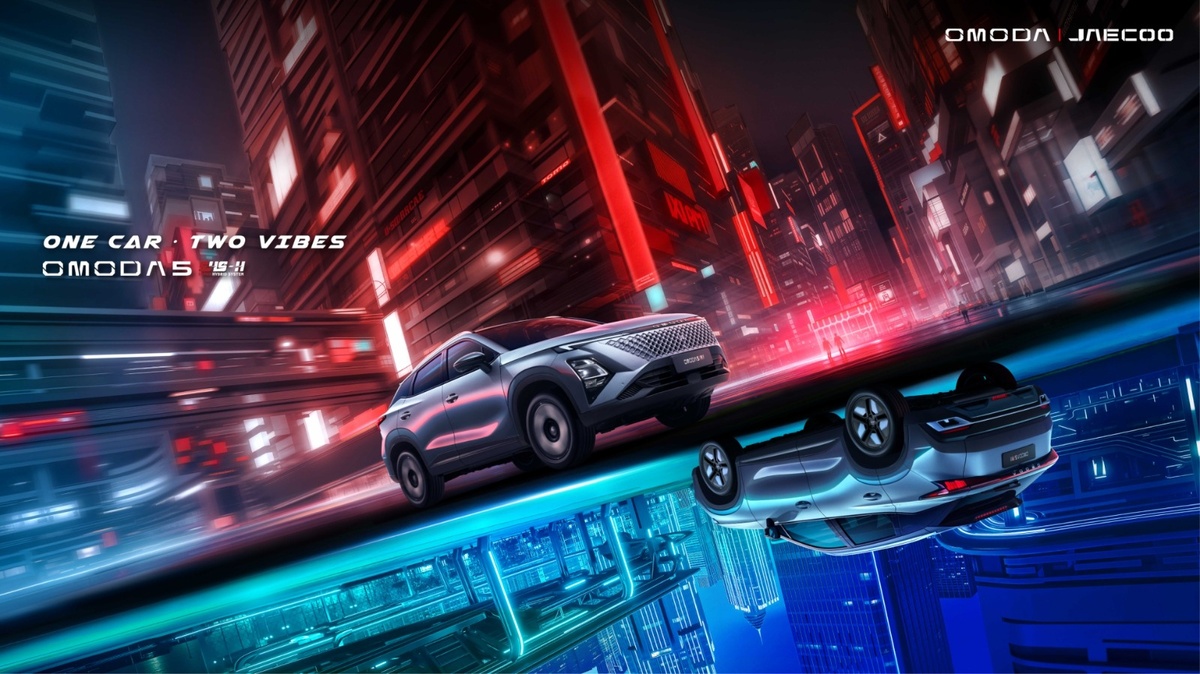
OMODA & JAECOO grows in Europe in 2026 with an integrated strategy of sales, innovation, local production, and technological advancement in the United Kingdom, Italy, and Spain.
-
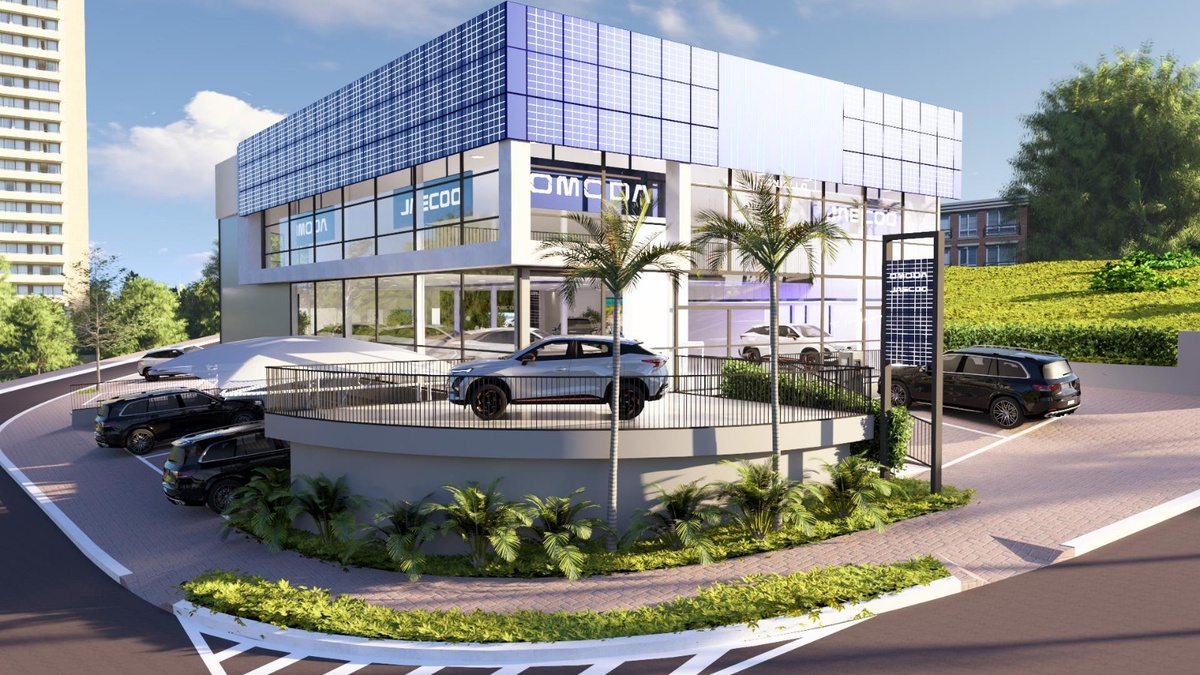
OMODA & JAECOO expands after-sales service in Brazil with competitive maintenance, a 7-year warranty, and high availability of parts for technological SUVs.
-
OMODA & JAECOO appoints Alessandra Souza as executive marketing director in Brazil and accelerates brand expansion with a focus on innovation, networking, and hybrid portfolio.

This innovation utilizes lines made with synthetic rubber based on EPDM (ethylene–propylene–diene), a material noted for its high resistance to the penetration of unwanted ions.
This technology addresses a critical issue: ion leaching can cause degradation of essential components, such as the proton exchange membrane (PEM), responsible for the functioning of the fuel cell.
With the new solution, wear is reduced, and the lifespan of components is increased, resulting in lower maintenance costs.
Thermoplastic Barrier
One of the major challenges in using hydrogen as an energy source is its low density and high volatility, which increases the risk of leaks.
To address this problem, Continental has developed a hydrogen line with a special thermoplastic barrier that prevents hydrogen molecules from escaping, even with their tiny size.
As a result, the system becomes safer, avoiding flammable mixtures of hydrogen with air that could cause accidents.
In addition to safety, the new technology reduces fuel loss due to permeation, increasing the range of vehicles with fuel cells.
Original Equipment Solutions (OESL)
The innovation is a result of the expertise of Continental’s new business area, Original Equipment Solutions (OESL), a unit of the ContiTech group.
This area was created to provide specialized technical support to original equipment manufacturers (OEMs) and develop advanced solutions for the transition towards sustainable mobility.
OESL combines decades of Continental’s knowledge in fluid circuits and combustion engines to apply them to hydrogen-based propulsion systems.
The combination of materials expertise and high-precision engineering enables the creation of solutions that balance tightness, flexibility, and resistance to high pressures—critical factors for the safe and efficient performance of hydrogen-powered vehicles.
With information from ecoinventos.








-

Uma pessoa reagiu a isso.