





 Portuguese
  English
  Spanish
  6 min of reading
  0 comments


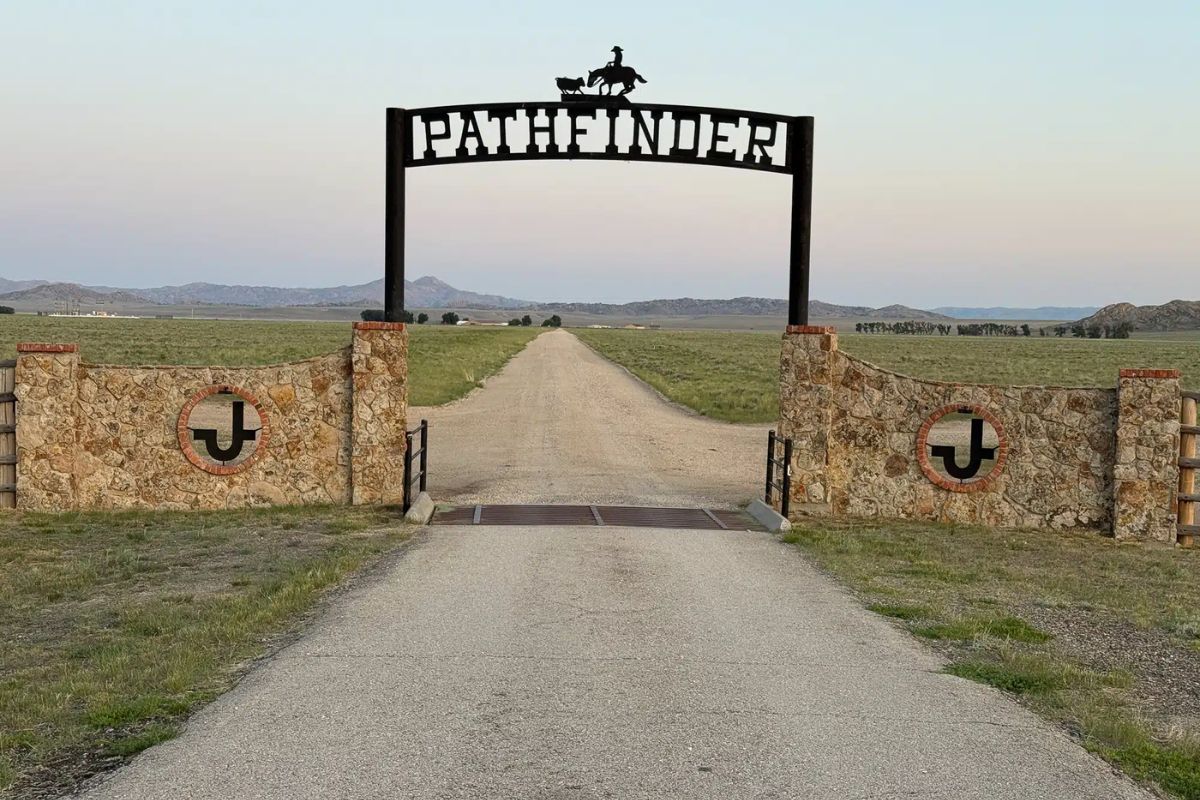
Business of US$ 79.5 Million, Equivalent to R$ 440 Million, Led Christopher Robinson, CEO of the Ensign Group L.C., to Acquire Pathfinder Ranches in Wyoming, a Farm in the U.S. with 916 Thousand Acres, About 3,706 km², Spread Over Four Counties and Above 1% of the State in January Officially
The purchase of a farm in the U.S. with unusual territorial scale has put Wyoming on the radar of investors and the global land market. The deal involves Pathfinder Ranches, advertised as covering about 916 thousand acres, approximately 3,706 km², in a transaction estimated at US$ 79.5 million, equivalent to R$ 440 million.
The buyer is American entrepreneur Christopher Robinson, CEO of Ensign Group L.C., a family business associated with large rural properties and cattle ranching. The acquisition was confirmed on January 14, ending speculations that circulated after the property was compared to major territorial references.
What Was Purchased: Pathfinder Ranches, Area and Comparisons That Explain the Size

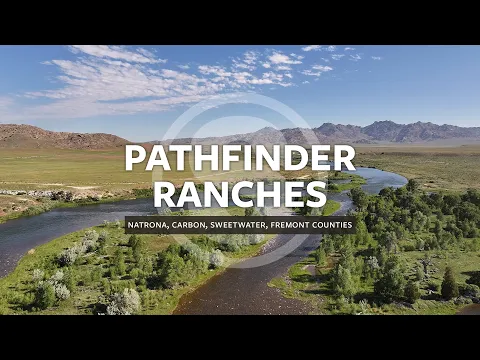
Pathfinder Ranches is located in the state of Wyoming and has been described as one of the largest rural properties in the United States due to its area size. It covers approximately 916 thousand acres, a traditional measure in the American rural market, converted to about 3,706 km².
-
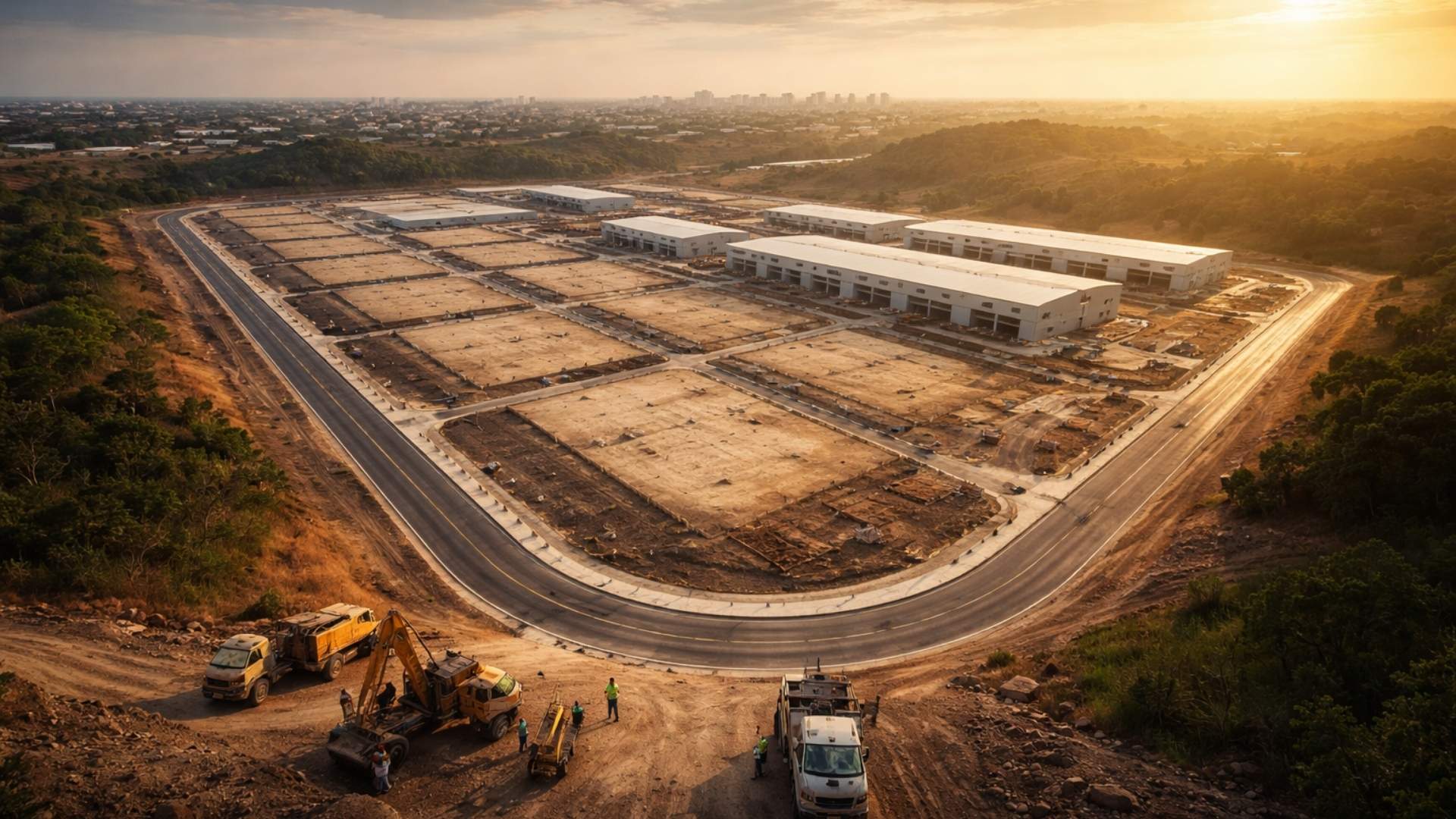
Brazilian city gains industrial hub for 85 companies that is equivalent to 55 football fields.

-
Peugeot and Citroën factory in Argentina cuts production by half and opens a layoff program for more than 2,000 employees after Brazil drastically reduced purchases of Argentine vehicles.

-
A Brazilian city gains a factory worth R$ 300 million with the capacity to process 200 thousand tons of wheat per year, a mill of 660 tons/day, silos for 42 thousand tons, and an industrial area of 276 thousand m².
-
Havan will leave the shopping mall in Blumenau to inaugurate something that the chain has never done before: a megastore in half-timbered style in the Historic Center of the city, which is expected to be completed in May and change the landscape of local retail.

To publicly give scale to the size, the area has been compared to well-known references. The farm has been presented as about three times larger than the city of Rio de Janeiro, which is cited as approximately 1,200 km². In early instances, the announcement also circulated with comparisons such as “larger than the city of São Paulo” and even references to the state of Rhode Island in the U.S., fueling comments and interpretations on social media.
Another relevant fact is the territorial distribution. The farm stretches across four counties in Wyoming, covering more than 1% of the state’s entire territory, a level that places it above the norm for common properties even in a region with large pasture areas.
Where This Happened: Wyoming, Old West and the Rural Logic of the Territory

The location in Wyoming has been treated as part of the symbolic weight of the deal, as it is a state historically associated with the American Old West, with vast plains, mountains, and natural grazing areas. This regional context reinforces why a farm in the U.S. of this scale attracts the attention of investors, ranchers, and those following the land market.
Accessibility and the extension over four counties suggest, in practice, an operation with challenges of territorial management, logistics, and herd management over a large area. This is not just a rural real estate asset, but an area that tends to require its own operational design, especially if the intention is to raise cattle and consolidate production.
Who Bought It and How the Mystery Ended on January 14

The name of the buyer was confirmed on January 14, ending a period of speculation about who had closed the deal. The identified entrepreneur is Christopher Robinson, presented as CEO of Ensign Group L.C., a family business linked to large rural properties and cattle ranching.
One element that helps explain the viability of the move is that Robinson had already purchased, four years prior, a neighboring farm. This opened the door to consolidate a continuous block of land, expanding operational scale and reducing territorial fragmentation.
The public signal of the buyer’s objective was direct. Robinson stated that the intention is to operate the area, not just own the property. In a statement attributed to an interview with the local press, he said: “The goal is to operate the area, not just own it” and also: “We are not just owners. We want to run our own cattle and make the operation self-sufficient over time.”
Money, Price and What Remained Without Official Confirmation After the Closing
The value that circulated internationally for the purchase was US$ 79.5 million, presented as equivalent to R$ 440 million. However, the amount was treated with an important observation: the final price was not officially confirmed after the closing, which has been described as common practice in deals of this magnitude.
This detail is relevant because large land transactions can involve varied structures, specific conditions, and final adjustments that are not always disclosed publicly. Still, even in the absence of official confirmation of the final price, the reported figure remained as a dominant reference for the business.
Production Capacity and Strategy: 90 Thousand Head of Cattle per Month and Self-Sufficiency
One of the most impactful operational data shared by the buyer was the estimated production capacity. According to Robinson, the farm has the potential to sustain over 90 thousand head of cattle per month, which would position it as one of the most productive in the region.
The described strategy involves raising the herd, focusing on reducing external purchases and increasing the resilience of the business in the face of typical variables in the American West, such as droughts and market fluctuations. The design aims for a production cycle less dependent on outside acquisitions, with greater cost predictability and more control over the operation.
Robinson also associated the investment with a long-term vision and resource management. In a statement attributed to him, he said: “We love land and water. We believe this is a solid long-term investment and an opportunity to be good stewards of this resource.”
Land Ranking: The Leap of the Ensign Group and the Comparison with Jeff Bezos
The purchase positions Ensign Group among the largest landowners in the United States, according to specialized rankings cited in the sector. The move was described as capable of even surpassing the total area attributed to billionaire Jeff Bezos in these rankings.
Such comparisons often have a strong symbolic effect, as the debate over land concentration, production scale, and the influx of capital into large properties has gained traction in the contemporary American rural market. A farm in the U.S. with 3,706 km² is not just a large farm, but an asset that repositions its owner in property rankings and broadens the understanding of the global competition for land, water, and productive capacity.
Why This Changes the Game: Window Dressing Effect, Speculation, and Attraction of Global Investors
The size of Pathfinder Ranches has brought the property onto the radar of global investors and generated speculation on social media before the buyer’s confirmation. The size, the territorial comparisons, and the context of Wyoming created a window dressing effect for the land market, where a single deal signals appetite for scale and reinforces the symbolic role of large properties in the American rural imagination.
In addition to the media effect, there is a market element: when a farm in the U.S. changes hands with this scale and value, the deal tends to be read as a reference for price, productive strategy, and positioning in rankings, influencing perceptions of land value in comparable operations.
In your opinion, does this type of farm purchase in the U.S. strengthen self-sufficient and efficient production or increase land concentration and the power of a few groups in the American rural market?








-

-

-

6 pessoas reagiram a isso.