





 English
  Francês
  Alemão
  Italiano
  Japonês
  Norueguês
  Portuguese
  Spanish
  3 min of reading


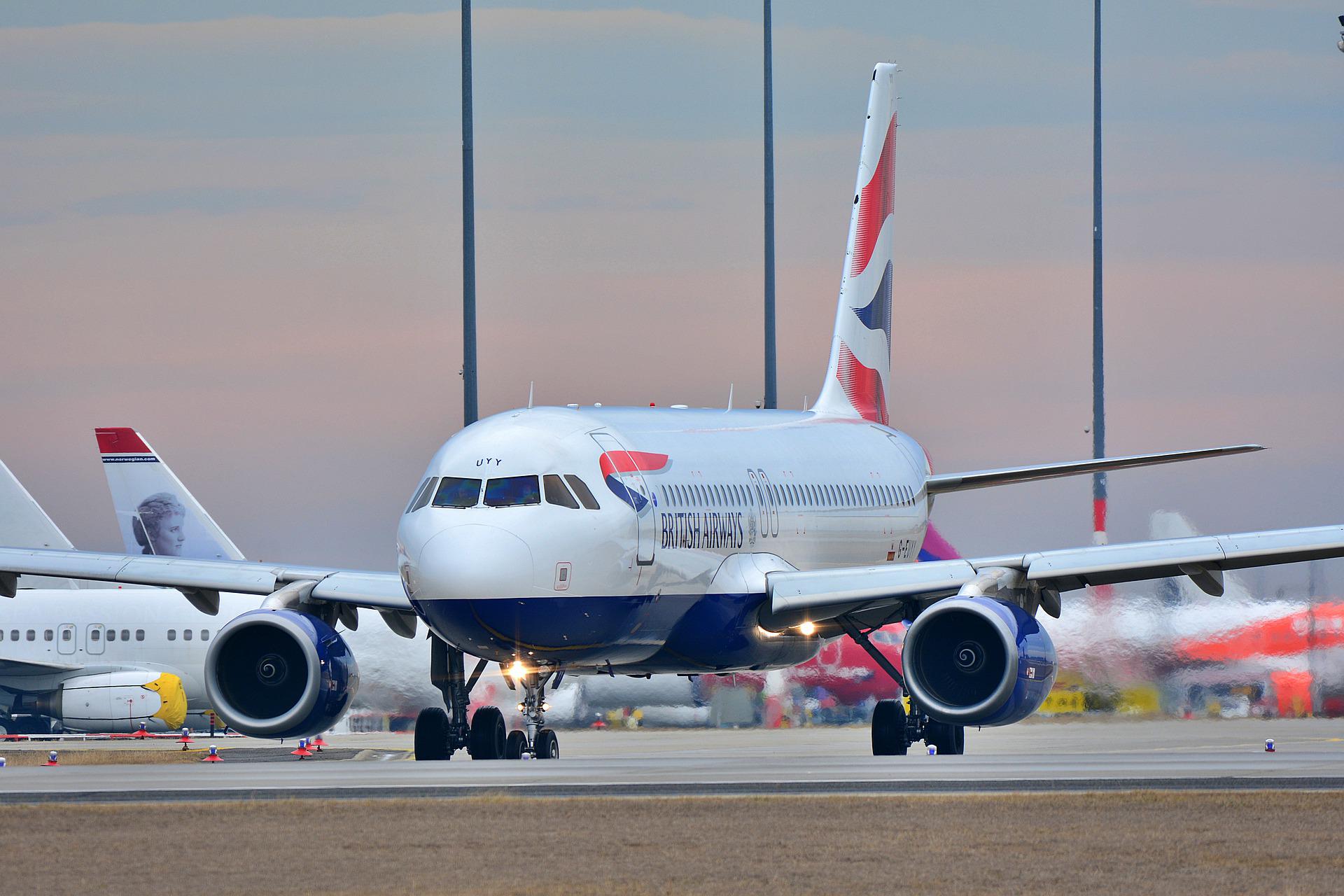
The multinational Qantas announced on Wednesday, June 22, that it has confirmed a partnership with Airbus to invest over US$ 250 million to fund the creation of aircraft engines that use green hydrogen for passenger transport. In other words, the sector is getting closer to testing sustainable technological innovations for fuels. The engines will be modified to operate using hydrogen, with the first presentation of the research estimated to take place in 2023. However, it is important to note that, as this is a project in the testing phase, it may take time for the public to have access to more information.
The partnership was signed over the weekend when Qantas Group agreed to be part of a historic contract that will provide materials and support for aircraft giant Airbus to develop new green hydrogen-based fuels. They will be pioneers in the sector.
The Australian Sustainable Aviation Fuel Partnership will involve participation from companies in Australia, where the study is being conducted, investing millions to accelerate the development of sustainable aviation. Qantas Group CEO Alan Joyce, in partnership with Airbus CEO Guillaume Faury, signed the contract that outlined the beginning of an intensive partnership between their institutions. The agreement was made during the Annual General Meeting of the International Air Transport Association (AGM).
“Due to the lack of a local SAF industry at commercial scale, Australia is exporting millions of tons of raw materials each year, such as canola and animal fat to be converted into SAF in other countries,” Qantas said in its statement. The company stated that it promised to use at least 10% of its financial returns to invest in the development of renewable fuel by 2030, which will reduce its export costs for sustainable diesel production, which it considers a costly long-term investment.
-
Engineers propose a fourth traffic light for intersections – the change promises to affect crossings, queues, and waiting times.

-
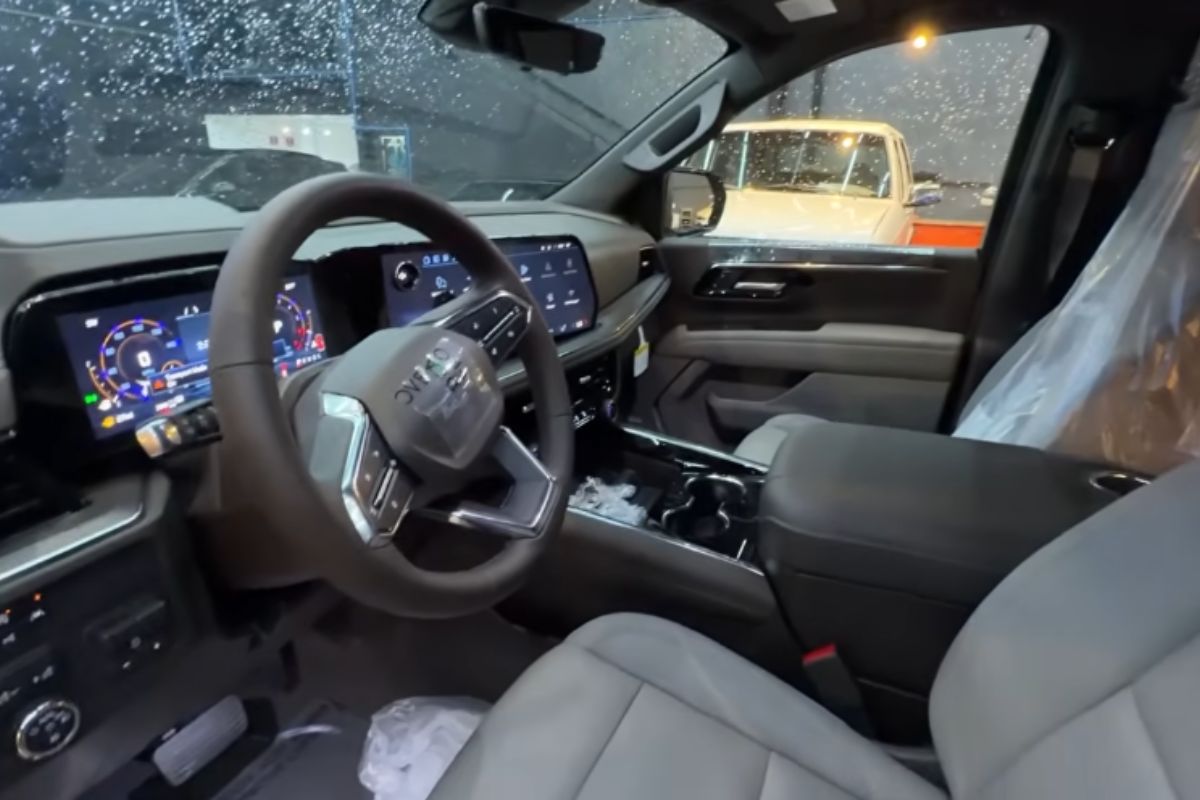
Chevrolet Suburban Z71 lands in Brazil with a V8 engine, off-road design, air suspension, seven seats, and colossal size, a rare version imported for around R$ 1.3 million with luxury and exclusivity.
-
Chinese giant worth nearly R$ 4 billion that manufactures cables for electric cars, solar energy, and robotics wants to open a factory in SC.

-
The Chevrolet Onix 1.0 turbo achieves 17.7 km per liter on the highway and ranks among the three most economical cars in Brazil in 2026, alongside two more expensive Toyota hybrids available at dealerships.


What Fuels Are Used in Aviation, and How Can Green Hydrogen Change Our Environmental Context?
Biofuels are frequently used in aviation. However, the current project requires more significant changes to the aircraft engine, which does not operate on H2. What happens is that hydrogen, which can be a promising way to reduce costs and increase the efficiency of machines, is not effective in conventional engines. In other words, it would be necessary to change how they interact and react with each other to achieve results, requiring studies and various investments. The funding needed to start the development was what was lacking.
Renewable diesel is also a commonly used element in the aviation industry. It is produced from cooking oil and other types of fats, giving it characteristics similar to refined petroleum materials. Thus, it could also be used in engines without any modifications. Furthermore, the importation of raw materials for its production is becoming more expensive than expected.
Qatar stated that it aims to use only locally sourced materials in this new development to support the Australian industry. According to both institutions, it is estimated that the first aircraft utilizing only green hydrogen will reach the market by the end of 2023. However, it is important to emphasize that, as this is a completely new technology, they will have to undergo an extensive testing phase before it becomes operational in practice.










Seja o primeiro a reagir!