





 Portuguese
  English
  Spanish
  3 min of reading


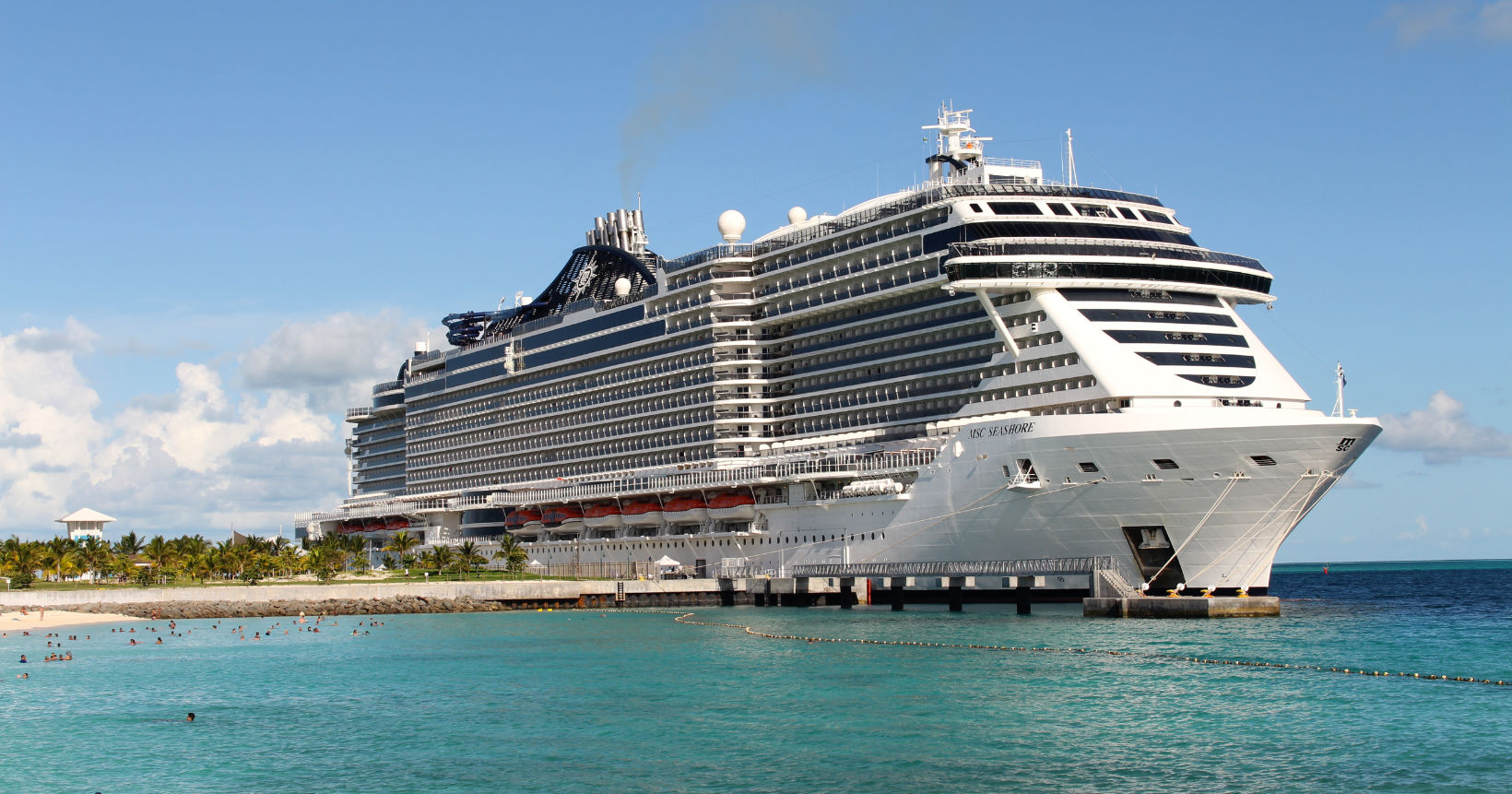
The Trend For The Next Years In The Chinese Shipbuilding Sector Is The Development Of Ultra-Large Ship Projects. Companies Such As MSC, OOCL And Evergreen Are Benefiting From The Growth Of Maritime Transport To Invest In The Sector.
The Chinese shipbuilding market is moving towards the new trend projected for the coming months, the ultra-large ship projects. Chinese shipyards are developing a series of large vessels to be used in operations of industry giants such as MSC, OOCL and Evergreen. The trend is that the maritime transport sector will continue to expand over the next few years, increasing the need for even larger ships.
The New Trend In The Chinese Shipbuilding Sector Is The Development Of Ultra-Large Ship Projects For Large Operations In Maritime Transport
The last few years have seen advancements for projects and operations in the maritime transport sector, with strong growth in cargo handling activities.
As a result, the need for increasingly larger vessels to accommodate the high numbers of containers is already a reality in the global market.
-
Historic bankruptcy of Centauro shocks the market, and the century-old company puts more than 500,000 products, machines, and complete infrastructure up for online auction.

-
New shoe factory in Ceará is expected to create 400 jobs and strengthen the local economy.

-
No one imagined it, but a mixture of sawdust with a mineral that fights fires surprises scientists with a result that changes the course of fire-resistant construction.

-
From empty land to a high-end house, wooden construction uses a lightweight system, metal structure for the foundation, ventilated ceramic cladding, and special windows to create an efficient and comfortable living space throughout the year.


Thus, China has been heavily investing in shipbuilding projects for ultra-large ships that can meet this demand.
The country’s shipyards are developing vessels for the fleets of large maritime transport companies.
Two new ultra-large ships of 24,000 TEUs are under construction in Chinese shipyards, which are leading the development of the new giants for MSC, OOCL, and Evergreen.
China State Shipbuilding Corporation highlights the ongoing works in the company’s industrial divisions.
Two shipyards in China simultaneously launched shipbuilding projects for a new class of 16,000 TEUs for MSC.
Additionally, on the very first day of the year, the companies Dalian Shipbuilding and Guangzhou Shipbuilding International each launched a vessel for MSC’s new class of 16,000 TEUs.
The agreement is projecting the delivery of a total of 13 ultra-large ships between the years 2023 and 2025.
The project for the new class was developed by China Shipbuilding Group. The ships are 365 meters long and 50.9 meters wide, being a total of 13 meters shorter than the 24,000 TEU vessels.
In addition to these companies, COSCO Dalian Kawasaki (DACKS) is also targeting the shipbuilding sector for ultra-large ships over the coming years.
The company launched its first 24,000 TEU container ship on January 9.
The vessel measures 399 meters in length and is part of a project also under construction at Nantong COSCO KHI Ship Engineering Co. (NACKS) for OOCL.
Learn About China State Shipbuilding Corporation
China State Shipbuilding Corporation (CSSC), founded on July 1, 1999, is a large conglomerate and an investment institution authorized by the state, directly managed by the central government of China.
Under its protection, there are 60 wholly-owned companies and participating institutions, including a number of the most powerful and some renowned shipbuilding and repairing shipyards, research and design institutes, marine equipment manufacturers, and trading companies in China.
Among the main companies in the conglomerate is Dalian Shipbuilding Industry Company (DSIC), which was formed in December 2005 as a result of the merger between Dalian Shipbuilding Industry Company and Dalian New Shipbuilding Industry Company, and which is the largest shipbuilding company in China.










Seja o primeiro a reagir!