





 English
  Francês
  Alemão
  Italiano
  Japonês
  Norueguês
  Portuguese
  Spanish
  2 min of reading


In addition to the severe crisis established in global public health, Covid-19 has also created a huge economic crisis in the oil and gas sector. A new study indicates that with the decline in demand for derivatives in the international market, the revenues of oil and gas exploration and production (E&P) companies may see a reduction of approximately US$ 1 trillion in 2020.
See also:
-
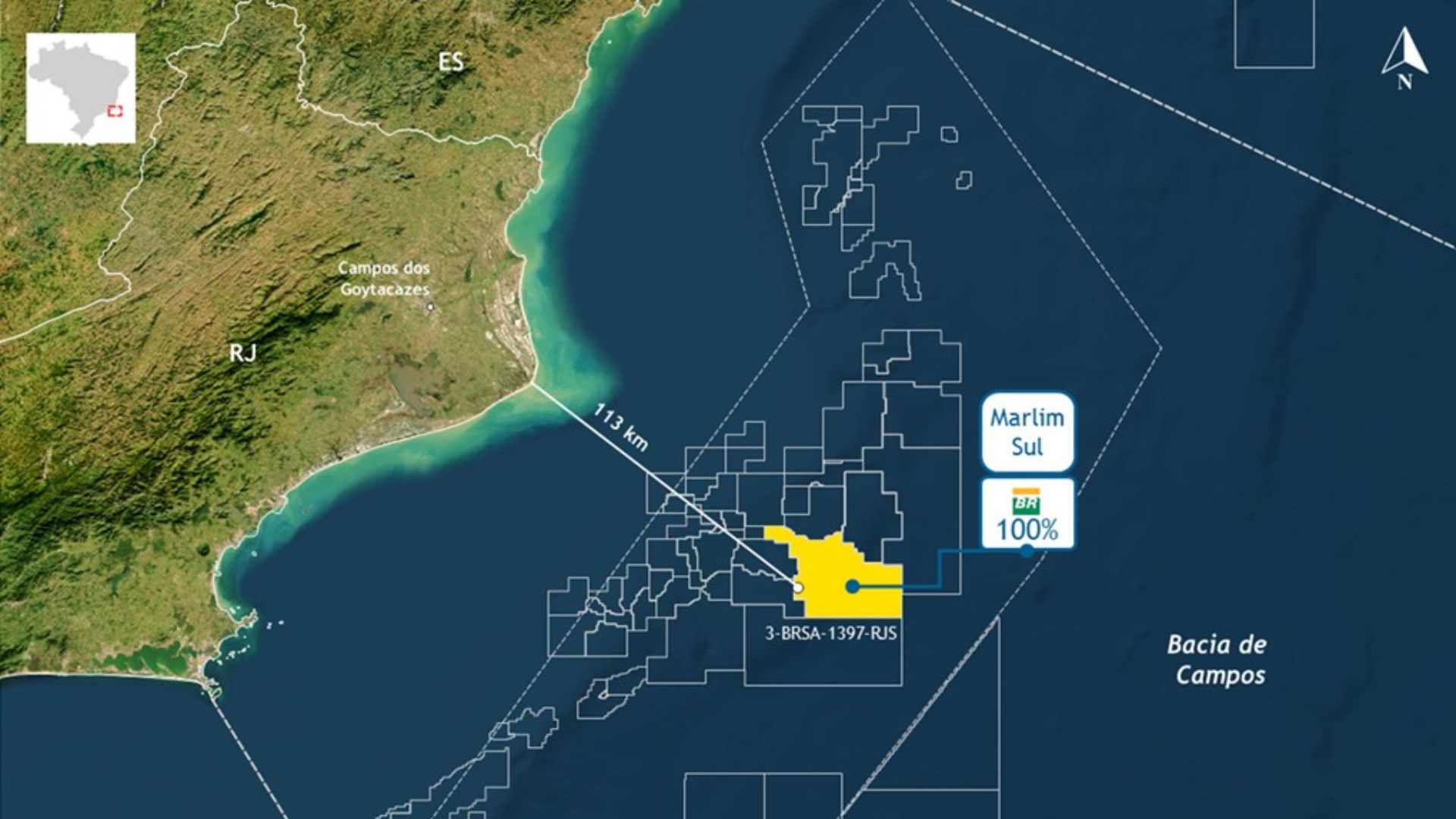
Petrobras finds high-quality oil in the pre-salt at 113 km from RJ and reignites expectations about strategic reserves in the Campos Basin.

-
Ocyan opens registrations for startups focused on innovation in the oil and gas sector and will select projects for Innovation Day with the support of Nexio.

-
Petrobras announces new oil discovery in the pre-salt of the Campos Basin and reinforces Brazil’s prominence with high-quality reserves that can increase production and energy revenues.
-
Alert in the fuel market: Analysts and a former director of ANP warn that oil prices may worsen in the coming months due to global instability.


- Project for the Re-nationalization of Embraer is Underway in the Senate
- Bureau Veritas Opens Job Vacancies in Inspection, Operations, and QHSE Areas on This 30th
- Owned by the Shell Group, Raízen is Offering 104 Job Opportunities for Various Positions and Cities on This 30th
The analysis was carried out by the Norwegian consulting firm Rystad Energy. The estimated decline is 40% in revenues compared to last year, as in 2019 E&P companies totaled US$ 2.47 trillion, and for this year the forecast is that they will reach only US$ 1.47 trillion. The consulting firm had predicted a scenario before the Covid-19 pandemic where E&P companies would have a revenue of US$ 2.35 trillion in 2020.
The estimate for 2021 is not different, where revenues that were previously forecasted to reach around US$ 2.52 trillion also suffered a significant reduction, coming in at US$ 1.79 trillion. Rystad Energy’s upstream analyst, Olga Savenkova, further states: “This decline not only harms the solidity of companies and reduces the money available for investments and dividends, but also significantly reduces the government’s tax revenue. It will be a challenge for oil-dependent states, such as Russia and many Middle Eastern countries, to sustain their budgets.”
Rystad’s consultancy also conducted a new analysis for upstream spending in 2020. The expectation is that investments in this area will be reduced to a total of US$ 410 billion this year, compared to US$ 530 billion that were invested in 2019.
Finally, Rystad concludes: “We see a growing sentiment of decarbonization among E&P players and investment banks, with major players aiming to achieve carbon neutrality. As a result, the current low appetite for new sanctions on projects may mean that the ‘peak oil’ will arrive sooner than we thought just a few months ago.”








Seja o primeiro a reagir!