





 Português
  Inglês
  Espanhol
  4 min de leitura
  0 comentários


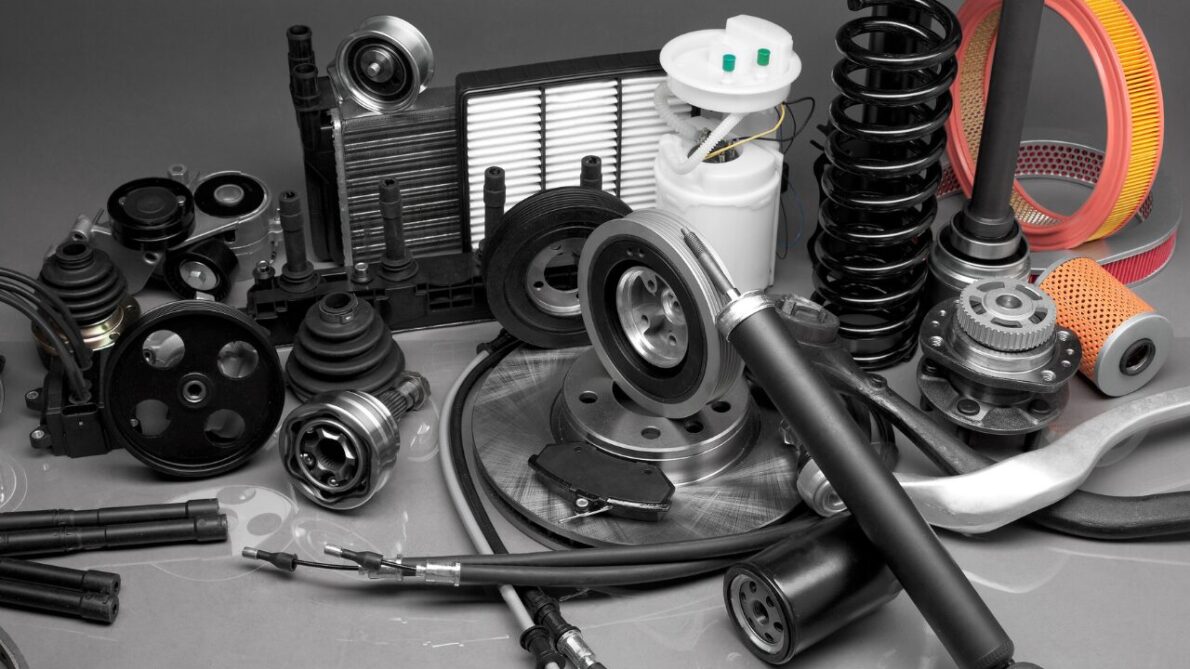
Auto Parts Sector Will Invest R$ 50 Billion by 2028 to Adapt Production to New Hybrid and Electric Technologies in Brazil.
The auto parts sector in Brazil is preparing for a major investment. Companies in this segment, motivated by the Green Mobility and Innovation Program (Mover) and the nationalization of components to meet the growing demand for hybrid vehicles, plan to invest R$ 50 billion by 2028. This amount will be applied over five years, from 2024 to 2028, aiming to modernize and adapt production to the new technologies arriving in the Brazilian market.
Investment of R$ 50 Billion by 2028
The news was announced by Gábor Deák, director of Sindipeças, during the opening of Simea 2024, an event promoted by the Brazilian Automotive Engineering Association (AEA).
The event, which took place on August 21 and 22 in São Paulo, brought together industry specialists to discuss green mobility and energy transition, topics of great relevance for the current automotive industry.
-
Historic bankruptcy of Centauro shocks the market, and the century-old company puts more than 500,000 products, machines, and complete infrastructure up for online auction.

-
New shoe factory in Ceará is expected to create 400 jobs and strengthen the local economy.
-
No one imagined it, but a mixture of sawdust with a mineral that fights fires surprises scientists with a result that changes the course of fire-resistant construction.

-
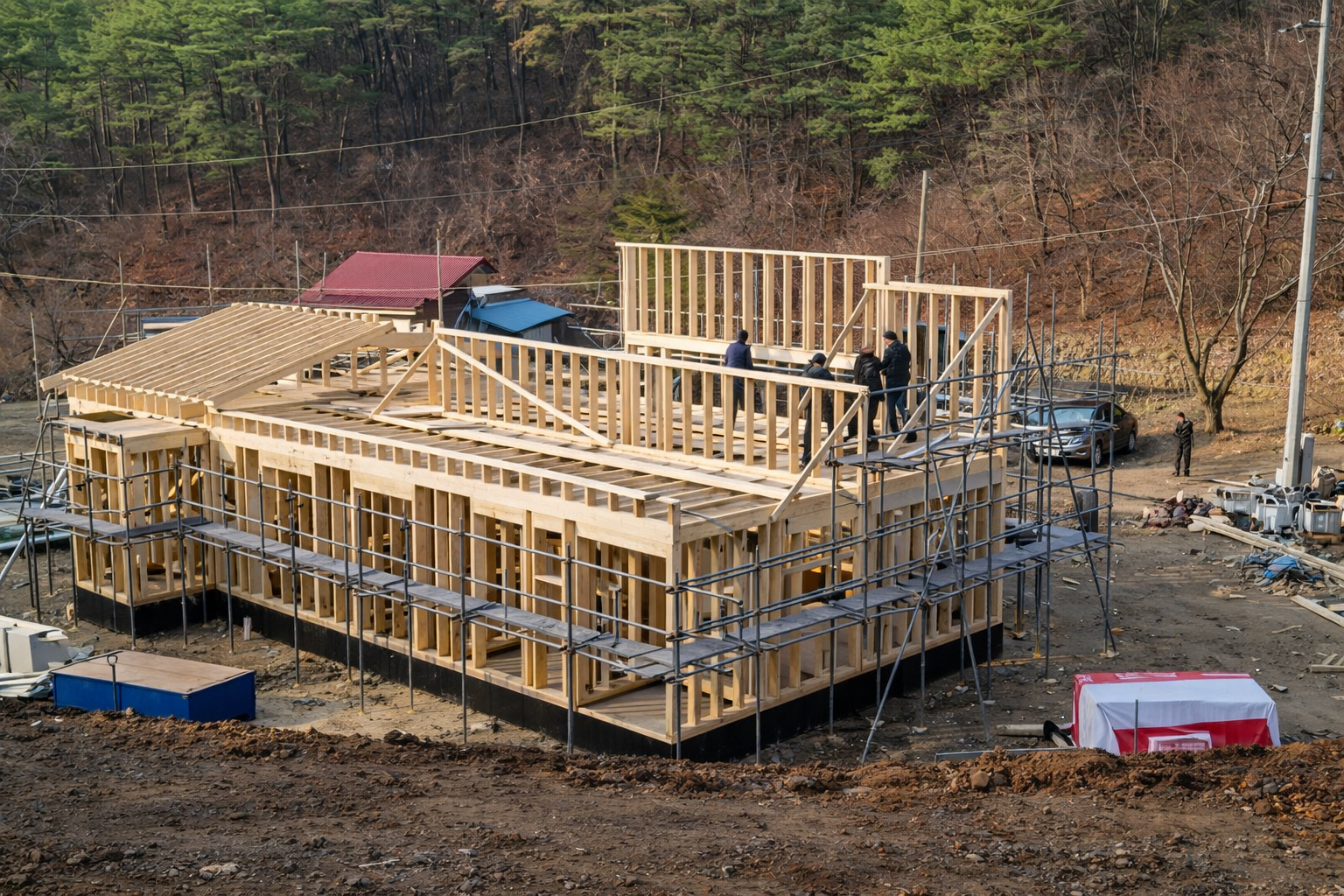
From empty land to a high-end house, wooden construction uses a lightweight system, metal structure for the foundation, ventilated ceramic cladding, and special windows to create an efficient and comfortable living space throughout the year.

This significant investment in the auto parts sector aims not to increase production capacity, but to transform operations to meet new technological demands, such as the production of parts for hybrid and electric vehicles.
According to Deák, this transition is essential to keep up with global trends and ensure that Brazil remains competitive in the international auto parts market.
Previous Investment of Auto Parts Companies Revised
Still during Simea 2024, Gábor Deák mentioned that Sindipeças had previously revised its investment forecast for 2023.
Initially, the auto parts sector had planned to invest R$ 5.8 billion, but this amount was adjusted to R$ 6.2 billion.
This increase reflects market optimism, driven by positive outlooks for the coming years.
According to Deák, there is a trend for average annual investment in the auto parts sector to be around R$ 10 billion until 2028, surpassing previous averages of R$ 6 billion to R$ 7 billion per year.
This significant increase in investments is seen as a response to market demands for new technologies and the need to adapt to the electrification of the automotive sector.
Stellantis, for example, promises to launch hybrid models later this year, while other automakers, such as Volkswagen and Renault, have also announced plans to develop vehicles with this technology in Brazil.
This shift in the profile of vehicles manufactured in the country requires a transformation in auto parts production, justifying the increase in planned investments.
Technological Transformation in the Auto Parts Sector
The investment of R$ 50 billion announced by auto parts companies will be primarily allocated to adapting production for new technologies, such as hybrid and electric vehicles.
Brazil already has examples of this transition, such as Toyota, which produces flex hybrid vehicles at its factory in Sorocaba, São Paulo.
Now, other automakers are following the same path, requiring auto parts suppliers to be prepared for this transformation.
According to Gábor Deák, Brazil is in a privileged position due to its natural resources and the use of biofuels, which allows the country to play a prominent role in the global energy transition scenario.
Auto parts manufactured in Brazil not only serve the local market but also have international operations, facilitating the transfer of technologies developed in other countries to the Brazilian market.
The director of Sindipeças also highlighted that the energy transition does not have a single and universal solution.
Each country and market will follow its own path, and in Brazil’s case, the combination of flex hybrid vehicles and biofuels places the country in a strategic position to lead this transformation in the automotive sector.
Automakers Also Invest in New Technologies
In addition to the billion-dollar investment announced by the auto parts sector, automakers operating in Brazil are also planning significant investments.
It is estimated that these companies will invest around R$ 130 billion by the end of 2023, focusing on new technologies aimed at electrification of the automotive sector.
These investments complement the efforts of the auto parts sector, creating a favorable ecosystem for the development of hybrid and electric vehicles in the country.
The production of hybrid and electric cars is a global trend, and Brazil does not want to be left behind.
With advancing technologies and the growing demand for more sustainable vehicles, automakers and auto parts companies are mobilizing to ensure that the country is prepared for this new reality.
The Green Mobility and Innovation Program (Mover) is one of the initiatives driving this movement, encouraging the adoption of more sustainable practices and innovation in the automotive sector.
Simea 2024, the event where the new investments were announced, reinforces the importance of the energy transition for the Brazilian automotive industry.
With the theme “Green Mobility and Energy Transition,” the event promotes debates and exchanges of experiences among industry specialists, showing that Brazil is committed to the future of sustainable mobility.
Auto parts companies, alongside automakers, play a fundamental role in this transformation process.









Seja o primeiro a reagir!