





 Portuguese
  English
  Spanish
  4 min of reading
  0 comments



See What The Rules Are That Allow The End Of IPVA In Several States And How This Can Impact Your Pocket.
If you own a vehicle, you have probably shuddered at the mere thought of the word IPVA. The famous Vehicle Property Tax is one of those expenses that comes up every year and makes anyone wonder: “Is there a way to escape this?”. The good news is that, yes, in some cases, the dreaded IPVA can be left behind. We will tell you everything about the end of IPVA, how it is already a reality in some places, and what the conditions are for this to happen.
What Is IPVA And Why Is It So Feared?
First of all, for those still wondering, the IPVA is a tax that must be paid annually by all vehicle owners, whether they are cars, motorcycles, trucks, or any other type. This tax aims to raise funds for states, which are then used in areas such as education, health, and infrastructure.
But the problem is that for many, this tax hits the pocket hard in the first months of the year, when the budget is already tight due to year-end expenses and vacations. What many people don’t know is that depending on where you live or the characteristics of your vehicle, you may be exempt from paying the IPVA.
-
A French brand placed a car on four huge red balloons to prove that its suspension made the vehicle “float,” and the surreal scene became one of the most iconic and unusual images in automotive history.

-
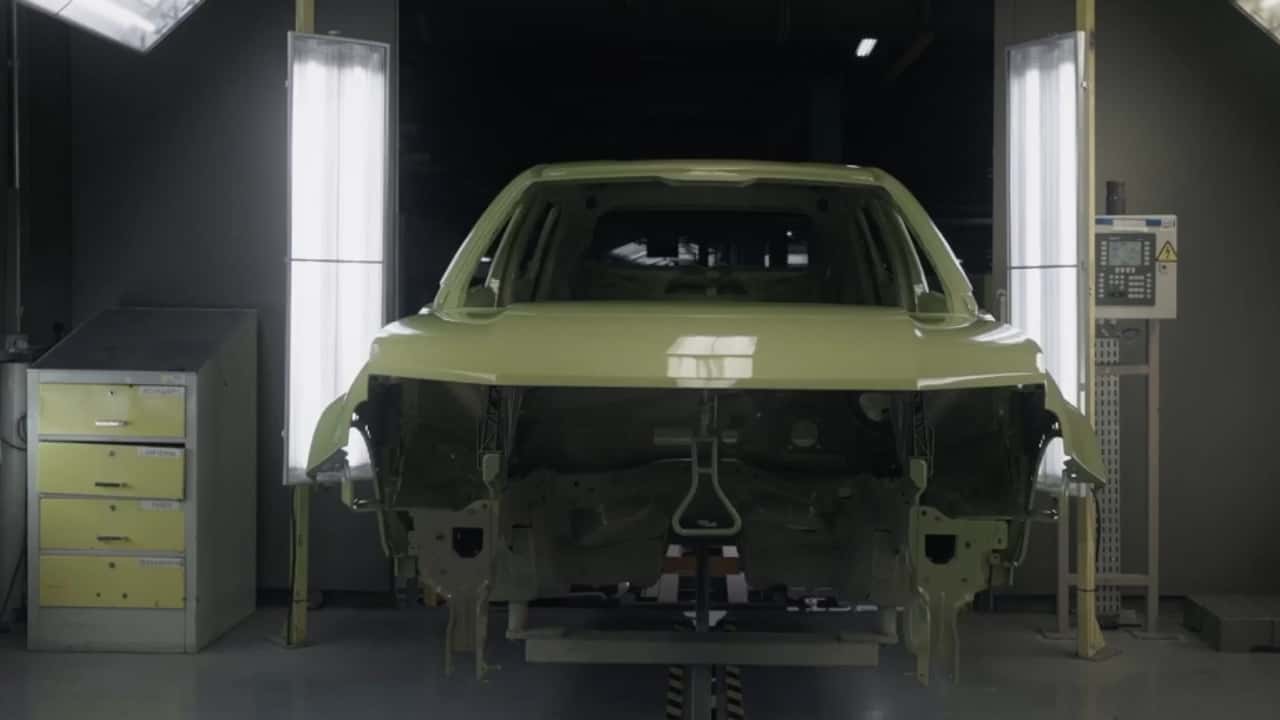
Jeep Avenger begins production in Brazil, debuting as the brand’s new entry-level SUV and inaugurating an unprecedented phase by becoming the first national Jeep manufactured outside of Goiana, as part of a R$ 3 billion plan.
-
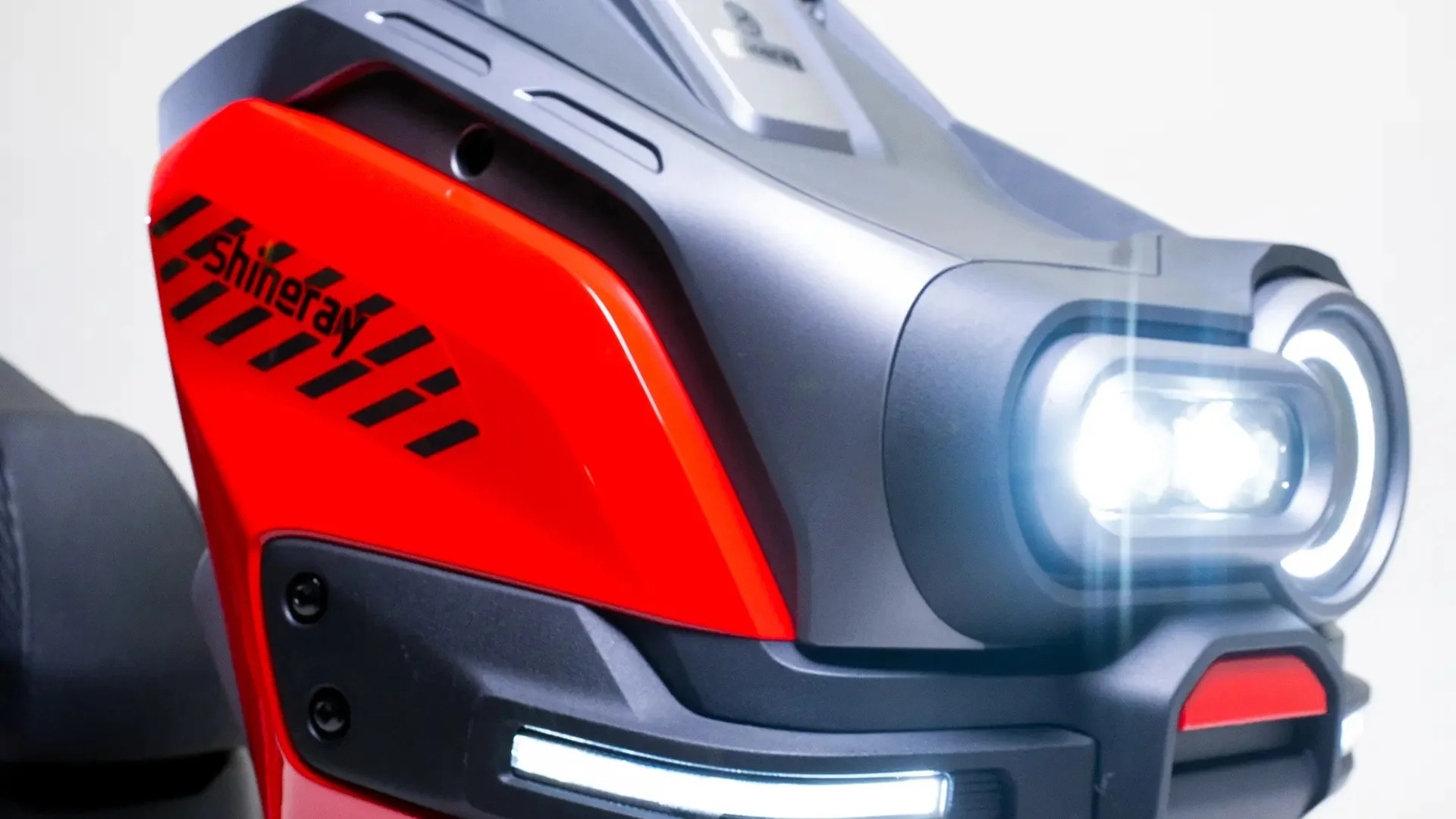
Costing R$ 12,490, the new Shineray Urban Lite 150 “cheap one” arrives in Brazil with a CVT transmission, digital dashboard, and LED lights, making it more affordable than the Biz and targeting those who want to abandon the bus.
-
Ducati brings to Brazil the Superleggera V4 Centenario: 228 hp that become 247 with a track kit, carbon fiber and carbon-ceramic brakes, estimated price between R$ 1.5 and 2 million, deliveries only in 2027.


End Of IPVA For Old Cars
If you have an older car, you might have a pleasant surprise. In states like Amazonas, Bahia, Piauí, Goiás, Maranhão, Pará, Paraíba, Rondônia, Espírito Santo, Ceará, Sergipe and Rio de Janeiro, vehicles that are over 15 years old are automatically exempt from paying the IPVA. That’s right! These states have decided that, due to being older vehicles, it doesn’t make sense to keep charging the tax.
This rule also applies in the Federal District. And the best part is that this exemption is automatic, meaning you don’t need to make any special request or registration to be free from the tax.
IPVA Exemption: Taxis, Machines And Other Special Cases
Now, if you think that the end of IPVA is exclusive to old vehicles, you are mistaken! Depending on the state, other types of vehicles can also be exempt. Taxis, school transport vehicles, agricultural machines, and even firefighting and rescue vehicles are on the list.
Of course, this varies from state to state, and in some cases, you need to register specifically to ensure this exemption. It’s worth checking the rules in your state because, depending on the case, you could save a good amount by not paying the IPVA.
PEC 72/2023: End Of IPVA For Vehicles Over 20 Years
Another important advancement regarding the end of IPVA recently occurred with the approval of the PEC 72/2023. This constitutional amendment proposal, which has already passed the plenary and been forwarded to the Chamber of Deputies, promises to permanently eliminate the IPVA for land passenger vehicles over 20 years old. And the best part is, if approved, this rule will apply nationwide, standardizing the exemption.
But be careful: this PEC does not include vehicles such as minibuses, buses, trailers, and semi-trailers. So, if you own one of those, unfortunately, you will still have to continue paying the IPVA.
IPVA Exemption For Health Reasons
Now, not all is rosy when it comes to IPVA exemption. In some cases, the reason for not paying the tax is much more serious. People with certain health conditions can request an IPVA exemption, as long as they provide proof of the issue through medical exams and reports.
Among the conditions that guarantee the exemption are Cerebral Vascular Accident (CVA), Parkinson’s Disease, amputations, cerebral paralysis, among others. The Ministry of Health is responsible for regulating this list, and depending on the state you live in, the process may vary slightly.
End Of IPVA For Electric Cars
With the growing concern for the environment, many states are encouraging the use of more ecological vehicles, such as electric cars. In states like the Federal District, Ceará, Alagoas, Maranhão, Mato Grosso do Sul, Paraná, Pernambuco, Minas Gerais, Rio de Janeiro, and Rio Grande do Sul, there are IPVA exemptions for these vehicles.
It’s a way to encourage the population to adopt more sustainable means of transportation, helping to reduce the emission of polluting gases. However, the rules for this exemption also vary from state to state, so it’s important to be informed before acquiring an electric car with the intention of receiving the IPVA exemption.
Say Goodbye To IPVA
If you are the type who can hardly wait to get rid of the IPVA, it’s good to keep an eye on the rules of your state. The end of IPVA is a reality for many Brazilians, whether due to the age of the vehicle, health conditions, or even owning an electric car.
Each state has its own legislation, so it’s worth checking if you fall under any of these exemption categories. Who knows, you might be able to start the next year without worrying about this much-despised tax? After all, any savings is welcome, right?
So, research, stay informed and, who knows, say goodbye to IPVA once and for all!










Seja o primeiro a reagir!