





 English
  Francês
  Alemão
  Italiano
  Japonês
  Norueguês
  Portuguese
  Spanish
  2 min of reading


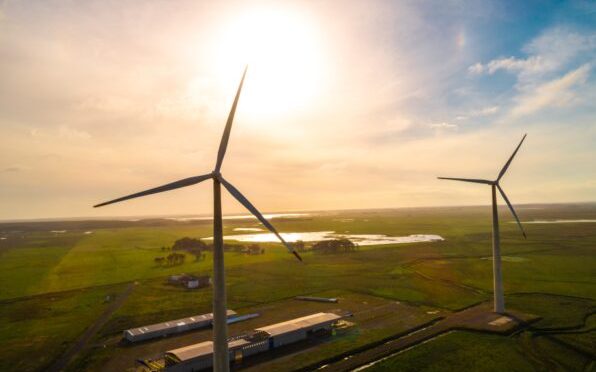
From 2011 to 2019, over R $ 88 billion was invested, of which R$ 67 billion was spent in the country’s economy.
On the day that wind energy in Brazil reached 17 GW of installed capacity, a study commissioned by the Brazilian Wind Energy Association indicates that the socioeconomic and environmental impacts of wind generation in the country exceed R$ 260 billion applied to the economy. According to the publication presented at the XI Brazil Windpower event organized by Grupo CanalEnergia-Informa Markets, GWEC, and ABEEólica, there are three investment effects: direct, indirect, and profit.
Also Read
- Paraná Reveals Investment Plan in Infrastructure of US $ 760 million
- Petrobras Announces Voluntary Dismissal Plan and Other Operational Cuts
- Petrobras: 45 thousand workers at risk of losing their jobs
- Petrobras is expected to spend about 6 billion dollars on decommissioning platforms, submarine pipelines, and offshore wells
Over 88 Billion Applied to Brazilian Wind Energy
The study indicates that between 2011 and 2019, just over R $ 88 billion, or US$ 31.3 billion, was invested, considering the average annual price of the commercial dollar for sale. Of these amounts, 80% went to wind turbines, machines, and equipment, in addition to maintenance and repairs, while the remaining 20% went to construction, of which R $ 67 billion was applied domestically and the remaining R$ 21.1 billion for importing products.
These investments had the potential to increase production in the Northeast and South regions of the country (value added) to the order of R $ 262 billion, generating more than 498,000 jobs per year on average, and R$ 45.2 billion in wages. Furthermore, R$ 22.4 billion was collected from related economic taxes, with R$ 11.8 billion from ICMS and R $ 1.9 billion from IPI.
-
With 160,000 m² of collectors, an area larger than 20 football fields, Silkeborg, in Denmark, hosts a solar thermal plant that heats 19,500 homes and could become the largest solar heating plant in the world.

-
A study reveals the expansion of renewable energy procurement in Brazil and shows how companies are taking advantage of opportunities to reduce expenses, ensure energy efficiency, and strengthen strategic environmental commitments.

-
Mato Grosso do Sul excels in the sugar-energy sector: the state reaches a milestone of 22 operating mills and accelerates the production of clean energy in MS with a focus on sustainability.

-
National energy dilemma: Brazilians support clean energy but reject increases in tariff costs to finance the sustainable transition.
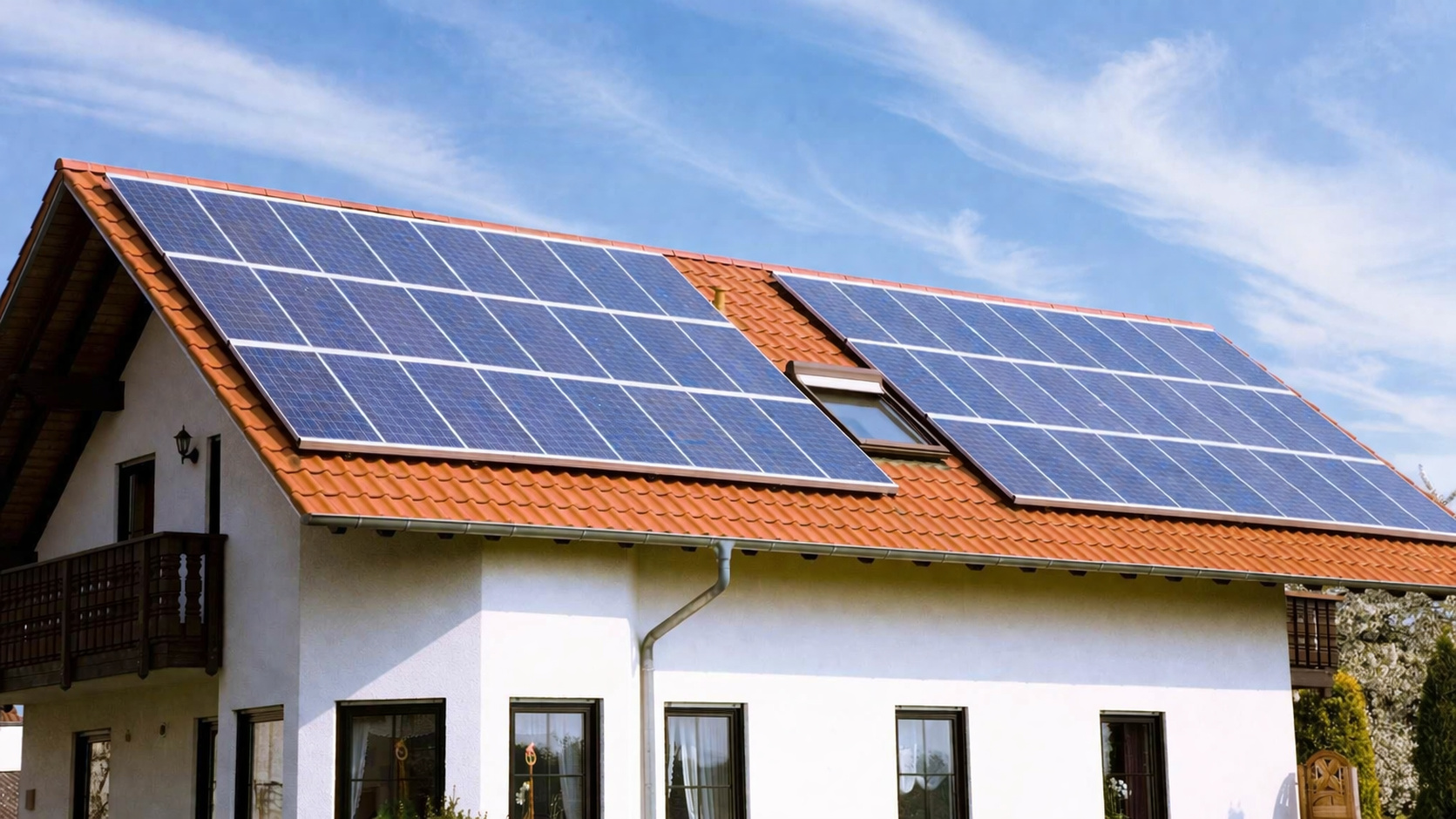

Wind Energy Significantly Contributes to the Brazilian Economy
A highlight of the study is that due to its complementary nature to other economic activities, the wind source contributes significantly to the revenues of the producing regions. It states that due to the value of electricity, this complementary income becomes the main source of income for areas dedicated to its production.
“This is because most wind farms utilize the model of leasing small properties rather than purchasing them, which allows generating income for small producers, usually small rural producers and subsistence farmers. In addition, the significant positive impact on communities is due, among other reasons, to the dynamism of the local economy,” reported GO Associados, responsible for the study.
In 2018, GO estimates that only from leasing the areas, a total of R $ 169.7 million was recorded. This amount refers to the volume of 14.71 GW of wind energy installed by the end of that year. This value considers the average monthly amount paid by a rented wind turbine (pre-operation and operation) and the number of families that received this amount during the 12 months.







Seja o primeiro a reagir!