





 English
  Francês
  Alemão
  Italiano
  Japonês
  Norueguês
  Portuguese
  Spanish
  2 min of reading


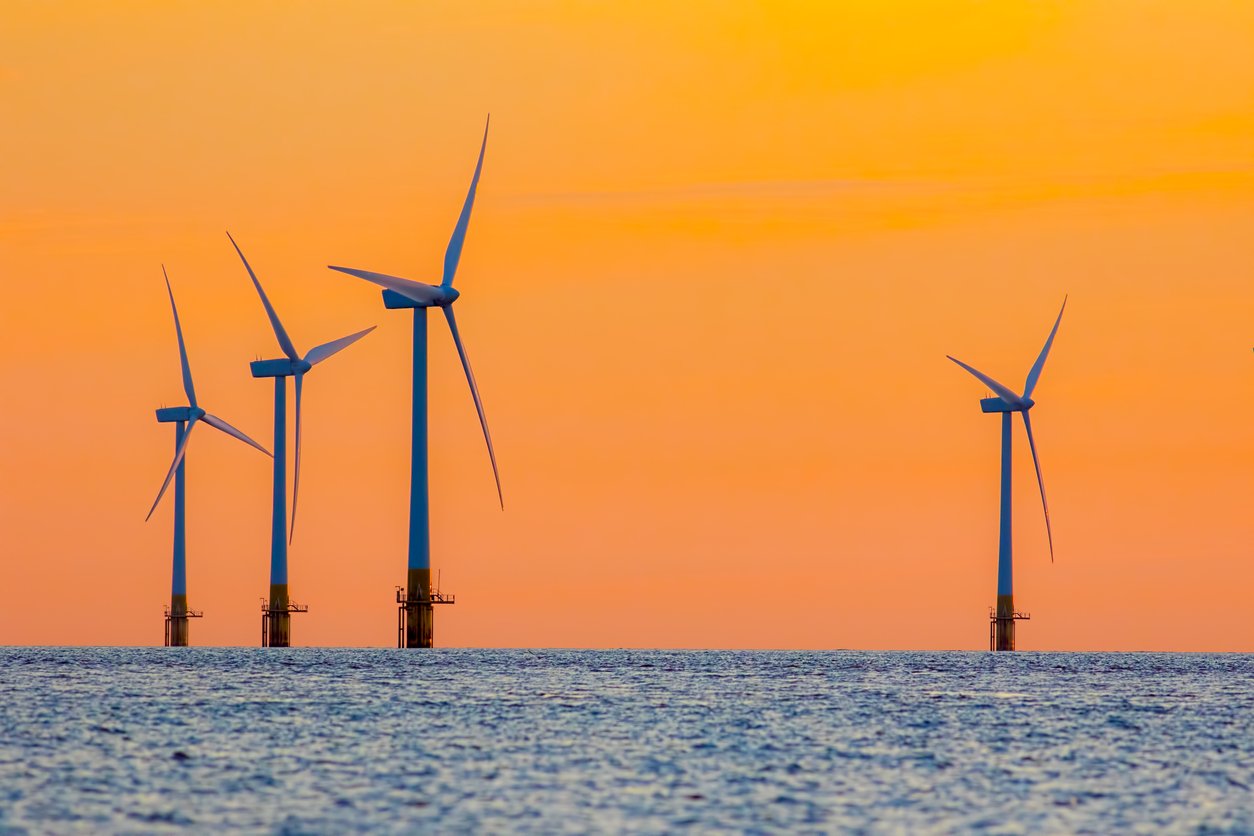
The Offshore Wind Energy Sector Grows Every Year. More Than 150 New Wind Projects Are Expected in the Next Five Years
Offshore wind energy is one of the fastest-growing renewable energy sources in recent years. It is clean energy generated from the wind, which captures kinetic energy through the blades of wind turbines and converts it into mechanical energy and electrical energy. However, as projects and their turbines develop, the demand for specialized installation vessels will increase.
See Also:
- Camargo Corrêa Construction Calls for 770 Vacancies in Civil Construction Works for Professionals from Incomplete Elementary to Higher Education
- Petrobras Auctioned Land Near the Duque de Caxias (Reduc) Refinery in Rio de Janeiro Today (11)
- Industries in Partnership with Senai Offer More Than 60,000 Vacancies for Apprentice Youth in 21 States of Brazil
According to Rystad Energy, an independent energy research and business intelligence company, “The market for vessels capable of installing large offshore wind components is being rapidly outpaced by growing demand considering global development. The global fleet will be insufficient to meet demand after 2025, creating opportunities for orders of more specialized vessels and conversions of heavy-lift vessels from the oil and gas sector.”
Advantages and Disadvantages
The pieces of onshore turbines are usually transported by ships and barges, which reduces some logistical difficulties. As there are no tunnels or streets to limit the size of the components that can be passed, offshore turbines tend to be larger and can capture more energy, generating twice the energy compared to onshore wind farms.
-
A study reveals the expansion of renewable energy procurement in Brazil and shows how companies are taking advantage of opportunities to reduce expenses, ensure energy efficiency, and strengthen strategic environmental commitments.

-
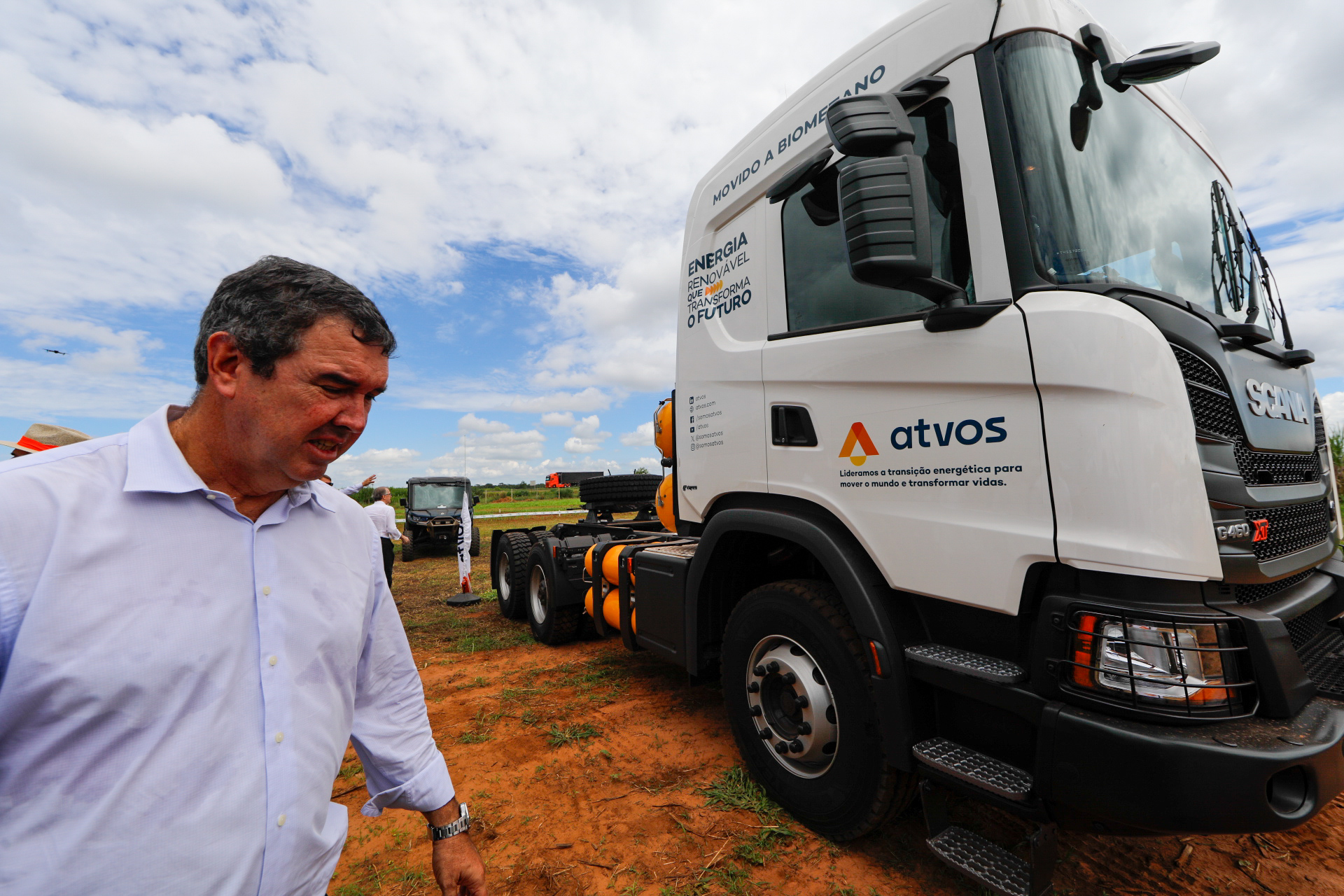
Mato Grosso do Sul excels in the sugar-energy sector: the state reaches a milestone of 22 operating mills and accelerates the production of clean energy in MS with a focus on sustainability.
-
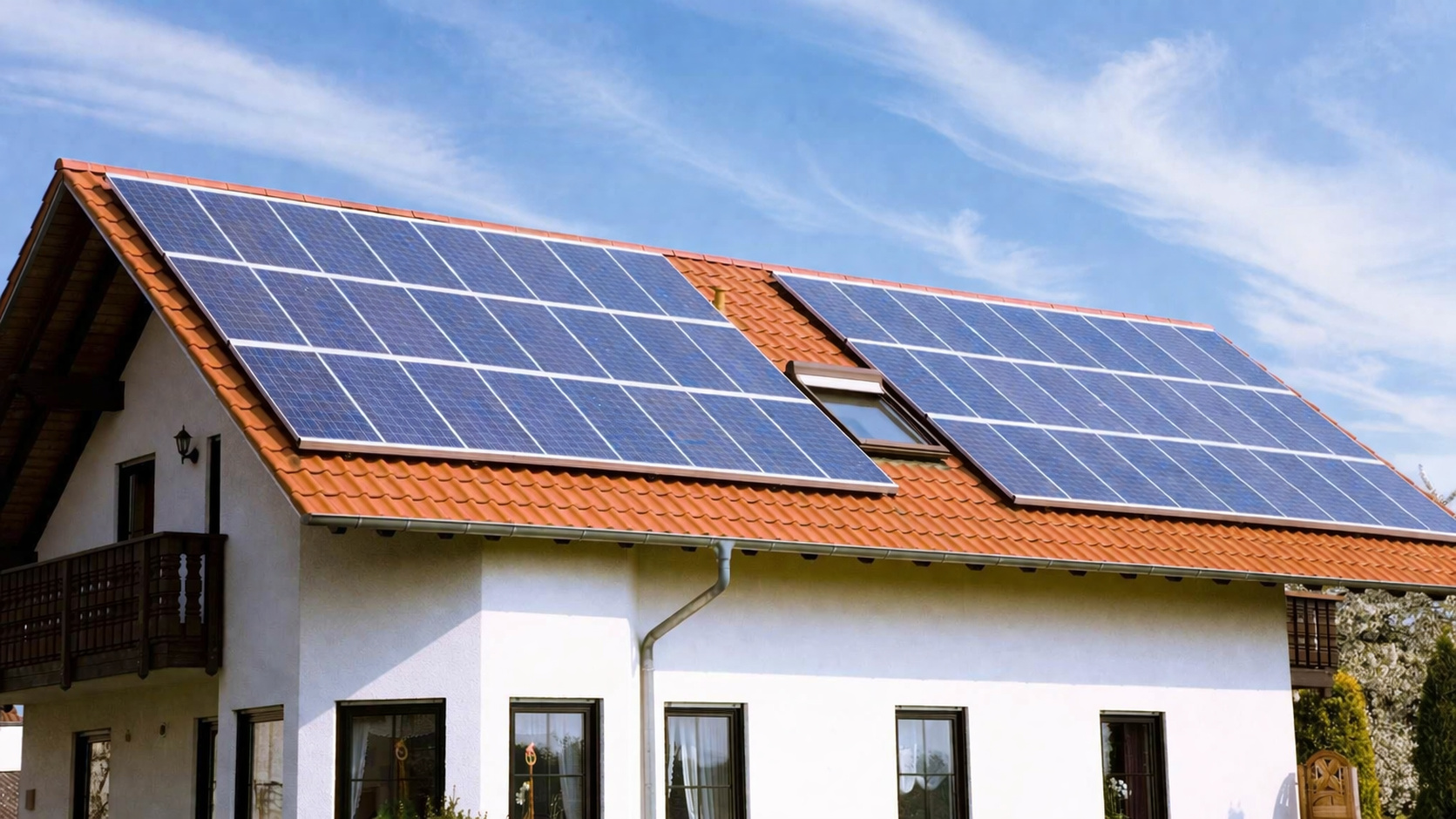
National energy dilemma: Brazilians support clean energy but reject increases in tariff costs to finance the sustainable transition.
-
Research indicates that Brazilians support clean energy and wish to advance in the energy transition, but reject paying more on their electricity bill, showing a direct conflict between cost and sustainability.


However, since they are located at sea, the hiring of specialized vessels for each operation is necessary, and their cost tends to be very high. Tugs are needed to transport the platforms, ROVs for support in anchoring and cabling operations, and crane vessels to lift the parts and assemble the turbine on the platform.
Another advantage is that offshore wind fields tend to produce most of their energy during the day when demand is generally higher, while during night and morning shifts (when demand drops), most onshore oil fields produce energy.








Seja o primeiro a reagir!