





 Português
  Inglês
  Espanhol
  3 min de leitura


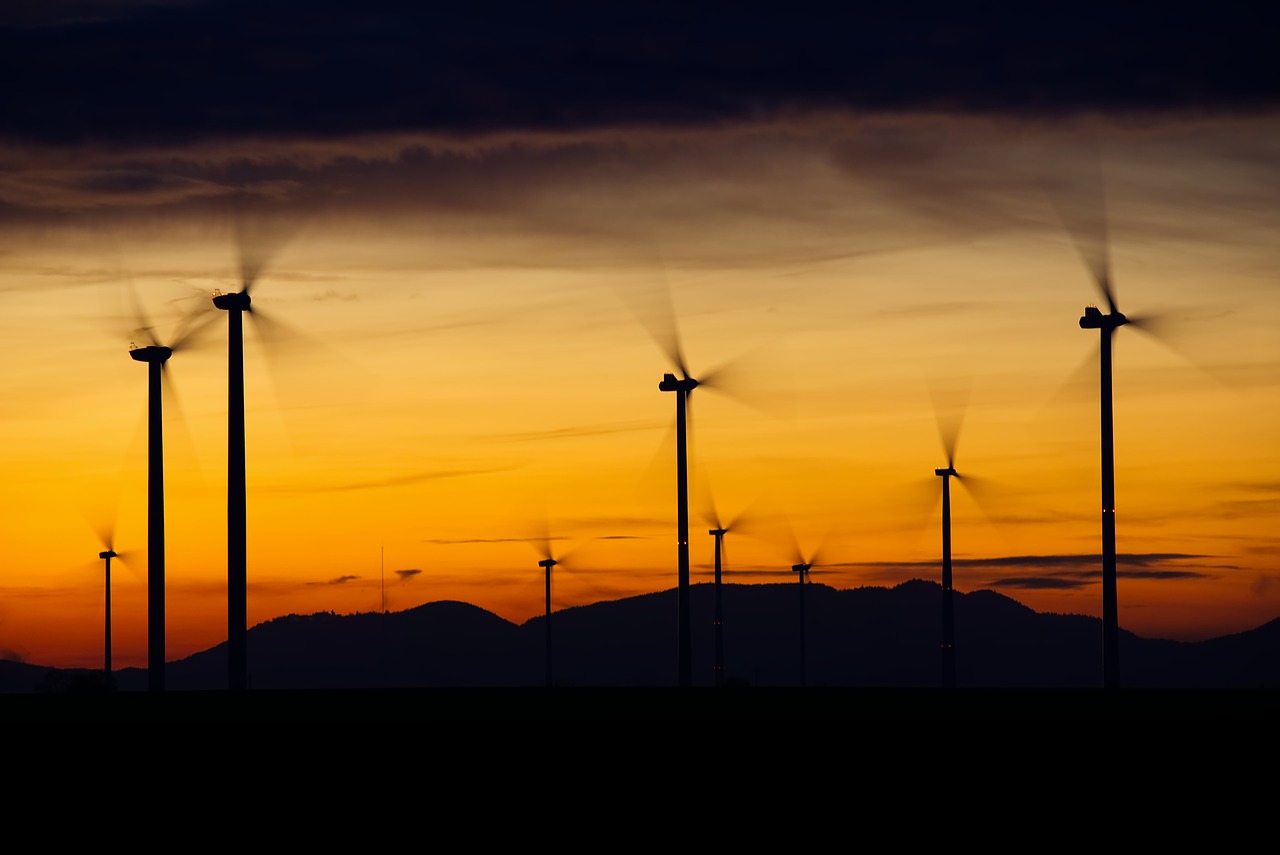
The Northeast of Brazil Has Strong Potential for Wind Energy Production and, During the Annual High Wind Season in the Region, This Segment Set a Record for Instantaneous Generation, According to Data Collected by ONS.
The National Electric System Operator (ONS) released last Friday, (07/15), data on energy production in the country over the past few weeks and announced that wind energy recorded a record for instantaneous generation in the Northeast of Brazil. The record occurred during the high wind season, which happens annually and allows producing companies to take advantage of the high production potential to expand electricity generation using wind energy.
ONS Data Shows That Wind Energy Set a Record for Instantaneous Generation in July in the Northeast, Driven by the High Wind Season
The Northeast continues to reaffirm its presence in the national scene in the field of renewable energy production, due to its geographical position favorable to this generation. This is because the high wind season in the region enabled wind energy to reach a new peak of instantaneous generation this July and achieve a record.
This data was released last Friday by ONS, which emphasized the importance of this period for resource production. Thus, ONS announced that wind energy was responsible for producing 14,167 MW of energy on the last day of 8, in the instantaneous generation model of the resource.
-
Renewable energy advances over protected areas in Brazil, and a survey by the Energy Transition Observatory reveals silent impacts that challenge environmental conservation and pressure sensitive traditional territories.

-
Rio Grande do Sul accelerates energy transition: State invests in renewable technologies and consolidates decarbonization strategies and pathways to attract billions in new industrial investments.

-
With 160,000 m² of collectors, an area larger than 20 football fields, Silkeborg, in Denmark, hosts a solar thermal plant that heats 19,500 homes and could become the largest solar heating plant in the world.

-
A study reveals the expansion of renewable energy procurement in Brazil and shows how companies are taking advantage of opportunities to reduce expenses, ensure energy efficiency, and strengthen strategic environmental commitments.


For comparison regarding the relevance of this number, this total amount could supply the entire Northeast region of the country, and there would still be a surplus of 23.2% of the generated energy. Thus, the significant results in instantaneous energy generation in the region reinforce the relevance of the Northeast in the energy sector and the need for new investments to harness these resources.
The high wind season is a phenomenon that occurs every year in the northeastern region of Brazil and drives the production of wind energy. This is because, during the winter months, between July and October, the northeastern states experience an increase in the quality and intensity of winds, due to ocean currents.
Thus, wind energy production enterprises take advantage of the moment to focus their efforts on improvements in the production process, in order to ensure the highest peaks of instantaneous energy generation, as was seen this July.
Instantaneous Wind Energy Generation Ensures Good Results This Week and Is Accompanied by Solar Energy, Which Also Managed to Stand Out in the Country
The month of July started off quite productive and, especially, profitable for renewable energy production companies in Brazil, particularly those located in the Northeast region of the country, due to the high wind season.
In addition to the great results in instantaneous wind energy generation on the last day of 8, ONS also revealed that solar energy also managed to stand out strongly this past week across the country.
This is because, during this past Tuesday (12), at 10:28 AM, an instantaneous generation of 2,963 MW was recorded, equivalent to 27.5% of the demand for the entire Northeast subsystem at that minute. Solar energy is part of the great productive potential of energy in the region, and this number highlighted the relevance of the segment in the state’s profitability.
Learn More About the National Electric System Operator (ONS)
ONS, or the National Electric System Operator, is the agency responsible for coordinating and controlling the operation of electricity generation and transmission facilities in the National Interconnected System (SIN) throughout the country.
Thus, the agency carries out a series of studies and legal assignments throughout the country to ensure the proper management of electricity production, also focusing on the renewable energy sector.










Seja o primeiro a reagir!