





 Português
  Inglês
  Espanhol
 3 min de leitura
  0 comentários


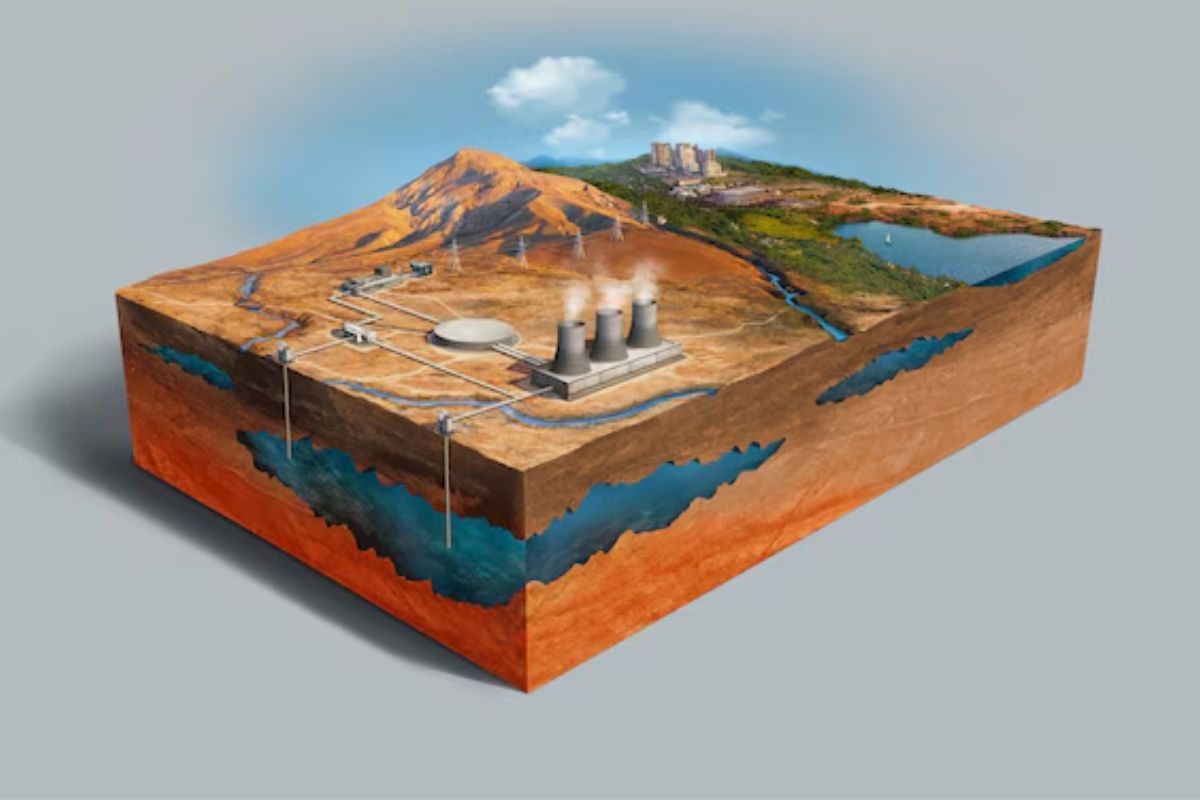
Brazil Takes An Important Step By Creating The National Geothermal Energy Program, CNPE Initiative To Strengthen Energy Transition, Encourage Research And Expand Sustainable Electricity Matrix
Geothermal Energy has officially entered the radar of Brazilian public policies with the creation of the National Geothermal Energy Program (Progeo), according to a report published.
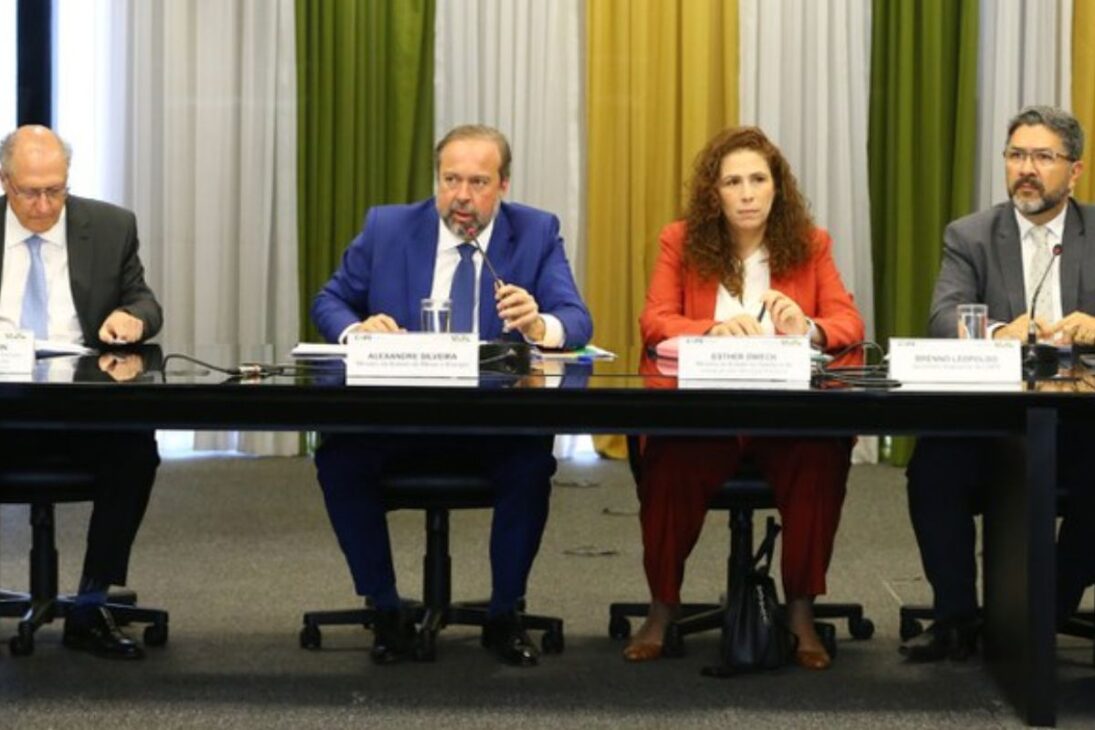
The measure was approved by the National Energy Policy Council (CNPE) on October 1st and represents a strategic milestone to diversify the national electricity matrix, expand renewable alternatives, and strengthen the country’s energy security.
The Minister of Mines and Energy, Alexandre Silveira, highlighted that Brazil has significant geothermal potential in several regions, capable of transforming underground heat into clean energy.
-
Renewable energy advances over protected areas in Brazil, and a survey by the Energy Transition Observatory reveals silent impacts that challenge environmental conservation and pressure sensitive traditional territories.

-
Rio Grande do Sul accelerates energy transition: State invests in renewable technologies and consolidates decarbonization strategies and pathways to attract billions in new industrial investments.

-
With 160,000 m² of collectors, an area larger than 20 football fields, Silkeborg, in Denmark, hosts a solar thermal plant that heats 19,500 homes and could become the largest solar heating plant in the world.

-
With earth, bamboo, straw, and lime mortar, a specialist builds a house for just over $460 and draws attention for its cost being much lower than traditional construction.

According to him, this opportunity could generate sustainable economic growth, strengthen productive chains, and energize local economies.
For a country that already has 90% of its electricity matrix renewable, investing in new sources means further increasing resilience against climate change.
Sustainability As The Engine Of The Program
Progeo was created with the goal of promoting the sustainable use of Geothermal Energy, aligned with climate goals and global energy transition.
The initiative aims to encourage research, development, and innovation (R&D) projects, as well as the structuring of specific public policies for the sector.
Another important point is the coordination with different government agencies, the productive sector, and scientific institutions.
This integration will be essential to ensure that the utilization of the geothermal source respects the environment while simultaneously strengthening local communities.
The alignment with sustainability is not limited to reducing emissions; it also involves creating inclusive and secure economic opportunities.
Electricity Matrix And Energy Security In Focus
Although Brazil has an electricity matrix considered one of the cleanest in the world, there is a constant challenge of maintaining energy security.
Extreme weather events, such as prolonged droughts, can compromise energy generation from sources like hydropower.
In this scenario, Geothermal Energy emerges as a reliable and low-carbon emission alternative, increasing the diversity of sources and ensuring greater stability.
Progeo also aims to reduce dependence on energy imports and increase national autonomy.
The resolution approved by the CNPE creates guidelines for the development of legal and regulatory frameworks that provide security for investors, stimulating new business in the sector.
Support From Agencies And Strengthening The Productive Chain
The implementation of the program will include research and innovation resources from the National Agency of Petroleum, Natural Gas and Biofuels (ANP) and the National Electric Energy Agency (Aneel), both linked to the Ministry of Mines and Energy.
This technical and financial support is essential to consolidate the sector and generate information that supports strategic decisions for companies and regulators.
In addition to guaranteeing a scientific basis, the Progeo can boost the national chain of goods and services aimed at Geothermal Energy, strengthening the industry and creating new job opportunities in various regions of Brazil.
This movement directly contributes to regional development and creates favorable conditions for innovation in the energy sector.









Seja o primeiro a reagir!