





 English
  Francês
  Alemão
  Italiano
  Japonês
  Norueguês
  Portuguese
  Spanish
  3 min of reading



Vice’s Information Indicates That The New Nuclear Mineral Found By China Has The Capacity To Generate Unlimited Energy From The Nuclear Fusion Process. There Are Still Impasses In The Project, But The Resource Could Be The Fuel Of The Future.
Innovation and the search for new industrial optimization technologies are highlights in China, and the country continues to make significant discoveries for the sector. The latest discovery is the nuclear mineral Chanhesita-(Y), which, according to the Chinese media Vice, can generate unlimited energy. Thus, the resource could become a major bet for the fuel of the future, but it still faces hurdles, as it was found on the Moon.
Nuclear Mineral Found On The Moon Is China’s Major Bet For Unlimited Energy Generation From The Nuclear Fusion Process
China’s space expeditions in search of new materials and minerals have yielded significant discoveries for the industrial market, and Vice reported another achievement from the country’s missions.
This concerns a nuclear mineral found on the Moon that has strong potential for energy generation from nuclear fusion processes and could be the major bet of the international market in the future.
-
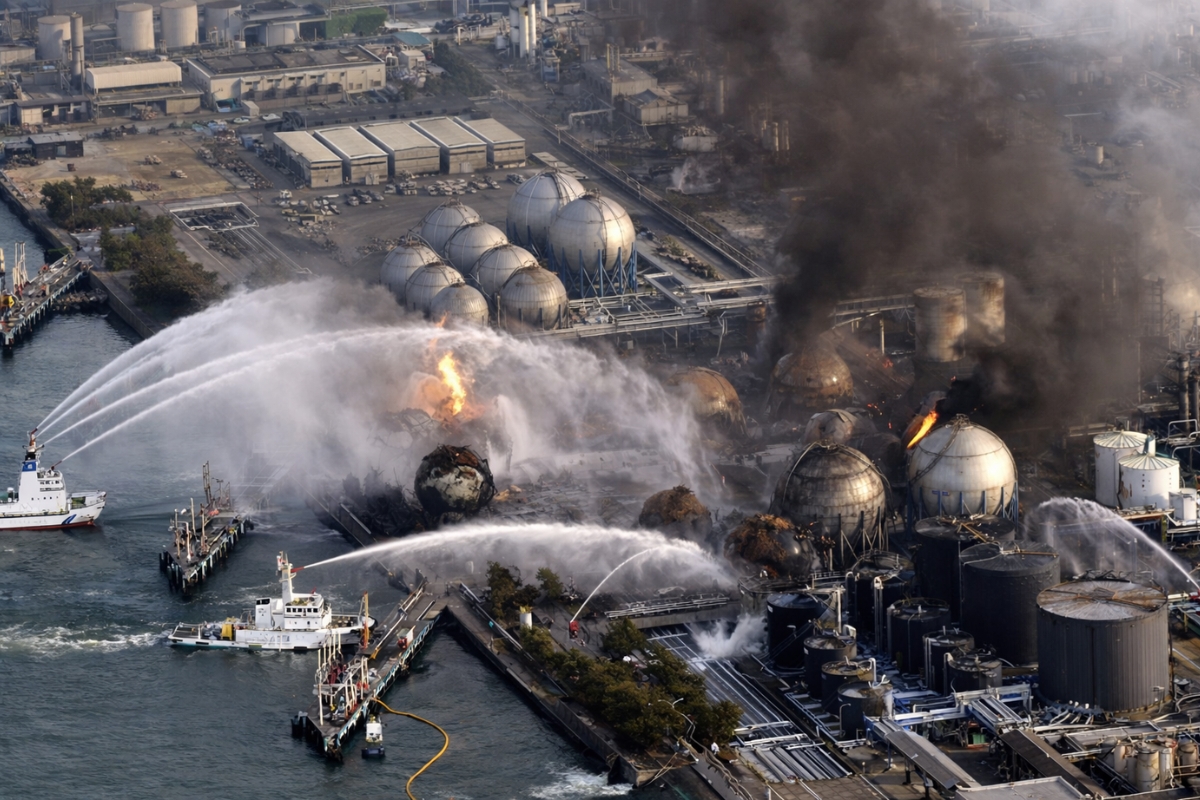
Fukushima Marks A Turning Point In Japan’s Energy Policy: After The Disaster, The Country Shut Down Its 54 Nuclear Reactors And, 15 Years Later, Only A Small Portion Have Returned To Operation
-
How Japan Overcame The Nuclear Bomb And Now Houses Millions In Hiroshima, While Ukraine Lost Chernobyl?

-
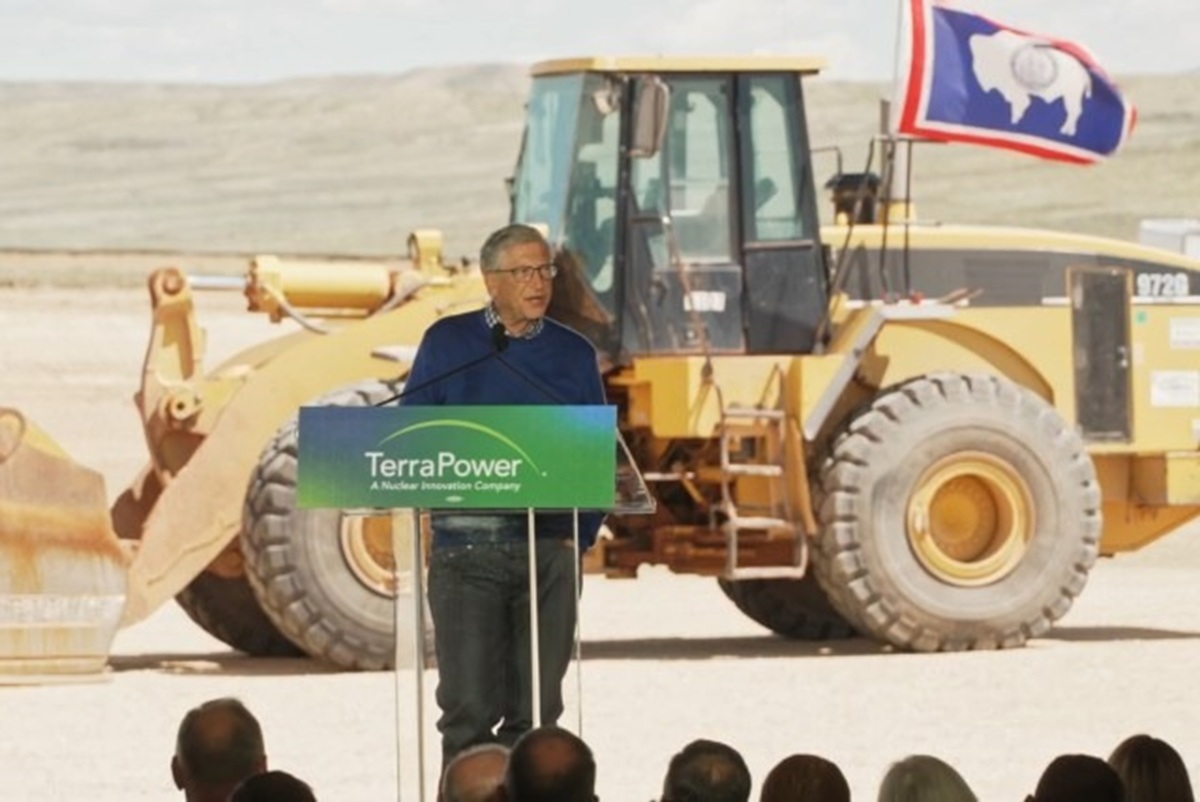
Bill Gates Receives Historic Approval to Build Giant 345 MW Nuclear Plant in the U.S. and Promises to Generate Up to 500 MW of Energy with Innovative Technology
-
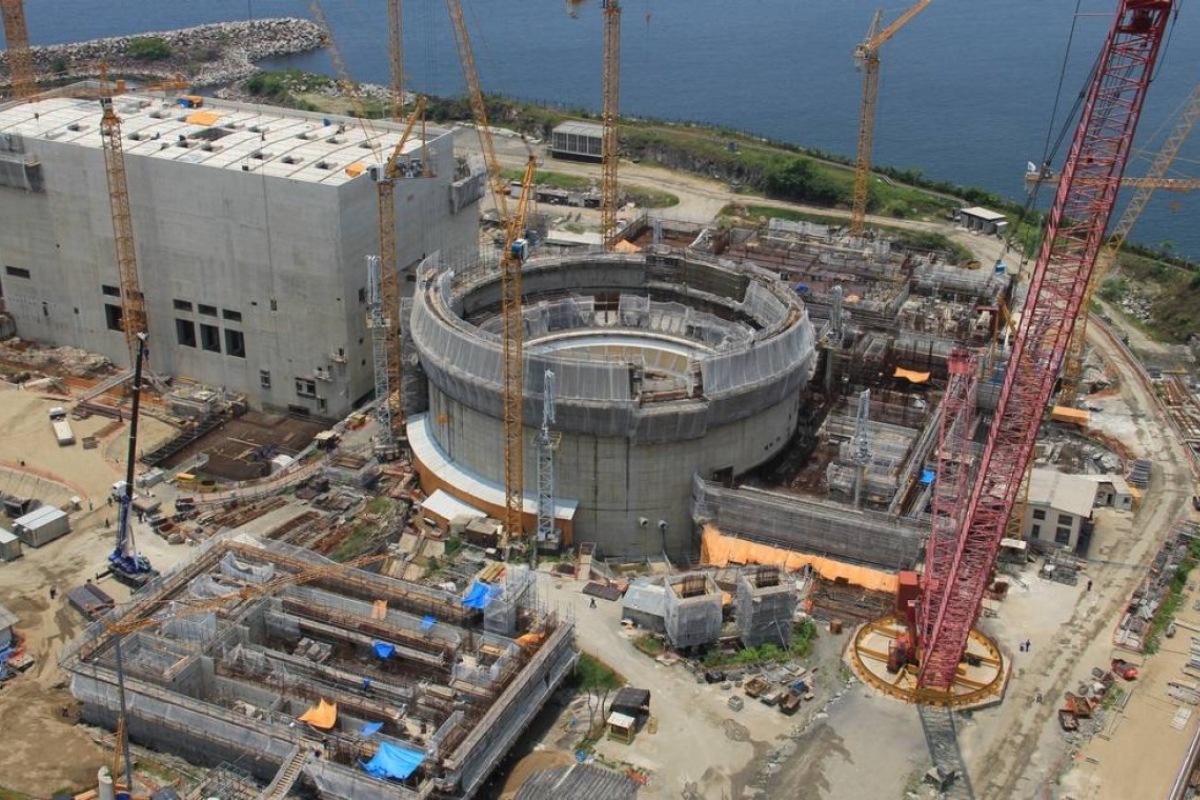
India Opens Nuclear Energy to Private Capital to Accelerate Projects and Attract Billions, While Brazil Remains Stalled at Angra 3 and Discusses Who Will Foot the Bill for Completion
The mineral was found in 2020, but the analyses to gather data on its energy potential took years to be conducted.
The Chang’e-5 mission revealed the existence of the ore named Chanhesita-(Y), which can generate a high source of nuclear energy. However, another material found may allow for unlimited energy use from nuclear fusion.
Moreover, Vice’s report shows that the resource found on the Moon also contains a part of Helium-3, a version of the Helium element that could be a future efficient fuel source.
The generation of the energy resource would be entirely through a process known as nuclear fusion, which harnesses the power released by atoms fusing under immense pressures, like those within stars.
In this type of energy generation process, two or more atomic nuclei of the mineral join together to form a larger nucleus, thus causing a buildup of potential, which increases productivity.
Vice is now continuing the assessments and reports on the future analysis of what could be considered a highly viable and efficient fuel source in the coming decades.
Nuclear Energy Production Technology Using The Space Mineral Is Innovative, But The Path To It Is Not Easy At All
The nuclear fusion process that could be used on the mineral found by China, according to Vice, can bring energy production exceeding the necessary consumption in the production chain.
Thus, this becomes an innovative technology that is highly beneficial in terms of energy yield and potential use as fuel in the future.
However, the Chinese media emphasizes that the path to achieving this type of energy generation is still very long and uncertain.
This is because the Korea Superconducting Tokamak Advanced Research (KSTAR) actually recorded an ion temperature above 100 million degrees Celsius – albeit for only 30 seconds – due to the instability involved in nuclear fusion, making this type of process a real challenge.
Now, China’s hope, according to Vice, is that Helium-3, rarely found on Earth, could be abundant on the Moon and enable this type of energy production from the mineral.
Although promising, this fuel project is still an initiative that is in the early stages and needs to be refined over several years.









Seja o primeiro a reagir!