





 Português
  Inglês
  Espanhol
  3 min de leitura
  0 comentários



Brazil Transforms Sugarcane and Corn into the Foundation of the Energy Transition Toward Decarbonization
Brazil has built, over nearly five decades, a solid trajectory in the use of ethanol as a vector for the energy transition.
Since the 1970s, with Proálcool, the country has strengthened the sugarcane production chain, expanded production, ensured scale, and consolidated a model that is globally recognized.
Today, biomass fuels represent about 30% of the national energy matrix, double the global average, according to data from UNICA (Union of the Sugarcane Industry and Bioenergy) in 2024.
First Steps and Historical Evolution
The blending of ethanol with gasoline began in 1931, during the government of Getúlio Vargas, with a decree that mandated up to 5% ethanol in fuel.
The significant milestone occurred in the 1970s, after the oil crisis triggered by the OPEC (Organization of the Petroleum Exporting Countries).
In this scenario, the National Alcohol Program (Proálcool) initiated the structuring of a robust production chain, aligning producers, industry, and government.
With this advance, companies like Copersucar played a decisive role, ensuring logistics, scale, and economic viability.
According to Priscilla Cortezze, director of communication and sustainability at Copersucar, ethanol is the result of “a collective construction that spans decades, uniting public policies and business vision.”
Thus, over 50 years, production consolidated itself as an efficient alternative, reducing emissions and strengthening energy security.

Union Between the Private Sector and Public Policies
Technological development intensified from 2003 with the arrival of the flex-fuel engine, an innovation that allowed vehicles to be fueled with ethanol, gasoline, or a mixture of both.
This milestone expanded consumption and consolidated the relevance of biofuels in Brazil.
Moreover, recent policies have reinforced this trajectory.
In 2024, the National Energy Policy Council (CNPE) approved increasing the anhydrous ethanol blend in gasoline from 27% to 30% (E30).
This decision was anchored in the Future Fuel Law, enacted in the same year, which establishes targets to increase the participation of biofuels.
At the same time, the Program Mover (Green Mobility and Innovation) reinforces the pursuit of efficiency and innovation in the automotive industry.
This program connects energy policy to the climate agenda and drives new sustainable technologies.
-
The Economist states that Brazil has a “secret weapon” against expensive oil and highlights how the country can reduce economic impacts even in international scenarios of high volatility.

-
Brazil accelerates decarbonization in the South: International forum in Foz do Iguaçu gathers leaders to discuss the advancement of biomethane in the energy matrix and the potential of “caipira pre-salt.”

-
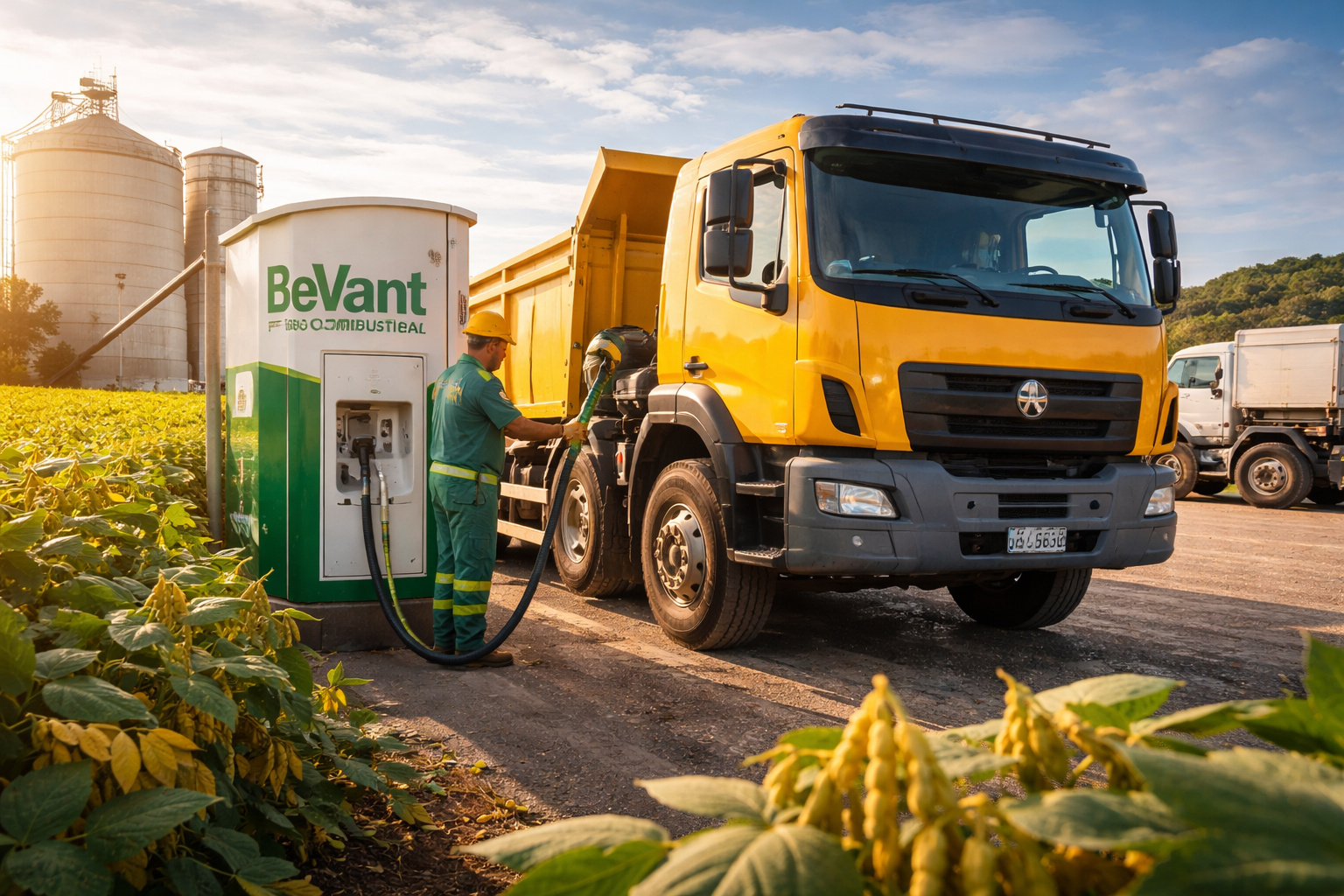
As diesel prices soar due to conflicts in the Middle East, a Brazilian city decides to test a little-known biofuel that promises to completely replace fossil fuel without adaptation and could change the future of energy in the country.
-
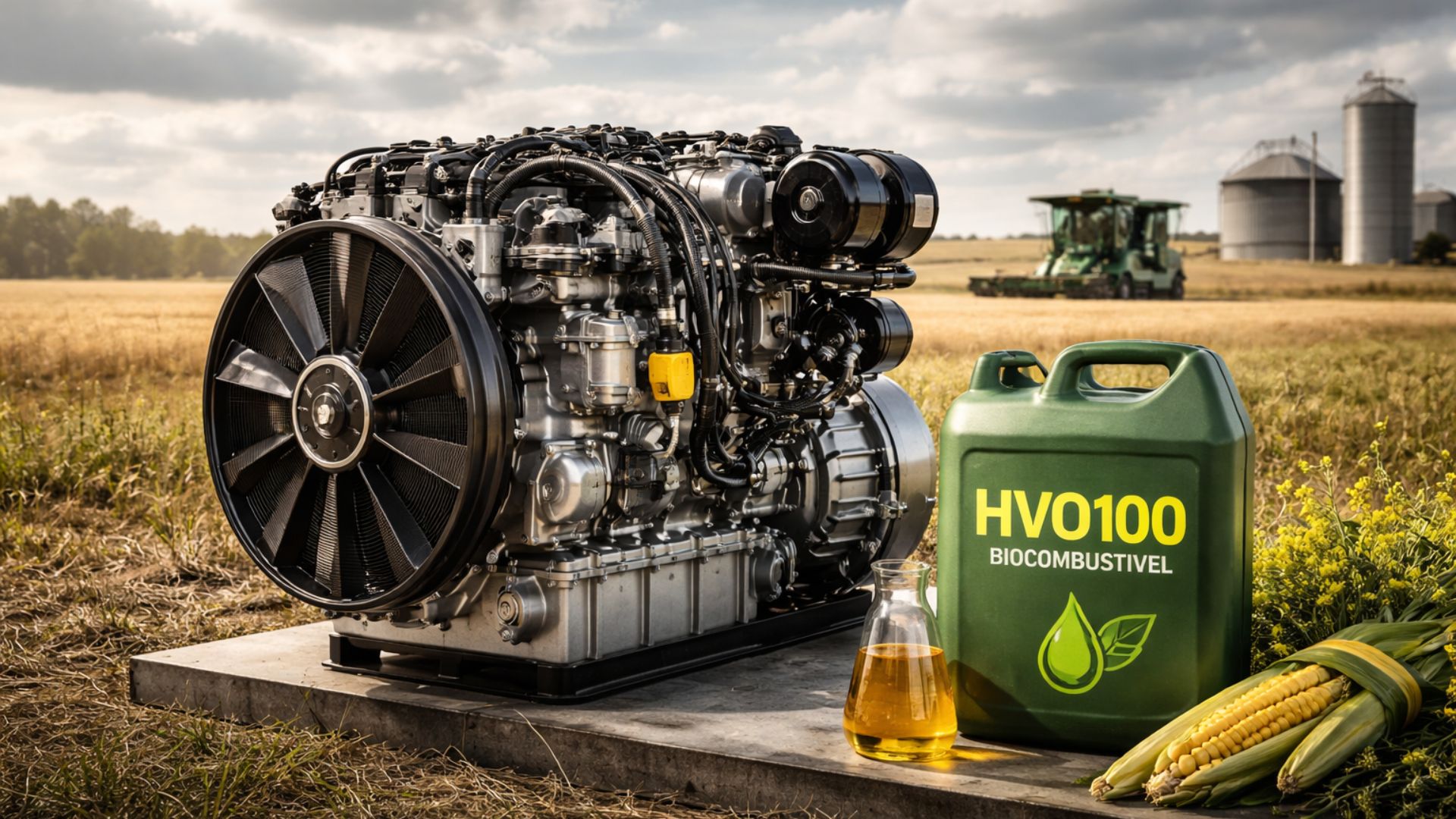
Innovation with biofuel engines transforms agribusiness by replacing diesel without the need for major adaptations, ensuring energy efficiency and helping to reduce dependence on oil.

Technological Advances and Automotive Innovation
Automakers played a decisive role in this process.
In 1979, Fiat launched the 147 model powered by ethanol, kickstarting the era of biofuels in Brazil.
Years later, in 2013, Toyota introduced the hybrid Prius; furthermore, in 2019, it launched the flex hybrid Corolla.
In 2021, the Corolla Cross expanded this line; thus, consolidating ethanol in electrified vehicles.
By 2024, Stellantis launched the Pulse and Fastback Hybrid; thus, combining electrification with the use of ethanol.
Meanwhile, Toyota, in partnership with USP, develops technologies that transform ethanol into hydrogen at fueling stations.
This leverages the existing infrastructure and thereby reduces costs and CO₂ emissions.
Promising Future and Environmental Impact
Brazil has 31.9 million flex vehicles, according to UNICA data.
Moreover, they operate with ethanol, gasoline, or a blend of both.
Thus, switching gasoline for ethanol can reduce emissions by up to 90%.
On the other hand, national production utilizes clean practices, such as biofertilizers and biomass energy.
According to Copersucar (2024), an increase of 10 points in ethanol consumption reduces 6 million tons of CO₂.
Nevertheless, this rise in demand adds 5 billion liters to the market.
Even with electrification by 2035, flex vehicles will still account for 75% of the national fleet.
Therefore, ethanol remains essential in the Brazilian energy transition.
Today, in light of COP30, the world sees Brazil as an example of sustainable leadership.










Seja o primeiro a reagir!