





 Português
  Inglês
  Espanhol
  4 min de leitura
  0 comentários


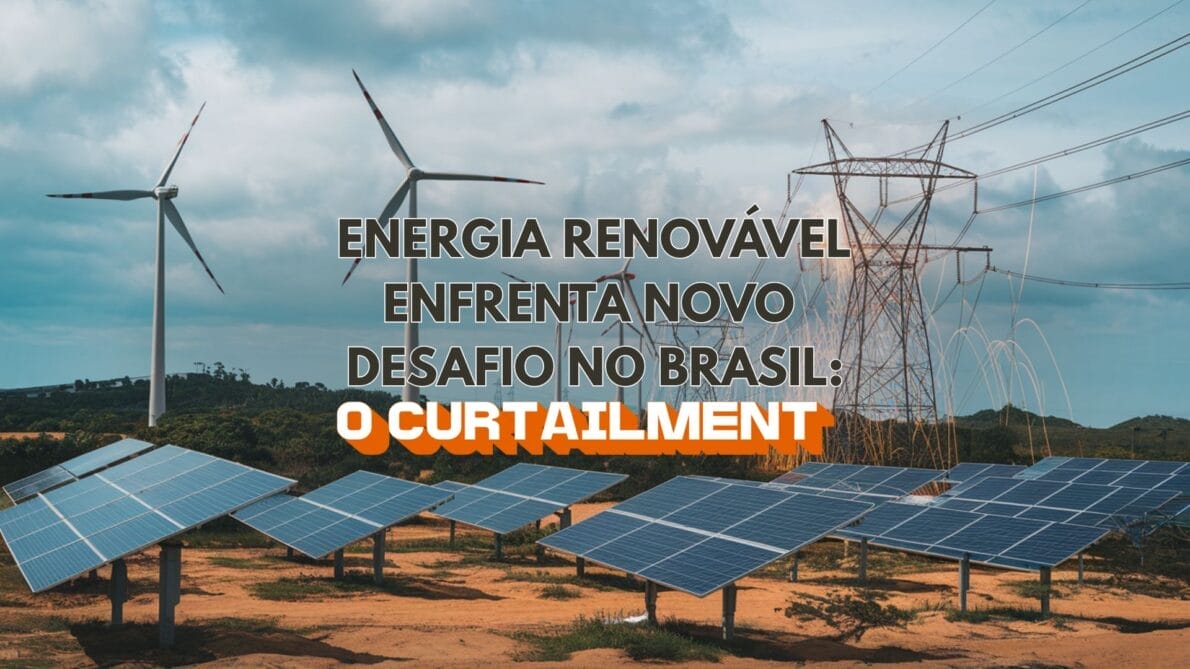
Solar And Wind Energy Face Flow Limitations That Affect Economy, Environment, And New Investments.
Brazil has registered considerable expansion in the use of renewable energy in recent years, highlighting solar and wind energy. Both have been gaining ground in the national electricity matrix, especially in regions with high natural potential, such as the Northeast. However, this accelerated growth encounters a structural problem that has been gaining attention among entrepreneurs and industry experts: curtailment.
Curtailment, a technically difficult term to pronounce, refers to the restriction of energy generation in renewable plants even when there is strong sunlight or steady winds. The limitation occurs because the electricity transmission infrastructure cannot absorb and transport all the energy generated. In other words, the plants produce, but part of that production cannot reach the final consumer.
When The Sun And Wind Are Not Enough
Curtailment particularly affects solar and wind energy plants installed in regions where generation has grown more rapidly than the transmission grid. This is the case in several states in the Northeast, such as Ceará, where the number of wind farms and solar energy projects has skyrocketed in recent years.
-
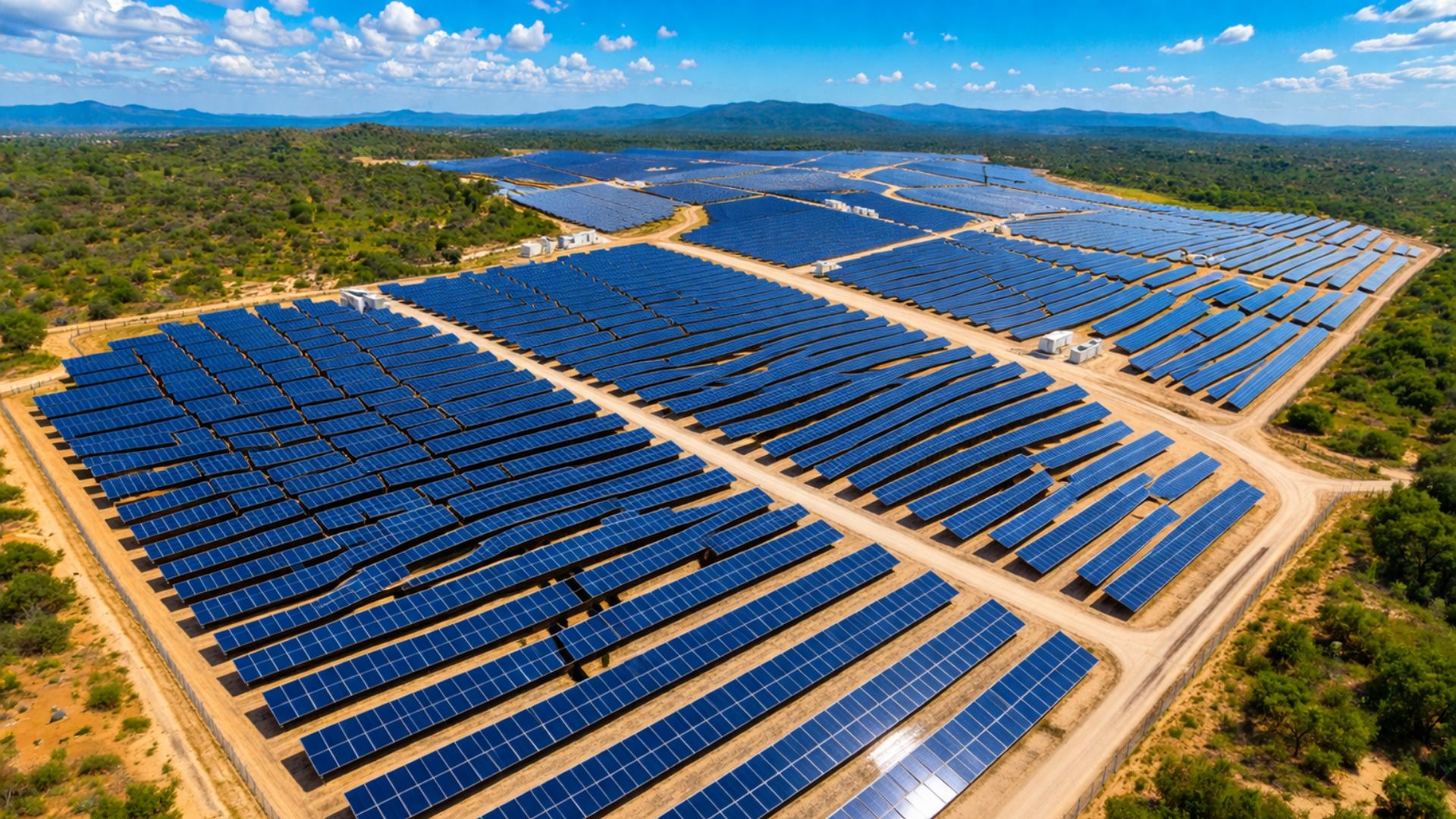
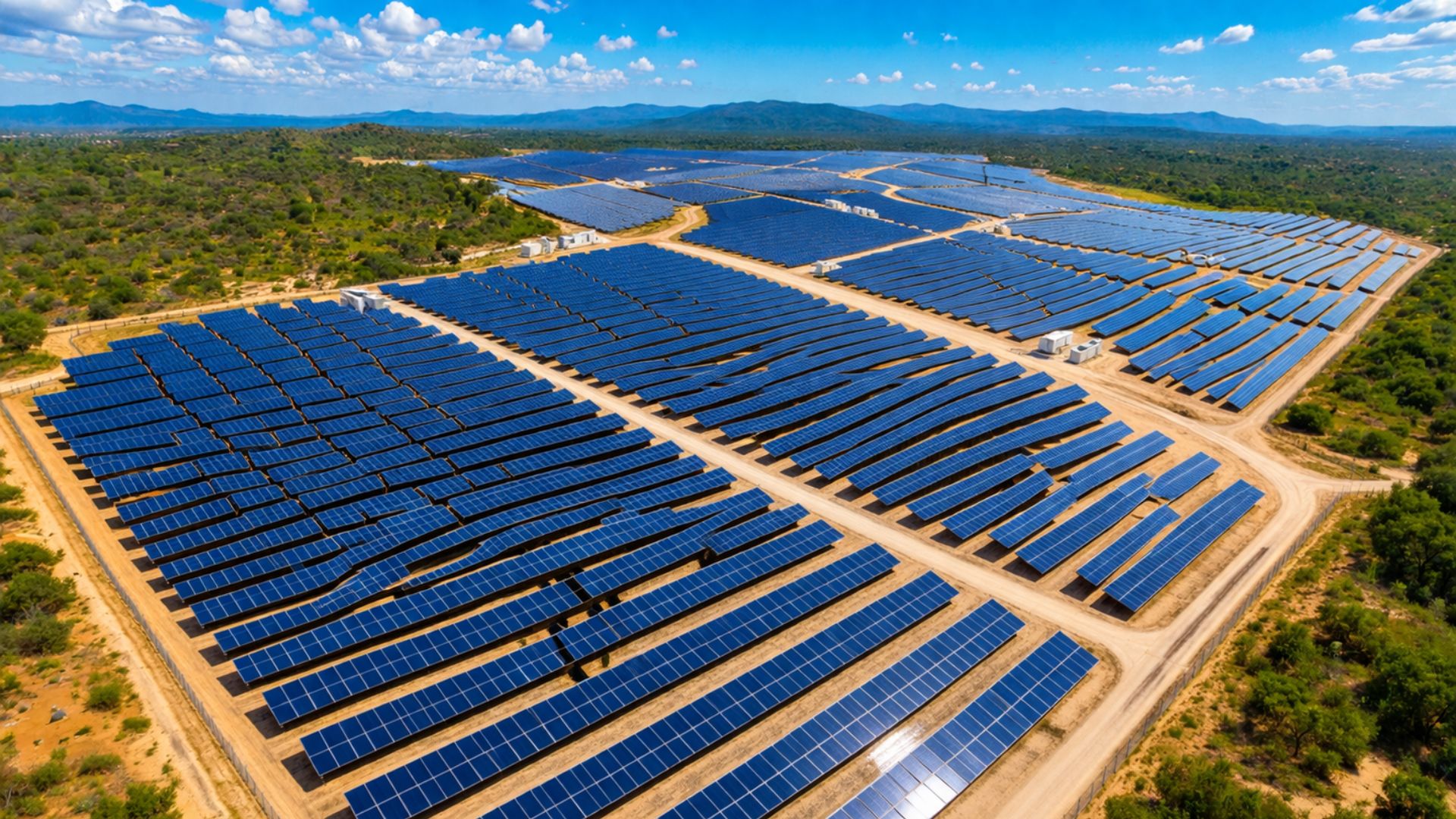
The Sol do Agreste Photovoltaic Complex begins operations in Pernambuco and accelerates the expansion of solar energy in Brazil, directly impacting the reduction of emissions and strengthening the sustainable energy matrix.
-
The Sol do Agreste Photovoltaic Complex begins operations in Pernambuco and accelerates the expansion of solar energy in Brazil, directly impacting the reduction of emissions and strengthening the sustainable energy matrix.
-
Renewable energy advances over protected areas in Brazil, and a survey by the Energy Transition Observatory reveals silent impacts that challenge environmental conservation and pressure sensitive traditional territories.

-
Rio Grande do Sul accelerates energy transition: State invests in renewable technologies and consolidates decarbonization strategies and pathways to attract billions in new industrial investments.


According to data from the National Electric System Operator (ONS), more than 1,300 GWh went unused in 2023 due to these restrictions.

This volume of energy would be enough to supply a city the size of Fortaleza for over a month. The direct impact is felt both in the profitability of companies and in the reliability of the sector among investors.
Renewable Energies: Economic And Environmental Impact
Curtailment represents a direct revenue loss for entrepreneurs in the renewable energy sector. When energy is not transmitted, it is not sold. This affects not only the cash flow of companies but also the planning of new ventures.
Investors, especially international ones, are beginning to view the viability of investing in projects that may not have guaranteed transmission of production with caution.
In addition to the financial aspect, there is the environmental impact. When solar or wind energy is limited by curtailment, the electrical system may be forced to activate thermal power plants to ensure energy supply. Thermal power plants are more expensive and emit more pollutants.
Thus, part of the environmental and economic gains promoted by the ongoing energy transition in the country is lost.
The Case Of Ceará And The Crisis In The Wind Sector
Ceará has been directly feeling the effects of curtailment. The state, which hosts significant wind farms and solar energy projects, suffers from a lack of sufficient transmission lines to carry all the generated energy.
The wind segment, in particular, is facing a crisis marked by low profitability and decreased investments, and the bottleneck in transmission is one of the main causes.
Green hydrogen projects — one of Ceará’s bets for its energy future — can also be compromised by this limitation. These ventures require a stable and continuous supply of electricity, something that cannot be sustained under the current scenario of restrictions.
Possible Paths To Address The Problem In The Renewable Energy Sector
To mitigate the effects of curtailment and unlock the growth of renewable energies, the Federal Government has accelerated transmission auctions. The intention is to expand the grid and accommodate the production of new plants. However, constructing the lines takes time, and results do not appear in the short term.
Experts advocate for complementary alternatives. One of them is improving the planning of electrical expansion, considering the speed of connection of plants to transmission networks.

Another proposal involves the use of energy storage technologies, such as large batteries and systems based on green hydrogen, which could store the generated energy for use during more favorable times.
There is also increasing support for the idea of relaxing sector regulations to facilitate private contracts between generators and large consumers — the so-called PPAs (Power Purchase Agreements). With specific clauses regarding curtailment, these contracts can allow for risk sharing and provide more security for both parties in the market.
Opportunities At Risk
The states of the Northeast, which stand out as major producers of solar and wind energy, could be the most affected if the curtailment problem is not resolved swiftly.
The loss of regional competitiveness could deter investments, reduce job generation, and compromise sustainable development strategies.
As Brazil seeks to strengthen its position as a leader in renewable energies, overcoming infrastructure bottlenecks becomes essential. Without solutions for curtailment, part of the country’s energy potential will remain untapped — just like the economic and environmental opportunities that depend on it.
Source: Diário do Nordeste










Seja o primeiro a reagir!