





 Portuguese
  English
  Spanish
  3 min of reading
  0 comments


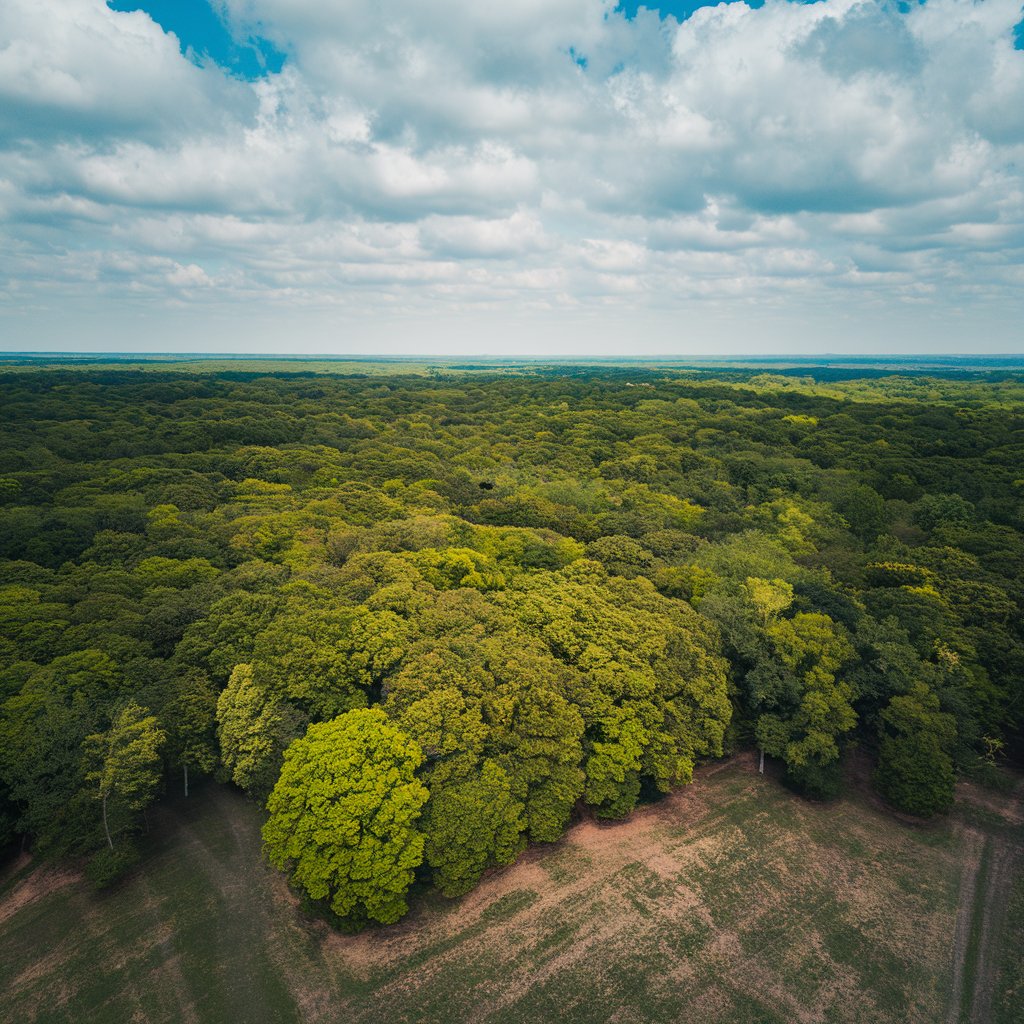
The Urgency of Reconciling Energy Sustainability with Environmental Conservation
The transition to renewable energy plays an essential role in the fight against climate change. However, Associação ZERO warns that this change cannot occur at the cost of destroying nature.
Recently, the association criticized the construction of three solar parks in Quinta do Vale, in Condeixa-a-Nova, by the company Anadia Green. The government declared these projects as of “essential public utility,” a decision made by the Ministries of Environment and Agriculture.
In light of this, ZERO advocates for a careful assessment of environmental impacts before the implementation of these projects. This way, sustainable development can occur without compromising biodiversity.
-
Renewable energy advances over protected areas in Brazil, and a survey by the Energy Transition Observatory reveals silent impacts that challenge environmental conservation and pressure sensitive traditional territories.

-
Rio Grande do Sul accelerates energy transition: State invests in renewable technologies and consolidates decarbonization strategies and pathways to attract billions in new industrial investments.

-
With 160,000 m² of collectors, an area larger than 20 football fields, Silkeborg, in Denmark, hosts a solar thermal plant that heats 19,500 homes and could become the largest solar heating plant in the world.

-
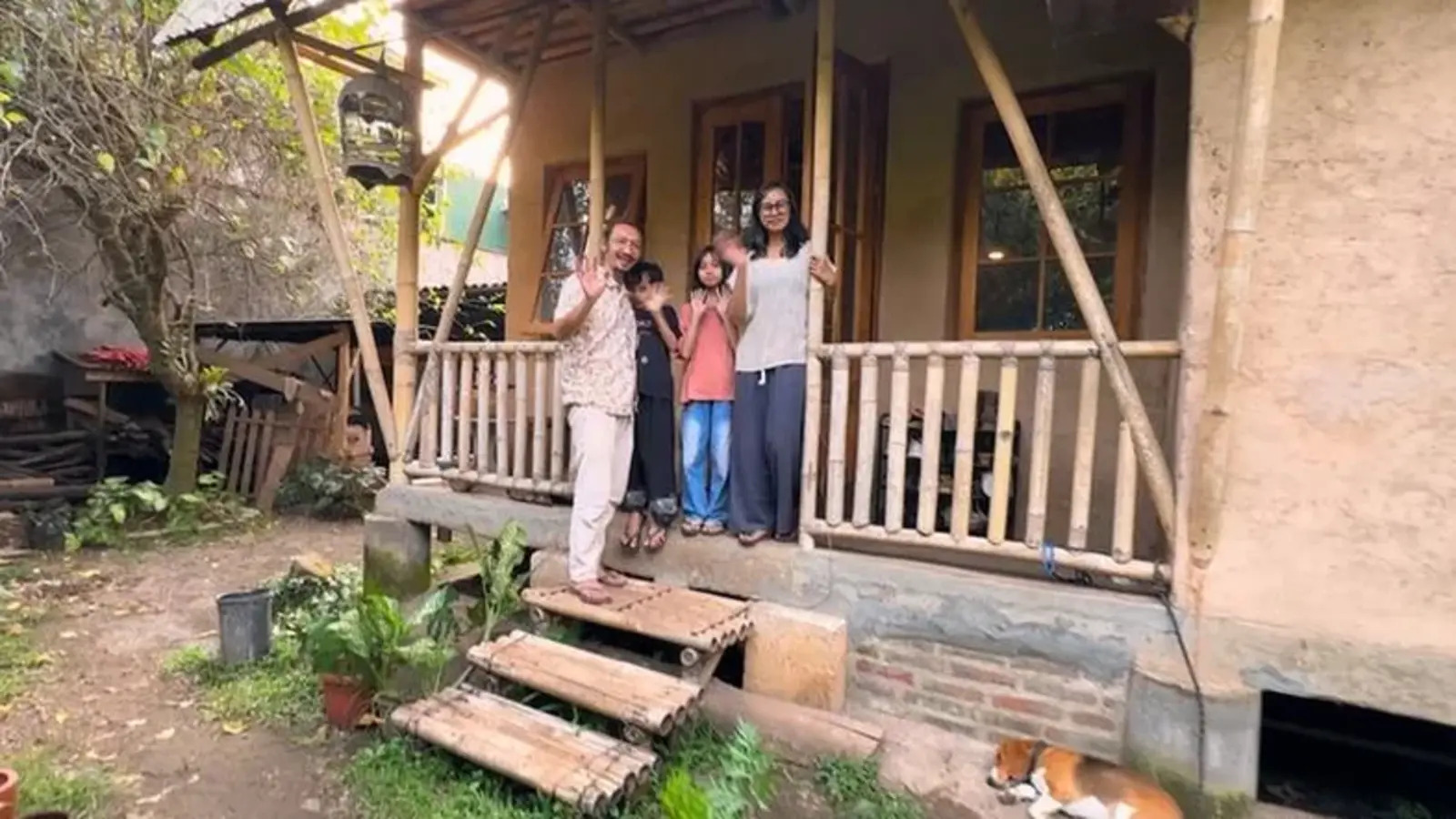
With earth, bamboo, straw, and lime mortar, a specialist builds a house for just over $460 and draws attention for its cost being much lower than traditional construction.

The Lack of Strategic Environmental Assessment and Its Consequences
According to Associação ZERO, the absence of a Strategic Environmental Assessment (SEA) directly threatens ecosystems. Without this prior study, renewable energy projects move forward without considering long-term environmental impacts.
Furthermore, without proper planning, natural areas suffer significant losses. This neglect compromises not only local biodiversity but also the ecological balance of the entire region.
Another concerning point involves the ease with which these projects receive approval without rigorous environmental studies. As a consequence, many species lose their habitats, and entire ecosystems are at risk of irreversible degradation.
Inadequate Environmental Compensation: A Recurring Problem
In addition to the lack of strategic assessment, Associação ZERO criticizes inadequate environmental compensations. Many companies apply compensatory measures that do not correspond to the damages caused.
For example, the destruction of a mature forest area cannot be resolved simply by planting new trees. Established forests have complex ecosystems that take decades or even centuries to develop. Therefore, the simple replacement of trees does not fully restore the lost environmental balance.
Moreover, many of these compensations occur without continuous monitoring. As a result, environmental recovery becomes ineffective, further exacerbating the impacts.
The Importance of a Responsible Energy Transition
To avoid these issues, the transition to renewable energy must follow well-defined environmental criteria. Only in this way will it be possible to ensure that new projects do not compromise existing ecosystems.
The development of solar and wind parks should consider both energy efficiency and environmental preservation. Proper planning reduces negative impacts and ensures that clean energy fulfills its sustainable role.
Additionally, selecting suitable areas for the installation of these projects minimizes environmental risks. Well-planned projects can align development and conservation without compromising natural resources.
The Role of Authorities and Civil Society in Environmental Protection
For this balance to happen, authorities need to act responsibly. Requiring rigorous environmental studies and ensuring continuous oversight are essential steps to protecting ecosystems.
Civil society also plays a decisive role in this process. Organizations like Associação ZERO work on oversight and demand more responsible actions from governments and companies.
Meanwhile, companies in the energy sector must seek innovative solutions to integrate renewable energy expansion and environmental conservation. Only with a real commitment will it be possible to ensure sustainable development.
Balance Between Progress and Conservation
The growth of renewable energy cannot justify the destruction of natural resources. For this transition to be truly sustainable, it is necessary to balance technological progress and environmental conservation.
Furthermore, the planning of energy projects must take into account long-term environmental impacts. In this way, the advancement of clean energy will not result in irreversible ecological damage.
Finally, investing in energy sustainability means ensuring that the planet’s future is not harmed by the pursuit of new electricity sources. Development and the environment must coexist harmoniously, ensuring a balanced planet for future generations.










Seja o primeiro a reagir!