





 Portuguese
  English
  Spanish
  5 min of reading
  3 comments


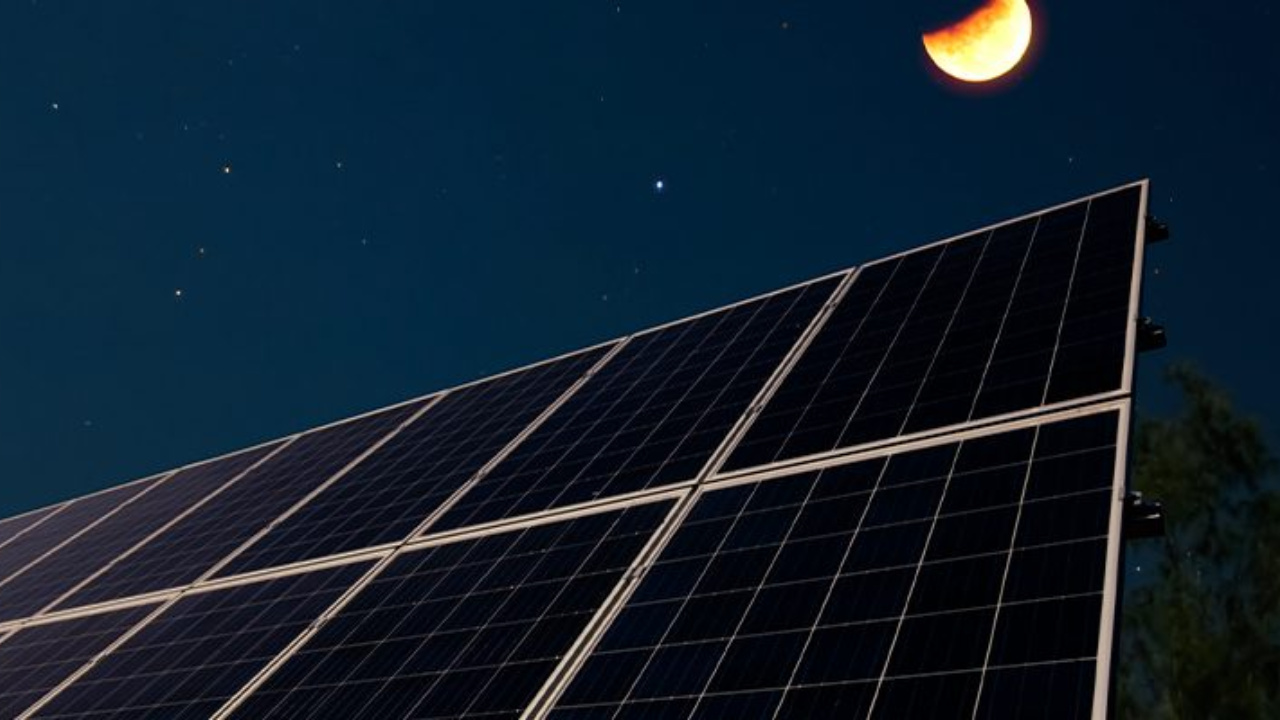


Solar Energy Is Growing Rapidly in Brazil, but Excess Production During the Day Becomes Waste and Threatens the Electric System at Night. Mega Batteries and Pumped Hydroelectric Plants Compete to See Who Will Save the Country from Energy Collapse.
Solar energy has ceased to be a promise and has become a reality in Brazil. In just a few years, the country has started to generate electricity at such a rapid pace that, ironically, it has begun to throw some of it away. Yes, waste.
Today, solar panels account for around 23% of the country’s electricity generation capacity, an impressive leap from just 2% recorded in 2019.
Moreover, at noon when the sun is strongest, 44% of all the electricity in Brazil comes from solar energy. It’s a number that is alarming — and, at the same time, concerning.
-
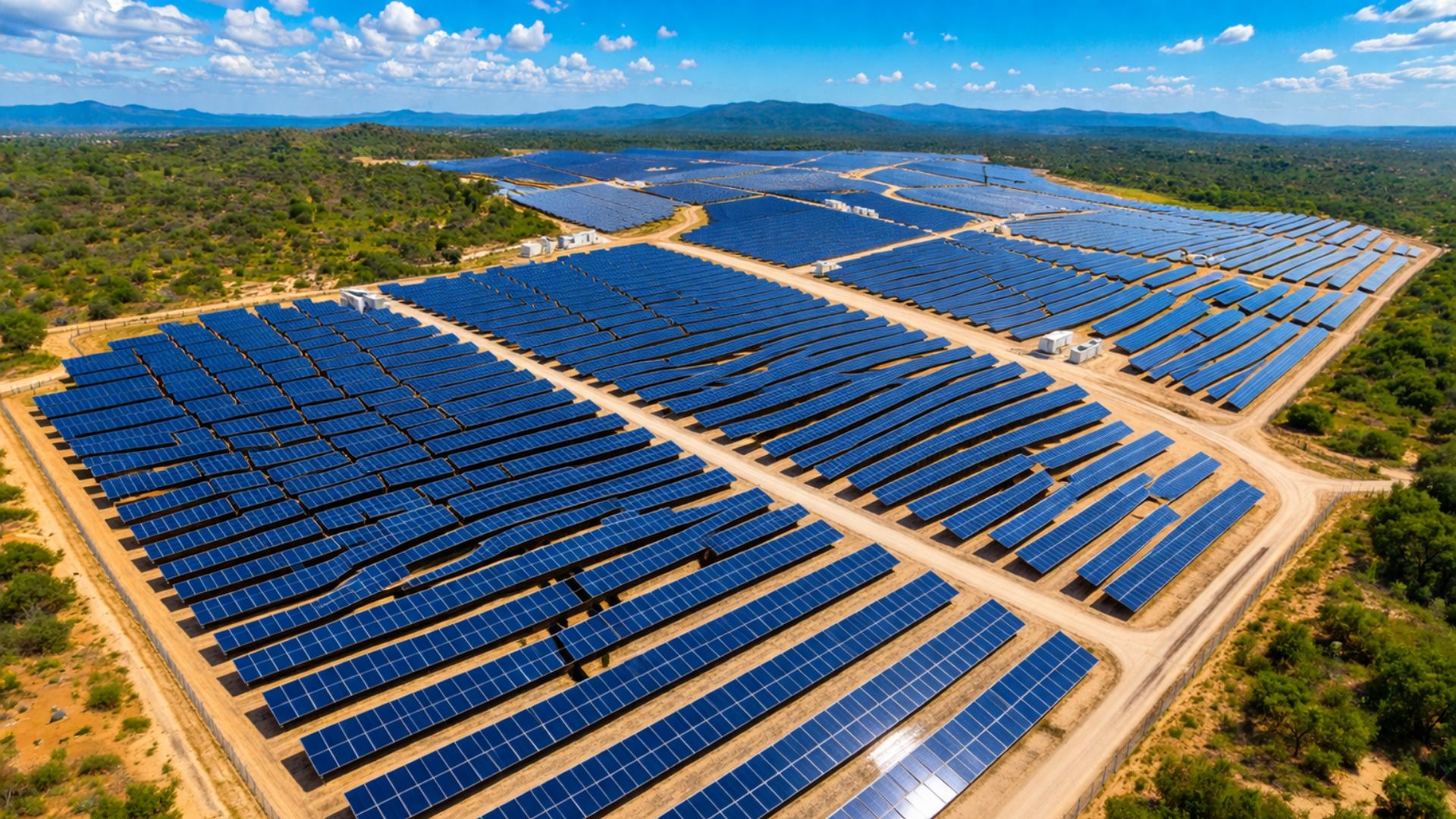
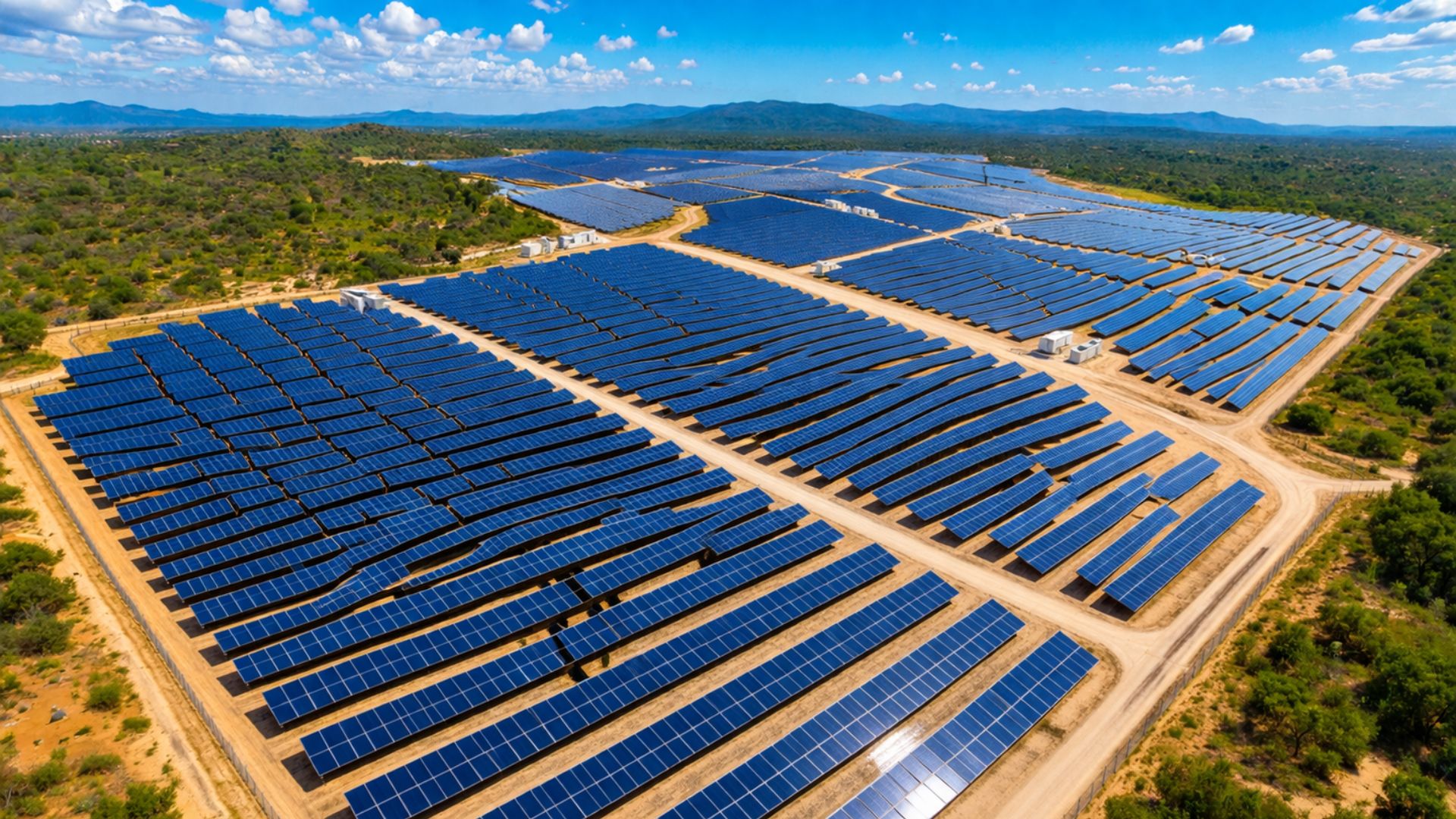
The Sol do Agreste Photovoltaic Complex begins operations in Pernambuco and accelerates the expansion of solar energy in Brazil, directly impacting the reduction of emissions and strengthening the sustainable energy matrix.
-
The Sol do Agreste Photovoltaic Complex begins operations in Pernambuco and accelerates the expansion of solar energy in Brazil, directly impacting the reduction of emissions and strengthening the sustainable energy matrix.
-
Roraima bets on the sun to escape high tariffs: Amid the energy crisis and price hikes, solar energy is growing in Roraima and transforming consumption in the North region.
-
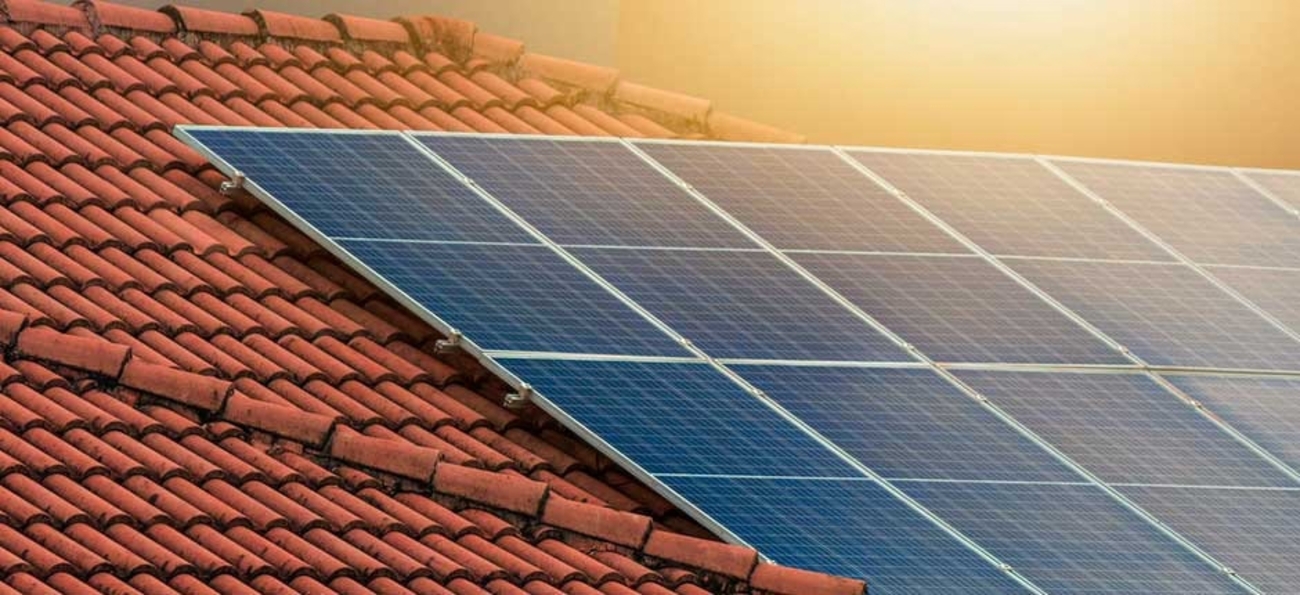
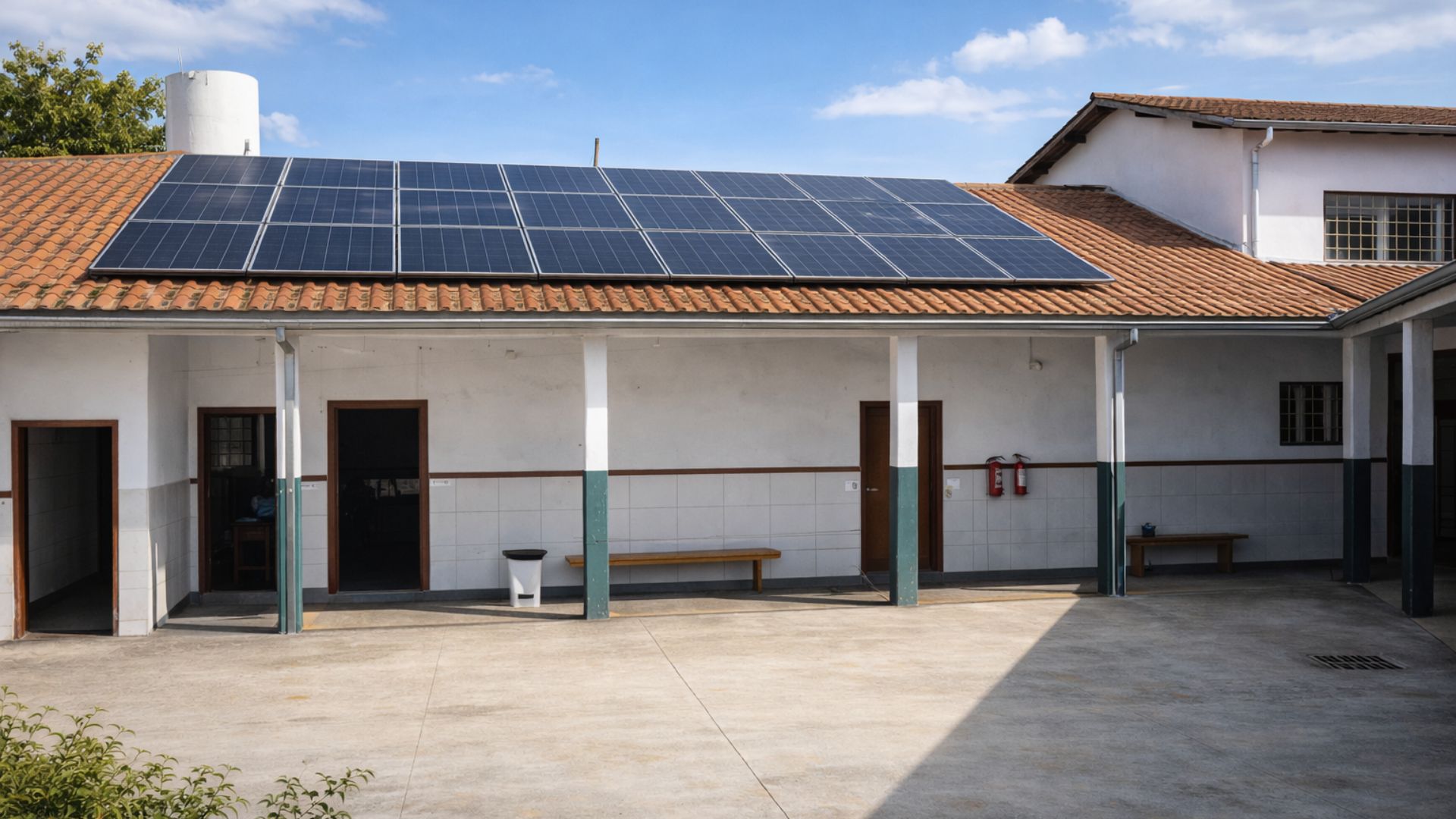
Copel boosts solar energy in Paraná and brings innovation to public schools, promoting savings on electricity bills, energy efficiency, and a direct impact on the quality of education.

The reason is simple: the electric system was not designed to receive so much electricity at once. Therefore, the National Electric System Operator (ONS) is forced to cut part of the production, a practice known as curtailment.
The result? About 20% of all solar and wind energy ready to enter the grid ends up being discarded every day.
Meanwhile, at night, when the sun disappears, the scenario reverses. There is a shortage of electricity. And the question that moves billions of reais is now straightforward: where to store the excess solar energy from the day for when we need it the most?
The Government’s Plan: Transforming Excess Solar Energy into Money
To try to resolve this silent chaos, the federal government is preparing to hold the first capacity reserve auction, scheduled for April. In practice, this means encouraging companies to create large energy storage systems.
The goal is simple and powerful: buy cheap solar energy during the day when it is surplus and sell it at night when it is scarce and more expensive.
This logic opens the door for a new type of business in the electric sector. And two technologies are competing for this billion-dollar market: lithium mega batteries and pumped hydroelectric plants.
Mega Batteries: The Quick Bet to Save Solar Energy
Mega batteries, known in the sector as BESSs, function like huge vaults of electricity. They use lithium batteries, the same as those in electric cars, but on a gigantic scale.
During the day, they purchase excess solar energy that would currently be wasted. At night, they return this energy to the grid and sell it at a higher price. It’s a simple and extremely profitable operation.
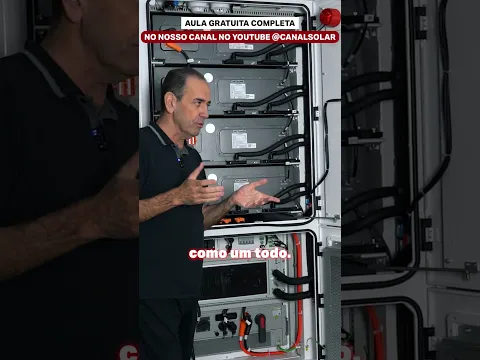

The growth of this technology is explosive. In 2023, the world had 91 GW of battery capacity. By 2025, that number reached 270 GW, a leap equivalent to seven Itaipu plants in just one year.
This advancement was only possible because the price of batteries plummeted. In 2025, they cost 55% less than in 2023, making lithium storage cheaper than many hydroelectric plants.
Additionally, a battery system can be installed in a few months. In contrast, a hydroelectric plant takes years.
Therefore, the government’s auction specifically targets this model: the goal is to store 2 GW of energy, half of what Brazil currently wastes in cuts of solar and wind energy.
The Hydroelectric Plant That “Rewinds” the Sun
But mega batteries are not alone in this competition. There is an old technology, little known in Brazil, but used in 42 countries: pumped hydroelectric plants.
It works like a power plant that runs backward.
During the day, when there is surplus solar energy, the plant uses this electricity to pump water from a lower reservoir to a higher one. At night, this water flows down, passes through the turbines, and generates electricity again.
It’s as if the hydroelectric plant stores the sun in the form of water.
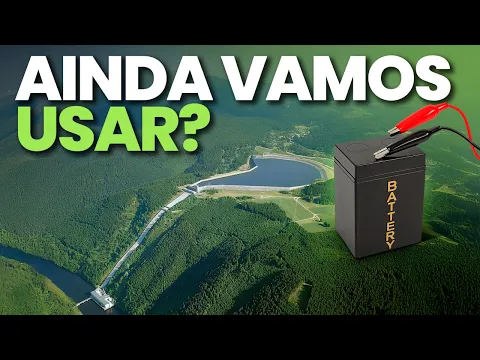
Today, 15% of the world’s hydroelectric capacity comes from this type of plant, especially in countries like China, the United States, and several nations in Europe.
In Brazil, none operates in this format yet. But that could change. Copel, based in Paraná, plans to build the first one, with 70 MW, enough to supply a city of 200,000 inhabitants.
According to the company, it is also possible to adapt old plants to this model. “We can make a complementary investment in the hydroelectric plants we already have by adding new machines. All this with the advantage that hydro plants last 50 years, 100 years,” said Diogo Mac Cord, VP of Copel.
Another point in favor is the geography. “What do you need for a pumped hydroelectric plant? You need water — not much — and you need a drop. And there are very good drops all along the coastal region: Rio de Janeiro, São Paulo, Northeast…,” said Amílcar Guerreiro, former director of EPE.
Batteries or Hydroelectric Plants: Who Wins the War for Solar Energy?
Mega batteries are fast, cheap, and easy to install. But they last 15 to 20 years and provide energy for only 2 to 4 hours.
On the other hand, pumped hydroelectric plants can operate for decades and release electricity for over 10 consecutive hours.
In practice, this means that both technologies can coexist. In some regions, batteries will be the best solution. In others, hydroelectric plants will be unbeatable.
What is clear is that solar energy has ceased to be merely an environmental solution. Now, it has become the center of a billion-dollar dispute that could define the future of electricity in Brazil.
And you, do you think Brazil should invest more in mega batteries or in hydroelectric plants to prevent the waste of solar energy and the risk of blackouts at night?

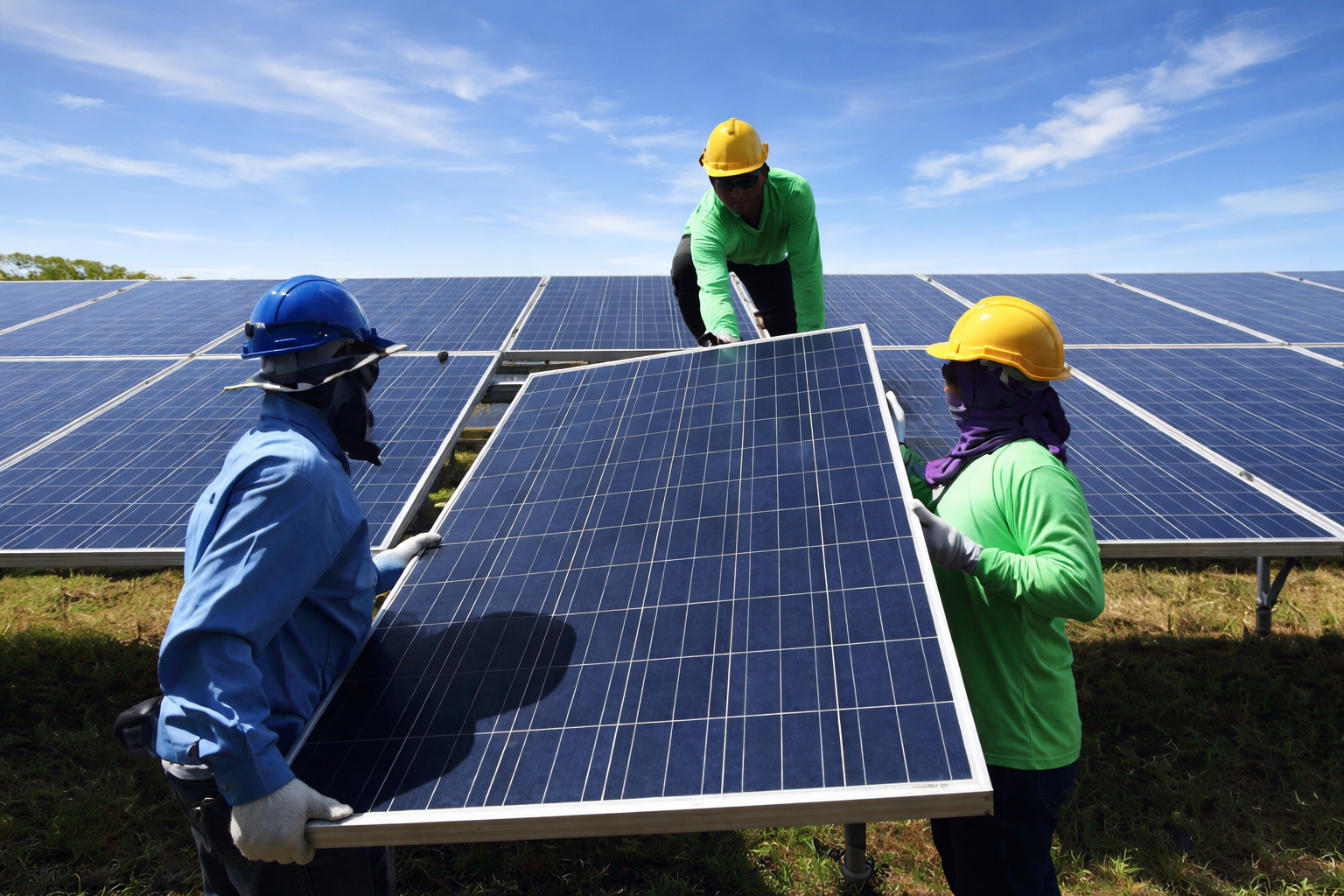







Eu tenho na minha casa placas fotovoltaicas desde 03/25 e estou economizando muito na minha conta de luz..! O governo deveria dar mais incentivo fiscal para as empresas investirem no Brasil.
Eu quero que usem qualquer uma, mas usem! Pq vou continuar colocando energia na rede e devo esse ano ampliar minha usina! Kkkkkk
Acho que mega baterias pensando na falta de água no mundo.