





 English
  Francês
  Alemão
  Italiano
  Japonês
  Norueguês
  Portuguese
  Spanish
  6 min of reading
  0 comments


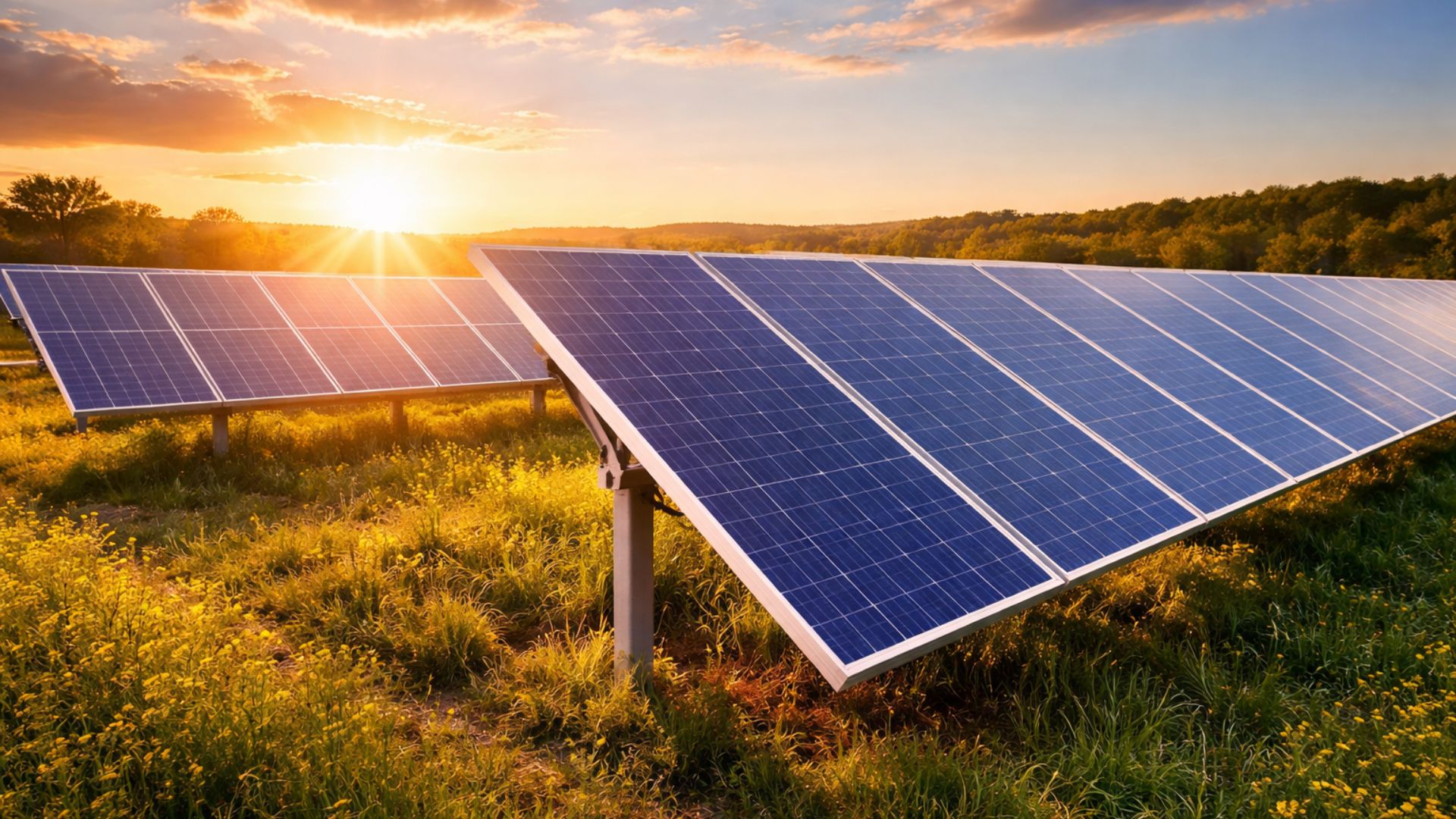
Solar Energy Should Lead the Expansion of Global Electricity Supply by 2030, Driving Clean Generation and Helping to Reduce Energy Costs Worldwide. Understand What the IEA Study Says and the Impacts of This Energy Transformation.
Solar energy is solidifying itself as the main growth engine of the global electricity sector. According to the Electricity 2026 report published by the International Energy Agency (IEA), photovoltaic technology is expected to become the largest source of expansion for global electricity generation by 2030.
According to the study, solar energy alone will add more than 600 terawatt-hours (TWh) per year to the global electricity system over this decade. This impressive volume demonstrates how the technology has become a central piece in the global energy transition.
According to an article published by the Portal Solar website on March 10, the report also indicates that the growth of solar electricity will be so rapid that by 2026, its annual expansion will surpass that of sources such as wind and nuclear energy. A few years later, around 2029, the expansion of solar generation is also expected to exceed that of hydropower.
-
Roraima bets on the sun to escape high tariffs: Amid the energy crisis and price hikes, solar energy is growing in Roraima and transforming consumption in the North region.
-
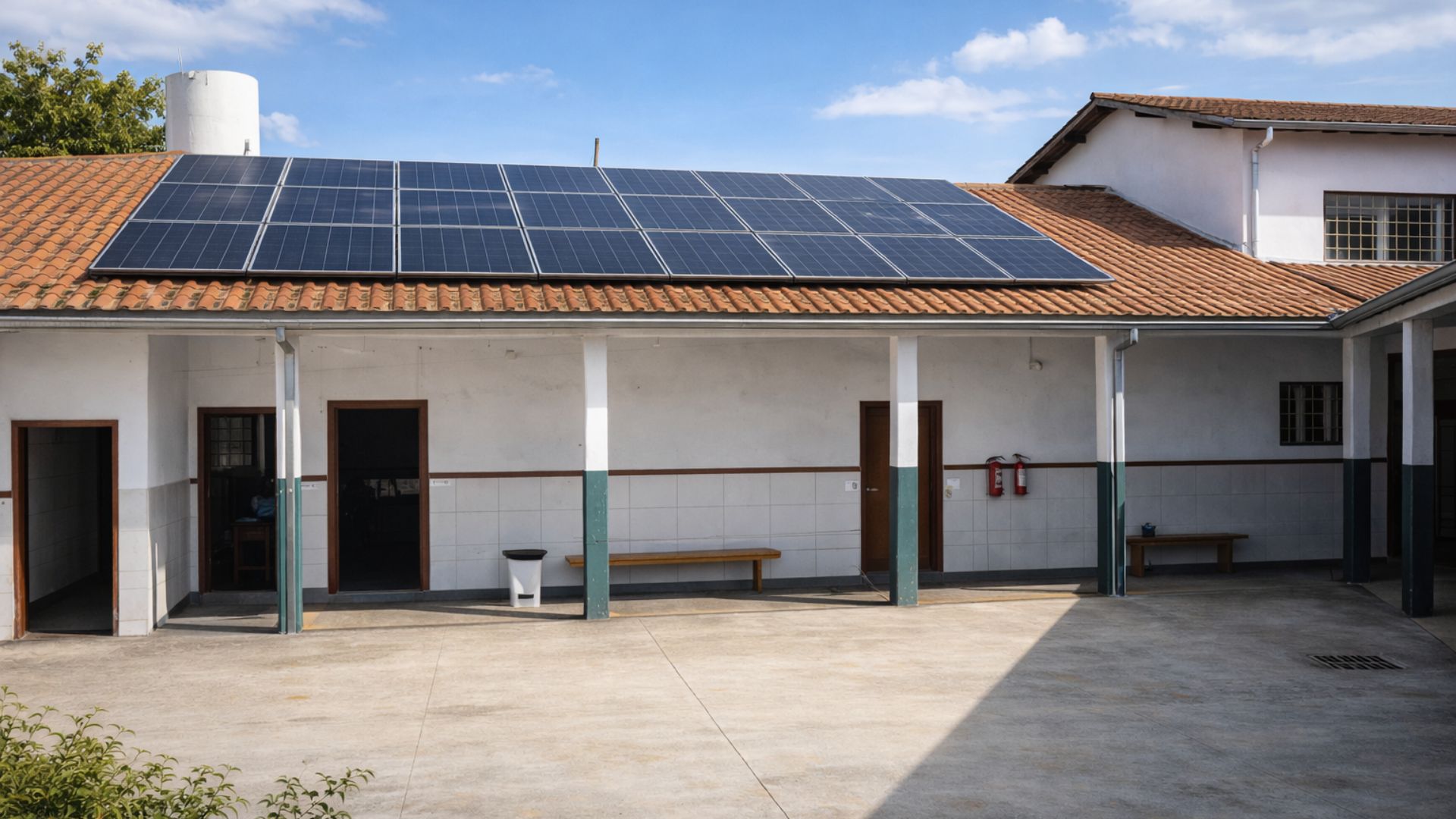
Copel boosts solar energy in Paraná and brings innovation to public schools, promoting savings on electricity bills, energy efficiency, and a direct impact on the quality of education.
-
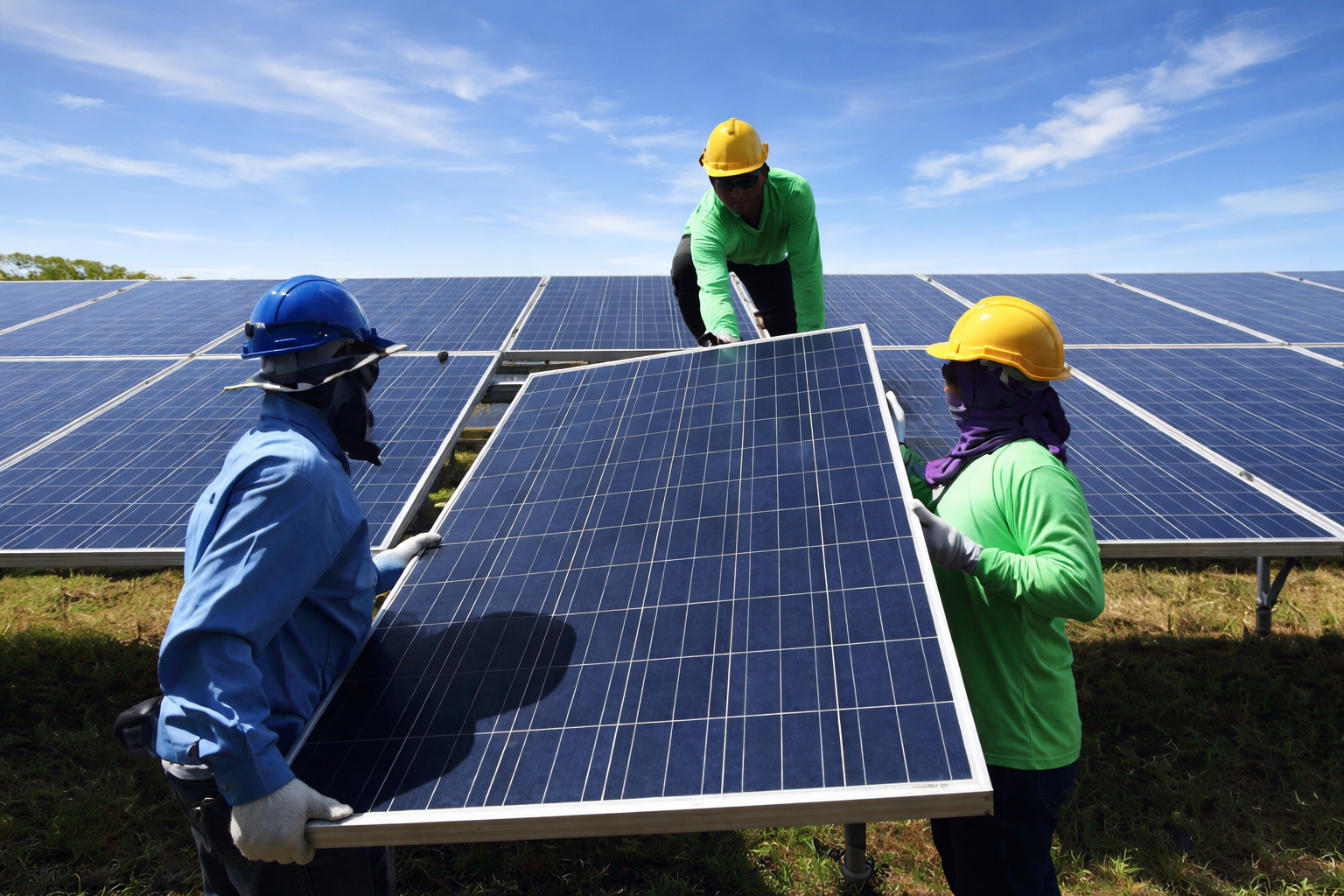
Brazil reaches historic milestone in solar energy: Sector surpasses 2 million accumulated green jobs and generates billions in the national economy even under market pressure.
-
Minas Gerais takes the lead in renewable energy: State surpasses historic mark of 14 GW in solar energy generation in MG and consolidates dominance in the Brazilian electric sector.
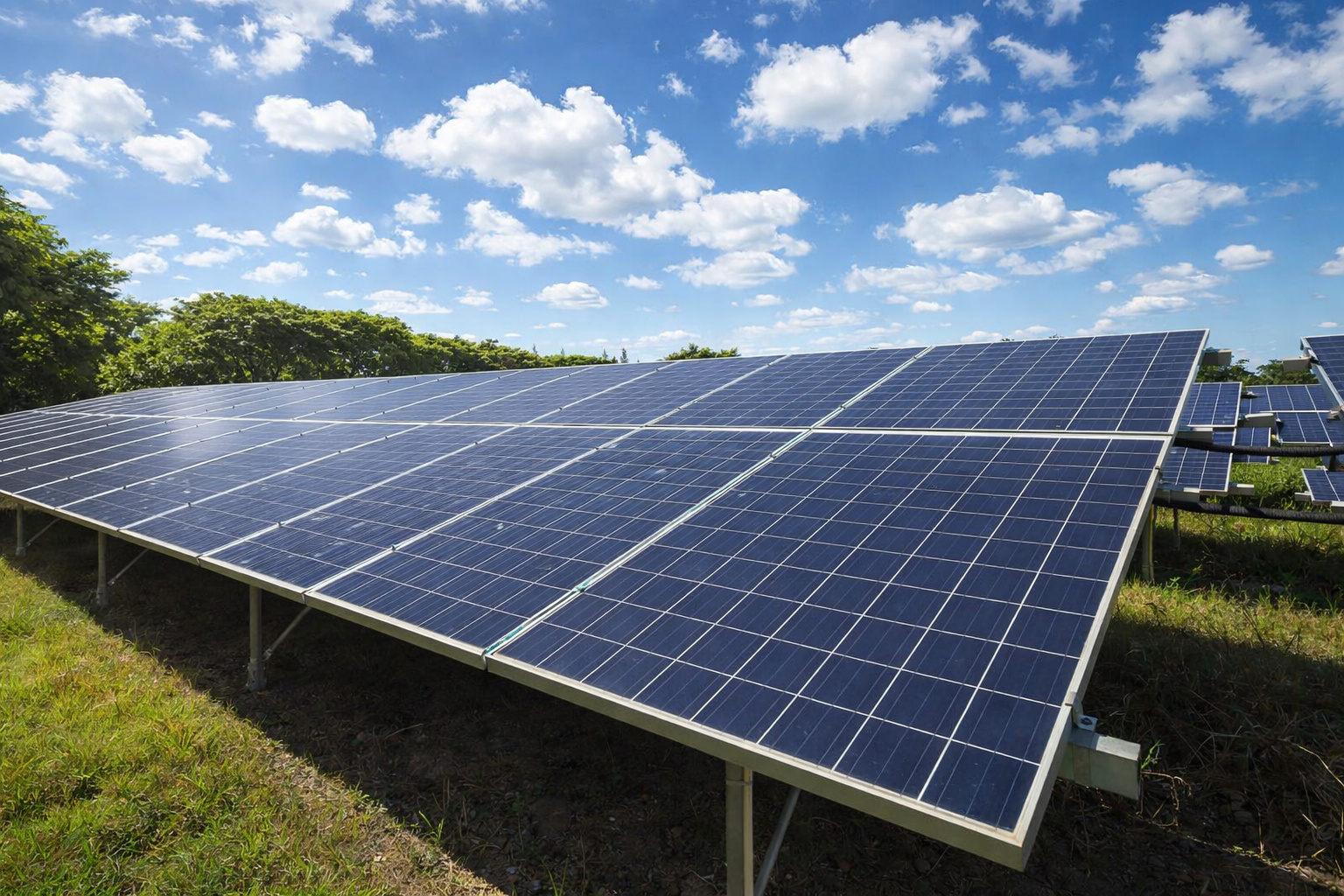

This advancement reinforces the role of solar energy as one of the pillars of the future electricity matrix. While expanding clean generation, the technology also helps to reduce energy costs, making electricity more accessible for governments, businesses, and consumers.
Global Demand for Electricity Grows with Economic Electrification
The growth of solar energy occurs at a time when global demand for electricity is consistently rising. According to the IEA, global electricity consumption is expected to grow by about 3.6% per year between 2026 and 2030.
This increase is linked to profound transformations in the global economy. The electrification of industrial sectors, the expansion of electric vehicles, and the rapid growth of digital infrastructure are some of the factors driving this trend.
Another important element is the increased use of air conditioning systems. The use of air conditioning is rapidly growing in various regions of the planet, especially in countries with warm climates and emerging economies.
Additionally, the expansion of data centers and the advancement of artificial intelligence are also significantly elevating global energy consumption. Major technology companies have been investing in digital infrastructures that require increasingly larger amounts of electricity.
In this context, expanding clean generation becomes essential to meet new demand without increasing carbon emissions. Solar energy emerges as a strategic solution precisely because it combines the availability of natural resources, speed of installation, and economic competitiveness.
Solar Energy Gains Ground as a Source of Expansion for the Electric Matrix
In recent years, solar energy has transitioned from being a complementary technology to becoming one of the main sources of expansion for the global electric matrix.
This transformation occurred thanks to the rapid technological evolution of the photovoltaic sector. Solar panels have become more efficient, generation systems are now being installed on a large scale, and the global production chain has expanded its industrial capacity.
These factors have contributed to making solar energy increasingly competitive compared to traditional electric generation sources. In many countries, solar electricity already has costs lower than those of fossil fuel-powered plants.
Another important aspect is the flexibility of the technology. Solar systems can be installed both in large plants and on residential, commercial, and industrial rooftops.
This characteristic significantly expands the growth potential of solar energy, reinforcing its role as a source of expansion for global electricity.


Clean Generation and Competitiveness Help to Reduce Energy Costs
The advancement of solar energy is also directly linked to the reduction of energy costs in various parts of the world.
In recent decades, the price of electricity produced by photovoltaic systems has fallen significantly. This has occurred due to increased production scale, technological advancements, and the expansion of the global solar equipment industry.
With the drop in installation and operation costs, solar energy has become one of the most economical ways to expand clean generation in various countries.
This scenario has encouraged governments to increasingly invest in solar projects, both in large plants and in distributed generation systems.
In addition to helping reduce energy costs, solar technology also aids in diversifying the electric matrix and increasing energy security. Countries that expand their clean generation capacity become less dependent on fossil fuels and more resilient to price fluctuations in the international energy market.
Battery Storage Strengthens the Expansion of Clean Generation
Despite the accelerated growth of solar energy, one of the challenges facing the electricity sector is dealing with the variability of production, as generation depends on sunlight.
To overcome this obstacle, energy storage in batteries is becoming increasingly relevant in global energy planning.
According to the IEA report, there are currently over 600 gigawatts (GW) of battery storage projects in advanced stages connected to electrical grids around the world.
These systems allow for the storage of electricity generated during periods of high solar productivity and its use when demand increases or generation decreases.
The advancement of batteries increases the flexibility of electrical systems and strengthens the role of solar energy as one of the main sources of expansion for global electricity.
Additionally, storage contributes to increasing the share of clean generation in energy matrices and helps stabilize energy costs in the long term.
Brazil Can Benefit from the Expansion of Solar Energy
In Brazil, the scenario also points to a significant expansion of solar energy in the coming years. The country has high levels of solar irradiation across almost the entire territory, creating extremely favorable conditions for the development of this technology.
According to the Ten-Year Energy Expansion Plan, developed by the Energy Research Company (EPE), electricity consumption in Brazil is expected to grow by about 3.3% per year until 2035.
This growth reinforces the need to expand clean generation capacity in the country and strengthen solar energy as an important source of expansion for the Brazilian electric matrix.
However, experts point out that there are still significant challenges to be overcome. Among them are cuts in renewable generation without proper compensation to entrepreneurs and difficulties in connecting small distributed generation systems to the electrical grids.
According to the CEO of the Brazilian Solar Photovoltaic Energy Association (Absolar), Rodrigo Sauaia, these issues indicate the need to modernize the planning of the national electricity sector.
He also highlights the importance of increasing investments in transmission lines and developing new energy storage solutions to better leverage the potential of solar energy in the country.
Energy Transition Accelerates a New Era of Electricity Worldwide
Experts say that the world is entering a new phase in energy history, marked by the increasing electrification of the global economy.
The Brazilian Association of Solar Photovoltaic Energy assesses that data from the IEA report confirm that the planet is currently experiencing the so-called “era of electricity.” This period is characterized by the expansion of renewable sources and the gradual replacement of fossil fuels.
In this scenario, solar energy stands out as one of the most strategic technologies to increase the supply of sustainable electricity.
According to the Chairman of the Board of Directors of Absolar, Ronaldo Koloszuk, photovoltaic technology possesses characteristics that make it fundamental for the future of the global energy matrix.
Among these characteristics are rapid deployment, economic competitiveness, and the ability to scale up clean generation.
With these advantages, solar energy is expected to solidify its position as the main source of expansion for global electricity over the next decade.
In addition to helping to reduce energy costs, technology also plays a key role in combating climate change and building more sustainable energy systems.
The combination of technological innovation, expansion of electrical infrastructure, and investments in energy storage is expected to further accelerate the growth of solar energy in the coming years, definitively transforming the future of electricity worldwide.








Seja o primeiro a reagir!