





 English
  Francês
  Alemão
  Italiano
  Japonês
  Norueguês
  Portuguese
  Spanish
  2 min of reading


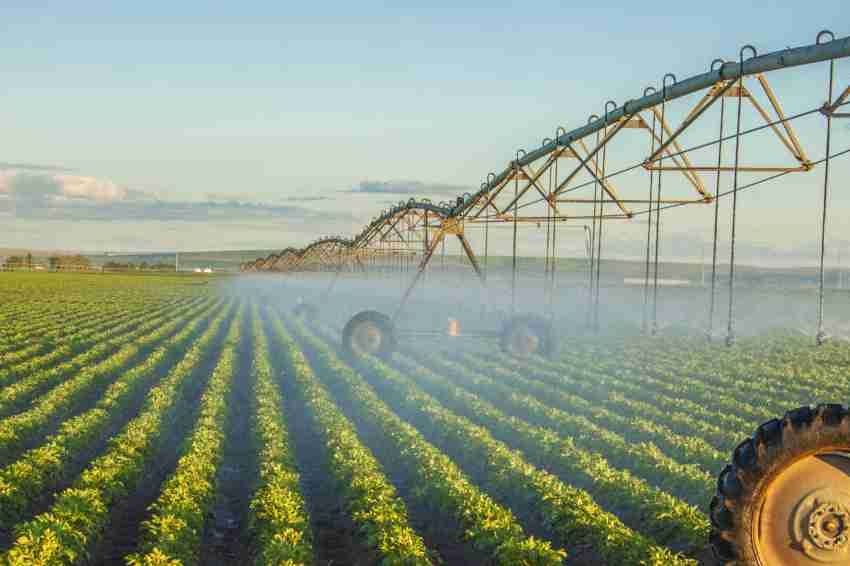
Technology Primarily Benefits Rural Producers, Who Enhance Their Activities Through Solar Energy
Brazil has just announced the first hybrid irrigation system in application, also the first in the world, using solar energy. Rural producers benefit from solar technology that optimizes electricity costs, increases productivity, and enhances sustainability in rural activities.
See Also Other News:
- Power Test Commissioning Has Job Opportunity for Safety Technician on This Day 03
- Production Assistants, Technicians, Assistants, and More Job Openings for New MOR Branch in Rio de Janeiro
- Offshore Positions Available Today for Cabotage Master, 1st Nautical Officer, and Deckhand
The irrigation system is powered by a photovoltaic system, with inverters, a diesel generator, and a battery bank for autonomy. The major innovation of the project is that the entire system operates in the form of a microgrid, which is a fully autonomous and stable microgrid, without the need for supplementation from the electrical grid. The inverters, battery bank, and diesel generator operate in a coordinated manner, ensuring excellent reliability in meeting the loads.
-
A study reveals the expansion of renewable energy procurement in Brazil and shows how companies are taking advantage of opportunities to reduce expenses, ensure energy efficiency, and strengthen strategic environmental commitments.

-
Mato Grosso do Sul excels in the sugar-energy sector: the state reaches a milestone of 22 operating mills and accelerates the production of clean energy in MS with a focus on sustainability.

-
National energy dilemma: Brazilians support clean energy but reject increases in tariff costs to finance the sustainable transition.
-
Research indicates that Brazilians support clean energy and wish to advance in the energy transition, but reject paying more on their electricity bill, showing a direct conflict between cost and sustainability.

According to Portal Solar, the hybrid solar system was integrated into the existing irrigation system, which was previously entirely powered by a Caterpillar generator. This integration has led to a 60% reduction in diesel consumption after the installation of the solar system with batteries.
Considering all the benefits, such as productivity gains and avoided costs, the return on investment, initially calculated at 6 years, may be even more attractive. The estimate is that with the solution, the end customer will achieve a 60% reduction in daily diesel consumption.
Furthermore, evaluating the project as a whole (irrigation system + energy), the end customer will significantly improve productivity, doubling their number of harvests per year, increasing the number of sacks per hectare, and reducing production costs per harvest.









Seja o primeiro a reagir!