





 Português
  Inglês
  Espanhol
  3 min de leitura


Cemig SIM Will Allocate Billions in Investments to Efficiency Solutions and Solar Energy Markets by 2025
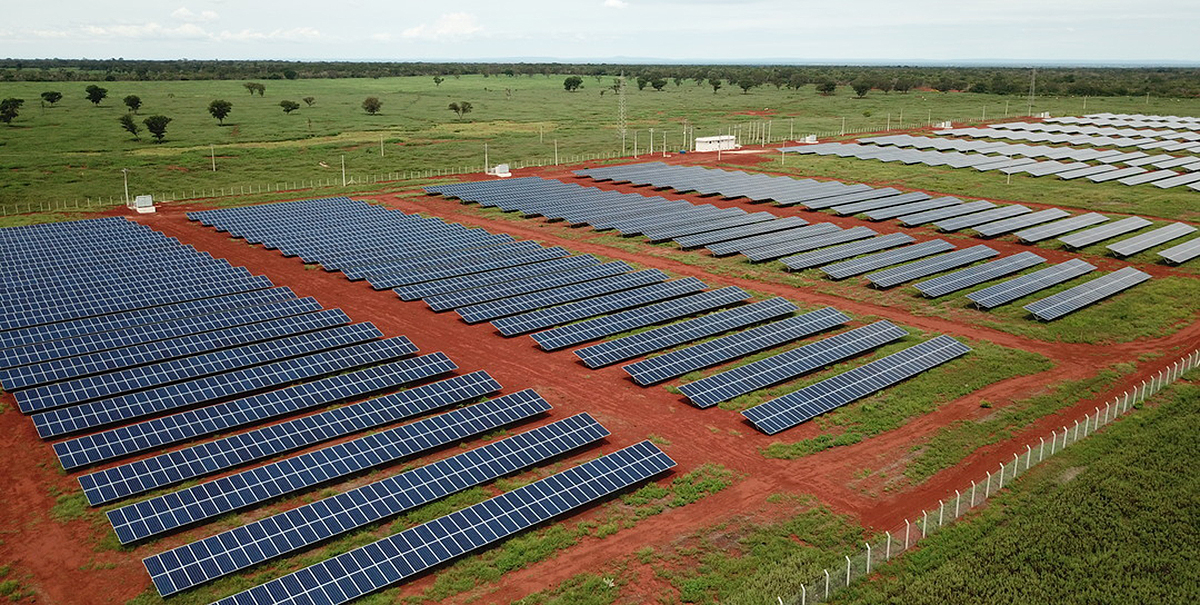
Cemig SIM, a company of the Cemig Group focused on renewable energy, will receive investments of R$ 1 billion by 2025 from its parent company to invest in projects related to solar energy farms. According to the company, the investment aims to expand its share in the shared distributed generation market from the current 10% to 30% by the end of 2025. The company, which currently operates 11 solar farms, intends to launch seven more by the first half of this year, 2021. Also see: Electronic Payment Company Invests 25 Million in Solar Power Plant for Bitcoin Mining
- Inpe Opens Several Positions in Free Online Courses on Astronomy and Astrophysics
- Maintenance Shutdown on Petrobras Platform and Pipeline Will Begin in August in the Santos Basin
- Ford and BMW Form Partnership to Create Solid Power, a Company That Will Develop Solid-State Batteries for Electric Cars
- China Develops Second Largest Hydroelectric Power Plant in the World and Plans to Inaugurate It Next Month in July
Investments to Be Made in the Solar Energy Company
João Paulo Campos, Director of Business Development and Finance at Cemig SIM, says that Cemig’s strategic planning includes an investment of R$ 1 billion in the distributed generation business, which happens through Cemig SIM. However, they will seek an optimal capital structure, meaning that it will not necessarily be funded by their own resources, and, according to the executive, some type of leveraging may be made to generate returns and optimize results in the solar energy sector.
According to Danilo Gusmão, the CEO of Cemig SIM, they believe that the future of the electric sector involves increasing the volume of distributed resources and intelligent systems. He states that it is strategic for the company to strengthen its position in the distributed generation (GD) segment, or solar energy by subscription.
-
Renewable energy advances over protected areas in Brazil, and a survey by the Energy Transition Observatory reveals silent impacts that challenge environmental conservation and pressure sensitive traditional territories.

-
Rio Grande do Sul accelerates energy transition: State invests in renewable technologies and consolidates decarbonization strategies and pathways to attract billions in new industrial investments.

-
With 160,000 m² of collectors, an area larger than 20 football fields, Silkeborg, in Denmark, hosts a solar thermal plant that heats 19,500 homes and could become the largest solar heating plant in the world.

-
A study reveals the expansion of renewable energy procurement in Brazil and shows how companies are taking advantage of opportunities to reduce expenses, ensure energy efficiency, and strengthen strategic environmental commitments.


Cemig SIM’s Projects
The resources to be invested are part of a strategic plan announced recently by the company, aiming to achieve, by 2025, a 30% share in the solar energy subscription market in the state of Minas Gerais, with earnings before interest, taxes, depreciation, and amortization (EBITDA) of R$ 170 million annually.
Danilo further emphasizes that Cemig SIM has maintained consistent growth since its inauguration in October 2019, guided by an institutional plan aimed at ensuring a constructive participation – both from a regulatory and a financial perspective – in the development of a sustainable model for distributed solar energy generation.
The executive states that the distributed generation market is characterized by many players, but Cemig SIM will continue to focus on Minas Gerais. Gusmão believes in the strength of the brand, which carries the solidity and credibility of the Cemig Group, and also demonstrates strong relationships with customers throughout the state.
Cemig SIM’s Operations
Danilo detailed that Cemig SIM established an optimized and digitalized commercial service model, adopting digital solutions. Initially, the company operated only in the commercial sectors (businesses from different segments, condominiums, banks, supermarkets, bakeries, pharmacies, factories, bank branches, and stores). The company expanded, starting in April, to provide service to residential customers suitable for consumption over 300 kWh.
Today, Cemig SIM has approximately three thousand solar energy subscription customers in its portfolio. The CEO of the company states that, with the strategic investment now beginning, everyone is confident that Cemig SIM’s product and service offering is complete and provides greater commercial opportunities for customer loyalty and long-term relationships for clients with diverse needs.









Seja o primeiro a reagir!