





 Português
  Inglês
  Espanhol
  3 min de leitura
  0 comentários


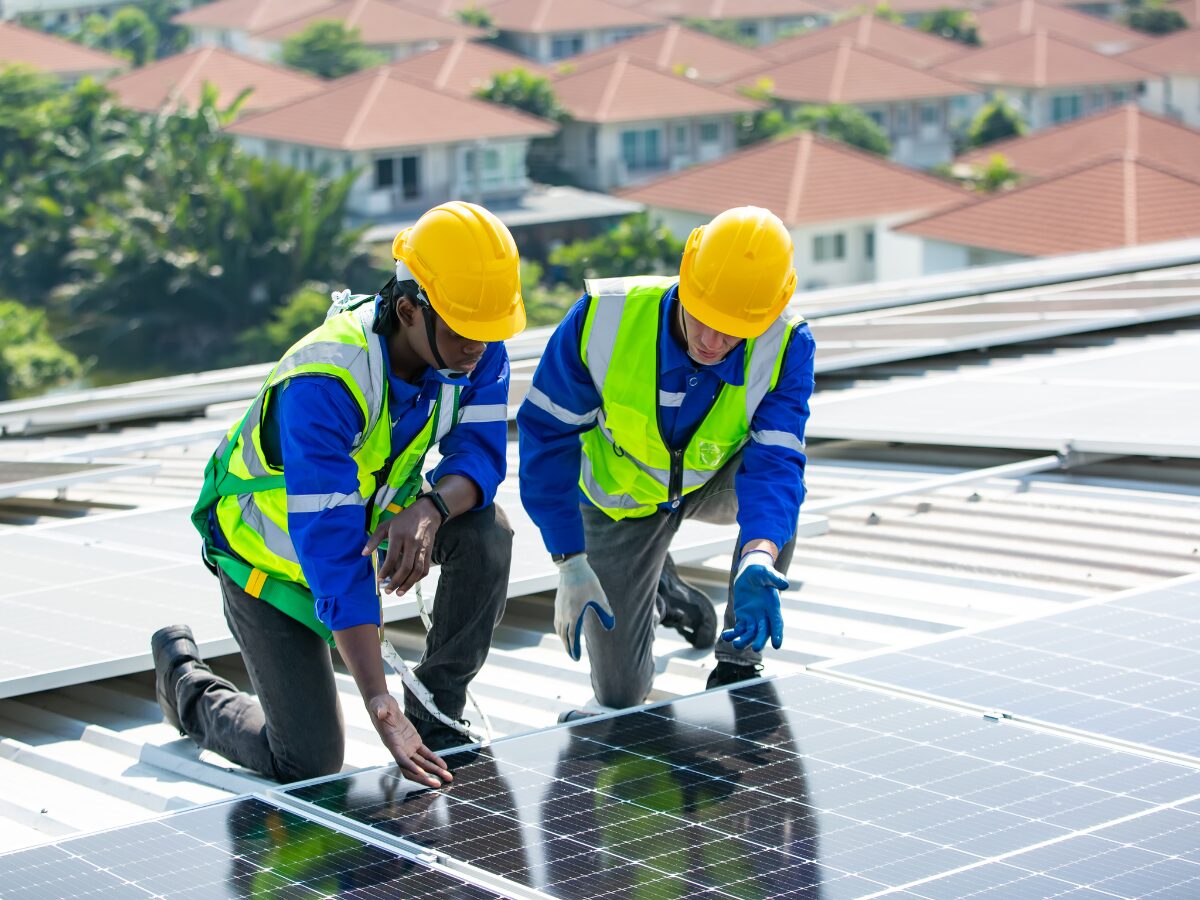
Worker Will Be Able to Use the Balance of the FGTS to Buy and Install Solar Energy in Their Home, According to New Project in Progress in the Senate.
Brazilian workers will have the opportunity to use part of their balances from the Severance Indemnity Fund (FGTS) to invest in generating solar energy in their homes. This is the proposal of Bill (PL) 1,481/2025, presented in the Senate by Senator Mecias de Jesus (Republicans-RR).
The measure, which is still pending analysis in the House committees, changes the current FGTS legislation, aiming to facilitate the public’s access to clean energy and reduce electricity costs.
FGTS as a Tool for Energy Inclusion
According to the project, holders of accounts linked to the FGTS may use up to 50% of the available balance, once every five years, to buy and install solar energy generation systems, both in urban and rural areas.
-
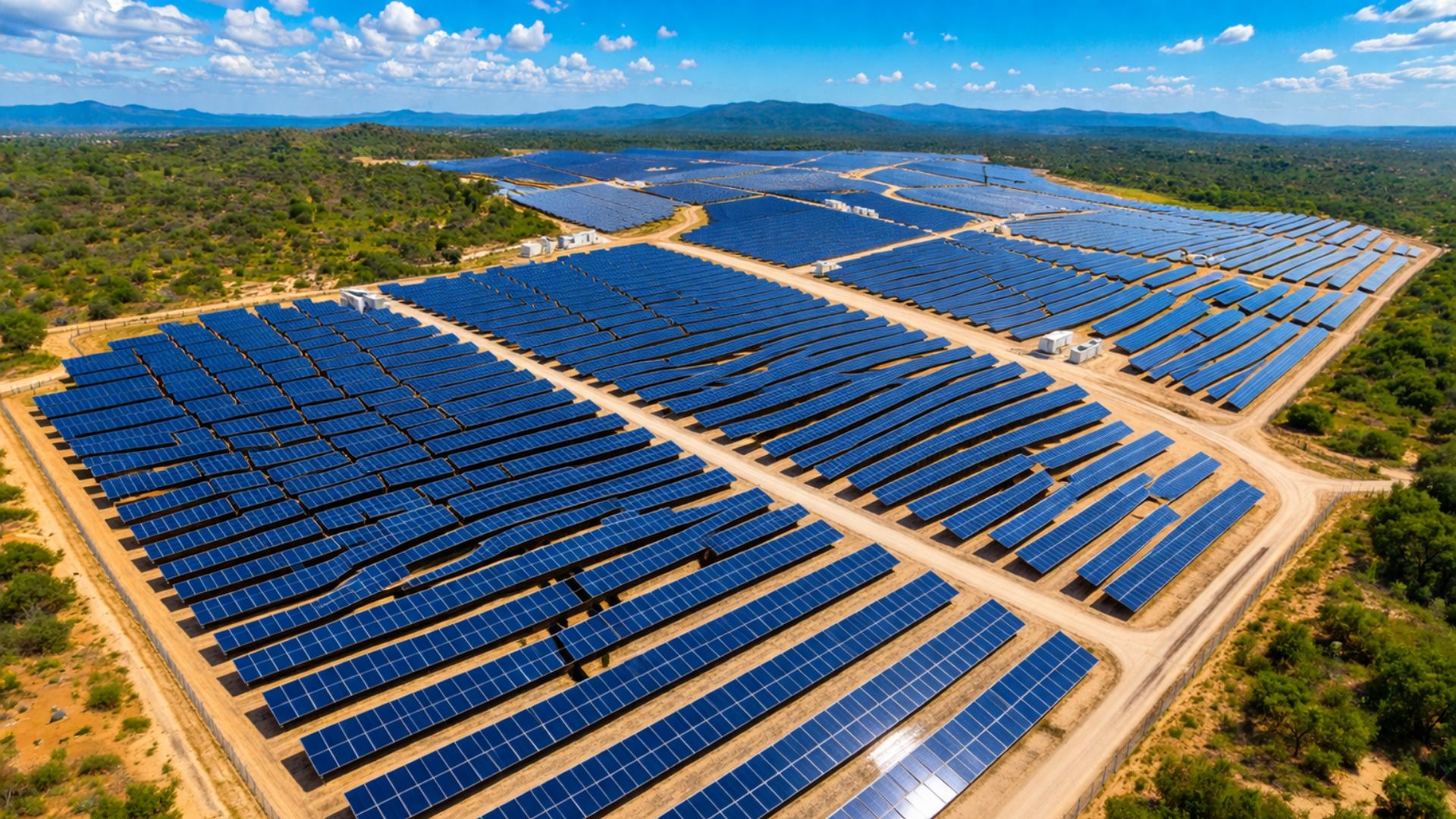
The Sol do Agreste Photovoltaic Complex begins operations in Pernambuco and accelerates the expansion of solar energy in Brazil, directly impacting the reduction of emissions and strengthening the sustainable energy matrix.
-
The Sol do Agreste Photovoltaic Complex begins operations in Pernambuco and accelerates the expansion of solar energy in Brazil, directly impacting the reduction of emissions and strengthening the sustainable energy matrix.
-
Roraima bets on the sun to escape high tariffs: Amid the energy crisis and price hikes, solar energy is growing in Roraima and transforming consumption in the North region.
-
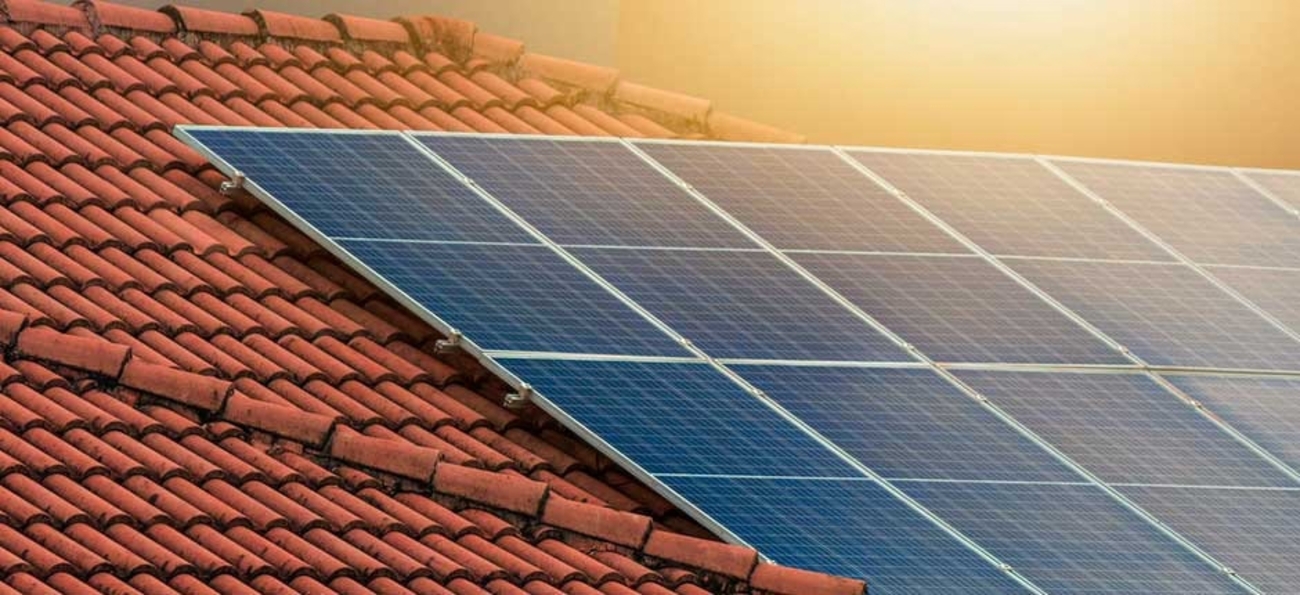
Copel boosts solar energy in Paraná and brings innovation to public schools, promoting savings on electricity bills, energy efficiency, and a direct impact on the quality of education.
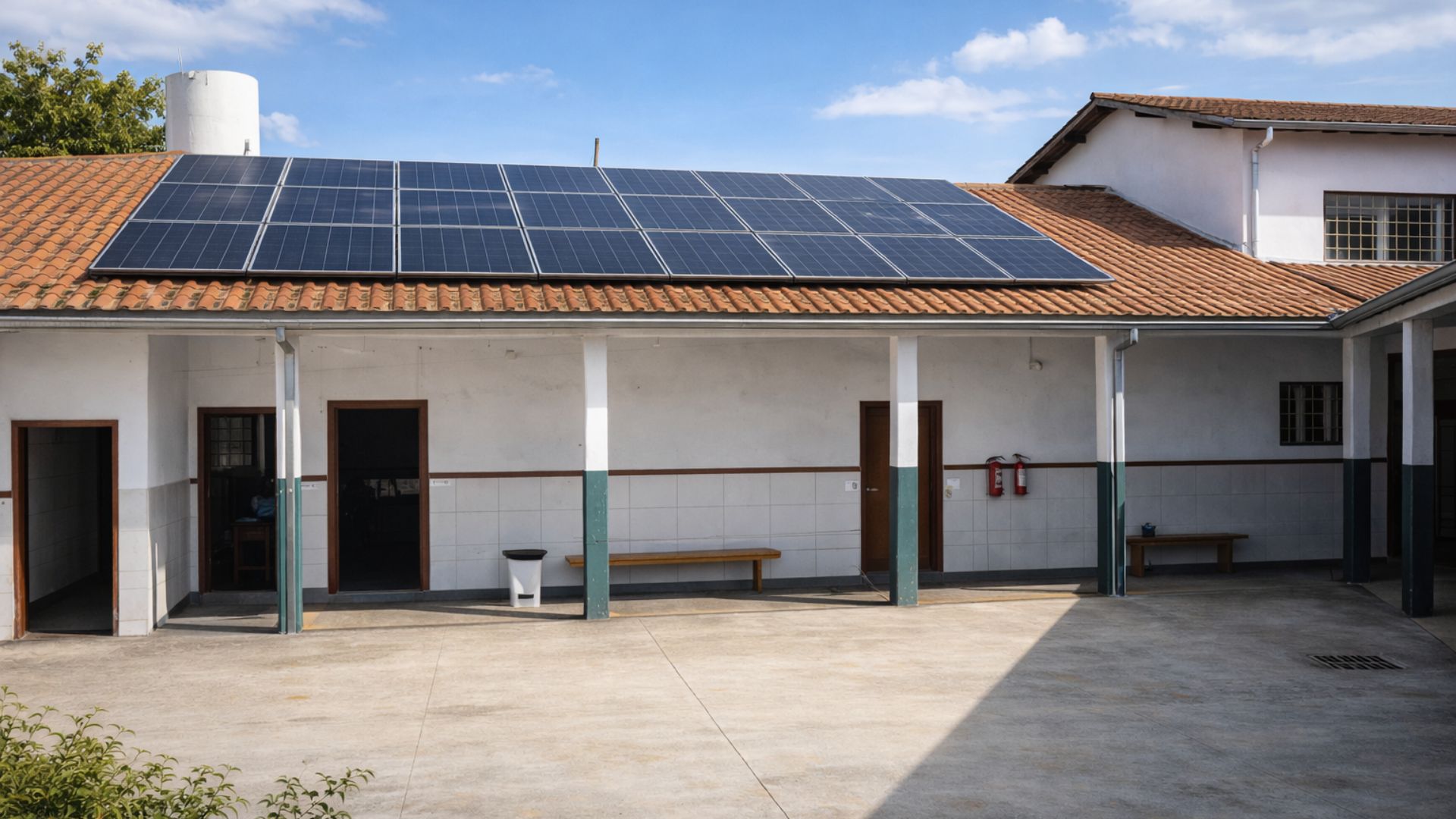

The initiative also includes cooperatives and consortiums focused on shared generation.
According to Senator Mecias, the goal is to make a sustainable and economically advantageous solution accessible.
“The installation of solar panels can reduce electricity bills for families by up to 90%, providing long-term financial relief and contributing to national energy security,” emphasizes the congressman.
Priority Groups and Social Criteria
The text of the bill establishes a series of criteria for prioritization in the use of resources. The following will have preference:
- Families with an average monthly consumption of less than 220 kWh in the last 12 months;
- Residents of areas with socioeconomic vulnerability;
- Beneficiaries of social interest housing programs, such as Minha Casa, Minha Vida;
- Residences of the elderly and people with disabilities;
- Properties located in isolated areas not connected to the National Interconnected System;
- Family farmers, indigenous peoples, and quilombolas.
These criteria reinforce the inclusive and social nature of the proposal, seeking to expand access to solar energy for communities that have historically had less access to this type of technology.
Conditions for Use and Limitations
To avoid misappropriation of purpose, equipment acquired with FGTS resources may not be resold for a minimum period of five years — except in cases of inheritance, divorce, or sale of the property.
In addition, the bill also allows the use of the fund to pay off existing bank loans related to the acquisition and installation of photovoltaic systems.
Clean Energy and Sustainable Development
Senator Mecias emphasizes that the project goes beyond individual economic benefits.
“The project advances by expressly providing for residential use, including in cooperatives and consortiums, and prioritizing vulnerable populations. The proposition also contributes to the international commitments made by Brazil, especially under the Paris Agreement and the UN 2030 Agenda, promoting concrete actions to combat climate change,” he states.
To come into force, Bill 1,481/2025 still needs to go through the Senate committees, be approved by the Chamber of Deputies, and subsequently be sanctioned by the Presidency of the Republic.
Use of the FGTS in the Democratization of Solar Energy in Brazil
By proposing the use of the FGTS as an incentive for solar energy, the measure represents a concrete attempt to democratize access to renewable sources, while also promoting intelligent use of fund resources, traditionally linked to home ownership.
The expectation is that, if approved, the project will boost the solar energy sector and help reduce the burden on the national electric grid.








Seja o primeiro a reagir!