





 Português
  Inglês
  Espanhol
  4 min de leitura
  101 comentários


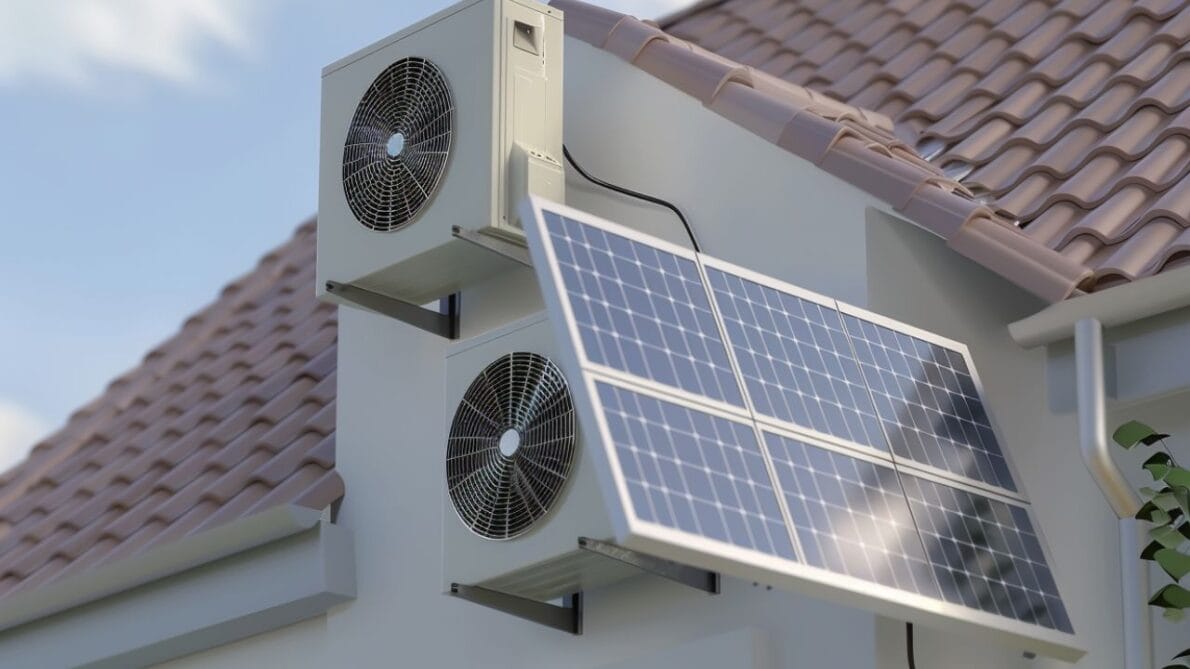


Tarcísio Simone, Renewable Energy Specialist, Teaches a Basic System That Allows You to Operate Air Conditioning Exclusively with Solar Energy, Directly from the Solar Panel, Without the Need for Batteries or Connection to Power Grids, Promoting Sustainability and Savings.
In the current energy scenario, one system is attracting the attention of consumers interested in sustainability and cost reduction: the possibility to operate air conditioning solely with energy from solar panels, eliminating the need for batteries or connection to electric utilities. This solution is only effective during the day, ideal for offices or for those who work from home, but also economical, using solar energy.
One of the major highlights of this system is the use of an off-grid solar inverter without the need for a battery bank. This device allows the air conditioning, with an average consumption of 900 watts, to function during the day fully utilizing the energy captured by the panels. The proposed scheme eliminates the use of grid electricity, enabling a greener and more economical operation. Check out the video from Tarcísio Simone below and share your opinion in the comments.
Energy Directly from the Solar Panel to the Air Conditioning
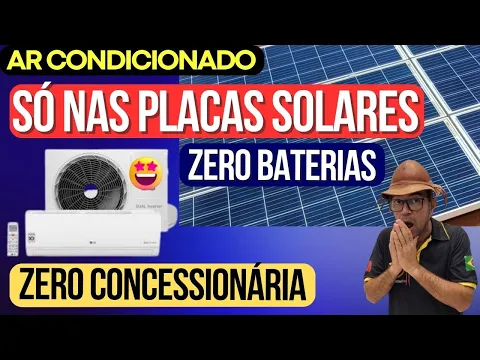

The connection of the air conditioning is made through a sensor linked to the inverter, which detects and uses energy directly from the solar panel. If solar production is insufficient, the system automatically compensates by drawing the minimum necessary from the grid, ensuring that the appliance continues to operate without interruptions.
-
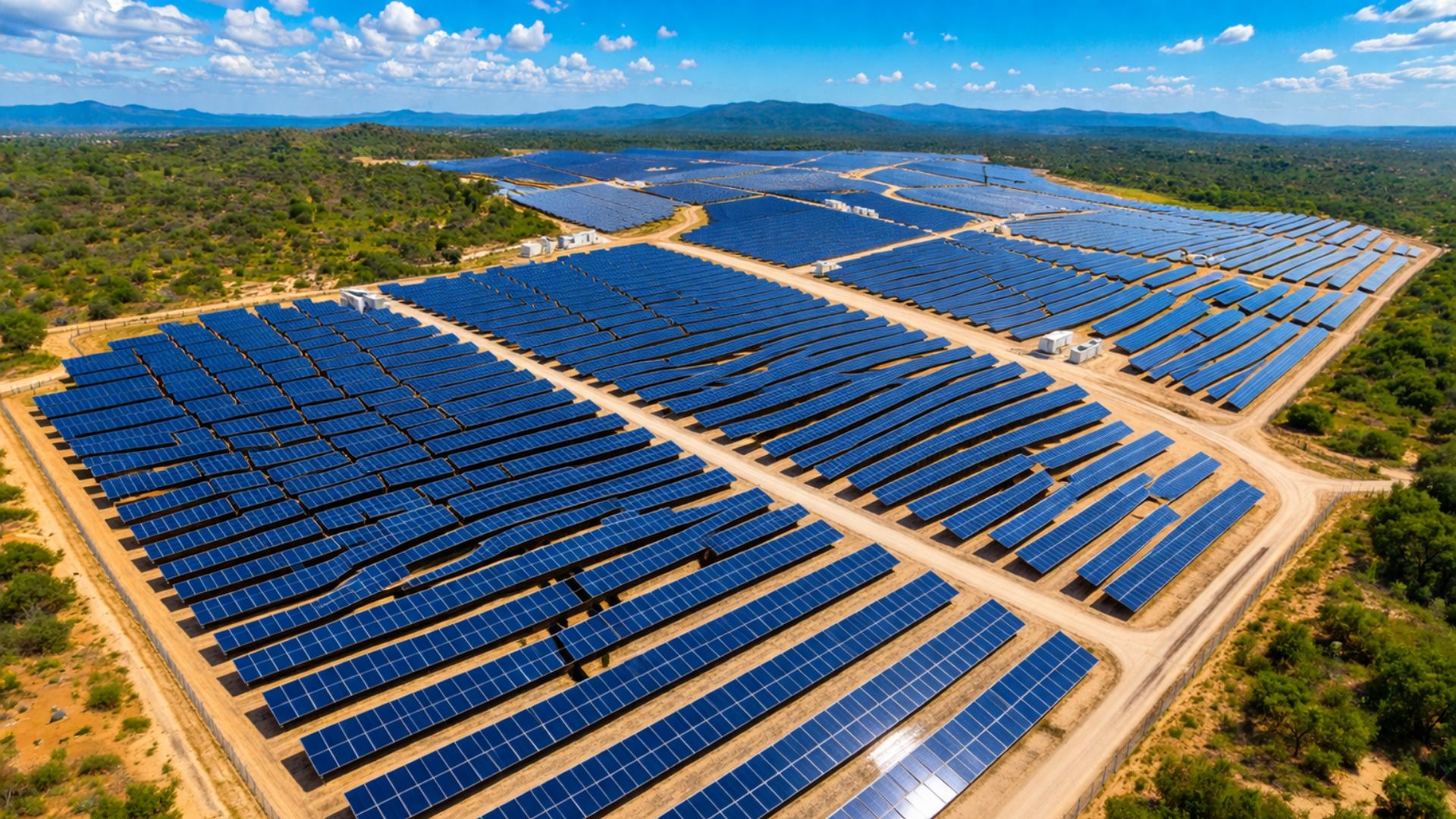
The Sol do Agreste Photovoltaic Complex begins operations in Pernambuco and accelerates the expansion of solar energy in Brazil, directly impacting the reduction of emissions and strengthening the sustainable energy matrix.
-
The Sol do Agreste Photovoltaic Complex begins operations in Pernambuco and accelerates the expansion of solar energy in Brazil, directly impacting the reduction of emissions and strengthening the sustainable energy matrix.
-
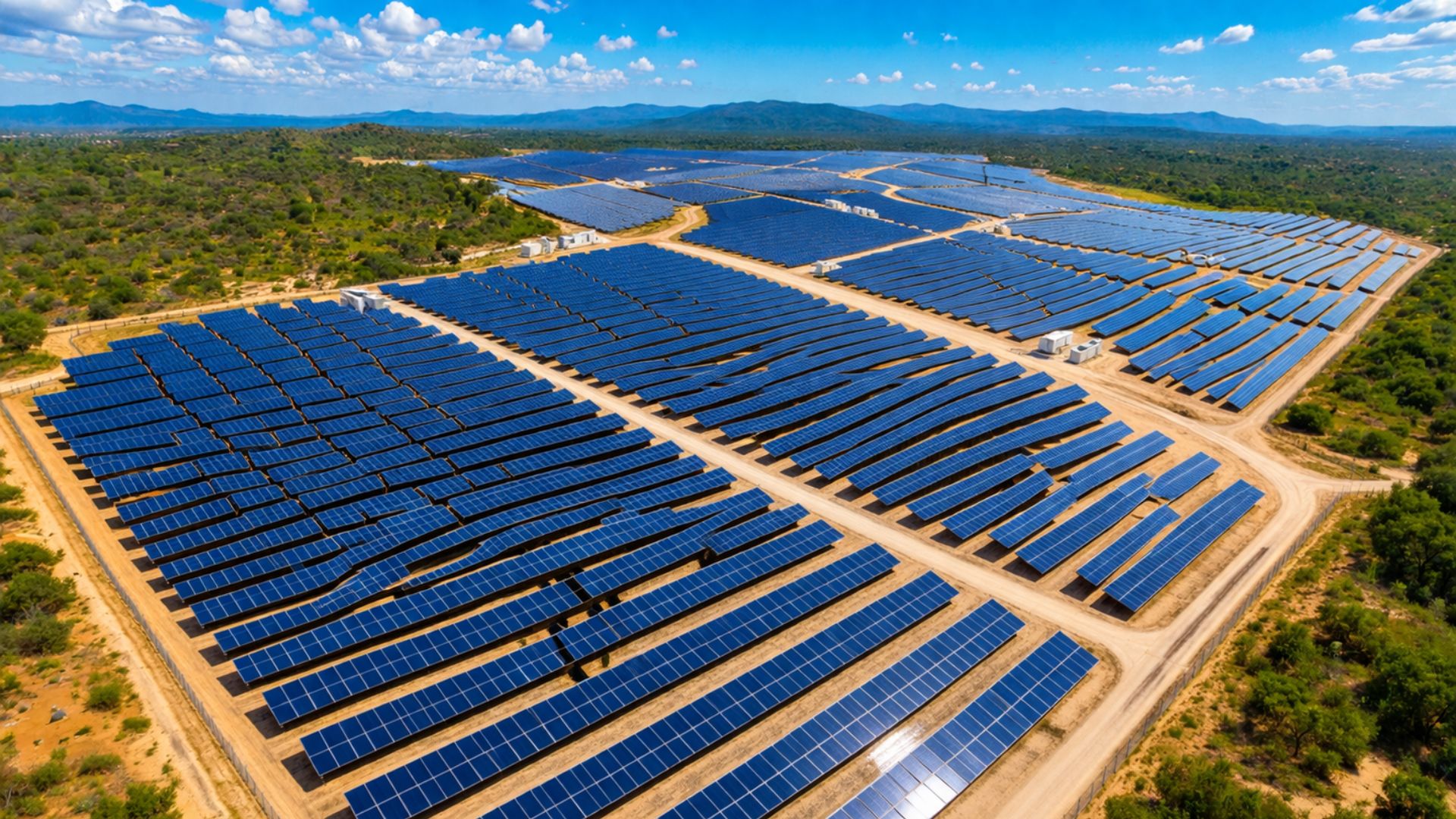
Renewable energy advances over protected areas in Brazil, and a survey by the Energy Transition Observatory reveals silent impacts that challenge environmental conservation and pressure sensitive traditional territories.

-
Rio Grande do Sul accelerates energy transition: State invests in renewable technologies and consolidates decarbonization strategies and pathways to attract billions in new industrial investments.


First, you install the solar panels on the roof of your house. These panels are responsible for capturing sunlight and converting it into electrical energy. The energy generated by the solar panels is sent to a device called an inverter. The inverter has a special function: it adjusts the solar energy so that it can be used by the household appliances, including the air conditioning.
Normally, some solar energy systems use batteries to store energy, but in this case, they are not necessary, because in this example, they are directly connected. This simplifies the system and reduces costs. As long as the sun is shining, or in other words, during the day, the solar panels generate energy that is immediately used to operate the air conditioning. You can keep your home cool during the day without using energy from the grid.
Automatic Compensation
If at any moment the energy produced by the panels is insufficient, for example, on cloudy days, the inverter automatically seeks a bit of energy from the grid. This ensures that the air conditioning continues to function without interruptions. Since most of the energy used comes from the sun, you save on your electricity bill. By using renewable energy, you help reduce pollution and contribute to a more sustainable planet.
This innovative method not only points to a growing trend in the adoption of renewable energy in homes but also demonstrates how technology can be applied to enhance energy efficiency and reduce environmental impacts. With the increasing efficiency of solar panels and the reduction of associated costs, this solution is expected to become increasingly accessible and popular among global consumers.
What You Need for the Solar Panel to Power the Air Conditioning at Night?
For a solar panel to power an air conditioner at night, it is necessary to implement a system that stores the energy generated during the day, as solar panels do not produce energy at night. Here are the main components to make this possible:
Solar Panels: They capture sunlight and convert it into electrical energy. Depending on the size of your air conditioner, you will need more or fewer panels. The price varies greatly, but on average, each panel can cost between R$ 800 to R$ 1,200.
Inverter: It is a device that transforms the energy from the battery into the type that your appliances can use. A good inverter costs around R$ 2,000 to R$ 4,000.
Automatic Transfer Switch: It functions to transfer the system’s power to the utility grid when the panels cease to operate. The price is around R$ 2,000.
Installation and Sizing: The cost of installation and having a professional to appropriately size the system can vary, but it usually ranges from R$ 2,000 to R$ 5,000, depending on the complexity.
In summary, to set up a system that allows you to use your air conditioning at night with solar energy, you can expect to spend around R$ 12,000, considering all components and installation. It is essential to consult a specialist to assess your specific needs and ensure that the system is suitable for your home.









Boa tarde a todos, vi os comentários a respeito da proposta da matéria. Eu instalei a 6 anos um sistema “on grid” em minha residência com apenas 6 painéis + inversor instalação e homologação a um custo de 16mil e me empolguei de tal maneira que passei a aumentar meu consumo de 1 aparelho de ar condicionado instalei mais 2 e pelos cálculos do aplicativo do inversor solar esse ano devo estar compensando o investimento tendo feito uma economia em torno do valor investido. O fogão a gás já foi substituído por um de indução o que me fez trocar todas as panelas pois alumínio não funciona em um fogão desse. Eu sei que existe o “off grid” que é um sistema desconectado da rede das concessionárias mas o custo é alto e exige manutenção. Baterias devem estar sempre sendo observadas e se o consumo for excessivo o sistema desarma. Mas, também, fiquei sabendo que existe um tipo de inversor chamado híbrido esse pode ser alimentado pelas placas solares e também pela concessionária quando não houver energia solar o próprio inversor faz essa troca automaticamente e caso queira ainda pode adicionar algumas baterias em caso de falta de energia e dependendo consumo e do número de baterias funcionará como um “no break” nessa situação o inversor não vai enviar créditos para a concessionária o que não obrigar a homologação. Creio que foi esse sistema que a matéria quiz comentar. Espero ter ajudado. Grande abraço. Saúde e Paz.
Bom dia, me chamo ALEXANDRE OLIVEIRA, da empresa ARROBA SOLAR.
IImpostante ressaltar que quando se gera energia de dia, essa energia é gerada tanto para o dia quanto para a noite já que painéis não produzem a noite. Sendo assim vc produz praticamente de dia o dobro da energia usada de dia, mantendo a tensão do sistema sempre boa memso com dias um pouco nublados.
Caso precisarem de maiores esclarecimentos me coloco à disposição.
Tel 73 999805070.
Alexandre -Diretoria.
Entre em contato conosco.
Nossa, quanta hostilidade e **** nos comentários. Hoje em dia todo mundo se
autodeclara um especialista, mas quando é posto à prova, passam vergonha.
A matéria me esclareceu alguns pontos, sempre se tira algo de útil, e meu interesse nesse tipo de projeto aumentou. Obrigado.