





 English
  Francês
  Alemão
  Italiano
  Japonês
  Norueguês
  Portuguese
  Spanish
  6 min of reading
  0 comments


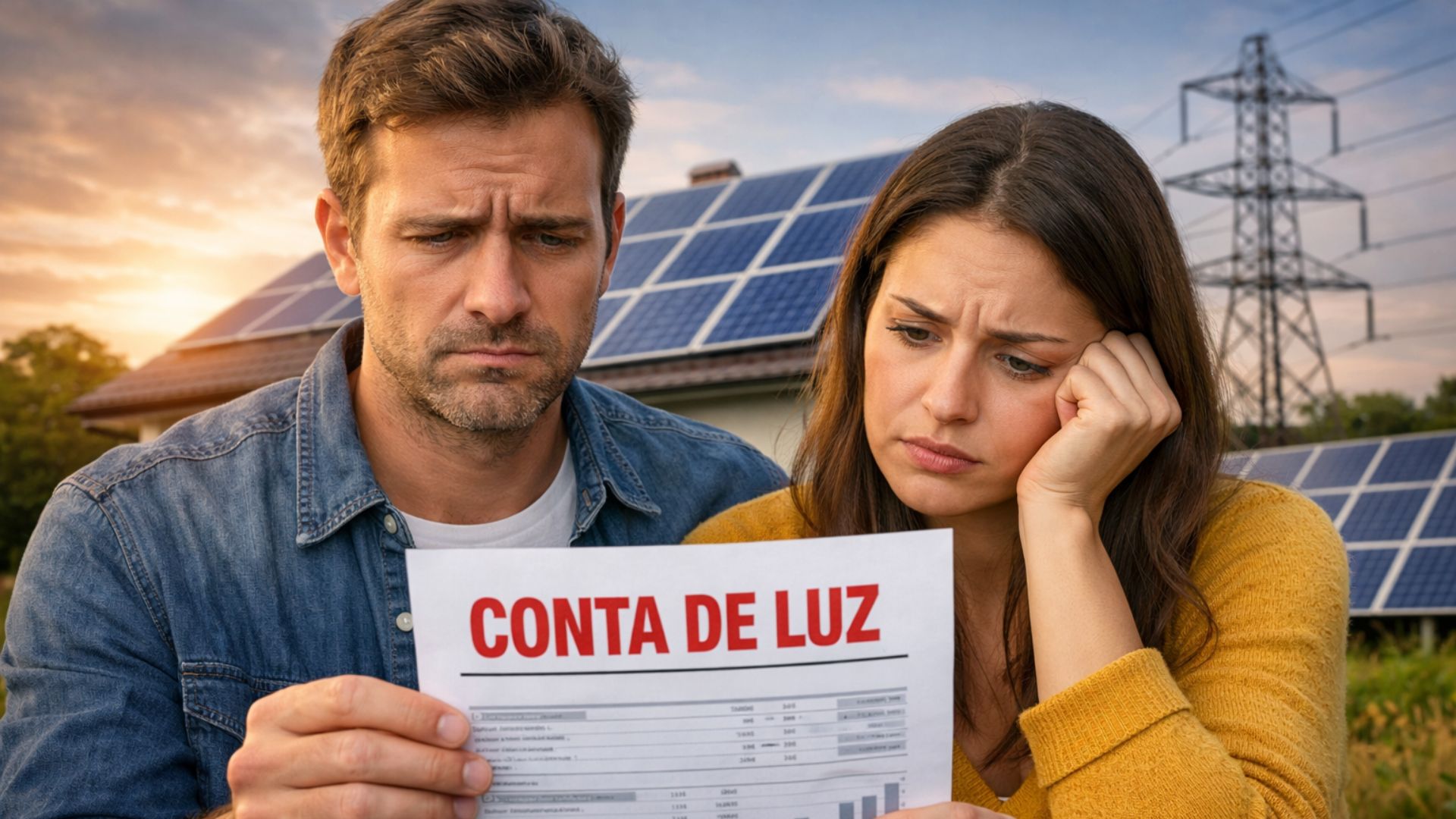
Understand Why the Advancement of Solar Energy in Brazil Has Not Yet Reduced the Consumer Light Bill. Know the Bottlenecks of the Energy Matrix, System Costs, and the Impact of Tariffs on the Pockets of Brazilians.
Solar energy is rapidly advancing in Brazil, taking up a relevant space in the energy matrix and breaking generation records at various times of the year. According to a report published by the website O Povo this Sunday (4), even so, consumers continue to pay a high light bill, pressured by structural costs, activation of thermal plants, and historical limitations of the national electrical system.
Solar Energy Advances in the Brazilian Energy Matrix
At certain peak solar hours, photovoltaic generation has already reached about 40% of the system’s instantaneous load, according to sector data. However, this surplus, concentrated during strong sunlight hours, cannot always be absorbed by the electrical grid. The lack of transmission and storage capacity turns an abundant resource into an operational challenge, requiring emergency measures to prevent stability risks.
Meanwhile, those who invested in their own generation tend to feel less of the effects of tariff flags, although they still bear fixed costs and system charges. Most of the population, dependent on the grid, faces higher costs. The energy transition is advancing, but the benefits have not yet reached all consumers equitably.
-
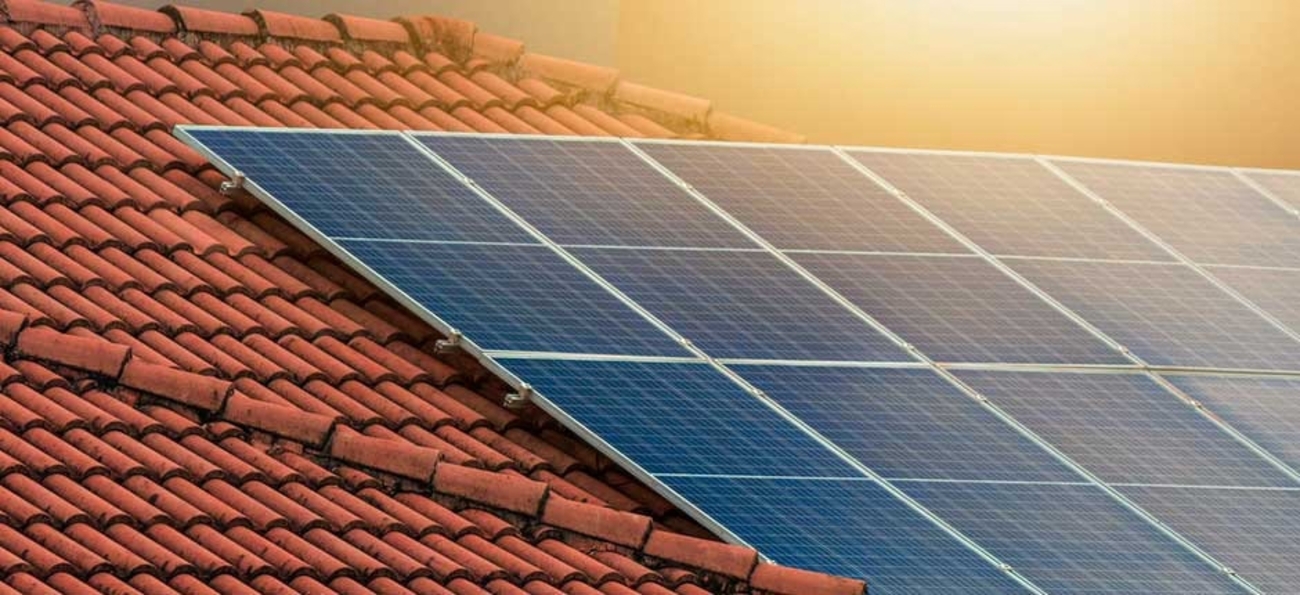
Roraima bets on the sun to escape high tariffs: Amid the energy crisis and price hikes, solar energy is growing in Roraima and transforming consumption in the North region.
-
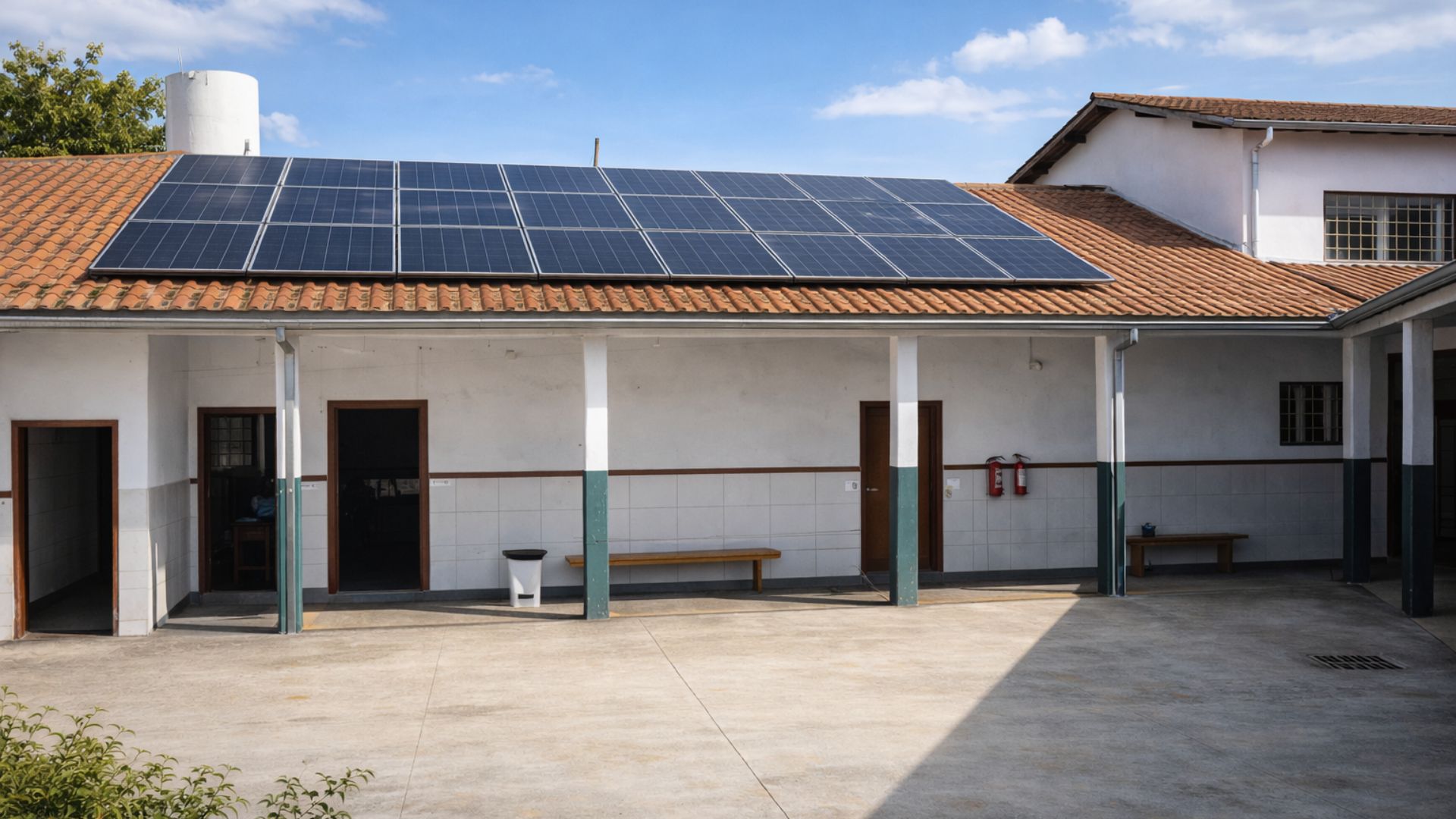
Copel boosts solar energy in Paraná and brings innovation to public schools, promoting savings on electricity bills, energy efficiency, and a direct impact on the quality of education.
-
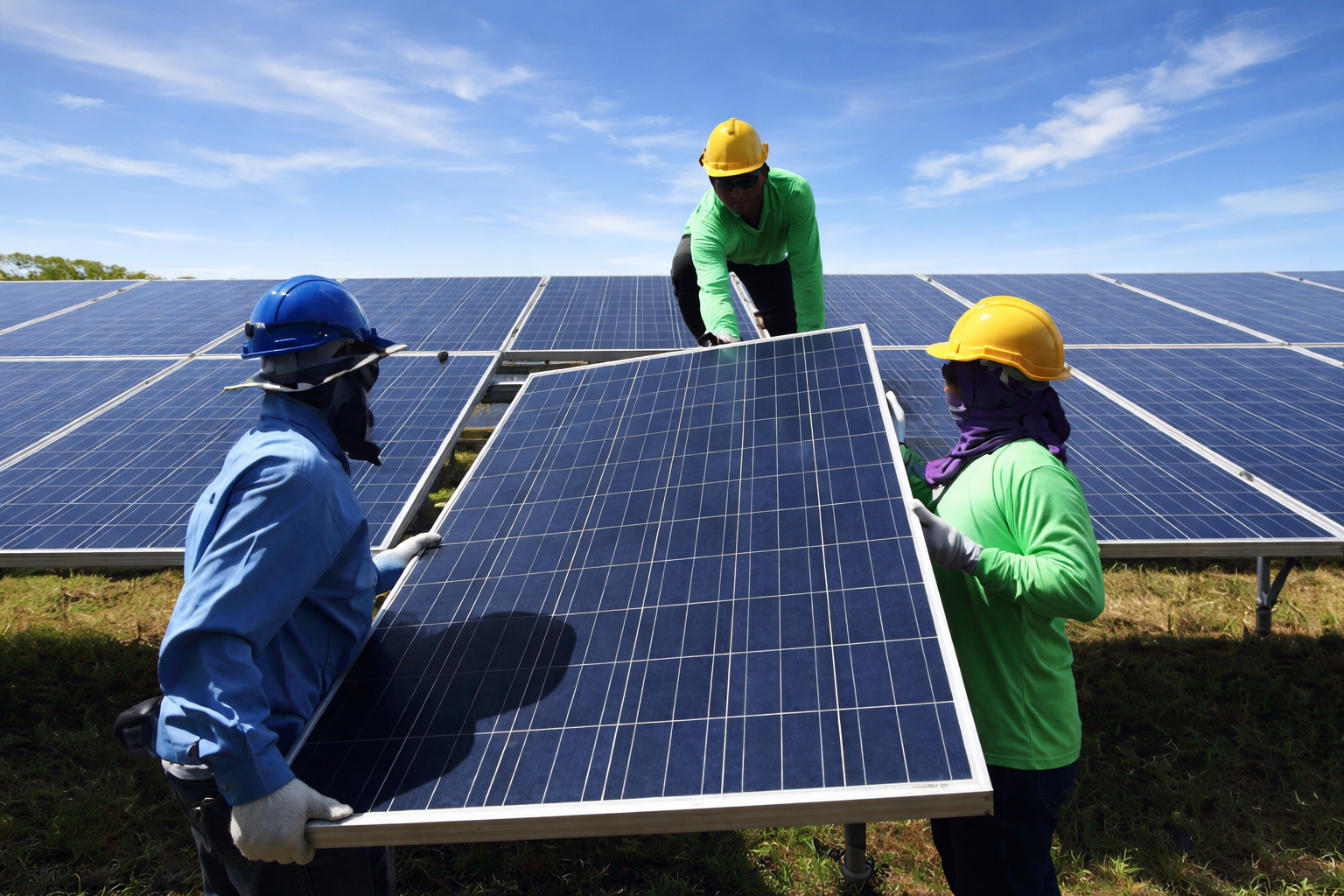
Brazil reaches historic milestone in solar energy: Sector surpasses 2 million accumulated green jobs and generates billions in the national economy even under market pressure.
-
Minas Gerais takes the lead in renewable energy: State surpasses historic mark of 14 GW in solar energy generation in MG and consolidates dominance in the Brazilian electric sector.
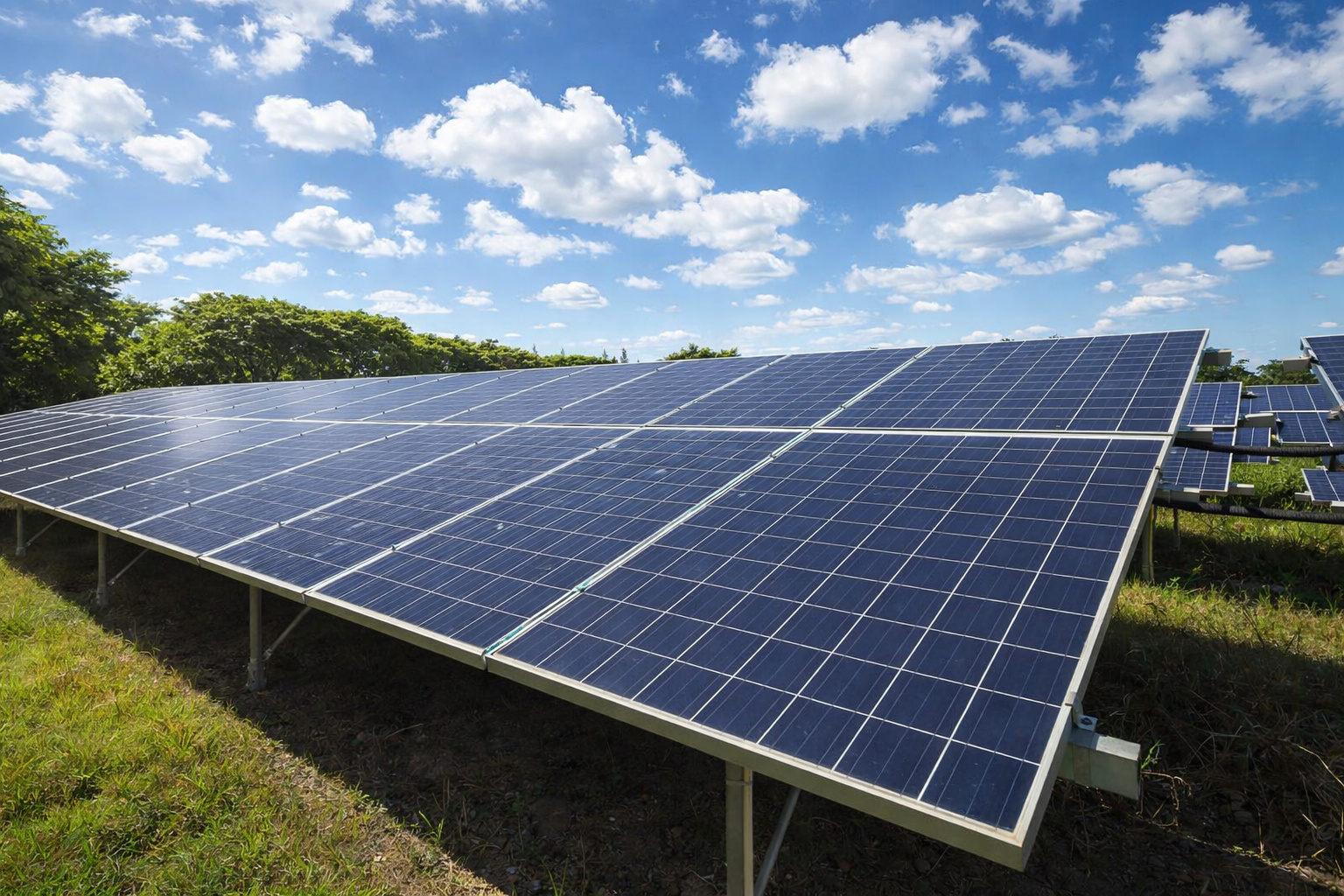

The expansion of solar energy is one of the most significant movements in the electric sector in recent decades. According to the Brazilian Association of Photovoltaic Solar Energy (Absolar), the source already represents about 22% of the Brazilian electricity matrix, considering centralized and distributed generation. The growth is driven by the drop in equipment prices, greater access to credit, and the increase in electricity consumption.
Data from the Electric Energy Trading Chamber (CCEE) shows that national consumption grew 3.9% in 2024 compared to 2023, a direct reflection of more intense and prolonged heat waves. With higher temperatures, air conditioning use skyrockets, stressing the system and raising the light bill. In this context, solar energy has come to be seen as an economic and environmental solution, especially for residential and commercial consumers.
Consumer Seeks Savings, but the Light Bill Remains High
Industry studies indicate that the installation of photovoltaic systems can generate savings of up to 90% on the light bill, depending on consumption profile and project sizing. This potential explains the significant increase in distributed generation in recent years.
However, the benefit is concentrated among those who can invest. Most consumers remain exposed to tariff fluctuations, especially the red flags activated when the system needs to resort to more expensive sources.
Even with the growth of solar energy, the cost of maintaining the electrical infrastructure remains. Transmission lines, substations, and backup plants need to be available at all times, and these costs are passed on to the end consumer.


Light Bill, Thermal Plants, and the Hidden Costs of the System
Solar energy depends on sunlight exposure. At night or on cloudy days, its generation drops drastically. To ensure continuous supply, the Brazilian electrical system needs to activate thermal plants, which use fossil fuels and have a high operational cost.
This additional cost reaches the consumer through tariff flags, primarily the red flag. The paradox is evident: even in a country with an abundance of renewable sources, the light bill rises due to the lack of flexibility in the system. Additionally, the excess solar energy at specific times can overwhelm the grid, requiring interventions to preserve stability and prevent blackouts.
Bottlenecks of the Energy Matrix and Limitations of the Electric Grid
The Brazilian energy matrix is recognized for its high share of renewable sources. Nevertheless, the transmission and distribution infrastructure has not kept pace with the advancement of solar energy.
The electrical grid was designed for a centralized generation model, not for millions of small generators injecting energy simultaneously. Without large-scale storage capacity, much of the solar surplus cannot be utilized. This imbalance forces the system to maintain expensive sources in operation, raising costs and directly impacting the consumer’s light bill.
Solar Energy and Inequality Among Consumers
The growth of solar energy has also sparked an important debate about tariff fairness. Those with their own systems practically neutralize the impact of tariff flags. Meanwhile, those without access to technology end up paying more to support the common infrastructure.
In grid-connected models, the surplus of solar energy is sent to the utility, which grants credits to the consumer-generator. Although this mechanism encourages the adoption of the source, it also increases regulatory complexity and the challenges of balancing the energy matrix. The result is a system where the benefits are not distributed evenly, generating economic and social distortions.
The International Alert and the Example of Australia
Brazil is not the only country facing this challenge. Australia recently experienced a similar situation. In the last quarter of 2024, the operator of the Australian electrical system warned of dangerously low demand, putting network stability at risk.
Currently, one in three Australian households has photovoltaic panels, significantly reducing traditional demand. Without adequate storage and control systems, the excess solar energy has become an operational problem. The Australian case reinforces the importance of planning and structural investments to safely integrate solar energy into the energy matrix.
How Solar Energy Works and Why It Is Strategic?
Solar energy is obtained from sunlight and can be captured by photovoltaic panels, heliothermal plants, and solar heaters. In the photovoltaic system, electricity is generated by the movement of electrons in semiconductor materials exposed to solar radiation.
Even without intense radiation, the system continues to operate, albeit with lower efficiency. This characteristic makes solar energy especially strategic for tropical countries, like Brazil, which have high solar incidence throughout the year. Moreover, it is a renewable, clean, silent, and low-maintenance source, factors that explain its rapid growth in the energy matrix.
Despite the advantages, solar energy faces significant limitations. The cost of storage batteries is still high, hindering the total autonomy of the systems. Dependence on sunlight and the need for specialized labor are also relevant challenges.
In many cases, consumers remain linked to the utility, bearing fixed costs on their light bills. This shows that tariff reduction depends not only on generation but on the structure of the system as a whole. Without investments in storage and smart grids, the potential of solar energy will remain partially limited.
What Needs to Change for Solar Energy to Benefit Everyone?
Experts argue that the solution lies in modernizing the electrical grid. Expanding transmission lines, adopting smart systems, and investing in storage are essential to fully harness the surplus of solar energy.
With a more robust infrastructure, it would be possible to reduce the activation of thermal plants, alleviate the light bill, and better distribute the benefits to consumers. Thus, solar energy would stop being an individual advantage and become a collective asset of the Brazilian energy matrix.
Public policies aimed at large-scale storage and efficient demand management are also seen as essential for the future of the electrical sector. The growth of solar energy reveals both the potential and the fragilities of the Brazilian electrical system. Generating clean energy is not enough if it cannot be distributed efficiently, safely, and fairly.
The energy matrix in Brazil has the potential to become one of the most sustainable in the world. For that, it will be necessary to align generation, transmission, storage, and regulation. Only then can the light bill truly reflect the abundance of renewable resources available in the country and benefit all consumers.







-

2 pessoas reagiram a isso.