





 Portuguese
  English
  Spanish
  4 min of reading


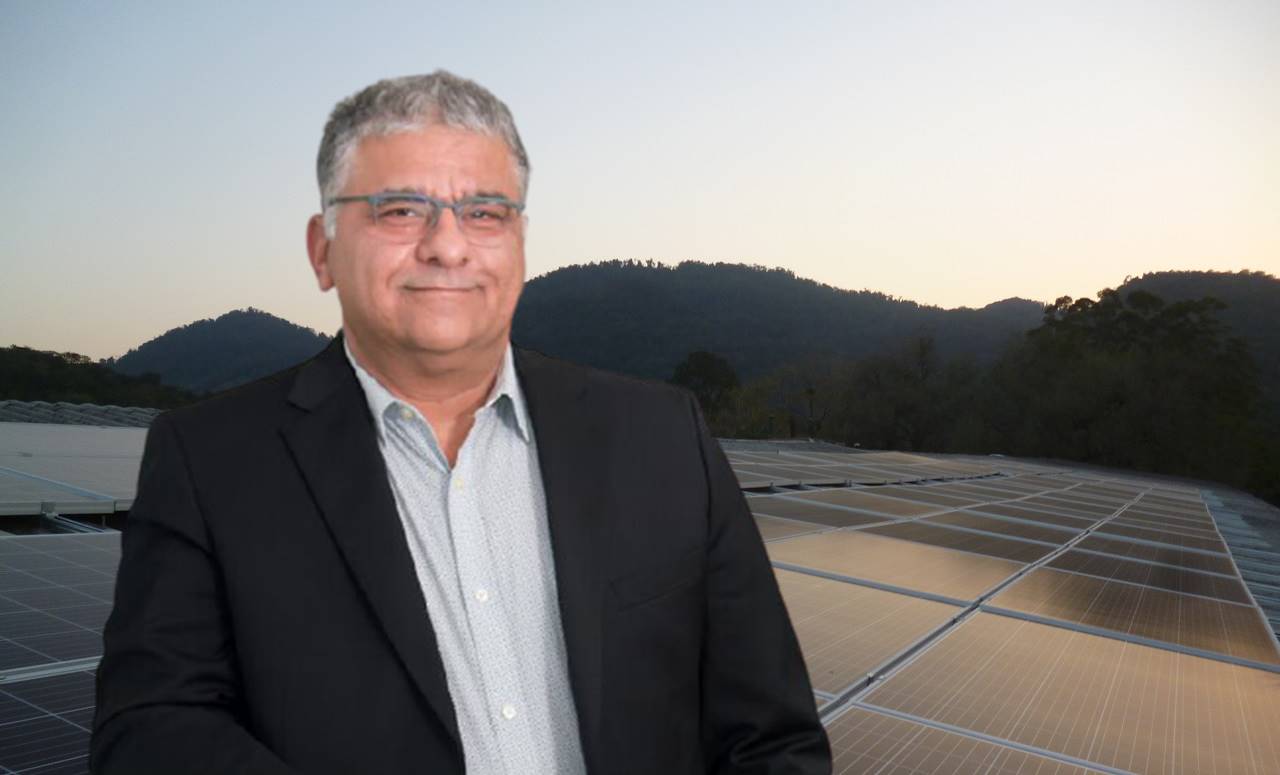
Brazilian Export Company Expects 12% Growth in Solar Panel Imports in 2021. Federal Government Forecasts That By 2027 Hydroelectric Plants Will See a Decrease in Energy Share to 51%, While Alternative Energy Generation Sources Should Jump to 28%.
April, 2021 – Despite around 90% of the electricity in the national territory coming from hydroelectric plants, about one-fifth of what is produced is wasted in the transmission of energy to consumption centers, such as Itaipu, for example. Losses like this result in at least 5% of the fee paid by the consumer. One way to circumvent this is to opt for distributed solar energy. By 2027, according to the Federal Government, hydroelectric plants will lose ground to renewable energies and will fall to 51% in terms of energy share, while alternative sources are expected to jump to 28%.
According to Rogério Marin, director of the Brazilian foreign trade company Tek Trade, which is responsible for importing 4 megawatts of energy in photovoltaic panels in 2020, the main path will be the incentive for implementing renewable energy plants and increasing the micro generation of distributed solar energy by the population.
“Energy from renewable sources is among the sustainable actions prioritized by various countries. In Brazil, recently, the Federal Government eliminated the import tax for solar equipment until December 31, 2021, respecting certain criteria, which should further boost the market. As the economy and currency return to normal, the measure should stimulate the creation of new projects for both residential and business use. Even those outside the industry see, by analyzing the numbers, that it is worth investing in such a system, where it is possible to achieve a return on investment and, in many cases, replace the electricity bill with the monthly financing payment of the system,” says Marin.
-
Renewable energy advances over protected areas in Brazil, and a survey by the Energy Transition Observatory reveals silent impacts that challenge environmental conservation and pressure sensitive traditional territories.

-
Rio Grande do Sul accelerates energy transition: State invests in renewable technologies and consolidates decarbonization strategies and pathways to attract billions in new industrial investments.

-
With 160,000 m² of collectors, an area larger than 20 football fields, Silkeborg, in Denmark, hosts a solar thermal plant that heats 19,500 homes and could become the largest solar heating plant in the world.

-
A study reveals the expansion of renewable energy procurement in Brazil and shows how companies are taking advantage of opportunities to reduce expenses, ensure energy efficiency, and strengthen strategic environmental commitments.


Growth Estimates for the Solar Energy Market for 2021
The director estimates that the growth in solar panel imports by Tek Trade should increase by 15% in 2021 compared to 2020 and continue to grow in the coming years. This presents an opportunity for entrepreneurs interested in the distribution and installation of equipment, which is also pointed out as a solution for the recovery of economic growth for countries and companies in the post-pandemic period.
“Solar energy will be one of the protagonists in this scenario of renewing the Brazilian energy matrix. The fact is that we should question the waste of electricity in Brazil and reflect on the actual efficiency of hydroelectric plants that are more concerning due to their dependence and the significant environmental impact they generate. For the construction of a hydroelectric plant, for example, various factors are required, such as: dam installations, deviation of rivers, and land expropriation. These actions lead to problems for fauna and flora and sedimentation of rivers. Another factor is that this capacity is often located in indigenous lands or conservation units. In contrast, solar energy, besides being completely clean and sustainable, involves straightforward installation, and the results are immediate. In other words, you acquire the solar panel, install it, place the inverter, and start producing energy,” explains the director.



Another factor pointed out by Marin is that the main hydroelectric plants in Brazil, which generate the most energy, are located on the Paraná River, on the Brazil-Paraguay border. Therefore, when transporting this energy to the rest of the country, at least 20% of the resource is lost in transmission through the grid, directly affecting the quality of electricity supplied in some regions. Meanwhile, the solar panel is easy to install and its raw material – sunlight – is inexhaustible and free.
“The cost of solar energy has decreased by almost 90% in the last ten years (Absolar). Additionally, we increasingly have more accessible financing options. Encouraging access to this rapidly growing solution is the path to a more sustainable future,” he argues.
About Tek Trade
Tek Trade is a company from Santa Catarina and has been operating for over 10 years in the import and export sector in Brazil. It is a founding member of SINDITRADE – the Union of Foreign Trade Companies of the State of Santa Catarina. With thousands of successful import and export operations, Tek Trade has all the necessary knowledge to operate in foreign trade efficiently, serving both small and large companies.









Seja o primeiro a reagir!