





 English
  Francês
  Alemão
  Italiano
  Japonês
  Norueguês
  Portuguese
  Spanish
  6 min of reading
  0 comments


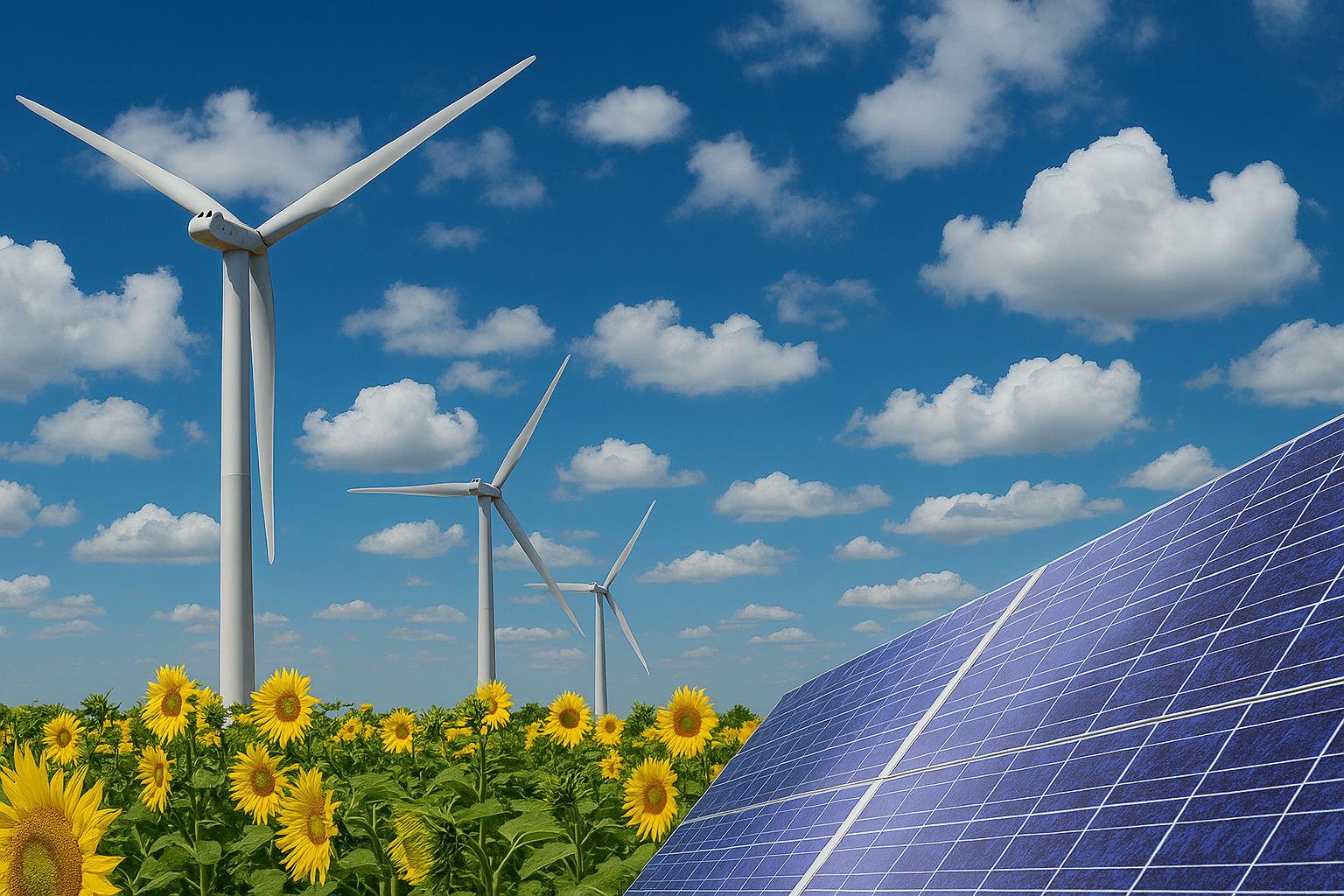
Petrobras Prepares Investment in Solar and Wind Energy, Aiming for a Sustainable Future and Diversification of the Energy Matrix Starting in 2035.
The energy transition has become one of the central themes in the discussion about the future of global energy.
In Brazil, a country historically known for oil and natural gas exploration, this change has taken on new contours.
Therefore, recently, Petrobras President Magda Chambriard stated that the company is preparing to pay more attention to solar and wind energy starting in 2035, while it will continue to operate with fossil fuels in the coming years.
-
Renewable energy advances over protected areas in Brazil, and a survey by the Energy Transition Observatory reveals silent impacts that challenge environmental conservation and pressure sensitive traditional territories.

-
Rio Grande do Sul accelerates energy transition: State invests in renewable technologies and consolidates decarbonization strategies and pathways to attract billions in new industrial investments.

-
With 160,000 m² of collectors, an area larger than 20 football fields, Silkeborg, in Denmark, hosts a solar thermal plant that heats 19,500 homes and could become the largest solar heating plant in the world.

-
A study reveals the expansion of renewable energy procurement in Brazil and shows how companies are taking advantage of opportunities to reduce expenses, ensure energy efficiency, and strengthen strategic environmental commitments.


This declaration marks a turning point in the Brazilian energy sector and, consequently, reinforces the importance of strategically and thoughtfully investing in renewable sources.
Historically, Petrobras was founded in 1953, during a period when oil was driving Brazil’s economic development.
In addition, for decades, the company has focused its efforts on oil exploration, production, and refining, establishing itself as one of the largest state-owned enterprises in the country.
Brazil, in turn, has always maintained a diversified energy profile, with a strong presence of hydropower plants, capitalizing on the abundance of water resources.
However, the advancement of solar and wind energy technologies and the need to reduce carbon emissions present new challenges and opportunities for Petrobras and the national energy sector.
Moreover, the international scenario pressures energy companies to adopt cleaner solutions.
Countries in Europe and Asia have implemented strict policies to incentivize renewable production and reduce carbon emissions.
Therefore, Petrobras recognizes that investing in solar and wind energy is not just an environmental decision, but also a strategic one, ensuring competitiveness in the global market.
Petrobras Strategy: Biofuels Until 2035
According to Magda Chambriard, Petrobras divides its strategy into two main phases.
Until 2035, the company will prioritize biofuels, including ethanol, coprocessed diesel, biodiesel, and biogas.
These fuels act as a bridge between the traditional energy matrix based on oil and renewable sources.
Thus, biofuels partially reduce dependence on fossil fuels, utilize national agricultural inputs, such as grain surpluses, and contribute to the economic sustainability of the agricultural sector.
Starting in 2035, the company will focus its investments on solar and wind energy, in addition to hydrogen.
Thus, this change reflects a global trend: the world is moving towards a cleaner, more diversified, and sustainable energy matrix.
Countries from different continents are adopting policies to promote energy generation from the sun and wind, recognizing not only the environmental benefits but also the economic importance of these sectors.
In Brazil, the abundance of solar radiation and wind intensity in regions such as the Northeast and South make this strategy especially promising.
Magda highlighted that Petrobras plans to invest US$ 16.5 billion in renewable energy in the coming years, demonstrating a significant commitment to the energy transition.
Among the announced projects, the company will build a refinery in Rio Grande do Sul, capable of processing about 15,000 barrels per day of completely renewable products, without any fossil molecules.
Therefore, this initiative represents a concrete step in the diversification of the energy matrix, showing that Petrobras will not abruptly abandon its fossil fuels but will instead integrate them in a balanced manner with renewable sources.
Moreover, investments in solar and wind energy are expected to stimulate internal technological development.
Petrobras may create research centers dedicated to increasing the efficiency of solar panels and wind turbines, adapting them to Brazilian climatic conditions.
Consequently, this technological innovation may also generate opportunities for exporting knowledge and equipment to other developing countries.
Solar and Wind Energy in the International and National Context
Investment in solar and wind energy also responds to changes in the international market.
The increase in tariffs and trade barriers, such as the “tariff” imposed by the United States on some agricultural products, may result in grain surpluses in Brazil.
These surpluses can supply the production of coprocessed diesel, ensuring efficient use of resources and encouraging national production of biofuels.
Thus, the energy transition is not just an environmental issue but also an economic one, creating synergies between different sectors.
Magda’s perspective on electric vehicles also reflects Petrobras’s vision of future mobility.
She believes that the Brazilian market offers more space for hybrid models than for fully electric vehicles, especially in heavy transport.
Therefore, complete electrification is better suited for light vehicles, while hybrids allow for a gradual transition, leveraging existing infrastructure and maintaining demand for fossil fuels for several decades.
This pragmatic approach shows that Petrobras seeks to balance technological innovation with economic and social realism.
In a historical context, the evolution of solar and wind energy in Brazil began in the 1980s when the country initiated research and development programs focused on alternative sources.
In the last two decades, these sectors have gained greater relevance, driven by public policies promoting and technological advances that reduced production costs.
As a result, today Brazil generates clean energy at a significant scale, especially highlighting electricity produced from wind in the Northeast and from solar radiation in various regions of the country.
The increase in the presence of private companies in this sector has accelerated innovation and competitiveness, making solar and wind energy more accessible and efficient.
Therefore, clean energy is not just a future trend but an expanding reality in Brazil, capable of meeting the growing demand for electricity and reducing environmental impacts.
Social and Economic Benefits of Renewable Energies
The importance of solar and wind energy goes beyond environmental concerns.
They increase energy security, create jobs, and drive regional development.
Solar and wind projects require skilled labor, transmission infrastructure, and ongoing maintenance, promoting local economic growth.
Furthermore, the diversification of the energy matrix reduces vulnerability to fluctuations in international oil prices, making the sector more resilient to external crises.
Petrobras’s planning seeks to align the company with these global and national trends.
The company understands that the demand for oil and derivatives will gradually decrease.
Thus, the strategic use of biofuels, combined with the development of solar and wind energy, enables the company to position itself competitively in a energy transition scenario.
This balance ensures financial and environmental sustainability.
In addition to the direct economic impacts, the expansion of renewable energies strengthens Brazil’s image in the international arena.
The adoption of solar and wind energy helps the country meet global commitments to reduce greenhouse gas emissions, attracting foreign investments in the energy sector.
Consequently, Brazil consolidates its position as a reference in clean energy policies.
The Brazilian Clean Energy Goal and Petrobras’s Role
The transition to solar and wind energy is also advancing to increase the share of clean energy in the Brazilian matrix.
Currently, about 52% of the country’s energy matrix comes from renewable sources, and the goal is to reach 64% in the coming years.
Therefore, by investing in renewable energy, Petrobras directly contributes to this increase, strengthening Brazil’s commitment to reducing carbon emissions and sustainable development.
In summary, Magda Chambriard’s statements indicate that Petrobras recognizes its strategic role in the energy transition.
By 2035, the priority will remain on biofuels, ensuring the responsible continuation of fossil fuel production.
From there, attention will turn to the expansion of solar and wind energy, promoting a balanced integration between technological innovation, sustainability, and energy security.
This vision follows global trends and reinforces Petrobras’s historical commitment to Brazil’s development.
The investment in solar and wind energy represents a significant change in Petrobras’s long-term planning.
This is a strategy that combines tradition and innovation, respecting the history of the company and the national energy sector, while projecting the country towards a more sustainable future.
With strategic investments, public incentive policies, and appreciation of Brazil’s renewable potential, the country has the opportunity to consolidate itself as a regional leader in clean energy generation, maintaining its relevance in the global oil and gas scenario.










Seja o primeiro a reagir!