





 English
  Francês
  Alemão
  Italiano
  Japonês
  Norueguês
  Portuguese
  Spanish
  4 min of reading
  0 comments


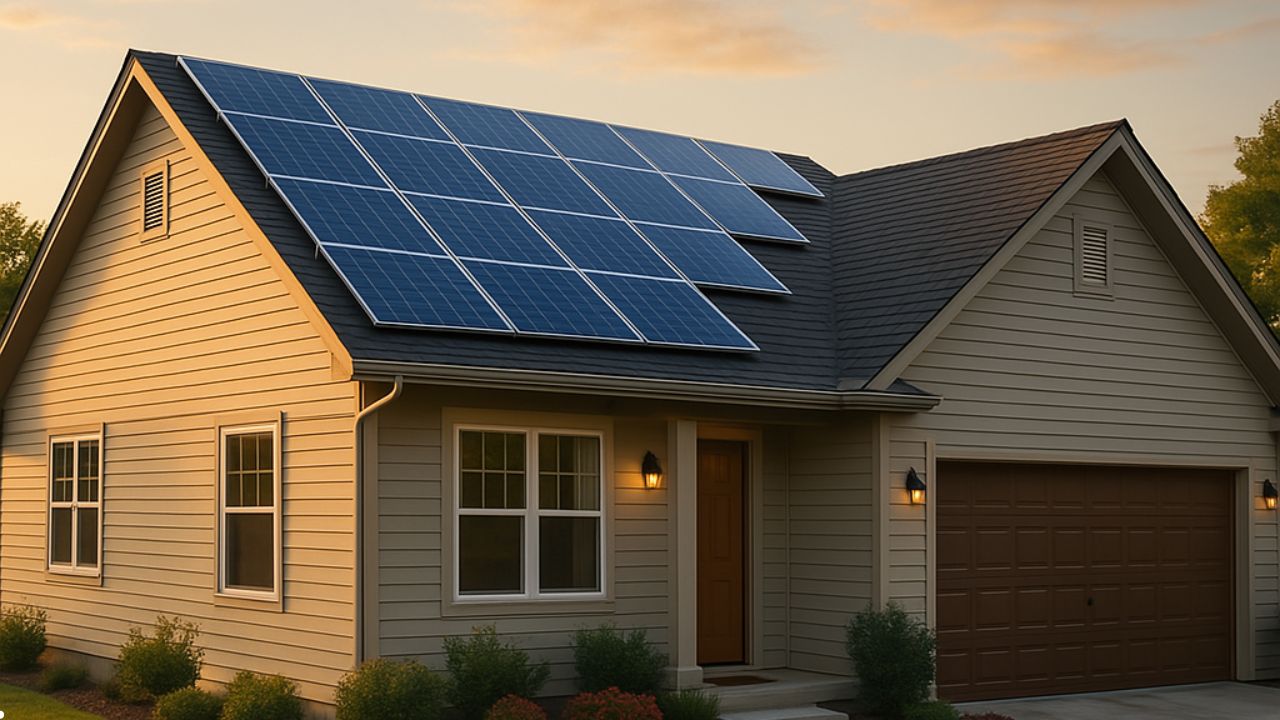
Despite The Solar Tax And The Increase In Import Taxes, 2025 Data Shows That Investing In Solar Energy Remains Beneficial And More Accessible Than Ever.
Solar energy has been the big bet for those looking to save on their electricity bill while also taking a step towards sustainability. But with so many changes in the rules and the famous “solar tax” coming into effect, is it still worth investing in this type of system in 2025?
Even with the challenges posed by heavier tariffs and taxes, the latest figures show that solar energy not only remains worthwhile but is also more attractive than ever. Let’s understand why.
What Has Changed In Solar Energy Since 2023?
Since the beginning of 2023, when the so-called “solar tax” came into effect, distributed generation systems started to pay the System Use Tariff (TUSD) basically, a toll for those who use the conventional electricity grid as support for the solar system. This change caused a stir and made many people give up on installing their panels at that time.
-
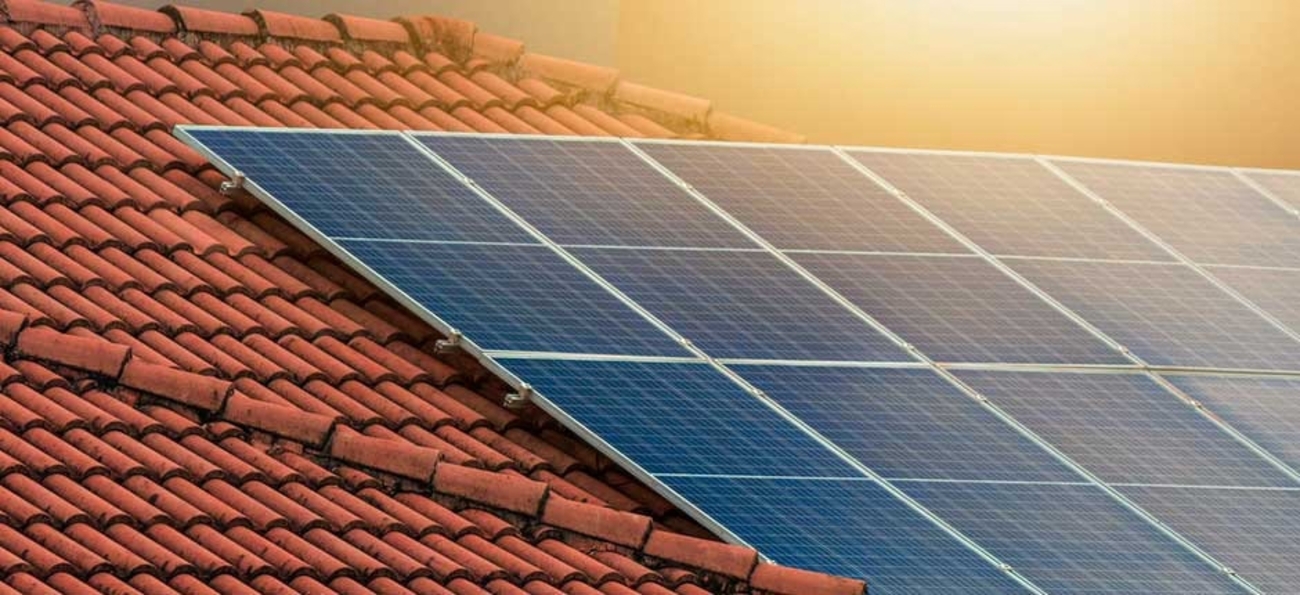
Roraima bets on the sun to escape high tariffs: Amid the energy crisis and price hikes, solar energy is growing in Roraima and transforming consumption in the North region.
-
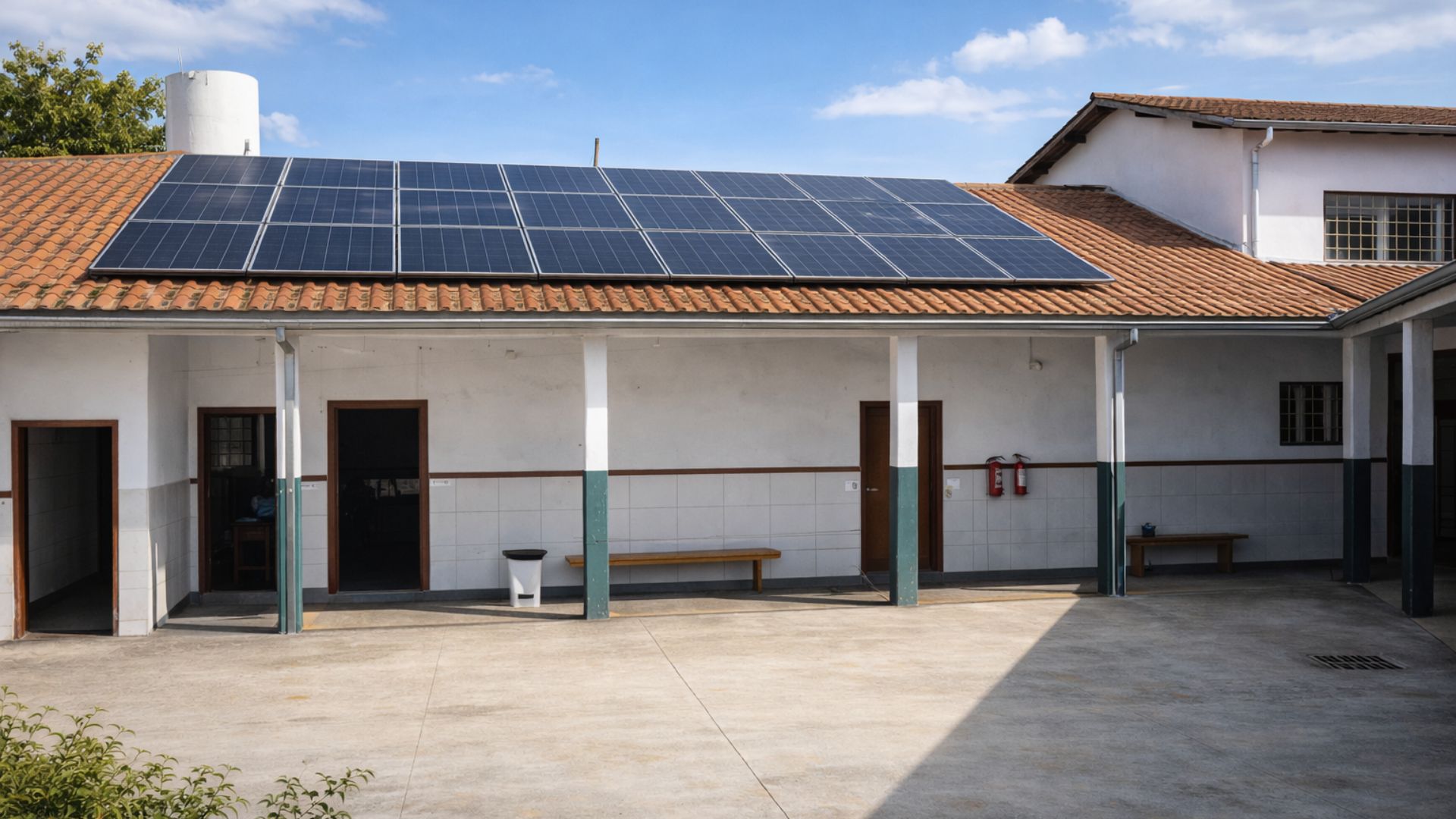
Copel boosts solar energy in Paraná and brings innovation to public schools, promoting savings on electricity bills, energy efficiency, and a direct impact on the quality of education.
-
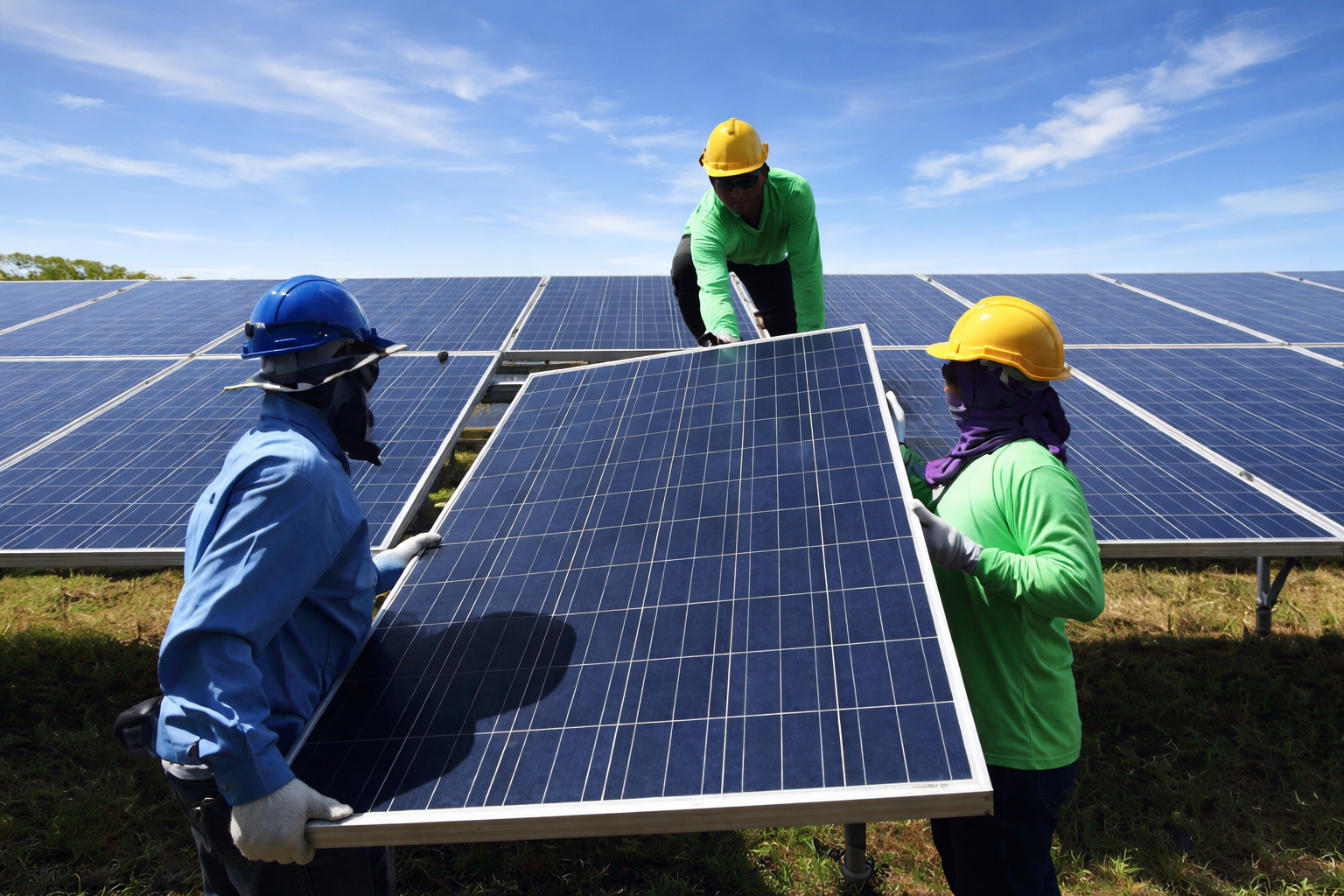
Brazil reaches historic milestone in solar energy: Sector surpasses 2 million accumulated green jobs and generates billions in the national economy even under market pressure.
-
Minas Gerais takes the lead in renewable energy: State surpasses historic mark of 14 GW in solar energy generation in MG and consolidates dominance in the Brazilian electric sector.

Additionally, in November 2024, the federal government increased the import tariff on photovoltaic modules from 9.6% to 25%, also ending the exemption quota that existed until December. The expectation was that this would increase the cost of systems. But here’s the surprise: despite these changes, system prices continued to fall.
According to the latest survey by the consultancy Greener, released in March 2025, the prices of photovoltaic systems up to 75 kW installed on rooftops saw an average drop of 36.47% between January 2023 and January 2025. For systems above 150 kW, the reduction was even greater: 38.4%. This is mainly due to the reduction in the cost of the modules themselves, which represent a good portion of the total investment.
Even With Tax Increase, Prices Fell
Theoretically, the increase in the import tariff on modules should have raised the final cost of the systems. But the reality was different. Even with the tax hike and the end of the exemption, the market adapted quickly.
Comparing the prices from January 2024 with those from January 2025, systems up to 75 kW still recorded a decrease of 9%, while systems above 150 kW saw a reduction of 16%. In other words, even with the unfavorable tax scenario, solar energy has become cheaper for the end consumer.
These data show that the sector has remained resilient, with suppliers optimizing processes and seeking ways to compensate for the tax increase. The result: the impact on the consumer’s wallet was less than expected, and access to renewable energy continues to expand.
And The Payback? How Long Does It Take For The Investment To Pay Off?
The payback period is one of the main factors considered by those thinking about investing in solar energy. And the good news is that, despite all the changes, the payback time decreased in 2025.
For residential systems of 4 kW, for example, the average return time is now 3.2 years, a decrease of 10.6% compared to January 2024. In states with fewer incentives, the payback fell from 4.8 years to 4.4 years. In the most favorable states, the payback went from 2.8 years to 2.6 years.
Commercial systems of 50 kW recorded one of the best performances: the average payback is 1.9 years, a reduction of 9.8% compared to the previous year. This shows that, especially for companies, investing in solar energy remains a strategic economic decision.
Renewable Energy: Why Insist On It In 2025?
Even with all the challenges, investing in renewable energy is a decision that goes far beyond savings. Solar energy systems help reduce dependence on utility companies, protect against future increases in energy tariffs, and enhance property value.
Additionally, it is one of the most sustainable ways to generate energy, directly contributing to the reduction of greenhouse gas emissions and helping Brazil meet its climate goals. In the global context, investing in clean energy is no longer an option: it’s a necessity.
The answer to the question that opens this text is simple: yes, it is definitely worth it to install solar energy in 2025. Even with taxes and regulatory changes, the data shows that systems are cheaper, returns are quicker, and demand continues to grow.
If you are considering this investment, it is worth consulting serious suppliers and seeking technical guidance to ensure the best possible installation. And don’t forget: a solar energy system also requires maintenance, so pay attention to service quality and equipment.
The transition to a cleaner and more sustainable matrix involves choices like this. And in 2025, everything indicates that solar energy remains one of the best bets in renewable energy.
Source: E4 Renewable Energies









Seja o primeiro a reagir!