





 Portuguese
  English
  Spanish
  4 min of reading
  0 comments



Researchers Warn That Climate Change And Pollution May Reduce The Performance Of Solar Panels, Compromising Clean Energy Targets By 2030.
When we talk about solutions for a more sustainable world, solar energy always appears as one of the main bets. And in India, this is no different: the country has ambitious plans to install 100 GW of solar energy by 2030, positioning this matrix at the center of its strategies to face climate change. But a recent study has brought an important warning: high pollution and rising temperatures may compromise the efficiency of solar panels and, consequently, reduce the country’s energy potential.
Solar Energy And The Challenges Of The Future
Researchers from the Centre for Atmospheric Sciences at the Indian Institute of Technology (IIT) Delhi analyzed how climate change and air pollution can impact the performance of solar photovoltaic systems (SPV). Using climate data from 1985 to 2014 as a basis, the study predicts that, between 2041 and 2050, the efficiency of solar panels may drop by 3.3%. This decrease may seem small, but it represents a considerable loss: between 600 and 840 gigawatt-hours (GWh) of energy less per year.
The reduction occurs due to two main factors: the increase of aerosols in the atmosphere—particles that decrease the incident solar radiation—and the rise in temperatures, which hampers the optimal functioning of photovoltaic cells. India, which receives about 300 days of sunshine per year, is already experiencing the phenomenon known as “solar dimming,” caused by pollution.
-
Solar cells have just achieved the “impossible” with this 130% breakthrough.

-
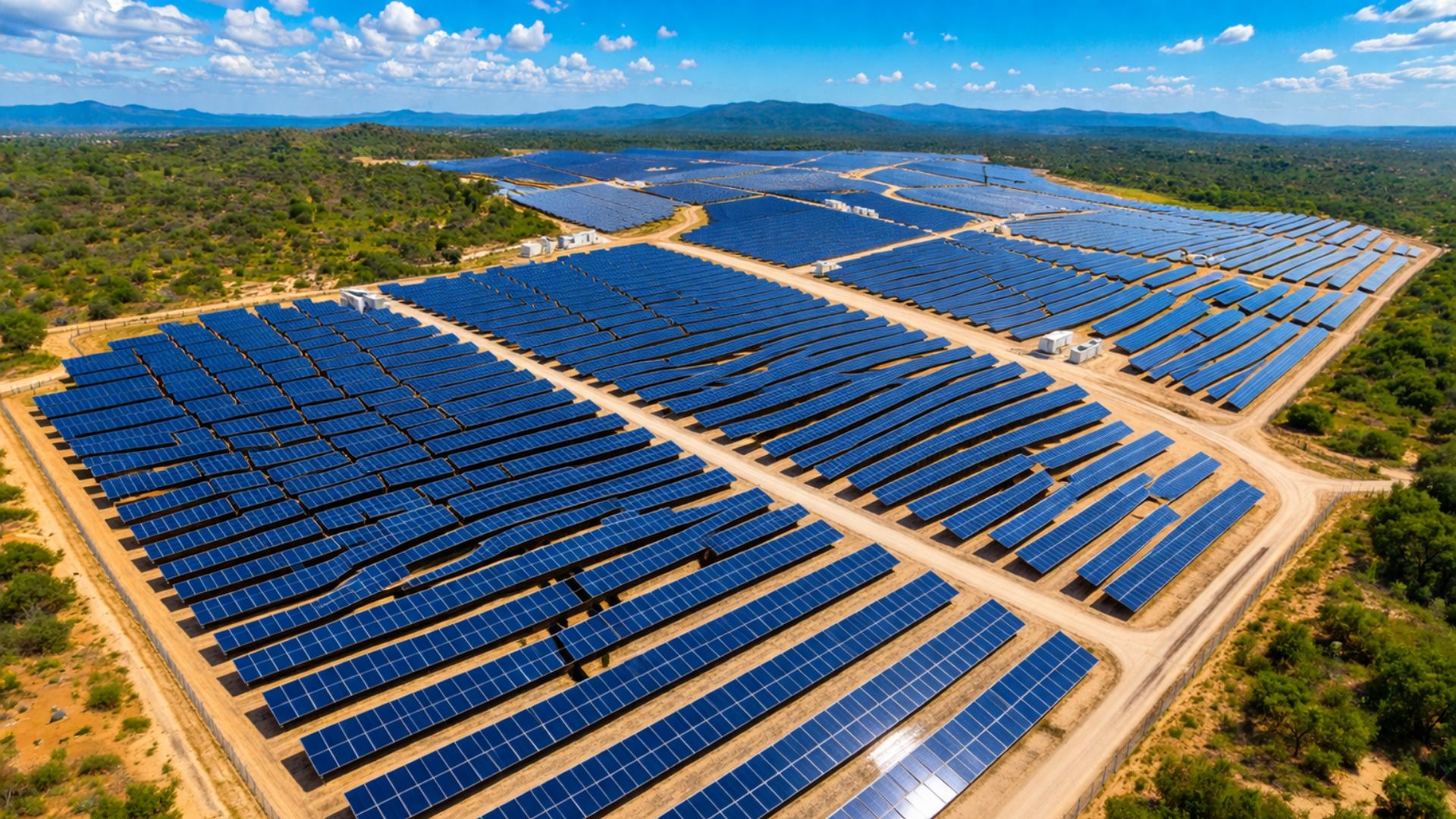
The Sol do Agreste Photovoltaic Complex begins operations in Pernambuco and accelerates the expansion of solar energy in Brazil, directly impacting the reduction of emissions and strengthening the sustainable energy matrix.
-
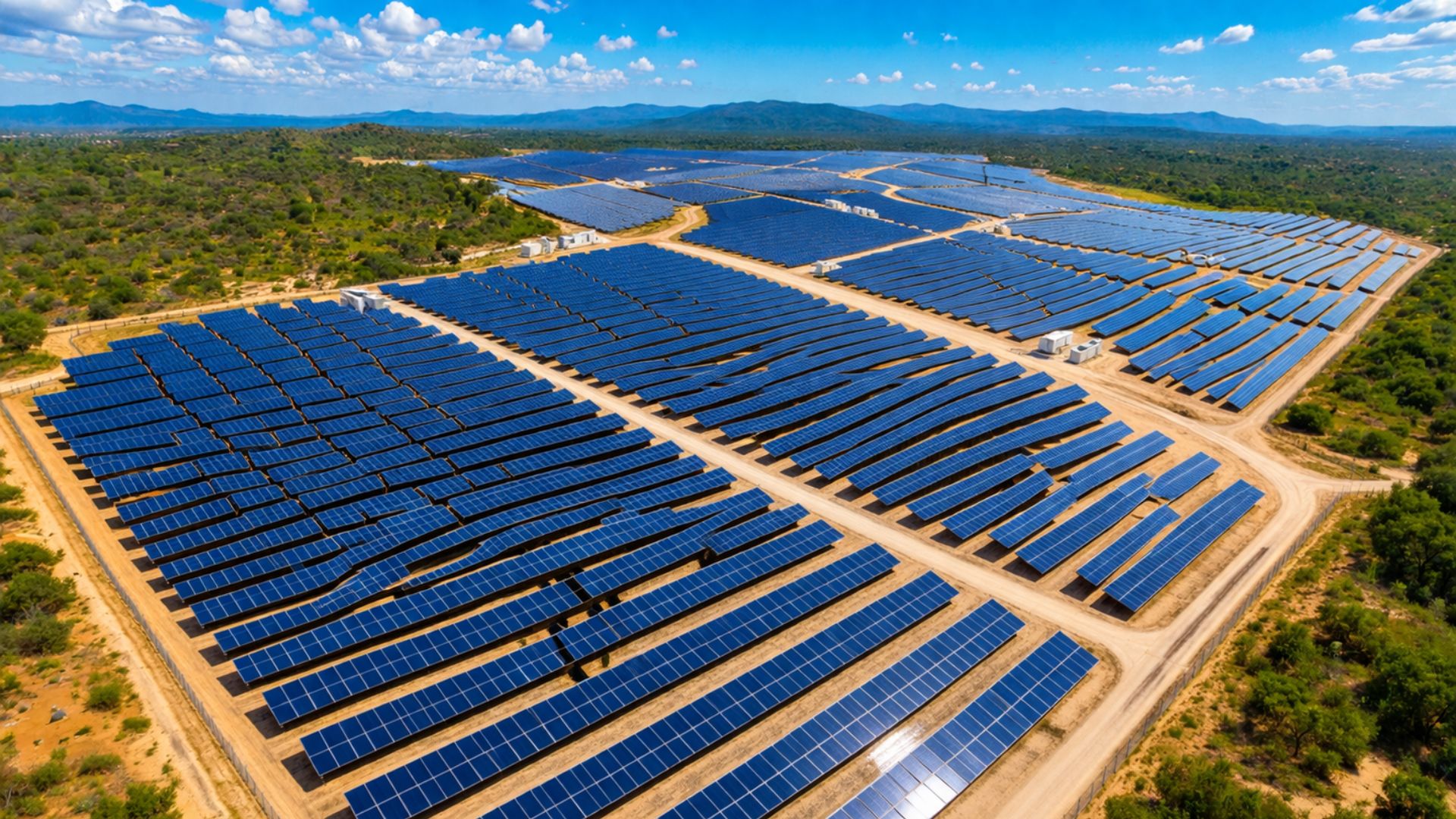
The Sol do Agreste Photovoltaic Complex begins operations in Pernambuco and accelerates the expansion of solar energy in Brazil, directly impacting the reduction of emissions and strengthening the sustainable energy matrix.
-
Roraima bets on the sun to escape high tariffs: Amid the energy crisis and price hikes, solar energy is growing in Roraima and transforming consumption in the North region.


The Impact Of Pollution And Climate Change
The study projected two possible scenarios for the future of solar energy in India. In the first, efforts to control pollution and mitigate climate change are moderate. In the second, there is strict control of pollution, but less intensive climate actions. Interestingly, the performance of solar panels was lower in the first scenario, highlighting that robust actions against air pollution can mitigate losses caused by reduced radiation.
According to the researchers, aerosols will continue to be a problem in much of the country, except in the northwest, where the Thar Desert will be more influenced by dust clouds. Additionally, rising temperatures will increase the number of days that solar cells operate above 45 degrees Celsius, a critical limit for the efficiency of panels. This increase can range from 18 to 26 days per year, depending on the analyzed scenario.
Where Solar Energy Will Be Most Affected?
India is divided into five major power grids: north, south, west, east, and northeast. According to the study, the number of days rich in solar energy, i.e., those when the solar radiation is sufficient to generate energy, is expected to decline in all regions. The northern, western, and southern grids, which house most of the country’s solar parks, are expected to face the greatest challenges.
Under moderate pollution controls and climate action, the eastern power grid may experience a 5.1% drop in solar potential, followed by the north with 3.4%. In the scenario of strong pollution control but weak climate action, the western grid may suffer the largest decline, with a reduction of 2.7%. The only region with the potential for increased solar radiation is the northeast, due to a reduction in clouds in the area.
The Impact Of High Temperatures On Solar Panels
In addition to pollution, the rise in temperatures represents another challenge. Solar panels work best when the cells operate below 45 degrees Celsius. However, with the increase in global temperatures, more days will exceed this limit in India, impairing energy efficiency. This trend is more evident in highly irradiated regions, such as the northwest of the country.
To ensure the success of solar energy in India, experts advocate that it is essential to integrate climate resilience into solar infrastructure. This includes measures to mitigate the impacts of pollution and climate change, such as using more advanced technologies, investing in maintenance, and adopting sustainable practices.
The study emphasizes that ensuring cleaner air can reduce efficiency losses induced by radiation, while urgent climate actions can minimize heat impacts. These initiatives are crucial for India to achieve its goals of 500 GW of non-fossil energy capacity by 2030, of which 100 GW will be solar energy.









Seja o primeiro a reagir!