





 Portuguese
  English
  Spanish
  3 min of reading
  0 comments


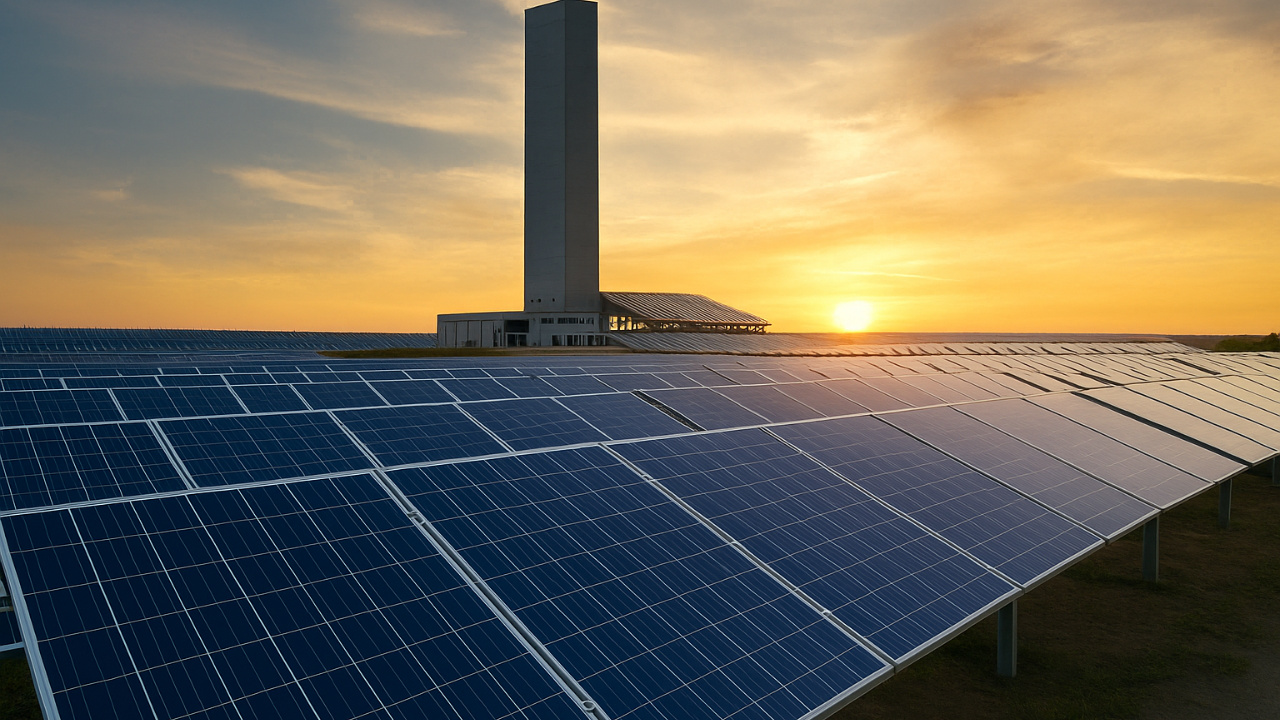
Absolar Projections Indicate Decline in Investments and Reduction of Installed Solar Power Capacity in 2026.
Brazil may face, in 2026, a new contraction in the solar energy market, according to unprecedented projections released byAbsolar.
The organization estimates what: a decline in investments and in the expansion of installed capacity in the country. Who: the Brazilian Association of Photovoltaic Solar Energy.
When: projections for 2026.
-
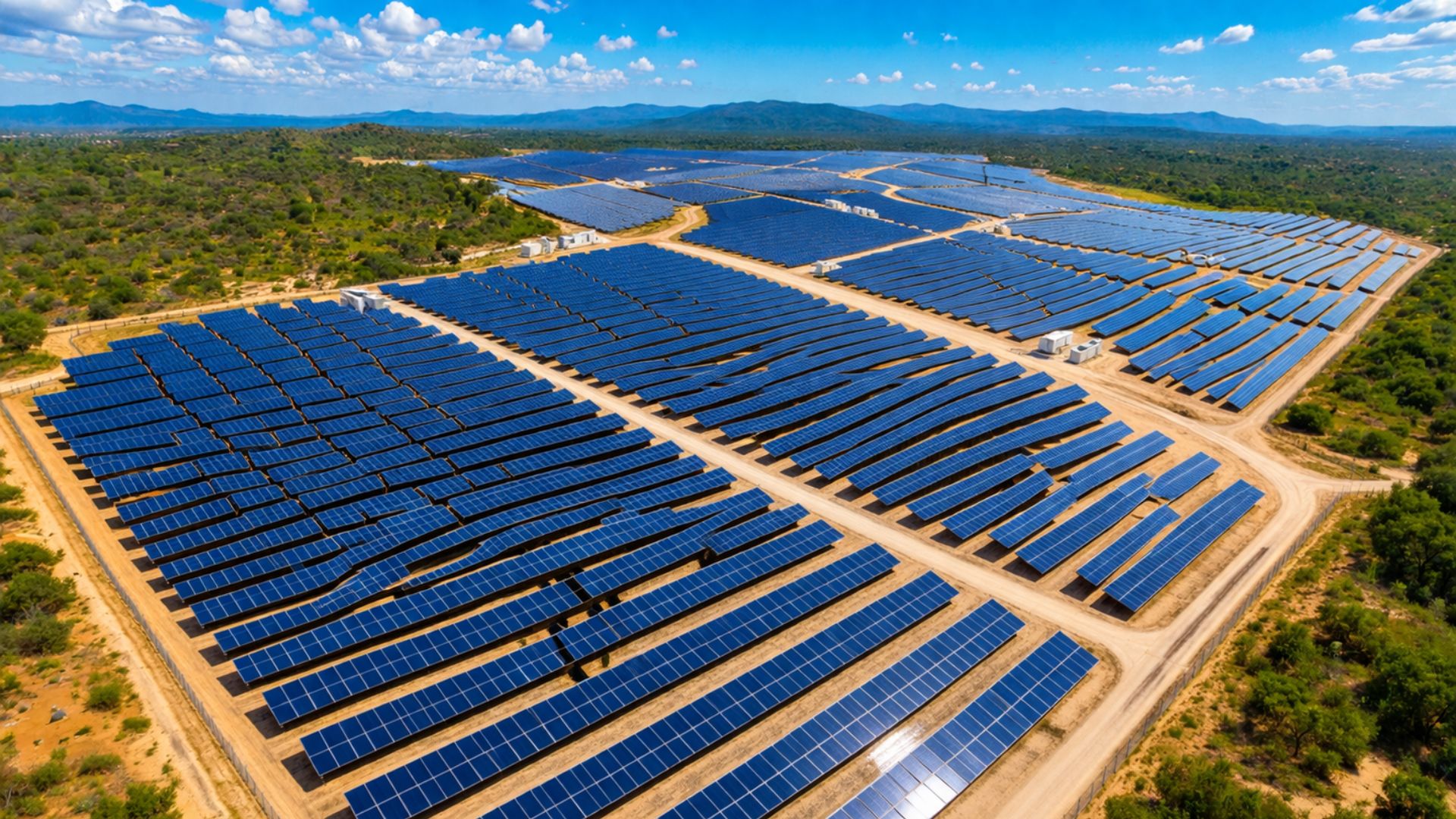
The Sol do Agreste Photovoltaic Complex begins operations in Pernambuco and accelerates the expansion of solar energy in Brazil, directly impacting the reduction of emissions and strengthening the sustainable energy matrix.
-
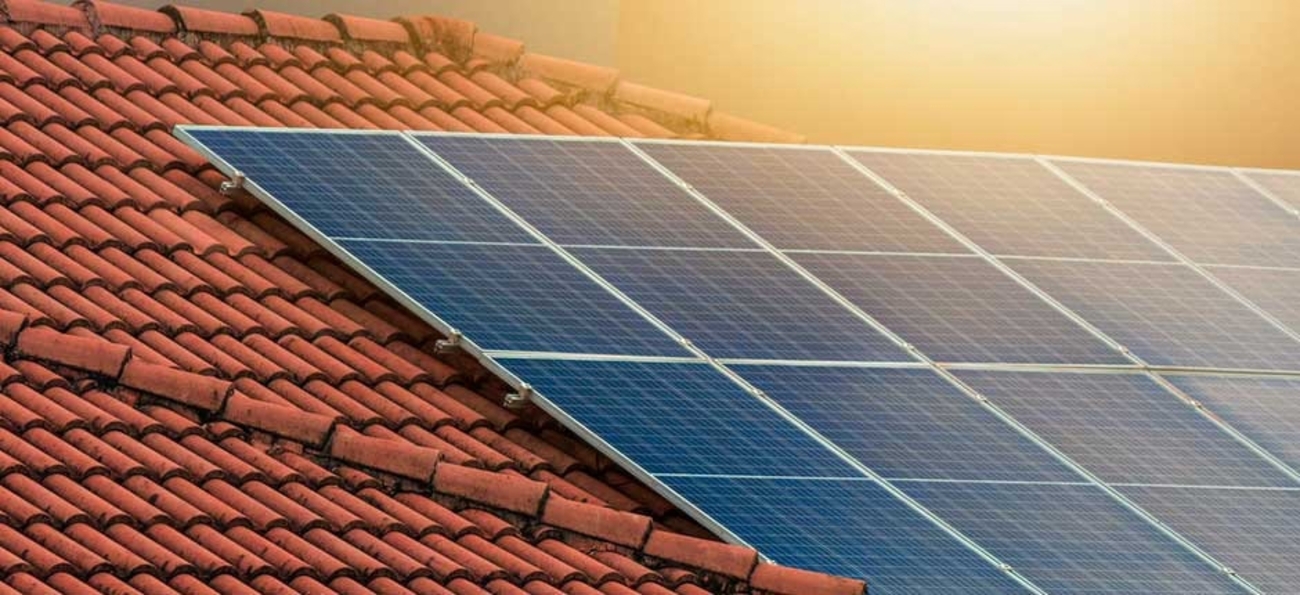
Roraima bets on the sun to escape high tariffs: Amid the energy crisis and price hikes, solar energy is growing in Roraima and transforming consumption in the North region.
-
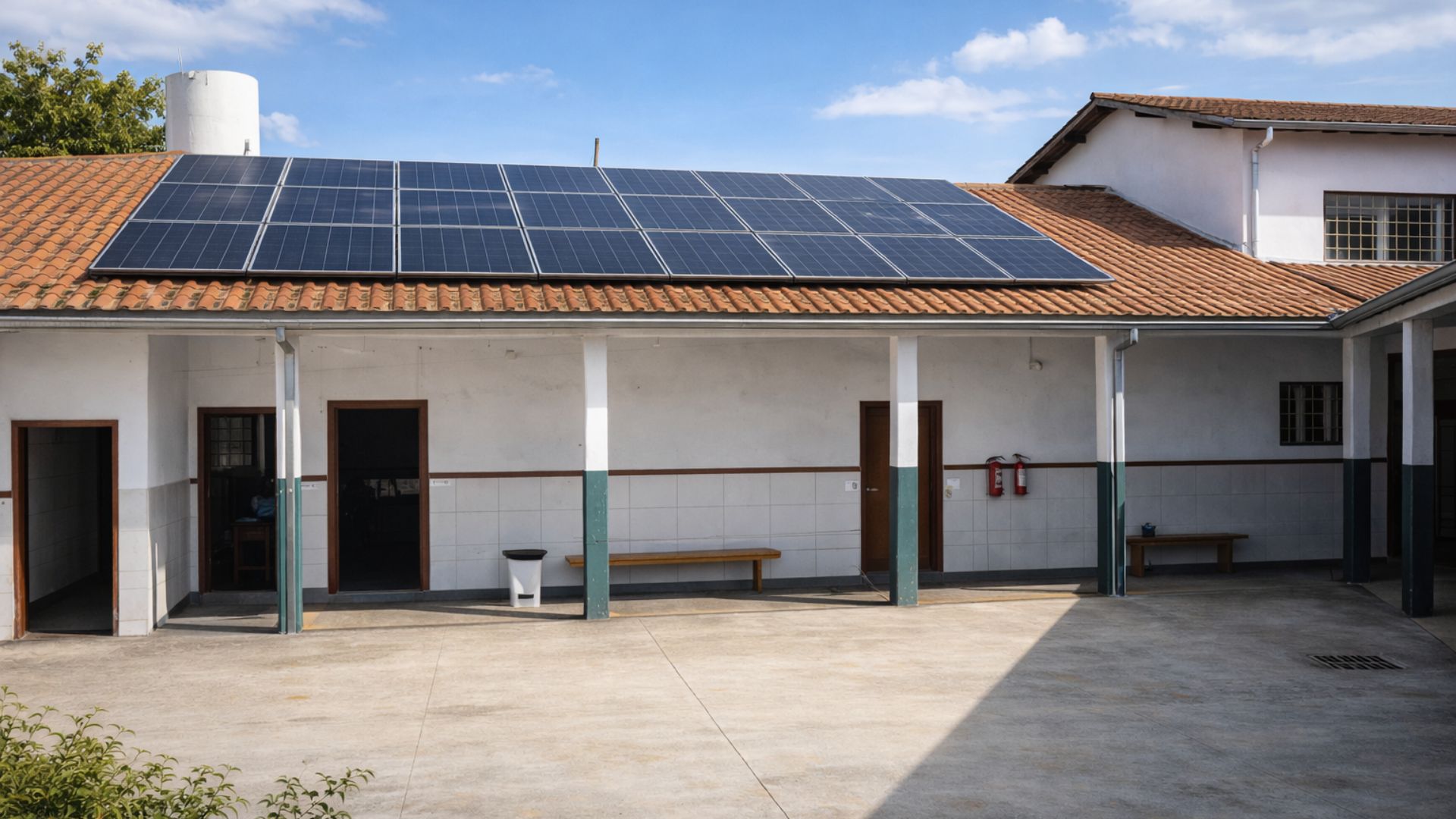
Copel boosts solar energy in Paraná and brings innovation to public schools, promoting savings on electricity bills, energy efficiency, and a direct impact on the quality of education.
-
Brazil reaches historic milestone in solar energy: Sector surpasses 2 million accumulated green jobs and generates billions in the national economy even under market pressure.

Where: throughout the national territory.
How: with a reduction in the pace of deployment of large plants and self-generation systems.
Why: due to financial, regulatory, and structural factors that have been pressing the sector since 2024.
The analysis indicates that Brazil will move towards the second consecutive year of sector contraction, a trend that contrasts with the record growth observed in 2024.
Thus, the market enters 2026 in a slowdown, despite the increasing demand for renewable energy in the country.
Investments in Solar Energy Are Expected to Decline for the Second Consecutive Year
AAbsolarprojects a reduction of approximately 7% in the installation of new solar energy projects in 2026, compared to the volume projected for 2025.
The expectation is that the sector will add 10.6 GW of installed capacity, a number lower than the 11.4 GW estimated for 2025.
The scenario for 2025, in turn, already represented a sharp decline compared to the previous year: the country is expected to end the period with 24% less expansion than the 15 GW added in 2024. Therefore, the trend of a downturn is solidifying.
Why the Sector Contraction Is Worsening
The sector contraction has distinct origins in both fronts of the solar chain.
Inlarge plants, the central problem is financial: generators are facing recurring losses due to the lack of compensation after generation cuts.
These cuts, known as “curtailment”, occur when the electrical system reduces production to maintain grid safety.
In small and medium systems, installed by consumers seeking to generate their own energy, the hindrance is the connection denials.
Distributors have claimed the network’s incapacity and power flow reversal to refuse new installations, a movement that has frustrated the expansion of distributed generation.
Furthermore, Absolar highlights that the cost of capital in Brazil, with interest rates close to 15% per year, hinders access to credit.
The volatility of the dollar and the high import tax on photovoltaic equipment increase the final cost, reducing the attractiveness of investments in solar energy.
Installed Capacity Grows, But at a Slower Rate and Below Potential
Even with the adverse scenario, the solar source is expected to reach 75.9 GW of installed capacity by the end of 2026.
Of that total, 51.8 GW will come from small and medium systems and 24.1 GW from large plants connected to the National Interconnected System (SIN).
Still, the reduced pace concerns the sector, which believes that the country could advance more quickly if financial and regulatory obstacles were resolved.
Investments, Jobs, and Revenue Are Also Declining
The impacts of the contraction are not limited to installed capacity.
Absolar estimates that investments in photovoltaic energy will fall from R$ 40 billion in 2025 to R$ 31.8 billion in 2026.
This reduction will have direct repercussions on the labor market.
Thus, the projection indicates 319.9 thousand new jobs created in 2026, a significantly lower number than the 396.5 thousand positions expected for this year.
Public revenue will also suffer: it is expected to fall from R$ 13 billion in 2025 to around R$ 10.5 billion in 2026.
Absolar Sounds Alarm and Calls for Policy Review to Resume Growth
Thus, in light of this situation, the Absolar emphasizes the need for urgent measures to stimulate investments and prevent the continuation of the sector contraction.
Among the points mentioned are improvements in the regulatory environment, a review of import tariffs on equipment, and mechanisms that guarantee financial security for generators.
For the entity, without structural changes, Brazil risks slowing down precisely in one of the most promising renewable energy markets in the world.







-

Uma pessoa reagiu a isso.