





 Portuguese
  English
  Spanish
  6 min of reading
  0 comments


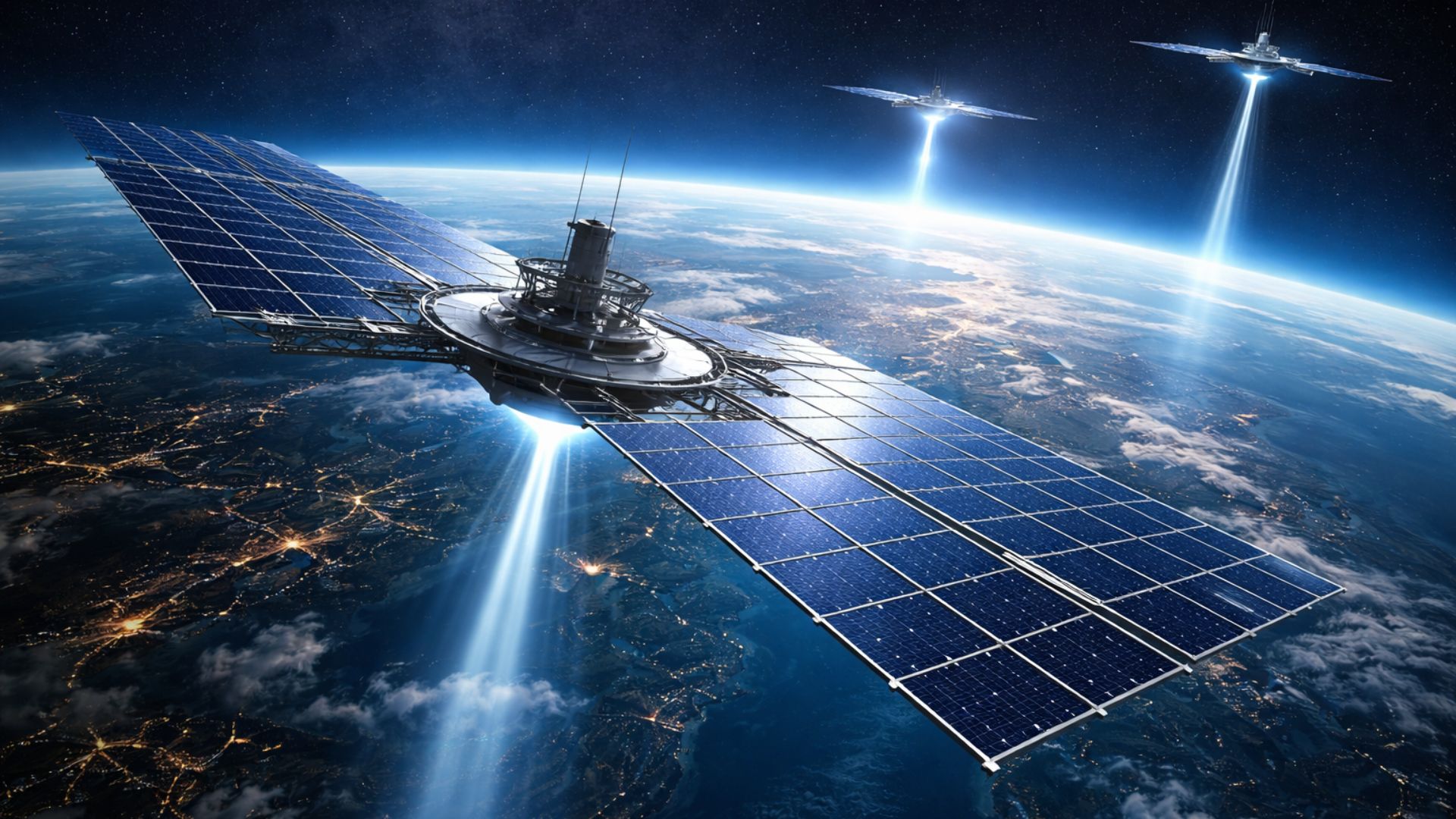
Unprecedented Advancement in Clean Technology Shows How Space Solar Energy Took New Steps After a Test with Cessna Plane, Confirming Wireless Energy Transmission by Laser
At the end of November, a U.S. startup managed to demonstrate, outside of a laboratory environment, that it is possible to transmit wireless energy with high precision from a moving platform, marking a significant advance for use in solar energy from space. According to a report published by CNN Brazil this Wednesday (21), the experiment used a test with an airplane, specifically a turboprop Cessna, and proved that technologies considered futuristic can, in fact, operate in real conditions.
What Is Space Solar Energy and Why Is It Strategic?
The advancement was revealed by IEEE Spectrum, one of the most respected sources in science, engineering, and technological innovation. The experience was conducted by Overview Energy, a company that operates quietly while developing solutions aimed at Space Solar Energy, also known by the acronym SBSP (Space-Based Solar Power). This achievement reinforces the viability of a new form of electricity generation capable of transforming the global energy infrastructure.
Space Solar Energy is based on capturing solar radiation outside Earth’s atmosphere, where there is no interference from clouds, pollution, or day and night cycles. In orbit, solar panels receive light that is practically constant, which allows for a much more predictable energy production than that obtained in ground installations.
-
Roraima bets on the sun to escape high tariffs: Amid the energy crisis and price hikes, solar energy is growing in Roraima and transforming consumption in the North region.
-
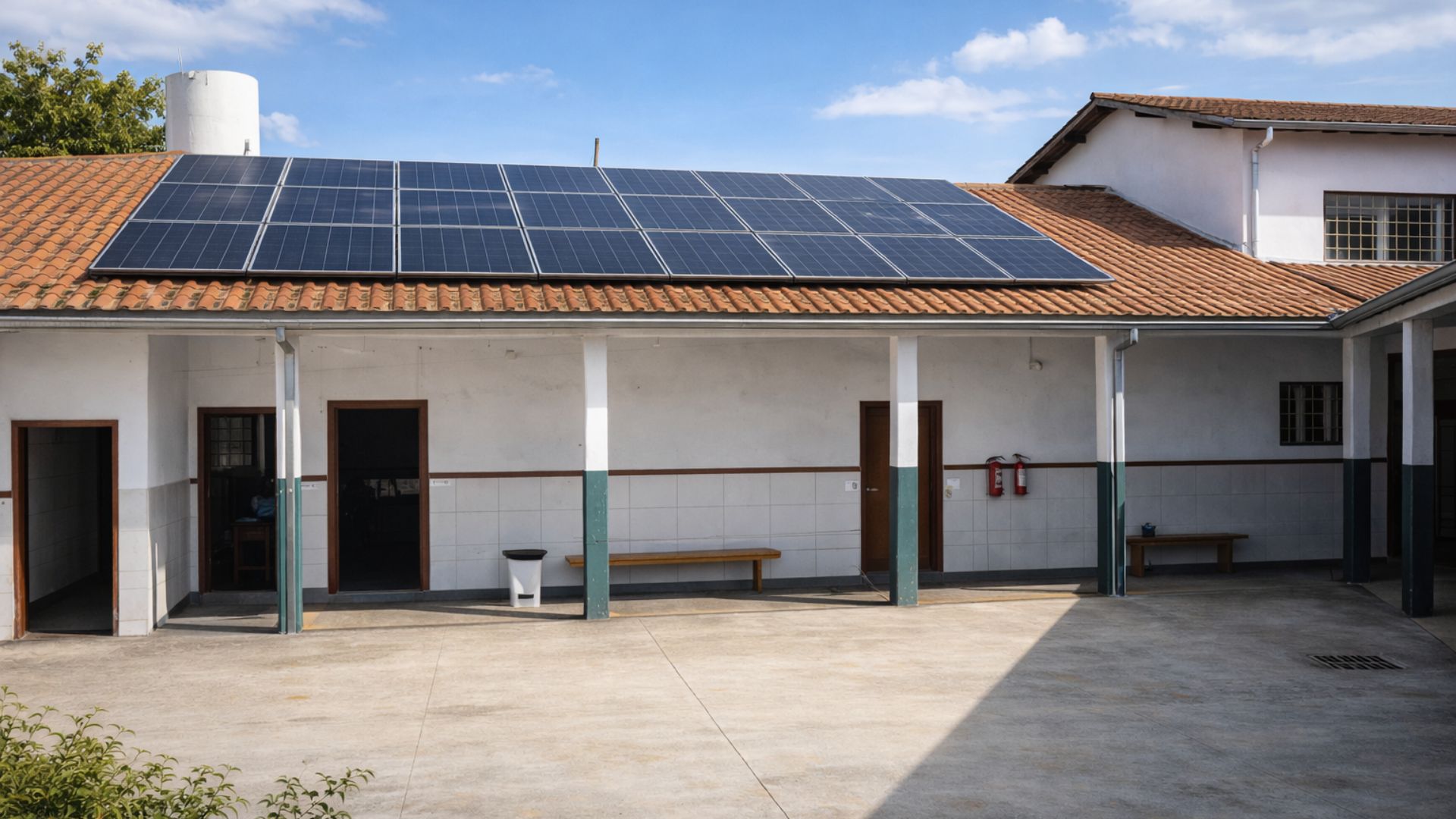
Copel boosts solar energy in Paraná and brings innovation to public schools, promoting savings on electricity bills, energy efficiency, and a direct impact on the quality of education.
-
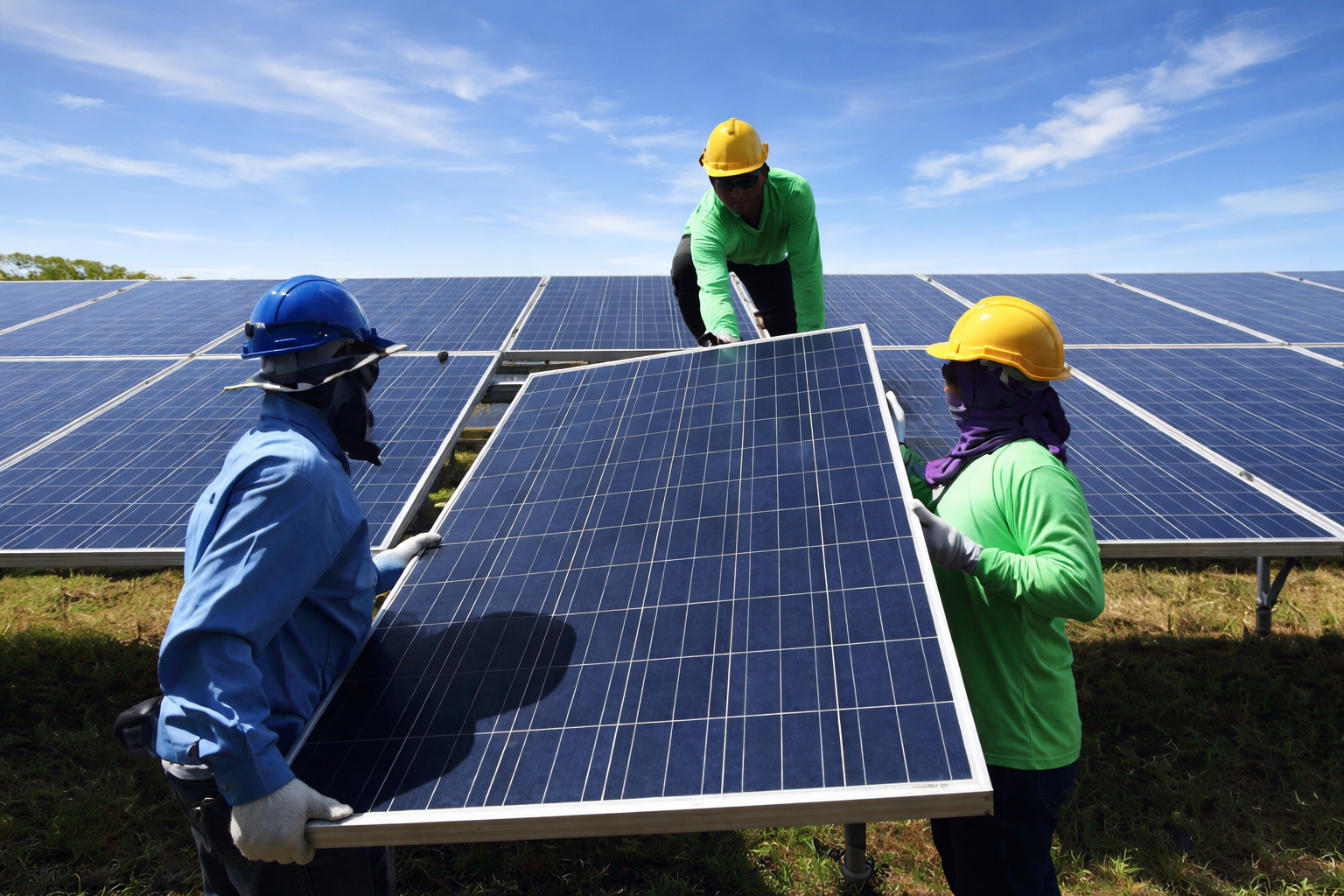
Brazil reaches historic milestone in solar energy: Sector surpasses 2 million accumulated green jobs and generates billions in the national economy even under market pressure.
-
Minas Gerais takes the lead in renewable energy: State surpasses historic mark of 14 GW in solar energy generation in MG and consolidates dominance in the Brazilian electric sector.
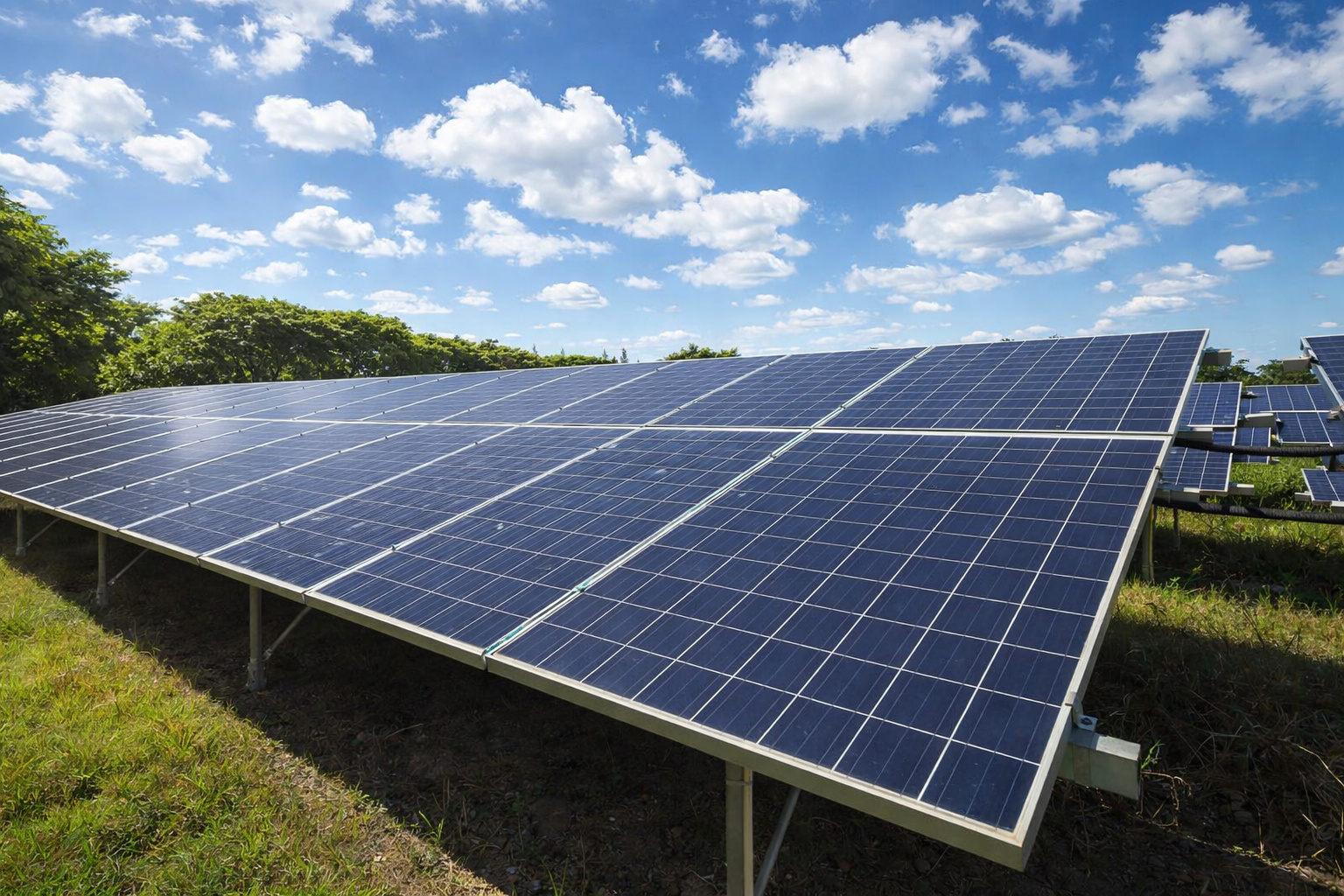

The significant difference lies in the transmission of the generated electricity as wireless energy to the Earth’s surface. Instead of cables or physical grids, the energy is converted into electromagnetic waves or optical beams and sent directly to receivers on the ground.
This concept has been studied for decades by space agencies and universities but has always faced significant technical challenges, particularly related to efficiency and signal alignment. The recent test with an airplane represents a concrete advancement, as it proves that these obstacles can be overcome with applied engineering and high-precision tracking systems.
Airplane Test and Cessna Transform Theory into Applied Engineering
The heart of the experiment was precisely the test with an airplane conducted under real flight conditions. Overview Energy used a Cessna turboprop as an aerial platform to simulate the challenges of stability, speed, and alignment that an orbital system would face when transmitting wireless energy to Earth.
During the flight, marked by turbulence and constant position variations, the aircraft managed to keep the laser beam aligned with the receiver on the ground. This success validated, outside the laboratory, the integration between lasers, optical systems, tracking sensors, and receivers. The result transformed a theoretical hypothesis into a practical demonstration of functional engineering.
According to the company itself, operating the system in an airplane was more challenging than it would be in a satellite since the aerial platform presents more abrupt and unpredictable movements. This makes the achievement even more relevant for the future of Space Solar Energy.

Space Solar Energy and the Choice of Geostationary Orbit
Unlike other initiatives that prioritize low Earth orbit (LEO) satellites, Overview Energy’s strategy focuses on geostationary orbit (GEO), located about 35,800 kilometers above sea level. At this position, the satellite remains fixed in relation to a specific point on the planet.
This characteristic is essential for Space Solar Energy, as it enables continuous capture of sunlight and facilitates stable direction of wireless energy to the surface. In GEO, the system can provide electricity even during the night in certain regions of the Earth, something impossible for conventional solar panels. The airplane test served as an intermediary step to validate the physical and technological principles before the definitive transition to the orbital environment.
Wireless Energy: Lasers Versus Microwaves
Historically, most Space Solar Energy projects used microwaves to transmit energy over long distances. This technology has good atmospheric penetration but requires large areas on the ground equipped with rectifying antennas, known as rectennas.
Overview Energy took a different approach by using lasers in the infrared spectrum. Lasers allow highly directed beams, greater power density, and more compact receivers, which reduces the need for dedicated infrastructure. On the other hand, this technology requires extremely precise alignment and is more sensitive to atmospheric conditions, such as clouds and water vapor.
The success of the airplane test demonstrated that this alignment can be maintained even with a moving platform, strengthening the feasibility of using lasers for wireless energy transmission from space.

Integration of Space Solar Energy with Ground Plants
One of the most innovative aspects of Overview Energy’s proposal is the possibility of integrating Space Solar Energy directly with existing solar farms. This would allow these plants to receive energy at night, when conventional photovoltaic panels are not generating electricity.
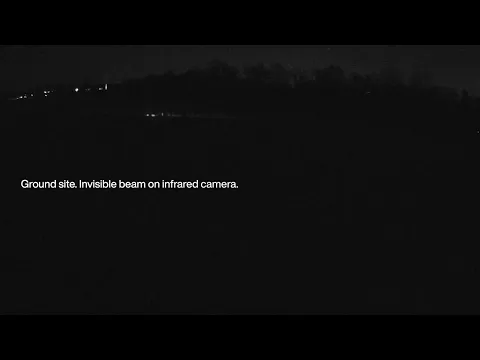
The wireless energy beam used in the system is invisible to the human eye, does not generate light pollution, and produces no noise. Additionally, the use of compact receivers minimizes environmental and social impacts, facilitating public acceptance of the technology. This hybrid model could significantly increase the capacity factor of solar plants, making renewable generation more constant and reliable.
CEO Statement and Validation of the Integrated System
For Marc Berte, CEO and founder of Overview Energy, the experiment represents a historic milestone. He emphasizes that it is not only the first demonstration of optical power transmission from a mobile platform at significant levels, but also the first time that all functional components of the system operated in an integrated and simultaneous manner.
Lasers, optics, tracking, and receivers operated cooperatively during the airplane test, successfully concluding the proof of concept phase of the Space Solar Energy developed by the company. This validation outside of the laboratory reduces technological risks and increases confidence in the scalability of the solution.
Next Steps After the Airplane Test
With the successful in-flight validation of the Cessna, Overview Energy has completed the initial development phase, internally described as “crawling.” The next step will be a demonstration in low Earth orbit, followed by commercial operation in geostationary orbit.
According to the company, the transition from aerial to spatial environments does not change the fundamental principles of the system. The lasers, optical chain, and physics of the receiver remain the same; what changes is the altitude. This technological continuity reinforces the credibility of the proposed timeline.

A New Horizon for Global Electric Distribution
The success of the airplane test repositions space solar energy as a concrete solution to the energy challenges of the 21st century. By demonstrating the precise transmission of wireless energy from a moving Cessna, Overview Energy has shown that the technology has surpassed the conceptual phase.
In a global scenario marked by the search for decarbonization, energy security, and reliable renewable sources, Space Solar Energy emerges as a complementary alternative capable of providing continuous, predictable, and clean electricity. What once seemed like science fiction is now solidifying as applied engineering, with the potential to redefine how energy is generated and distributed on a global scale.









-

Uma pessoa reagiu a isso.