





 Portuguese
  English
  Spanish
  4 min of reading
  0 comments


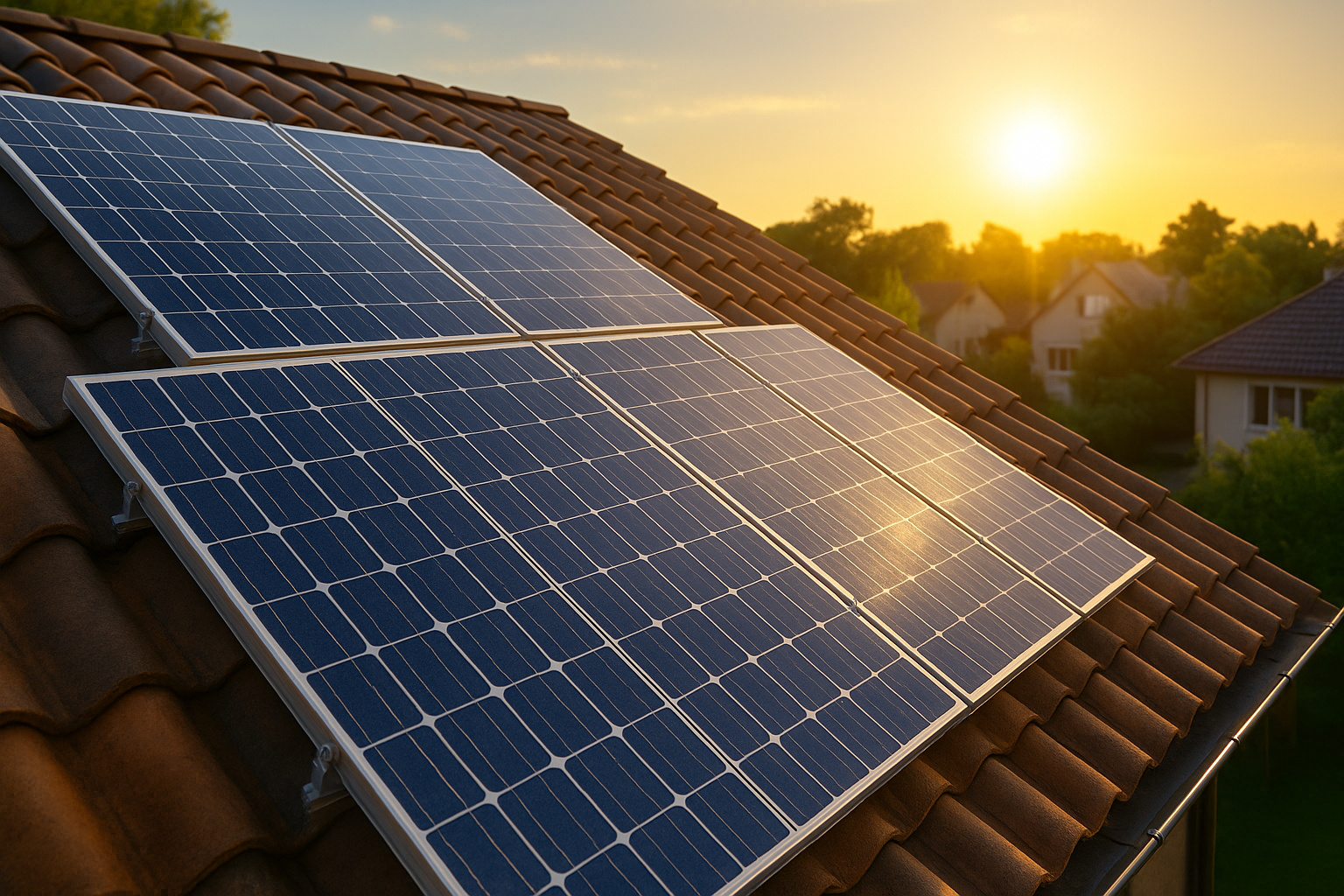
Discover How Solar Photovoltaic Energy Can Transform Your Routine, Reduce Costs, and Generate Sustainable Opportunities for Your Home and Business.
Solar photovoltaic energy has been revolutionizing the way people and businesses produce and consume electricity.
As highlighted by the Brazilian Association of Solar Photovoltaic Energy (ABSOLAR), this technology has established itself as a viable alternative to traditional sources, bringing economic, environmental, and social advantages.
Thus, the advancement of this technology increasingly appears on the rooftops of residences, in the countryside, and in large industrial centers.
-
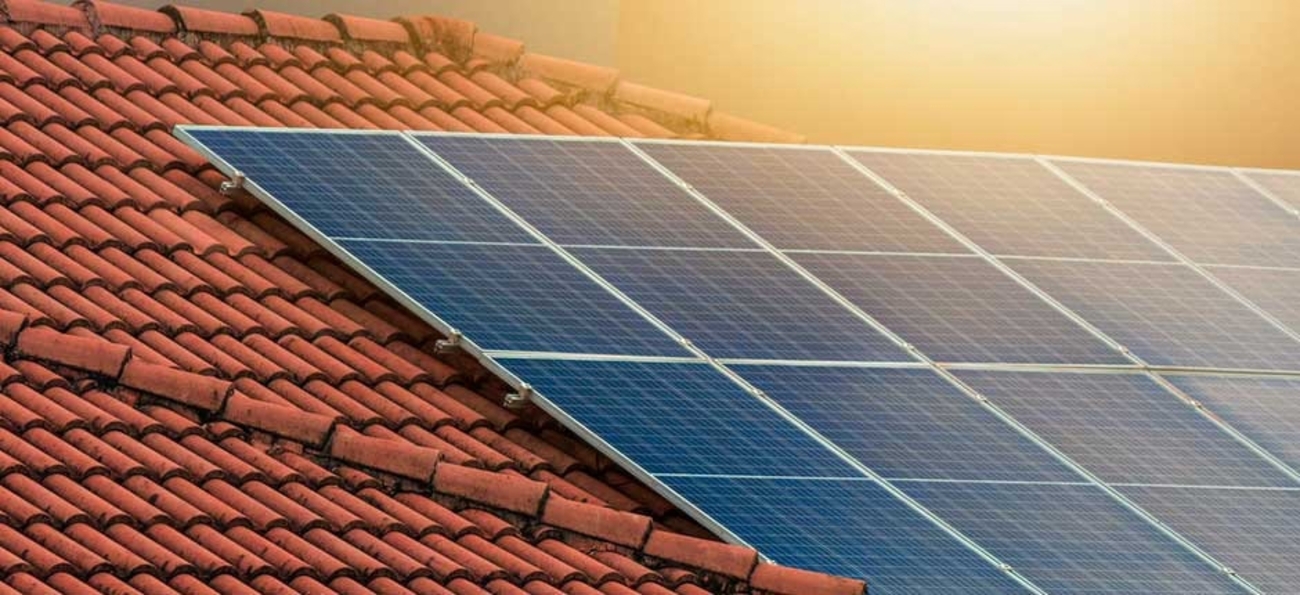
Roraima bets on the sun to escape high tariffs: Amid the energy crisis and price hikes, solar energy is growing in Roraima and transforming consumption in the North region.
-
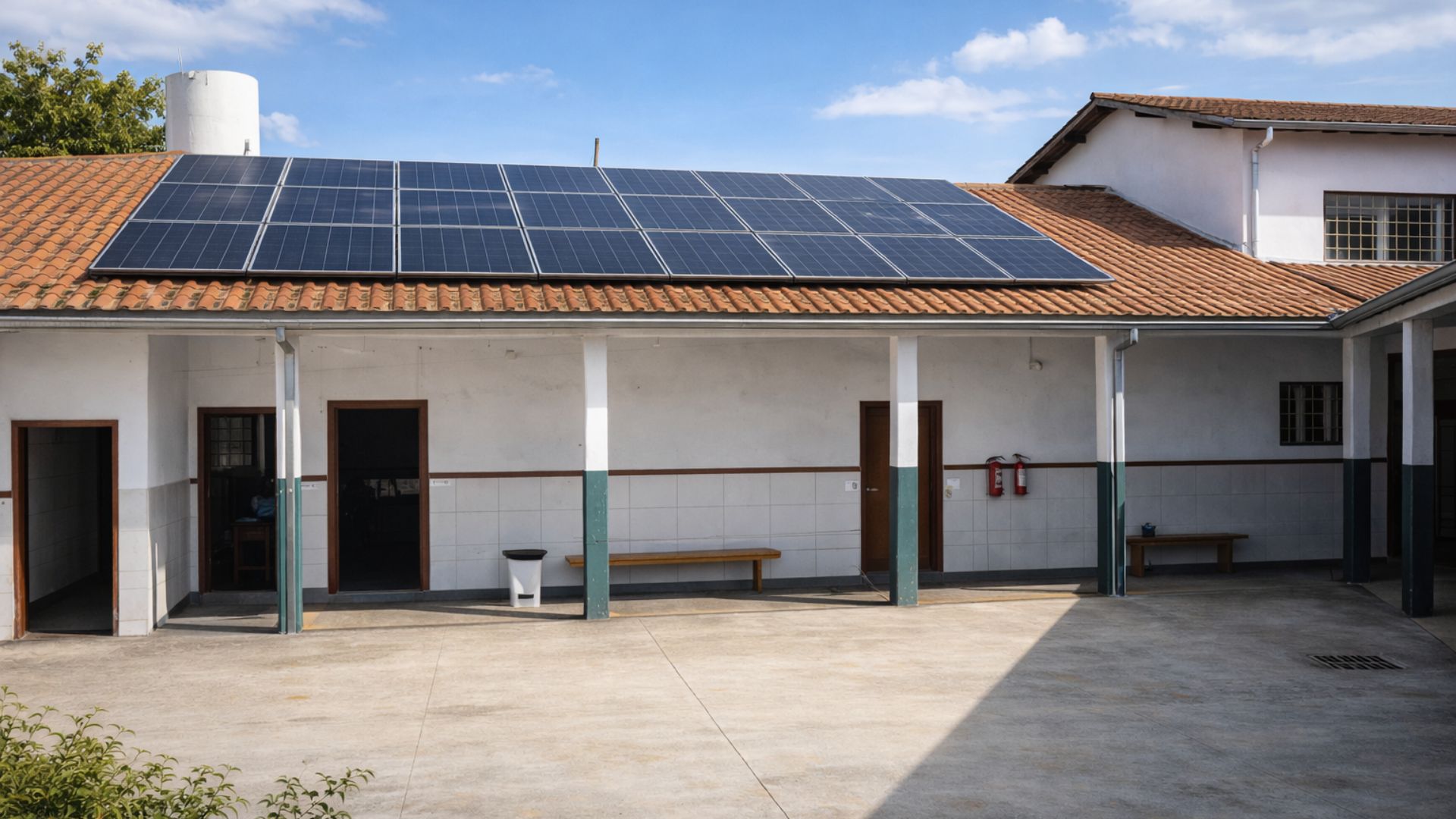
Copel boosts solar energy in Paraná and brings innovation to public schools, promoting savings on electricity bills, energy efficiency, and a direct impact on the quality of education.
-
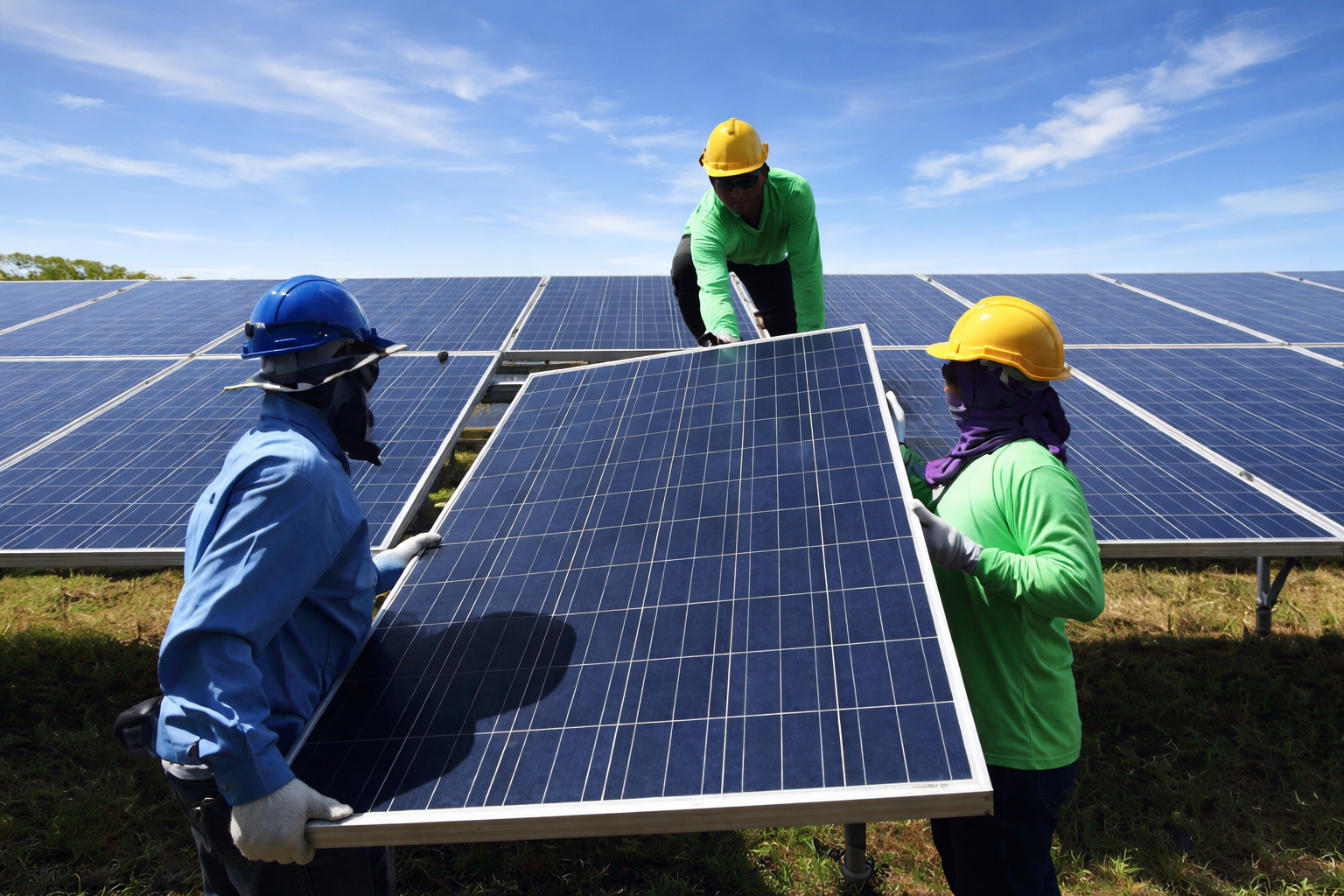
Brazil reaches historic milestone in solar energy: Sector surpasses 2 million accumulated green jobs and generates billions in the national economy even under market pressure.
-
Minas Gerais takes the lead in renewable energy: State surpasses historic mark of 14 GW in solar energy generation in MG and consolidates dominance in the Brazilian electric sector.
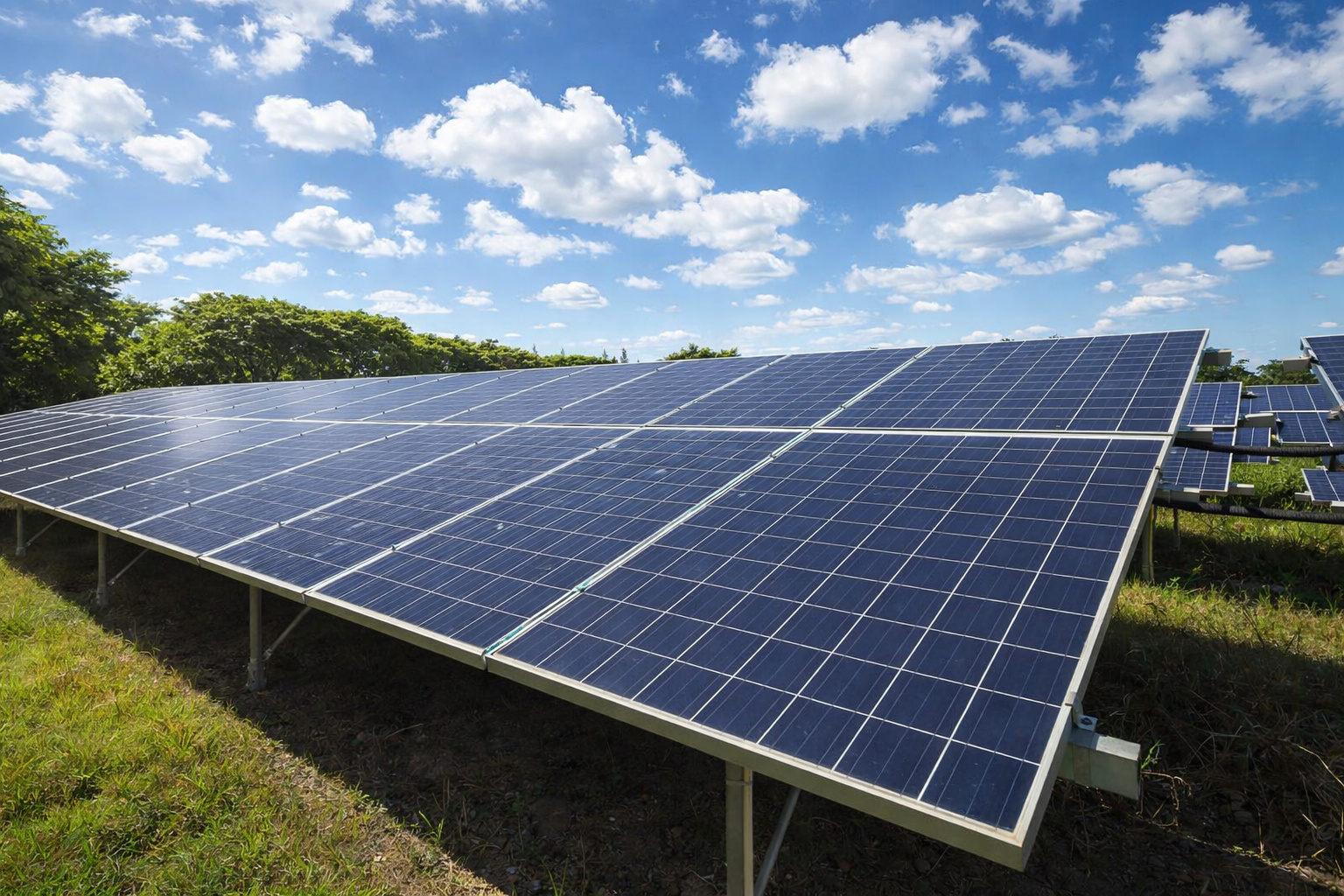

To understand this impact, it is essential to know its origin, operation, and benefits.
The Trajectory of Solar Photovoltaic Energy in the World and in Brazil
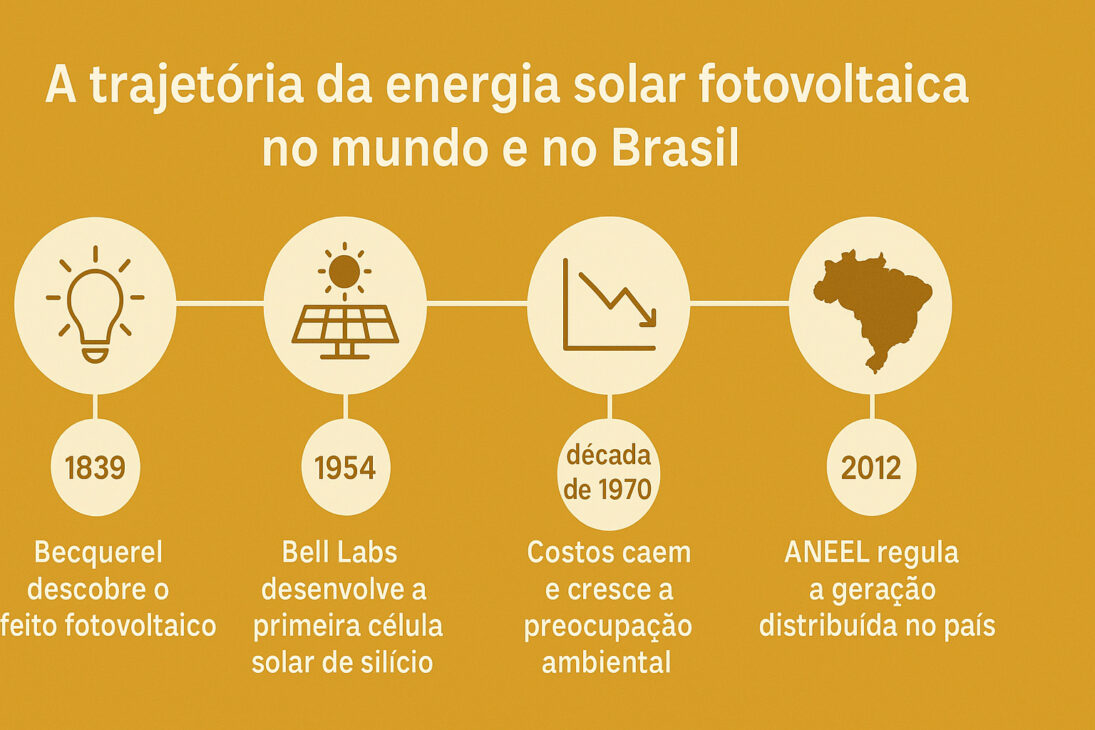
The discovery of the photovoltaic effect occurred in 1839 by the French physicist Alexandre Edmond Becquerel.
According to the National Academy of Sciences (NAS) of the USA, Becquerel noticed that certain materials generated electric current when exposed to sunlight, marking the beginning of studies on solar energy.
Only in 1954 did scientists from Bell Labs develop the first efficient silicon solar cell, according to the U.S. Department of Energy (DOE).
This advancement enabled the technology’s use in NASA satellites, demonstrating its practical potential.
With the reduction in production costs and increased efficiency, solar energy gained space outside laboratories.
Additionally, the growing environmental concern and supportive public policies accelerated its popularization.
In Brazil, the transformation intensified in 2012 when the National Electric Energy Agency (ANEEL) implemented Regulatory Resolution No. 482/2012, which regulated distributed microgeneration.
This measure allowed consumers to generate their own energy and compensate the surplus on the public grid, as highlighted by ANEEL in its annual reports.
According to ABSOLAR, by 2024 Brazil reached over 37 GW of installed solar power, positioning itself among the world leaders.
How Solar Photovoltaic Energy Works in Practice
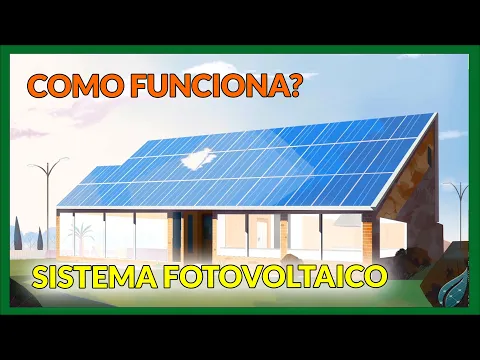
The process is simple and effective. The silicon cells in the panels capture sunlight and convert it into direct current electricity.
The inverter, in turn, transforms this energy into alternating current, usable in homes and businesses, as explained by ABSOLAR.
Systems can be connected to the electrical grid (grid-tie) or operate independently (off-grid), with the latter being ideal for remote locations, according to the National Bank for Economic and Social Development (BNDES).
Moreover, the system requires little maintenance, typically limited to periodic cleaning of the panels and technical inspections.
Modern technology also allows for remote monitoring, making it easier to track production and consumption in real-time.
Savings on Electricity Bills and Property Appreciation
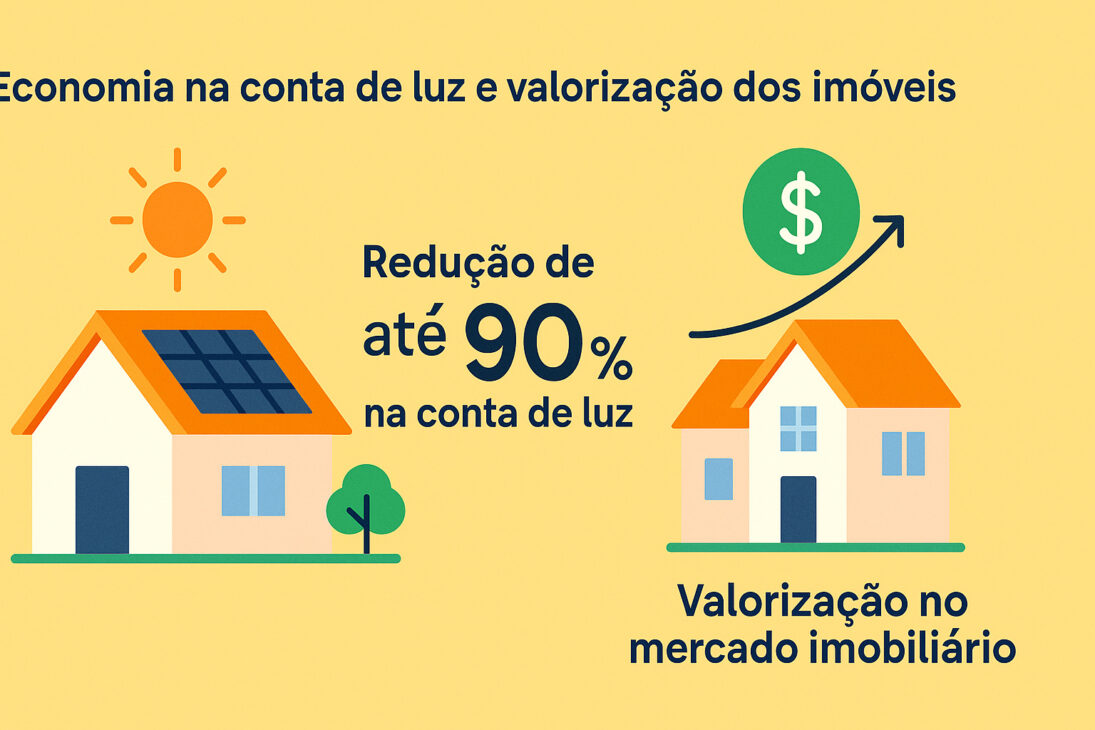
According to ANEEL and ABSOLAR, families that adopt solar photovoltaic energy can reduce their electricity bills by up to 90%.
This reduction brings greater financial stability, protecting against tariff increases.
In addition to the direct economic impact, properties with solar systems show appreciation in the real estate market.
The installation adds value to the property, as buyers recognize the benefits of clean energy and reduced costs, according to market analyses conducted by the Getúlio Vargas Foundation (FGV).
Some Brazilian municipalities also offer tax incentives, such as discounts on property taxes for sustainable properties, which further enhances the advantages, according to data from the Ministry of the Environment (MMA).
Competitive Advantages for Businesses and Rural Producers
In the business sector, solar photovoltaic energy contributes to significant reductions in fixed costs with electricity, increasing profitability, as highlighted by the National Confederation of Industry (CNI).
Companies that adopt sustainable practices gain credibility and brand appreciation.
Research from the Ethos Institute reveals that consumers prefer brands that invest in environmental responsibility.
In agribusiness, solar energy powers pumps, irrigation systems and refrigeration equipment in remote areas.
BNDES offers specific credit lines for projects of this type, facilitating access to technology for rural producers.
Growth of Solar Energy and New Technologies
Brazil stands out globally in the expansion of solar energy.
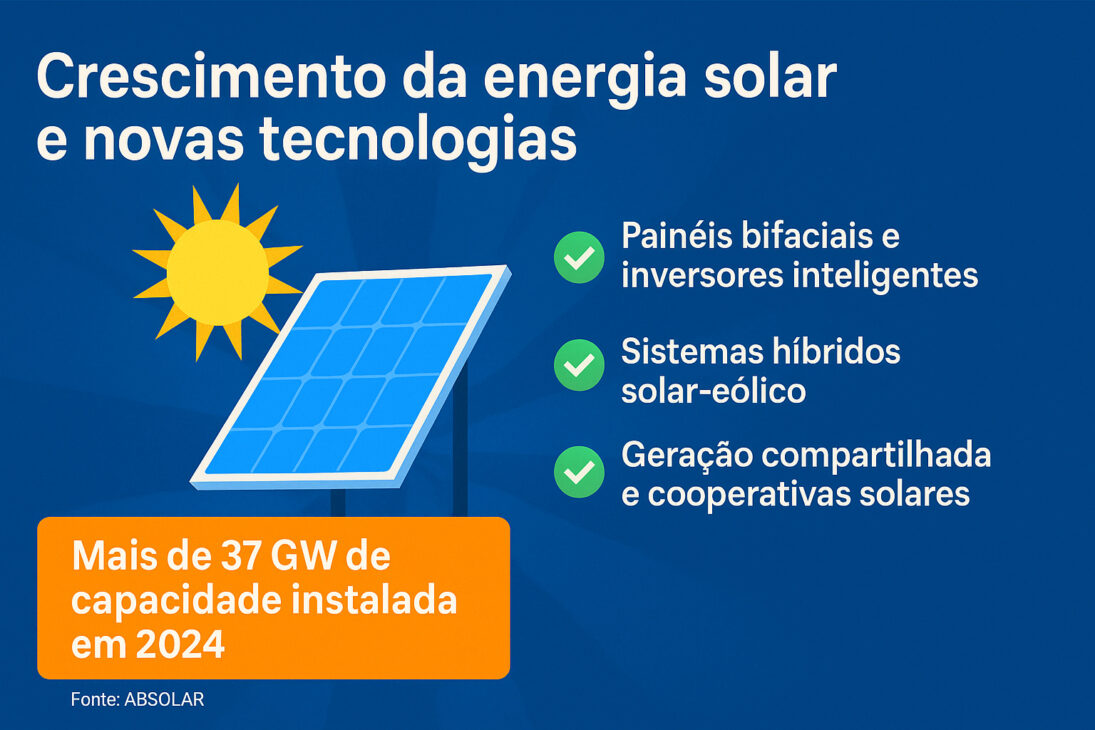
According to ABSOLAR, the installed capacity in the country surpassed 37 GW in 2024, driven by residential, commercial, and large-scale plants.
Moreover, technological advancements have been significant.
Bifacial panels and smart inverters increase system efficiency, while hybrid systems combine solar and wind energy, enhancing energy security.
Solar cooperatives and shared generation have democratized access to clean energy, especially in urban areas, according to the International Energy Agency (IEA).
Solar Energy as a Tool for Social Transformation
Solar energy promotes important social impact.
Projects for professional training in solar energy, supported by institutions such as the National Service of Industrial Learning (SENAI), have generated jobs and income in vulnerable communities.
NGOs and government programs implement solar systems in schools, health posts, and isolated rural communities, ensuring access to quality energy, according to reports from the United Nations Development Programme (PNUD).
Additionally, the installation of solar poles and community gardens powered by clean energy in peripheral urban areas reinforces citizenship and social inclusion, according to data from the Institute of Applied Economic Research (IPEA).
Solar photovoltaic energy goes beyond financial savings.
It proposes a change in lifestyle, promoting autonomy, sustainability, and social responsibility.
Investing in solar energy represents choosing a smart and sustainable future. As shown by the trajectory of this technology, increasingly accessible and efficient, now is the ideal time to initiate this transformation.
The sooner the consumer or company makes this choice, the greater the benefits for the present and future generations.









Seja o primeiro a reagir!